

In a high-profile move that signals a significant realignment of its internal structure, Ubisoft has officially appointed former Amazon Game Studios head Christoph Hartmann to lead "Creative House 2," one of the five primary pillars of the publisher’s newly restructured development organization. Hartmann, a seasoned industry veteran with a storied career spanning nearly four decades, joins the French gaming giant at a pivotal moment as it attempts to stabilize its portfolio and restore market confidence following a tumultuous period of layoffs, studio closures, and leadership departures.
A New Captain for Iconic Franchises
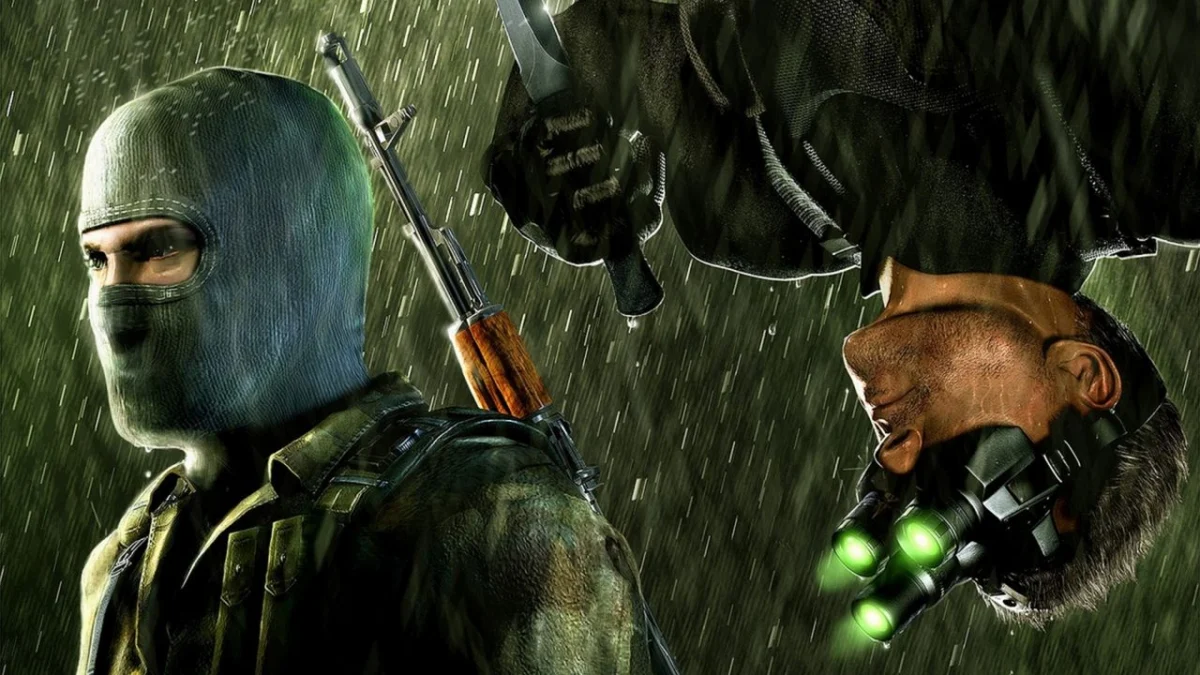
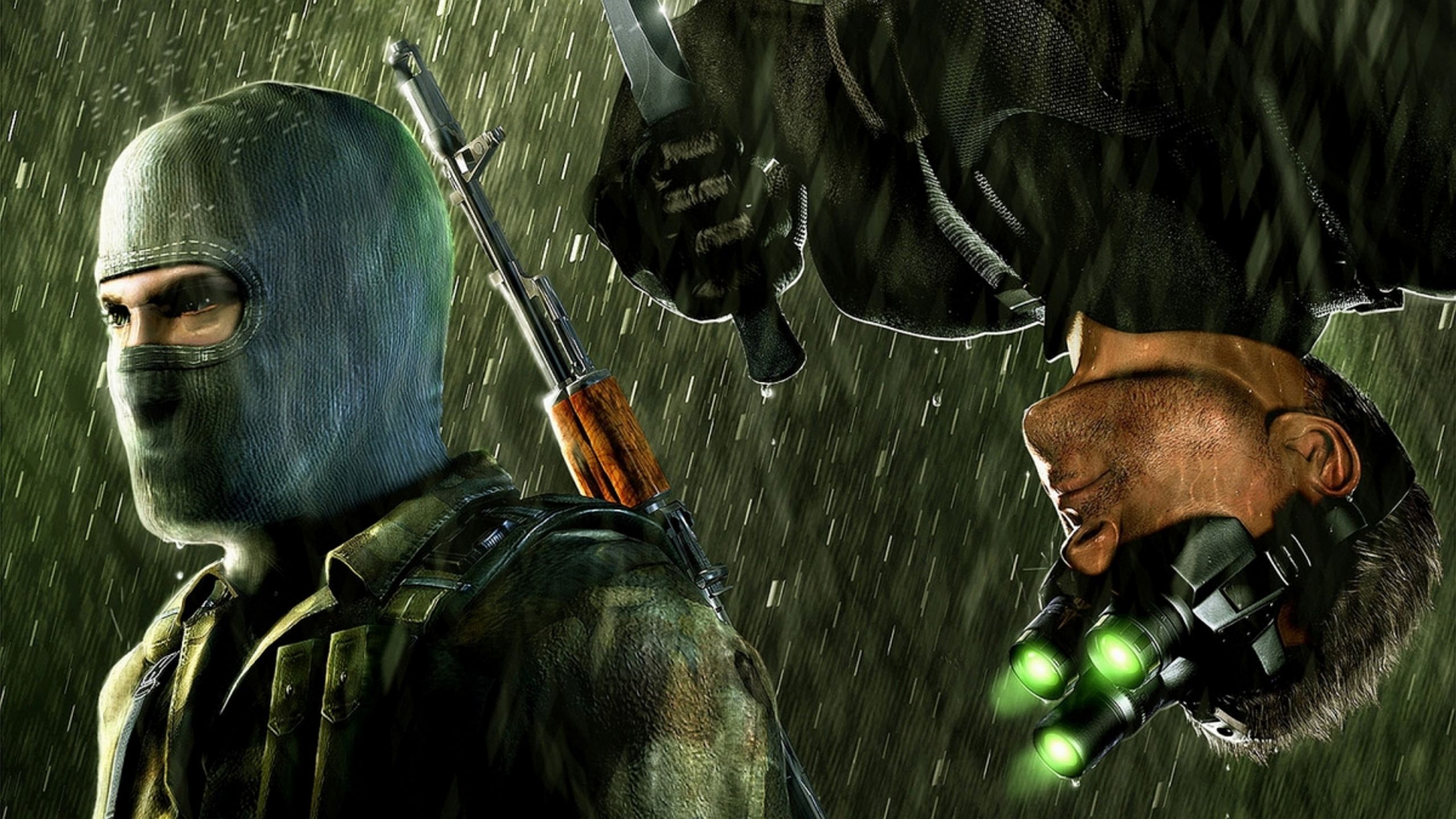
The appointment of Hartmann is a clear statement of intent from Ubisoft CEO Yves Guillemot. As the leader of Creative House 2, Hartmann will assume responsibility for some of the most recognizable intellectual properties in the company’s catalog. His new purview includes the tactical Tom Clancy franchises—The Division, Ghost Recon, and the long-dormant fan favorite, Splinter Cell. Additionally, he will oversee the development of the March of Giants MOBA, a project Ubisoft acquired from Amazon in 2025.
This reshuffle places Hartmann at the heart of Ubisoft’s effort to revitalize its "Tom Clancy" brand identity. While the crown jewel of that lineup, Rainbow Six Siege, remains under the stewardship of the newly formed Vantage Studios (formerly Creative House 1), Hartmann’s mandate will be to inject fresh momentum into the tactical shooters that once defined the Ubisoft brand.
The Chronology of a Leadership Transition
To understand the significance of this move, one must examine the timeline of both the executive and the company he is joining.
The Amazon Exit
Christoph Hartmann’s tenure at Amazon Game Studios concluded earlier this year. His departure coincided with a broader pivot at Amazon, which saw the retail giant shift its gaming strategy away from ambitious, high-budget first-party AAA development. The company’s move toward AI-integrated projects and a stronger focus on the Luna cloud gaming platform left little room for the traditional studio model Hartmann had been cultivating. Though his exit was not widely publicized by Amazon at the time, it marked a quiet end to a tenure focused on trying to establish Amazon as a major player in the console and PC space.
The Ubisoft Restructuring
Ubisoft, meanwhile, has been in a state of near-constant flux. Throughout 2024 and 2025, the company embarked on a radical restructuring plan. This involved the consolidation of its fragmented internal studios into five dedicated "Creative Houses." This transition was not without cost: the company has faced intense criticism and financial pressure, resulting in the cancellation of several high-profile projects—most notably the Prince of Persia: The Sands of Time remake—and the shuttering of studios in Winnipeg and Belgrade.
A Deep Bench of Industry Experience
Christoph Hartmann brings a level of institutional knowledge that is increasingly rare in the volatile gaming industry. Before his stint at Amazon, he spent 14 years as the president of 2K Games, a subsidiary of Take-Two Interactive. During his time at 2K, Hartmann oversaw the publication of massive, culture-defining hits, including the BioShock series, Borderlands, and NBA 2K.
His experience navigating the complexities of both massive corporate infrastructure and the creative demands of studio management makes him a tailor-made fit for Ubisoft’s current needs. He is tasked not only with managing IP but with building an environment where developers feel empowered to produce high-quality work despite the lingering shadows of corporate austerity.
Official Responses and Corporate Strategy
The leadership at Ubisoft has been effusive in its praise of the new hire. In a formal statement, CEO Yves Guillemot emphasized that Hartmann is "exactly the kind of leader" required to navigate the current climate.
"Christoph is a passionate gamer with a proven ability to bring out the best in creative teams and build franchises that last," Guillemot said. "His experience across development and publishing, as well as his management style, give him a rare understanding of what it takes to make great games. I am confident Christoph will elevate our teams and brands to new heights."
For his part, Hartmann used his platform on LinkedIn to express his enthusiasm for the challenge ahead. "For nearly four decades, Ubisoft has created some of the industry’s most iconic franchises," Hartmann wrote. "It has long been a company I’ve admired for its creativity, the strength of its franchises, and, above all, the talented people behind them. My goal is simple: create an environment where talented teams can do their best work and continue building games that players love."
The Implications of the Shake-Up
The arrival of a high-profile executive like Hartmann provides a much-needed morale boost, but it arrives in the wake of a significant "brain drain" at Ubisoft. The company has seen a wave of departures among its veteran creative leads. Notably, the exit of former Assassin’s Creed franchise boss Marc-Alexis Côté, alongside the departures of Assassin’s Creed Hexe creative director Clint Hocking and game director Benoit Richer, has left a void in institutional knowledge.
Managing the "Institutional Knowledge" Deficit
The loss of these key personnel, combined with the closure of international studios and the layoff of hundreds of employees in June, has raised questions about the stability of Ubisoft’s long-term pipeline. The company is currently operating under a cloud of uncertainty, with reports from outlets like LesEchos suggesting that further cuts to its North American operations could be on the horizon.
By bringing in an outsider with a proven track record, Ubisoft is clearly attempting to signal a change in direction—moving away from the internal politics that may have triggered recent executive departures and toward a more disciplined, product-focused management style.
The Future of the "Tom Clancy" Brand
The success of Hartmann’s tenure will be judged primarily by the output of Creative House 2. Fans of Splinter Cell have waited years for a true return to form for Sam Fisher, and the Ghost Recon series has struggled to maintain its identity in a crowded market. If Hartmann can successfully bridge the gap between Ubisoft’s massive technical capabilities and the creative spark that made these games icons in the first place, he will be viewed as a turning point in the company’s modern history.
Conclusion: A High-Stakes Balancing Act
The gaming industry is currently in a state of correction, with major publishers reassessing their development cycles, team sizes, and reliance on massive, open-world budgets. Ubisoft, perhaps more than any other major publisher, is currently the focal point of this industry-wide transformation.
Christoph Hartmann’s appointment is more than just a personnel change; it is a strategic maneuver designed to anchor Ubisoft’s most vital franchises in a period of unprecedented volatility. Whether his leadership can offset the loss of long-term veterans and stabilize the company’s internal culture remains to be seen. However, by placing a veteran with a history of success in both development and publishing at the helm of its most tactical brands, Ubisoft is betting that experience, discipline, and a return to "franchise-first" management will be the keys to its survival and eventual resurgence.
As the industry watches, the focus will now shift to Creative House 2 and the next steps for Splinter Cell and The Division. For Ubisoft, the goal is no longer just expansion; it is the restoration of its reputation as a premier destination for high-quality, genre-defining gaming experiences.

