

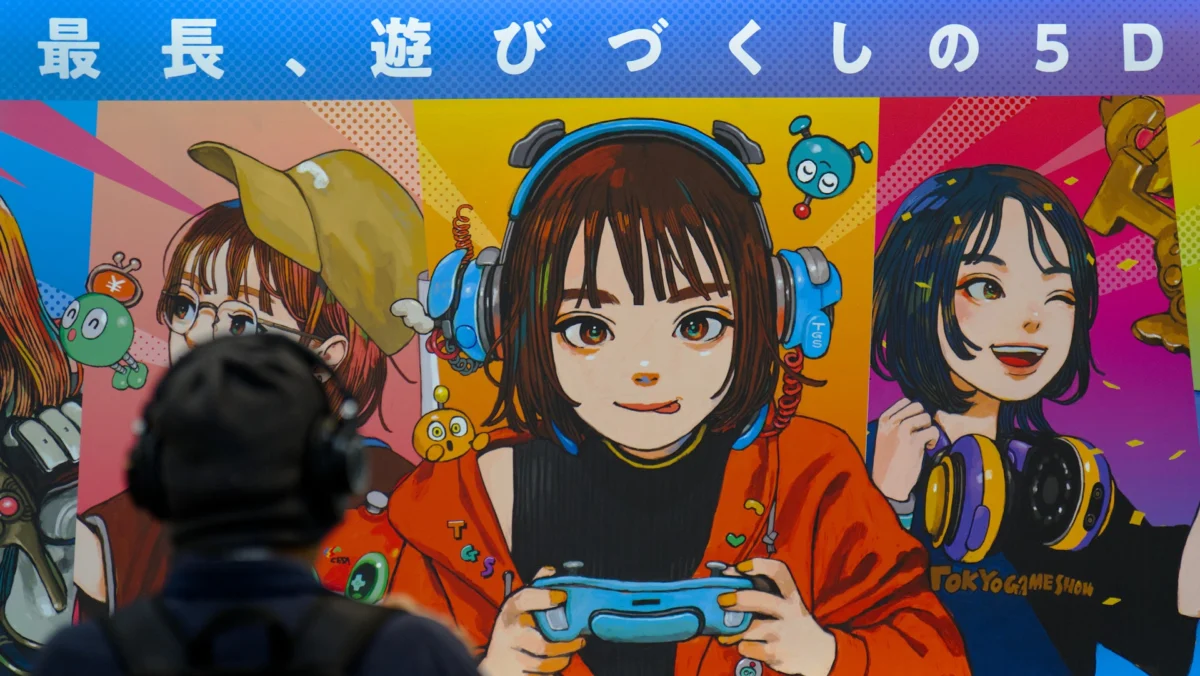
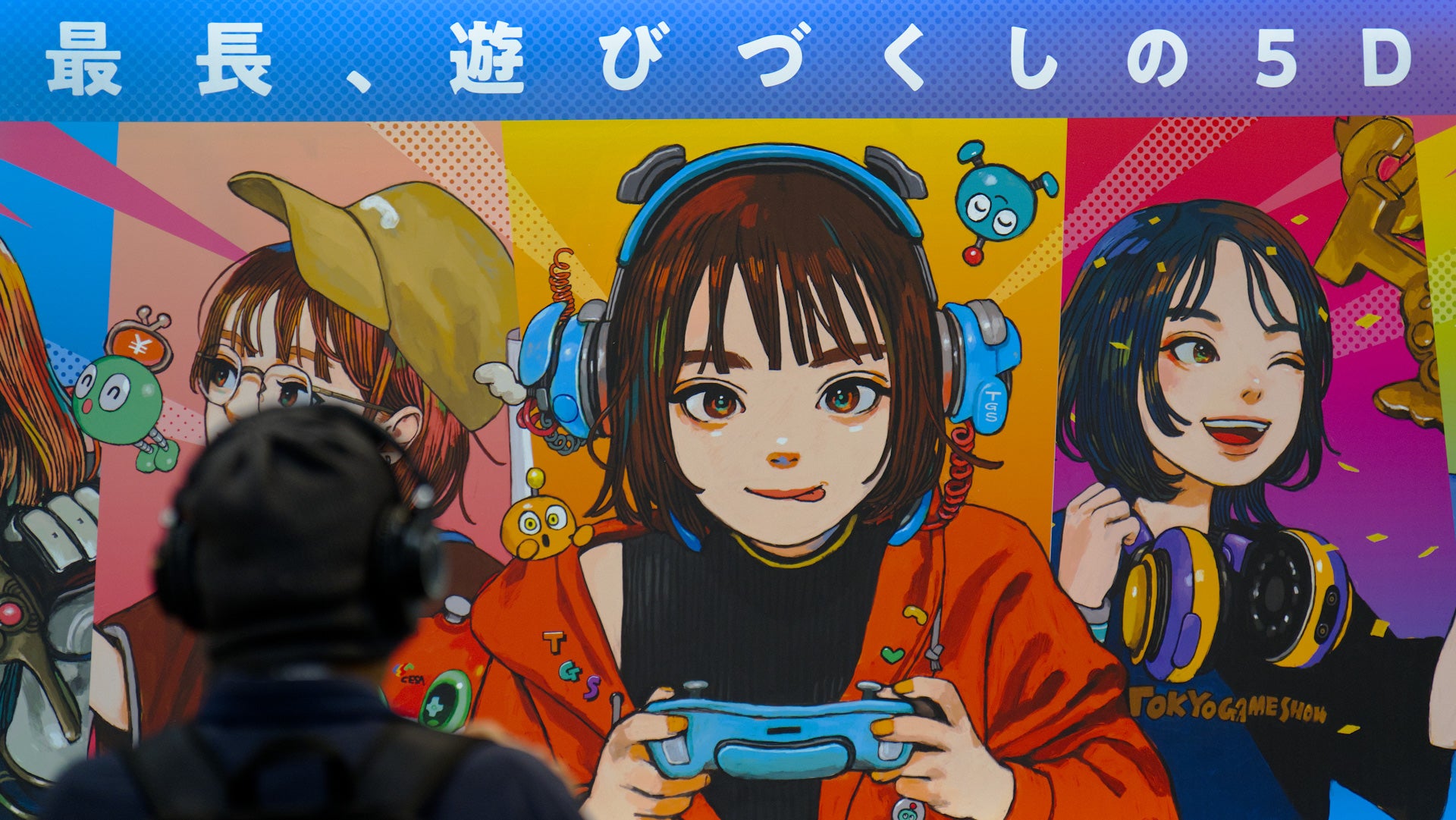
The 30th anniversary of the Tokyo Game Show (TGS) was intended to be a celebratory milestone—a five-day marathon billed as the "longest, nonstop play" event in the convention’s history. Instead, the 2026 iteration at the Makuhari Messe became a poignant study of an industry grappling with its identity. Beset by an encroaching typhoon that forced the premature closure of the event, the show felt less like a window into a bright, innovative future and more like a high-stakes reflection on the past, caught between the comforting safety of legacy intellectual property (IP) and the disruptive, often controversial, rise of generative artificial intelligence.
The Chronology of a Shortened Showcase
The 2026 Tokyo Game Show was scheduled to span five days, aiming to capitalize on the pent-up demand for physical gaming events in Japan. However, meteorological reality intervened. On the fourth day, the approach of a severe typhoon necessitated an immediate shutdown of the Makuhari Messe convention center.
The event’s truncated timeline mirrored the broader, more metaphorical "short-circuiting" of the industry’s narrative. While attendees did get to experience a show floor packed with flashy booths and sensory-heavy displays, the cancellation of the final day served as a stark reminder of the vulnerability of large-scale physical events in an increasingly unpredictable global climate.
The Dominance of Yesterday’s Hits
If the goal of a 30th-anniversary show is to signal the next three decades of growth, TGS 2026 arguably failed to provide a clear roadmap. The floor was overwhelmingly dominated by nostalgia. Major Japanese publishers, perhaps sensing economic instability or a lack of new "megahit" hardware, retreated into the safety of their back catalogs.
- SEGA: While Stranger Than Heaven from Ryu Ga Gotoku Studios was present, the oxygen in the room was entirely consumed by the upcoming Persona 4 Golden remake. The booth was a festival of DJs and cosplay dancers, highlighting a reliance on established fan favorites rather than risky new endeavors.
- Square Enix: The developer opted for a minimalist strategy, focusing exclusively on two pillars: the grand finale of the Final Fantasy VII remake trilogy—complete with the inescapable imagery of Sephiroth—and Final Fantasy Resonance, a retrospective HD-2D title that celebrates the franchise’s history rather than charting new mechanical ground.
- Capcom: The studio utilized its massive footprint to push Monster Hunter Wilds expansions, but a significant portion of their space was dedicated to Switch 2 ports of classic Resident Evil titles and a new Mega Man entry.
For the attendee, the message was clear: the industry is currently in a "maintenance phase," where the preservation and repackaging of legacy IP is the primary driver of revenue and excitement.
Supporting Data: The AI Shift
Perhaps the most significant, and controversial, trend observed at TGS 2026 was the rapid integration of generative AI. According to a preliminary summary of the 2026 Computer Entertainment Supplier’s Association (CESA) Report, 86% of developers in Japan now report using AI tools in their workflows. This is a dramatic escalation from the 51% reported just one year prior.

This shift has created a visible divide. While indie developers often emphasize their commitment to human-led craft—as seen in the success of the hand-drawn Finding Polka—the corporate sector is aggressively leaning into automation. The "AI Technology Pavilion" effectively supplanted the "Selected Indie 80" showcase, which was relegated to the secondary hallways of the convention center. This spatial demotion of indie talent in favor of AI-localization and asset-generation firms sent a strong, albeit contentious, signal about industry priorities.
Official Responses and Public Contention
The most vocal lightning rod for the AI debate was Level-5. CEO Akihiro Hino’s long-standing, public embrace of AI reached a breaking point this year. Following the use of AI-generated imagery in promotional trailers for Holy Horror Mansion and remakes of Professor Layton and Yokai Watch, the public backlash was instantaneous and severe.
Hino was forced to issue a personal apology on social media, emphasizing that human craft remained at the heart of their development process. The company eventually scrubbed AI-generated assets from the playable demos on the show floor. This episode serves as a case study in the current industry friction: companies are eager to utilize AI for efficiency, but are finding that the consumer appetite for "human-made" experiences remains a powerful, non-negotiable barrier.

The Rise of the Transmedia Model
While the show floor was obsessed with the past, the most hopeful innovation at TGS 2026 was the pivot toward a "transmedia" strategy. Inspired by the production committee system long used in the Japanese film industry, gaming is finally being integrated into a wider ecosystem of fashion, film, and merchandise.
Major players like SEGA are actively pursuing a "Disney-fication" strategy, viewing games as the starting point for a broader IP lifecycle. This includes:
- Collaborative Ecosystems: Partnerships with fashion brands like Balenciaga and the integration of diverse characters into shared universes (e.g., Sonic Crossworlds).
- Multimedia Expansion: The announcement of Netflix adaptations for Crazy Taxi and Stranger Than Heaven prior to their game releases signals a move to establish brand awareness across multiple mediums simultaneously.
- The Shueisha Games Model: By treating indie games as potential seeds for manga, novels, and ARGs, publishers are creating a lower-risk, higher-reward pipeline. Urban Myth Dissolution Center stands as the blueprint here, having transitioned from a digital title to a multi-platform franchise powerhouse.
Implications for the Future
The 30th Tokyo Game Show revealed an industry in flux. The reliance on legacy IP and the controversial pivot to AI suggest a sector attempting to insulate itself against the high costs and risks of modern game development. However, the move toward transmedia storytelling—where a game is merely one node in a larger cultural network—offers a path forward that values original IP without relying solely on the volatile "blockbuster" console model.

As the industry looks toward the next 30 years, it faces a fundamental choice. It can continue to recycle the successes of the 20th century through automated, cost-saving AI tools, or it can lean into the transmedia evolution, where Japanese creative firms use their unique, multifaceted storytelling infrastructure to build lasting cultural icons. The most important developments in gaming, as evidenced by this year’s show, are likely happening outside the convention halls, in the boardrooms and design studios where these long-term multimedia strategies are being forged.
TGS 2026 will be remembered not for the games that were shown, but for the questions it left unanswered about the nature of creativity in the age of the algorithm.

