

When Eric Mosinger returned home from an exhaustive, awe-inspiring day at the Getty Museum in Los Angeles, he was struck by a familiar, modern malaise: the inability to linger. He had walked the galleries, stood before the Impressionist masters, and soaked in the architecture, yet he felt the experience had been truncated by the inevitable constraints of time, geography, and the bustle of other museum-goers.
He wanted more. He wanted the ability to return to those canvases, to study the brushwork of Monet or the texture of a sculpture in the quiet solitude of his own living room. Having already invested in early virtual reality hardware like the Oculus Go, he assumed the solution was inevitable. He checked the storefronts for a comprehensive virtual reality version of Google Arts & Culture, fully expecting to find a high-fidelity digital gallery.
"I said, ‘That’s okay. They’ll release it soon,’" Mosinger recalled. "Then I got the Quest 2 and they didn’t have it."
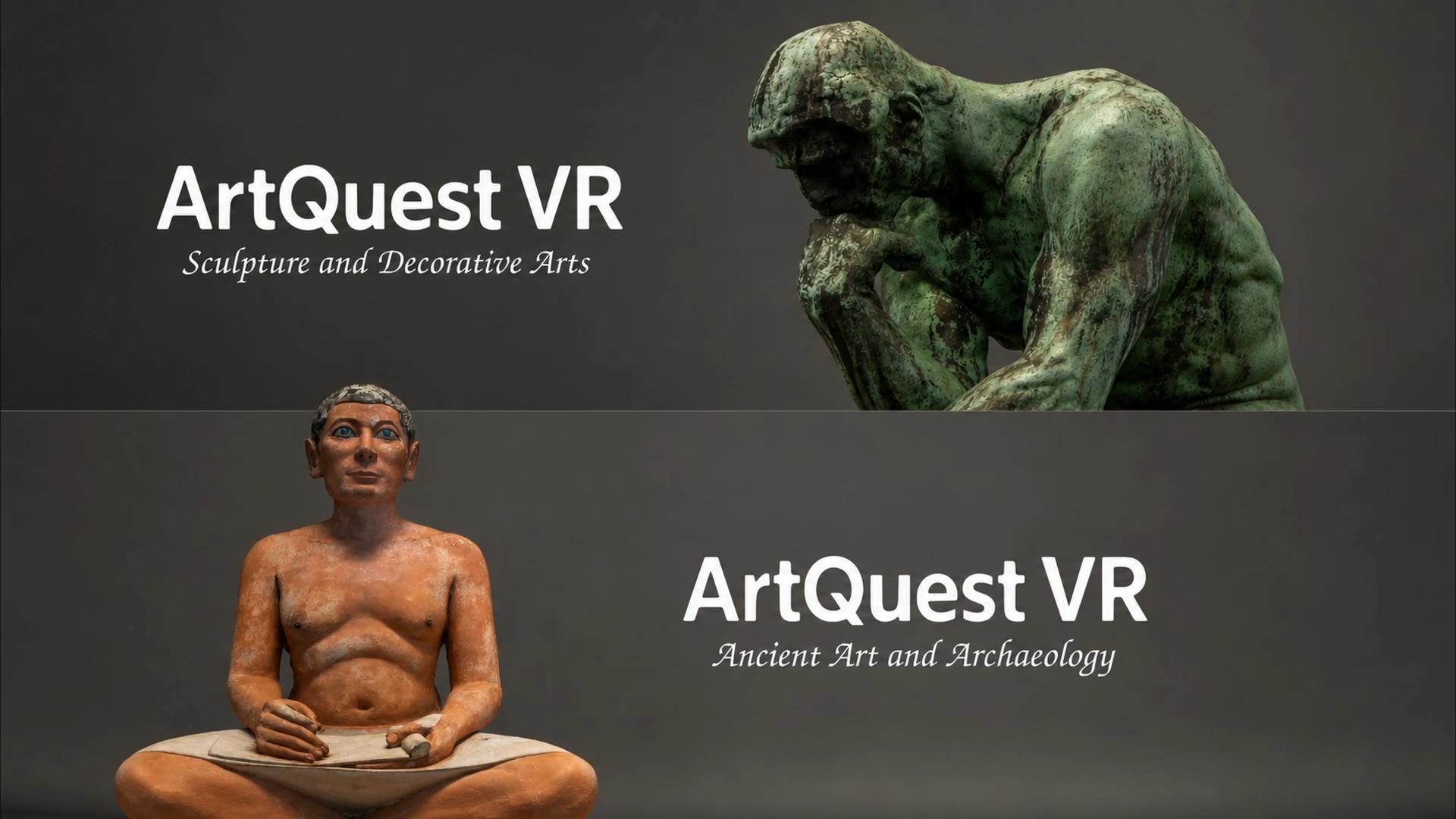
That gap—between the vast potential of VR and the limited availability of high-quality, accessible art history experiences—became the catalyst for ArtQuest VR. What began as a personal quest for an immersive gallery has blossomed into one of the most ambitious and meticulously curated virtual museums in the VR space. With its latest expansion, which introduces two significant DLC collections, ArtQuest VR now hosts over 1,400 three-dimensional sculptures and artifacts, bridging the gap from prehistory to the modern era.
A Chronology of Creation: From "Just a Cube" to Digital Repository
The genesis of ArtQuest VR was fueled by a mixture of artistic appreciation and, by Mosinger’s own admission, a healthy dose of stubbornness. Not a professional game developer, but a university professor, Mosinger approached the project with the analytical rigor of an academic and the curiosity of a student.
The Naive Beginning
His initial assessment of the task was deceptively simple. "A museum is just a cube with JPEGs on the walls," he joked, acknowledging his own early oversimplification. "How hard could it be?" He soon learned the answer: "It turns out that it’s very, very hard."
The Pivot to Sustainability
His earliest prototypes hit a legal wall when he realized that the high-resolution images he hoped to pull from existing digital archives were not licensed for public distribution in a standalone app. Undeterred, Mosinger pivoted. He began sourcing public domain artwork from Wikimedia Commons, ensuring that the integrity of his project remained legally sound. This forced him to teach himself the Unity engine from the ground up, moving from a hobbyist tinkering with layouts to a developer managing complex 3D assets.
The Sculptural Challenge
While paintings are two-dimensional, translating the physical presence of sculpture into a virtual environment required a complete overhaul of his workflow. He began scouring global digitization projects, seeking out raw photogrammetry scans from institutions like the British Museum, the Pergamon, and The Metropolitan Museum of Art.
The technical hurdle was immense. Raw scans often contain millions of polygons, far exceeding the performance budget of standalone mobile VR headsets like the Quest. "They need to be decimated down to about 150,000 polys at most without completely destroying them," Mosinger explained. The danger, he noted, is that if the decimation is handled poorly, the illusion of reality is shattered. "You can look at a model or an image whose resolution looks fine on a computer screen. Once you’re in VR and you can get right up to it, suddenly it just snaps you right out of VR."
Supporting Data: The Anatomy of a Virtual Gallery
The scale of ArtQuest VR is best understood through its recent expansion. The new DLCs—Sculpture & Decorative Arts and Ancient Art & Archaeology—represent a massive increase in content depth.
- Content Volume: The library now spans over 1,400 individual 3D assets.
- Source Diversity: Assets are aggregated from major global institutions, including the Louvre and the British Museum, representing a democratization of high-art access.
- Accessibility Features: Through extensive user testing—including an eight-to-ten-hour testing session with his own parents—Mosinger refined the interface to cater to older, non-gaming audiences. The result is a system that supports both seated and room-scale play with intuitive, accessible navigation.
- Pricing Structure: The base app is available for $9.99 on the Meta Quest store, with the two new DLC modules priced at $4.99 each, or $7.99 for the combined bundle, keeping the barrier to entry remarkably low compared to the cost of international travel.
Official Responses and User Integration
The success of ArtQuest VR is not merely anecdotal; it is finding utility in unexpected corners of society. While the app was designed for art enthusiasts, its most significant demographic has proven to be older adults who value the ability to engage with art without the physical strain of walking through large, crowded galleries.
Furthermore, the app has moved beyond individual use. At least one public library system in France has integrated ArtQuest VR into its curriculum as part of a formal art appreciation program. This validates Mosinger’s hope that VR can serve as a bridge between the physical and digital worlds.
"I kind of hope that one thing ArtQuest does is when a teenager stops playing Gorilla Tag and starts thinking about what else they might do on a Quest, they might look at that and say, ‘Hey, I want to check out whatever that is,’" Mosinger said.
The inclusion of multiplayer functionality has also transformed the experience from a solitary endeavor into a social one. Users separated by thousands of miles are using the virtual space to meet, discuss art, and share a common cultural experience, effectively turning the "cube with JPEGs" into a community hub.
Implications for the Future of Art and Technology
The implications of ArtQuest VR extend far beyond the app itself. It touches on a fundamental shift in how we conceive of museums in the 21st century.
The "Holodeck" Vision
Mosinger’s philosophy is rooted in the "Holodeck" ideal—the dream that VR could function as a truly immersive, educational space. He is not interested in creating a "gamified" version of art; he is interested in the art itself. When asked about his roadmap for future development, he remains focused on discovery. He is currently prioritizing better search tools and surfacing related works, allowing users to move through the galleries with the same serendipity they might find in a real-world institution.
Bridging the Gap to the Physical World
Perhaps the most striking implication is the effect the app has on real-world museum attendance. Rather than replacing the physical experience, ArtQuest VR acts as a primer, fostering a deeper, more informed appreciation for the original works.
"The very best thing that anybody could ever tell me about ArtQuest is that they used it and loved it and then they went to a real-world art museum," Mosinger stated. "That is what I want more than anything else."
A New Standard for Curation
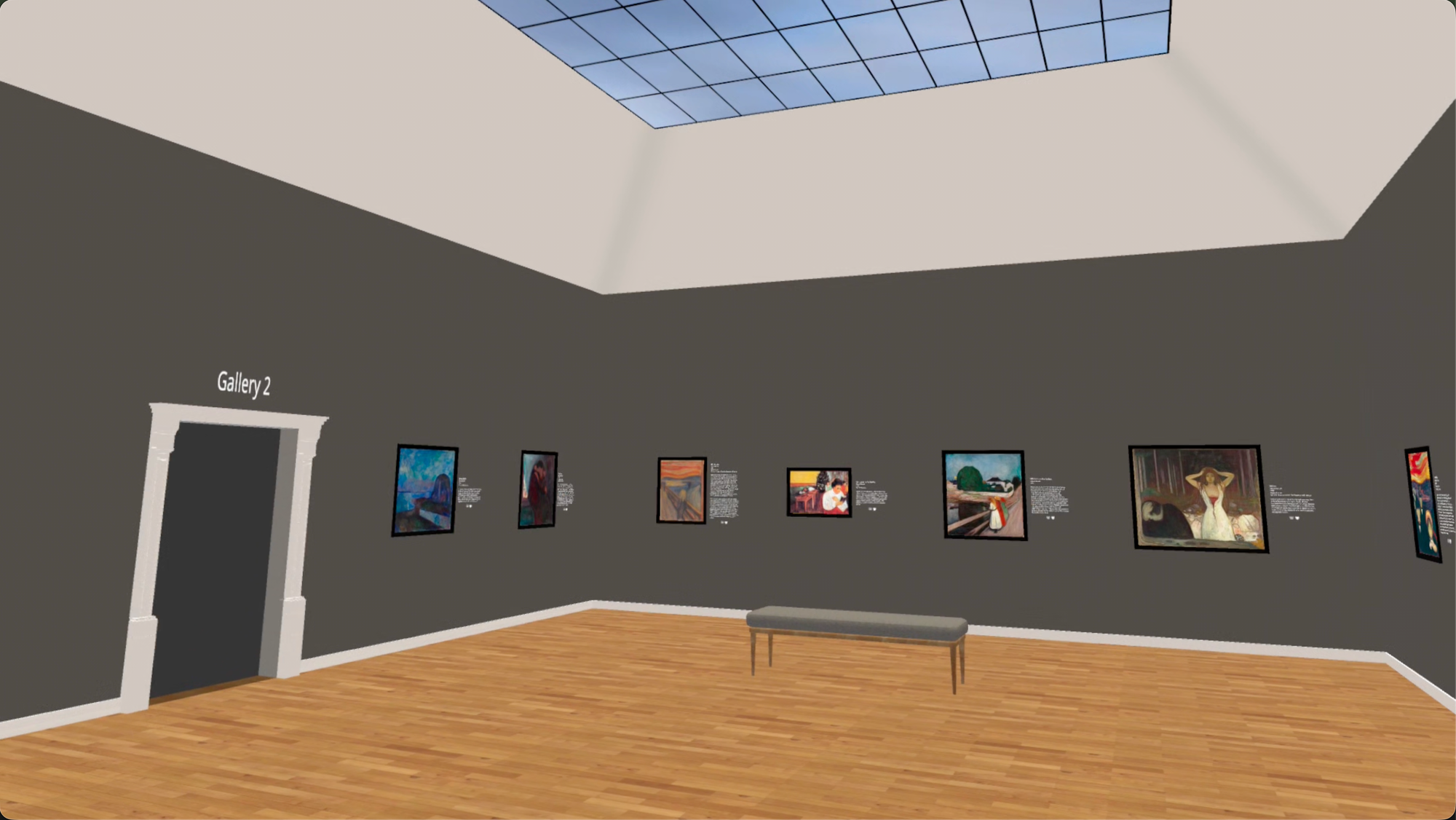
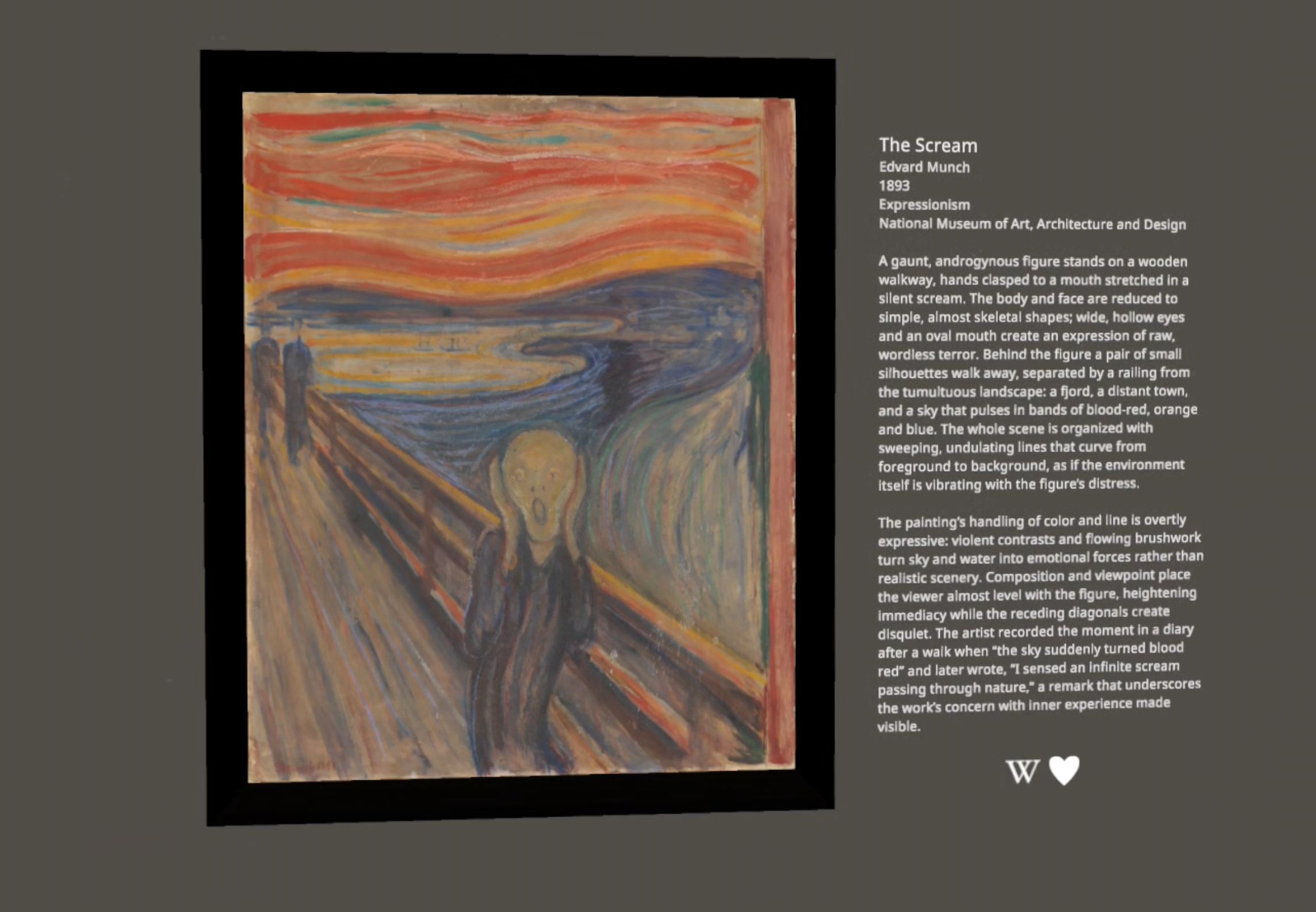
Mosinger’s refusal to simply "dump" assets into the engine is a crucial differentiator. By curating every piece, repairing models, and ensuring the lighting of the galleries—which he modeled after the skylit, gray-walled aesthetic of the Getty—he is creating a digital environment that respects the history of the objects it contains.
As we look toward the future, the work of developers like Mosinger suggests that the next generation of art appreciation will not be confined to a single city or a single weekend trip. Instead, it will be defined by an open, accessible, and deeply personal connection to human history. Whether it’s studying the brushstrokes of a Van Gogh or circling the ancient carvings of a Roman bust, ArtQuest VR proves that when technology is handled with enough stubborn, academic care, it can transform a headset into a window to the world’s greatest masterpieces.

