

The medium of video games is currently standing at a perilous crossroads. As the gaming industry accelerates its transition toward a fully digital-first distribution model, the concept of "ownership" is becoming increasingly abstract. This seismic shift—highlighted by the growing consensus that a disc-less future is all but inevitable by 2028—has sparked a global debate among developers, archivists, and players. Among those voicing profound concern is legendary auteur Hideo Kojima, whose warnings echo a growing anxiety regarding the preservation of digital art in an era of centralized, corporate control.
The Shrinking Horizon of Ownership
For decades, the physical disc or cartridge served as the gold standard for game ownership. It was a tangible asset, something a consumer could purchase, trade, lend, or keep on a shelf long after the developer’s servers went dark. However, the industry’s pivot toward cloud-based distribution, subscription services, and "live service" frameworks has fundamentally altered this relationship.
Sony’s aggressive push toward a fully digital ecosystem has served as the catalyst for this broader conversation. With each generation, the utility of optical drives diminishes, and the reliance on digital storefronts grows. The core fear, shared by creators like Kojima and groups like the Video Game History Foundation, is that we are trading the permanence of physical media for the convenience of instant access—a convenience that can be revoked at any time.
Hideo Kojima’s Warning: The "Have-Nots" of the Digital Age
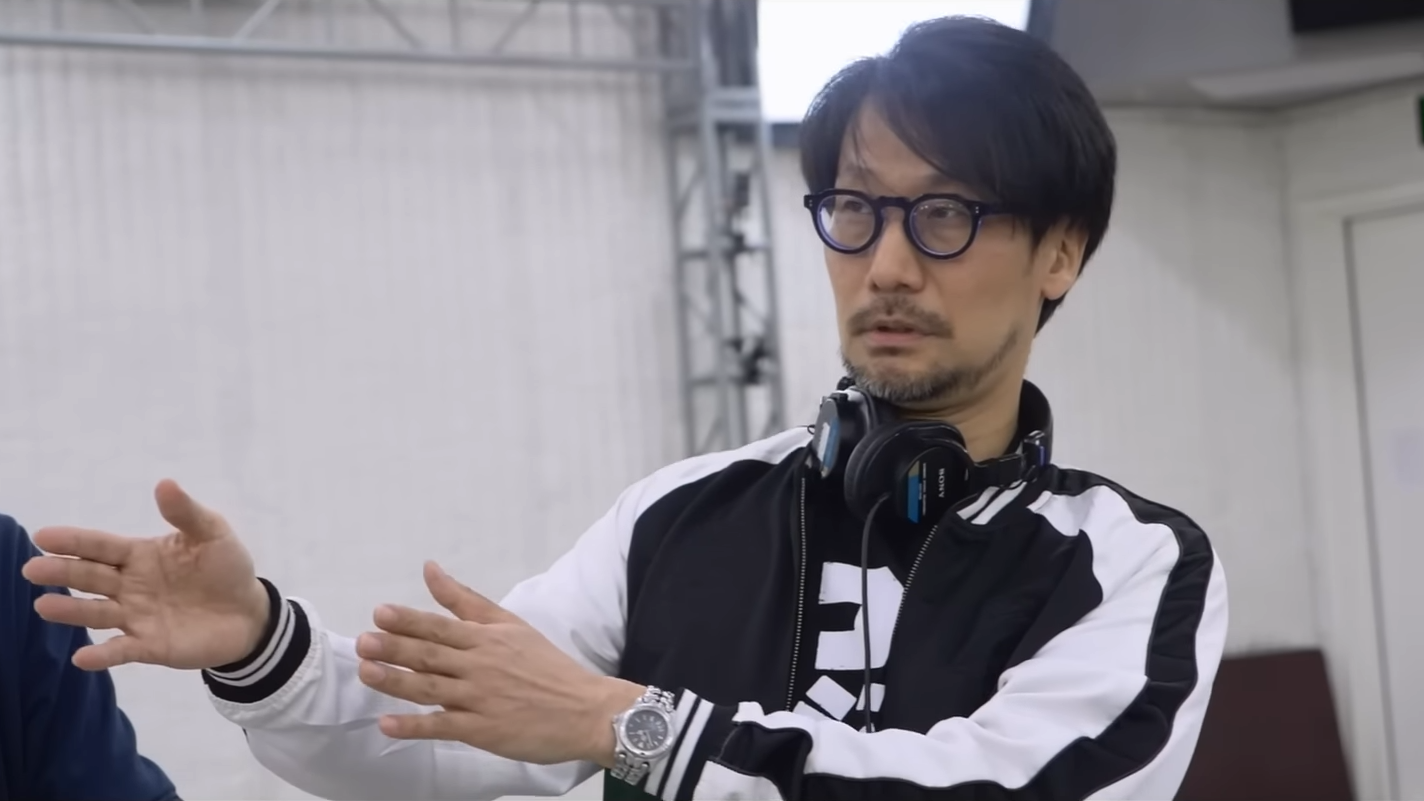
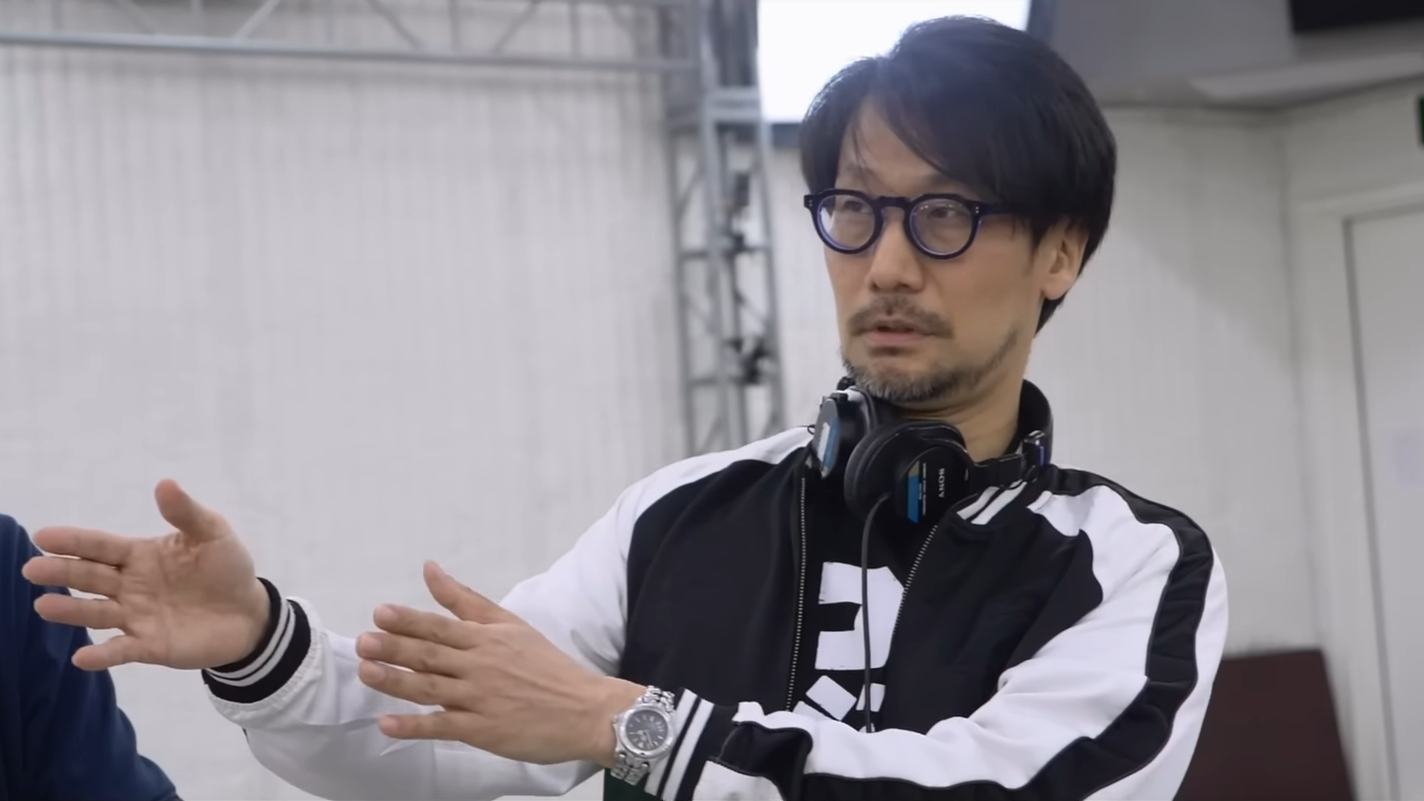
Hideo Kojima, the mastermind behind the Metal Gear and Death Stranding franchises, recently took to social media to articulate a chilling vision of our cultural future. His comments go beyond the realm of gaming, touching upon the fragility of our entire digital heritage.
"Eventually, even digital data will no longer be owned by individuals on their own initiative," Kojima noted. "Whenever there is a major change or accident in the world, in a country, in a government, in an idea, in a trend, access to it may suddenly be cut off."
Kojima’s perspective is rooted in the vulnerability of modern infrastructure. When access to culture is mediated through servers owned by a handful of mega-corporations, the consumer loses their autonomy. Kojima articulated a personal fear of becoming a "have-not," unable to access the music, literature, and cinema that define our collective identity. This is not merely a complaint about consumer rights; it is a profound philosophical statement on the loss of cultural memory.
The Chronology of Decline: From Physical to Perpetual Server Dependence
The transition to a digital-only landscape did not happen overnight. It has been a slow, incremental process of conditioning the consumer.
- The Early 2010s: The rise of Steam and digital storefronts offered convenience that quickly overshadowed the physical market.
- The Mid-2010s: The introduction of "day-one patches" rendered many physical discs useless without an internet connection, effectively ending the era of the "complete" physical game.
- The Late 2010s/Early 2020s: The proliferation of "Live Service" games turned titles into temporary experiences rather than static products. Games like Destiny 2 and New World demonstrated that even high-profile games could have their content "vaulted" or their servers shuttered, effectively deleting portions of the medium from history.
- The Present: With Sony and other hardware manufacturers signaling the end of physical media, the "kill switch" for digital content is now a reality that consumers must confront.
The Legislative Wall: Why "Stop Killing Games" Failed
The movement to secure digital rights has been spearheaded by various advocacy groups, most notably the "Stop Killing Games" campaign. This movement sought to force publishers to ensure that games remain playable after their commercial life cycle concludes.
However, the campaign hit a significant roadblock when the European Commission rejected their proposed rule changes. The Commission’s reasoning highlighted the core of the problem: current intellectual property law is heavily tilted in favor of rights holders. According to the Commission, they could not propose a legal obligation to keep games playable because existing EU copyright laws grant publishers exclusive, absolute rights over their creations. This effectively legitimizes the practice of "digital sunsetting," where companies can unilaterally decide when a piece of art ceases to exist.
Implications for Cultural Preservation
If the current trend continues, historians and archivists fear that the 21st century will become a "digital dark age." Unlike physical books, which can survive for centuries in a library, or film reels that can be restored, digital games rely on proprietary server handshakes, authentication tokens, and complex ecosystems that are designed to expire.
The Case of New World and Destiny 2
The fate of Amazon’s New World serves as a grim case study. Despite a dedicated community and significant investment, the game’s cessation of updates and inevitable server decommissioning means that thousands of hours of player labor and creative content will effectively vanish. Similarly, the "vaulting" process in Destiny 2—where Bungie removed massive swaths of previously playable content—has set a dangerous precedent: that the creator has the right to rewrite the history of their product, even if it leaves the player with a hollowed-out experience.
The Piracy Paradox
Perhaps the most uncomfortable truth in this discourse is the stance of the Video Game History Foundation. Their position—that piracy is increasingly the only viable path for the preservation of video games—has sent shockwaves through the industry.
When legal pathways for preservation are blocked by copyright law, and when companies actively work to prevent the archival of their products, those who wish to save this art are forced into the shadows. Piracy, in this context, is no longer just about theft; it is an act of digital preservation. It is the unauthorized creation of backups for a future where the original source is no longer available.
Conclusion: A Call for Accountability
We are entering an era of unprecedented volatility. The removal of physical media is not just a logistical change; it is a fundamental shift in the power dynamic between the creator and the consumer. If society values games as cultural artifacts—as meaningful as the books in a library or the paintings in a gallery—then the current trajectory is unsustainable.
Legislators, publishers, and the public must decide whether the future of art will be held in the hands of the people who love it, or in the transient, profit-driven databases of corporations. As Hideo Kojima wisely noted, the danger is not just that we lose access to a game; it is that we lose the ability to own our own cultural history. Without a framework that guarantees preservation, we are walking into a future where our memories can be deleted at the stroke of a corporate key.
The fight to protect our digital heritage is only just beginning, and the stakes could not be higher. Unless we establish clear, enforceable rights for consumers and archivists alike, the "digitised future" we have been promised may look less like a utopia and more like a library being burned in real-time.

