

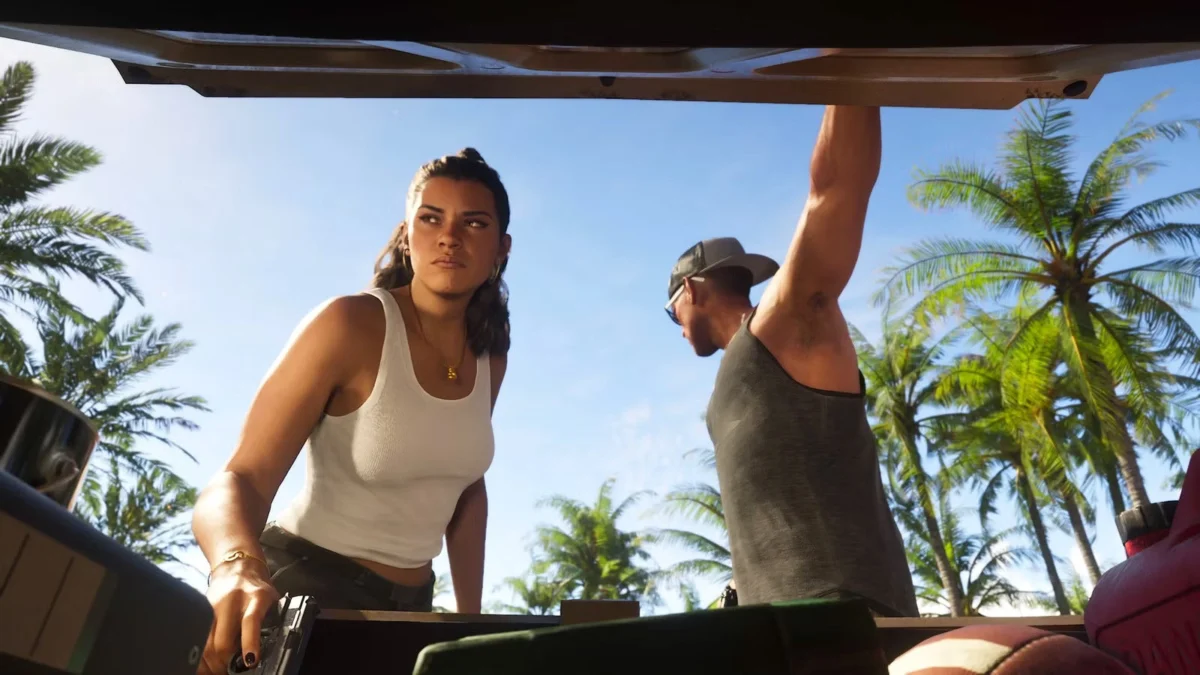
A significant legal battle between Rockstar Games, the powerhouse behind the Grand Theft Auto franchise, and a group of former employees has reached a critical juncture. A UK employment tribunal has officially denied Rockstar’s request to strike “blacklisting” allegations from the ongoing litigation, ensuring that the full scope of the dispute will be scrutinized in open court later this year.
The trial, which stems from the controversial termination of 34 employees in the UK and Canada, is now scheduled to commence on September 10, with proceedings expected to conclude by October 15. This legal confrontation represents a watershed moment for labor relations within the multi-billion-dollar video game industry.
The Core Allegations: Blacklisting and Union-Busting
At the heart of the dispute is the IWGB (Independent Workers’ Union of Great Britain) Game Workers branch, which is representing the former employees. The central accusation leveled against Rockstar is one of “union-busting”—a practice where an employer takes retaliatory action against staff members for organizing or participating in union activities.
The term "blacklisting" is particularly incendiary in a legal context. It refers to the systemic practice of maintaining records of union members, workplace activists, or health and safety representatives, and subsequently using that information to discriminate against them in hiring, promotion, or termination decisions. By refusing to remove these allegations, the tribunal has signaled that there is sufficient substance to the workers’ claims to warrant a full evidentiary hearing.
A Chronology of the Dispute
The conflict has unfolded rapidly since late 2025, creating a PR crisis for the studio at a time when global anticipation for their upcoming titles is at an all-time high.
October 2025: The Mass Dismissals
The controversy erupted in October 2025 when Rockstar Games abruptly terminated 34 employees. The company cited “gross misconduct,” alleging that the staff had leaked confidential information. The sudden nature of these dismissals—which reportedly involved staff being escorted from their buildings without warning—sent shockwaves through the industry.
November 2025: Formal Legal Action
Following the dismissals, the IWGB filed formal legal claims against the studio. The union challenged the company’s characterization of events, arguing that the employees were targeted specifically for their involvement in union organizing efforts.
The Discord Controversy
Subsequent reporting, notably by People Make Games, cast significant doubt on Rockstar’s justification for the firings. Evidence emerged suggesting that the “confidential information” the employees were accused of leaking was, in reality, internal discussions regarding new Slack policy changes. These discussions were reportedly held in a closed, invite-only Discord server, which the employees believed to be a private space for navigating changing workplace conditions.
2026: The Tribunal Ruling
After months of legal maneuvering, including Rockstar’s failed attempt to have the blacklisting allegations struck from the record, the tribunal set the dates for the full hearing. The court’s decision to allow the blacklisting claim to proceed suggests that the tribunal views the methods used by the company to identify and manage these employees as a matter of significant public interest and legal concern.
The Implications for Industry Labor Relations
The Rockstar case is being closely watched by industry analysts, labor lawyers, and developers worldwide. If the tribunal finds in favor of the workers, it could set a powerful precedent, reinforcing the rights of game industry employees to organize without fear of retaliation.
The Role of the IWGB
The IWGB Game Workers branch has positioned this case as a litmus test for the gaming sector. For years, the industry has been characterized by "crunch" culture, job insecurity, and a lack of collective bargaining. By holding a company of Rockstar’s stature to account, the union hopes to trigger a shift in how game studios handle internal dissent and worker organization.
Government and Public Scrutiny
The case has even reached the highest levels of government. UK Prime Minister Keir Starmer previously addressed the mass dismissals, describing the situation as "deeply concerning." Such high-level political interest underscores the growing awareness that the gaming industry, despite its cultural and economic dominance, is often governed by labor practices that may be out of step with broader employment laws.
Official Statements and Worker Testimony
The former employees, now plaintiffs in the tribunal, have been vocal about the emotional and professional toll of the past year.
Ellie Dunstan, one of the fired workers, expressed a sense of vindication following the tribunal’s latest ruling. "Rockstar thought they could control the narrative. They’re wrong, and we look forward to proving it," she stated. "Our case will now be heard in full and put to the test as it should be. The world will get to see for itself the evidence as to what happened last October."
Dunstan emphasized that the struggle is not merely about individual compensation, but about systemic change. "Losing our passion, our colleagues and our incomes in the blink of an eye was devastating, and the company management has treated us with disdain ever since… This fight has always been about more than just our own situation—it is about making sure workers across the games industry and beyond have the right to stand together, speak out, and organize for a fairer sector."
Spring McParlin-Jones, chair of the IWGB Game Workers, echoed these sentiments, highlighting the company’s persistent attempts to evade transparency. "The tribunal has refused to let Rockstar off the hook, finding that serious factual questions remain about how these workers were identified, listed and dismissed," McParlin-Jones noted. "Gamers all over the world have seen through these tactics, and now a tribunal has also cast doubt on Rockstar’s version of events."
What to Expect at the Trial
The upcoming trial, running from September 10 to October 15, will likely focus on three primary areas:
- The Nature of the "Leaks": The defense will likely attempt to prove that the discussions on Discord constituted a breach of contract or confidentiality. The prosecution will aim to demonstrate that these were protected, private communications between colleagues regarding workplace conditions.
- The Identification Process: The court will examine how Rockstar identified the 34 individuals. If the company used internal surveillance or monitored private communications to target union-affiliated staff, it could provide the evidence required to support the blacklisting claim.
- Procedural Fairness: The tribunal will assess whether the dismissals were conducted according to fair labor practices. The lack of an appeals process and the company’s reported refusal to engage with evidence requests will be key points of contention.
Conclusion: A Turning Point for Rockstar?
For Rockstar Games, a company known for its tight-lipped corporate culture and highly secretive development cycles, the prospect of a public tribunal airing its internal labor practices is unprecedented. The company has historically maintained an image of untouchable success, but this legal battle threatens to tarnish that reputation if the allegations of union-busting are proven true.
As the industry moves toward a future where developers are increasingly demanding better working conditions and greater job security, the outcome of this case will likely influence how major studios interact with their workforce. Whether this results in a landmark victory for labor rights or a reaffirmation of corporate discretion remains to be seen. However, one thing is certain: come September, the eyes of the global gaming community will be fixed on the UK employment tribunal.

