

Each week, the landscape of the creator economy shifts with the tectonic force of a billion-view algorithm. From the professionalization of niche hobbyists to the integration of legacy media giants with independent digital talent, the barriers between "internet famous" and "mainstream celebrity" have effectively evaporated. This week’s dispatch examines the pivotal moves in science communication, the expansion of sports streaming rights, and the surreal moment when the lexicon of the "terminally online" officially enters the pages of Merriam-Webster.
1. Main Facts: The New Guard of Influence
The current state of the creator economy is defined by "bridge-building." Creators are no longer operating in silos; they are being drafted into national media initiatives, high-stakes brand campaigns, and corporate C-suite roles.
- Science Goes National: The "Science Across America" initiative has officially launched. This 50-state tour, backed by the Independent Media Initiative, leverages the immense reach of YouTube’s top STEM communicators, including Destin Sandlin and Emily Graslie, to bring rigorous scientific inquiry to the forefront of digital culture.
- The Corporate-Creator Convergence: In a stark reminder that the traditional celebrity-creator divide is dead, TikTok lifestyle guru Madeline Argy has joined Kendall Jenner and Joe Jonas as the face of the calming beverage brand TRIP.
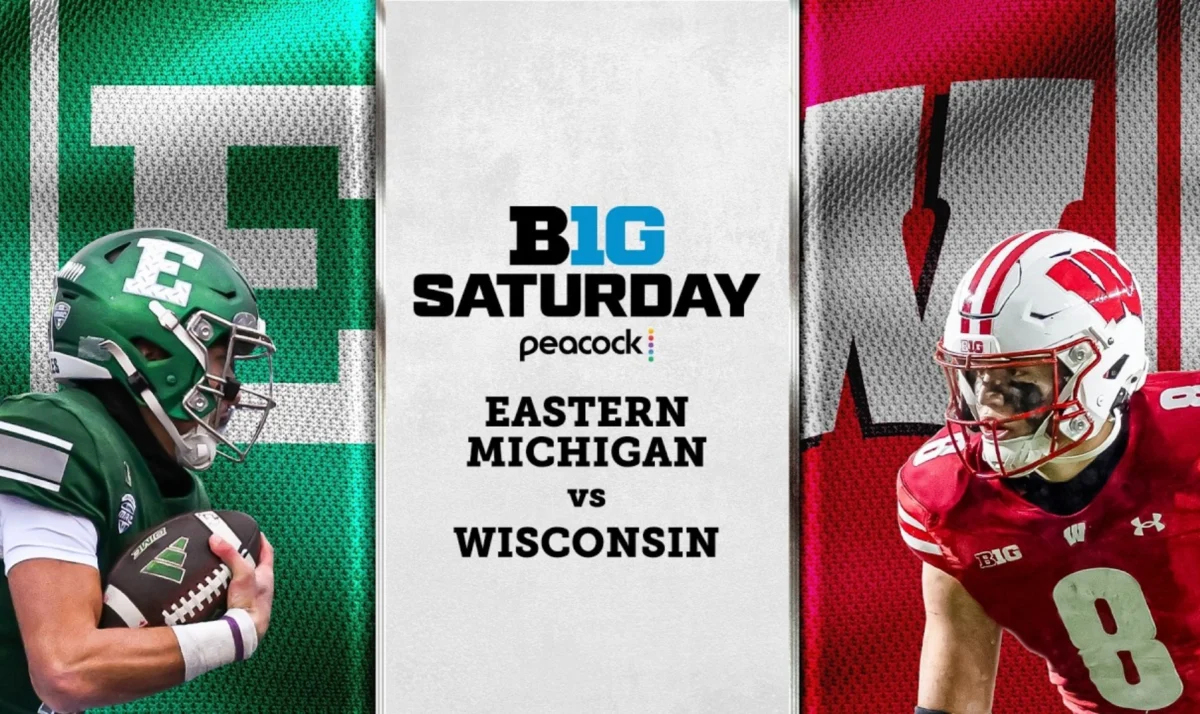
- The Streaming Wars Pivot: NBCUniversal is further deepening its integration with YouTube. Following the incorporation of Peacock into YouTube Premium, the network is now leveraging YouTube’s massive distribution network to host free college football streams, signaling a shift in how sports rights are being monetized.
2. Chronology of Developments
The following timeline captures the rapid succession of events that defined this week’s industry narrative:
- Monday: Whalar Group announces the hiring of former TikTok executive Kimberly Wu as SVP of Strategic Partnerships & Growth, signaling a aggressive push into brand-creator consultancy.
- Tuesday: The Merriam-Webster dictionary updates its lexicon, legitimizing internet slang like "looksmaxxing," "copium," and the cultural artifact "Rickroll."
- Wednesday: Adam Conover, a veteran of the pivot from linear TV to digital production, offers a sobering critique of the modern media landscape during a wide-ranging discussion on The Verge’s podcast.
- Thursday: Disney cements its streaming future by promoting former YouTube executive Adam Smith to Chairman of Direct-To-Consumer, tasking him with the oversight of the company’s global streaming empire.
- Friday: Chelsea FC star Cole Palmer faces a public "reality check" when his Twitch account is suspended for an early, unauthorized stream of EA FC 27.
- Weekend: The "Science Across America" initiative gains momentum, while college football fans tune into the Eastern Michigan vs. Wisconsin matchup via YouTube, bypassing traditional cable requirements.
3. Supporting Data and Industry Context
The transition of creators into traditional media spaces is backed by shifting consumption habits. According to current industry benchmarks:
- The "Creator-to-Executive" Pipeline: The appointment of Adam Smith to head Disney’s streaming division represents a maturation of the creator-economy workforce. Industry veterans who cut their teeth in the YouTube/Google ecosystem are now the primary architects of legacy media’s digital survival.
- Book Launches as High-Stakes Activations: The "Own or Be Owned" launch by Codie Sanchez, featuring a $1 million prize pool, illustrates a new trend: the gamification of publishing. By treating a book launch like a high-budget product release, creators are bypassing traditional PR routes to build massive, incentivized community engagement.
- The "Kid-Author" Phenomenon: Julian Shapiro-Barnum’s How to Grow Up Without Becoming a Grown-Up reflects a growing appetite for "edutainment" that blends the sincerity of Gen Alpha/Gen Z perspectives with professional publishing standards.
4. Official Responses and Industry Perspectives
The "Conover Critique"
Adam Conover’s commentary on the state of the industry has resonated deeply with creators feeling the strain of the "fractured media landscape." Conover, who has successfully navigated both the TruTV and YouTube ecosystems, argues that the current industry model is unsustainable for many. His warning—that the union of labor, AI, and corporate gatekeeping is creating a "chilling effect" on independent creativity—has sparked a necessary debate about who truly owns the future of the internet: the platforms or the people who populate them.
Whalar’s Strategic Shift
Following the divestment of its agency business to Accenture Song, the Whalar Group’s move to hire Kimberly Wu is a calculated play for dominance in the creator-partnership space. In an official statement, the company noted that Wu’s background as TikTok’s Global Head of Agency and Marketing Partnerships is essential to their goal of "scaling creator-led growth." It is a clear signal that the agency model is evolving from simple talent representation to sophisticated, data-driven strategic growth management.
5. Implications for the Future
The Sports-Streaming Hybridization
The NBC-YouTube college football stream is more than just a convenient way to watch a game; it is an experiment in "frictionless consumption." By hosting matches on a platform where users already spend their time, NBC is actively dismantling the "walled garden" approach of traditional sports broadcasting. If successful, we can expect a cascade of sports leagues to abandon exclusive, high-cost cable contracts in favor of the hyper-engaged, highly trackable environment of YouTube.
The Normalization of Internet Vernacular
The inclusion of "looksmaxxing" and "copium" in the Merriam-Webster dictionary is a cultural milestone. It signifies that the "terminally online" subcultures have successfully migrated into the broader consciousness. For marketers and creators, this means the speed at which internet slang evolves is now tied directly to the speed at which it becomes "mainstream"—and, by extension, how quickly it risks becoming "cringe."
Intellectual Property as the New Gold
The hiring of Lara Sword at Boat Rocker Studios as Director of YouTube Management and Digital Partnerships highlights a critical shift: legacy production houses are no longer looking for "talent" in the traditional sense; they are hunting for "digital IP." The goal is to identify creators who have built self-sustaining, high-engagement audiences and bring that intellectual property into the fold of high-budget film and television development.
The "Cold World" of Content
The suspension of Cole Palmer’s Twitch account serves as a cautionary tale for the burgeoning "athlete-creator" class. Professional athletes, accustomed to the protection of leagues and media departments, are finding that the rules of the creator economy are both transparent and unforgiving. Whether you are a star footballer or a niche hobbyist, the platform’s Terms of Service remain the ultimate authority. As one observer noted regarding Palmer’s situation: "It’s a cold world out there, and asking for forgiveness only goes so far."
Conclusion
As we look toward the remainder of the year, the creator economy appears to be entering a phase of consolidation and professionalization. The lines between the boardroom, the sports field, and the home studio have blurred beyond recognition. Creators are now authors, media executives, and ambassadors of scientific progress. However, as the industry grows in influence, so too does the complexity of its challenges—from the ethical implications of AI-driven content to the rigid enforcement of platform rules.
For the creators, the takeaway is clear: the era of the "wild west" is giving way to an era of strategic, institutionalized growth. Those who can navigate the balance between their authentic digital voice and the requirements of corporate partnerships will define the next decade of media. Whether you are a fan of "Recess Therapy," a follower of GothamChess, or a viewer of the latest "Science Across America" episode, one thing is certain: the screen in your pocket is where the real world is currently being written.

