

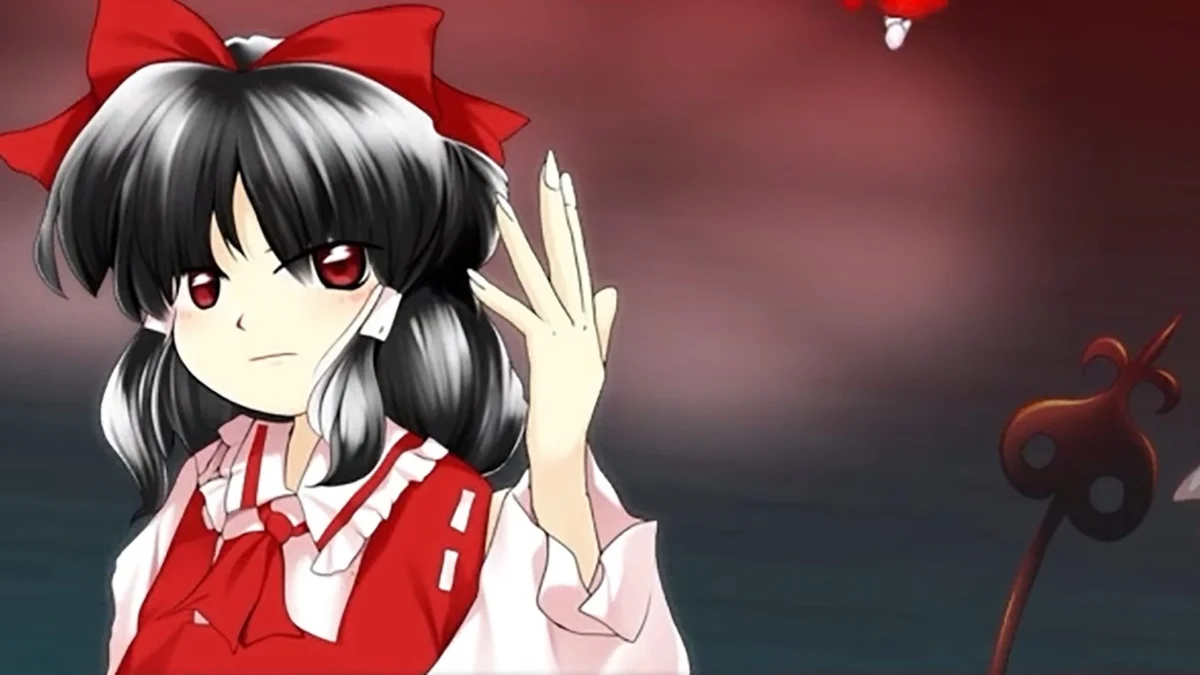
More than two decades after it fundamentally altered the landscape of independent game development, the sixth entry in the Touhou Project series—The Embodiment of Scarlet Devil—has received a definitive, high-fidelity revival. Released on Steam on September 9, Touhou Koumakyou: New Classic – the Embodiment of Scarlet Devil is not merely a port; it is a meticulous reconstruction that has captured the attention of both long-time devotees and a new generation of players.
With an astounding 98% positive rating across nearly 3,000 user reviews in its first week, the game has surged to become one of the highest-rated releases of 2026. This revival marks a significant milestone for the franchise, serving as both a bridge to the past and a testament to the enduring appeal of the "danmaku" (bullet hell) genre.
The Genesis of a Cult Phenomenon
To understand the gravity of this release, one must look back to 2002. At the time, the Touhou Project, created by the enigmatic solo developer known as ZUN, was transitioning from its roots on the NEC PC-9800 series to the Windows platform. The Embodiment of Scarlet Devil was the inaugural Windows title, a shift that effectively catapulted the series from an underground hobbyist project into a global cultural phenomenon.
Before this transition, the Touhou series was largely confined to Japan’s niche PC-98 market. By moving to Windows, ZUN opened the door for wider distribution, better hardware utilization, and, crucially, a more accessible way for fans to share the game. The original 2002 title became the cornerstone of the "doujin" (fan-made) gaming boom. It established the series’ core identity: the shrine maiden Reimu Hakurei, the magician Marisa Kirisame, and a relentless, mesmerizing screen-filling pattern of projectiles that demanded near-inhuman reflexes.
A Meticulous Restoration: What is ‘New Classic’?
New Classic is, as the title suggests, a polished iteration of the original experience. Developed by Alliance Arts, the project focuses on preservation while enhancing the technical infrastructure of the game. For many, the prospect of an "enhanced" classic is often met with skepticism—purists fear the loss of the original’s "soul." However, the approach taken here has been one of reverence rather than reinvention.
The development team has retained the original game’s structure, difficulty curves, and artistic essence, ensuring that the gameplay loop remains identical to the 2002 experience. To satisfy the need for historical preservation, Alliance Arts has bundled the original game with the New Classic version, allowing players to experience the game as it existed at the dawn of the millennium, complete with its original, albeit aged, charm.

Key Technical Upgrades:
- Audio Overhaul: The iconic soundtrack, which served as a major selling point of the original release, has been fully remade by ZUN himself. The new arrangements maintain the high-energy, melodic synth-rock style that fans love, but with modern production quality.
- Visual Fidelity: While the game retains its distinct 2D pixel art style, the rendering engine has been updated to accommodate modern display resolutions, ensuring that the "bullet hell" patterns remain crisp and readable on high-definition monitors.
- Accessibility and Platform Reach: Beyond its successful Steam launch, the title has expanded to the PlayStation 5 and the Nintendo Switch family, including the latest hardware iterations, broadening the reach of the franchise beyond the traditional PC enthusiast base.
Supporting Data: A Statistical Anomaly
The reception to New Classic is statistically significant. According to market aggregate tools like Steam250, the title has cemented itself within the top 50 highest-rated games of 2026, a year already packed with major AAA releases and viral indie sensations.
The 98% approval rating is particularly telling. In an era where review-bombing and community fragmentation are common, Touhou Koumakyou has managed to unify a diverse audience. The data indicates a high retention rate, with players spending significant time mastering the game’s complex patterns. When compared to other surprise hits—such as the breakout fishing game How to Fish or the long-standing survival titan Valheim—New Classic proves that there is still a massive, hungry market for high-difficulty, skill-based arcade experiences.
Official Stances and Development Philosophy
Alliance Arts has been transparent about their development philosophy. In a statement regarding the release, the studio emphasized that New Classic was designed to solve the "accessibility hurdle" that often prevents new players from trying legacy titles. By including the original 2002 version in the purchase, the developers have effectively removed the barrier to entry for gaming historians and newcomers alike.
"The price is the same, and the Classic version is included," the studio clarified in a recent press briefing. While the original version lacks official English support, the community has already mobilized to provide localized patches, highlighting the self-sustaining nature of the Touhou fanbase.
Implications: The Future of ‘Touhou’ and Independent Gaming
The massive success of this project carries several implications for the future of the Touhou Project and the wider independent gaming scene.
1. The Power of Intellectual Property Longevity
Touhou is a rare example of a franchise that has thrived for decades without a traditional corporate marketing machine. The success of New Classic demonstrates that a strong, consistent aesthetic and a well-defined gameplay loop can remain evergreen. For other developers, this serves as a case study in how to leverage legacy IP to drive engagement in a crowded market.

2. The Rise of the "Modernized Classic"
We are seeing a shift in how older games are handled. Instead of full remakes—which often alter the game design—or simple ports—which often break on modern systems—the "Modernized Classic" approach, exemplified by New Classic, offers a compromise. It keeps the game’s mechanics intact while stripping away the technical friction that makes older titles difficult to play on modern operating systems.
3. A Gateway to the Franchise
For those intimidated by the sheer volume of Touhou content, New Classic serves as the perfect entry point. The franchise has grown into a massive ecosystem of spin-offs, including the 2D Metroidvania Touhou Luna Nights (developed by Team Ladybug) and the restaurant management sim Touhou Mystia’s Izakaya. By drawing players into the "source" material of the Embodiment of Scarlet Devil, Alliance Arts is likely funneling new fans into this wider ecosystem, potentially boosting the sales and visibility of these spin-offs.
Conclusion: A Testament to Skill
The enduring popularity of The Embodiment of Scarlet Devil is a testament to the purity of its design. In a gaming market that often prioritizes expansive open worlds and complex narrative branching, Touhou remains a refreshing, focused experience. It is a game about rhythm, pattern recognition, and the satisfaction of overcoming impossible odds through practice and patience.
As the industry continues to move toward ever-increasing complexity, the massive, positive reception of New Classic reminds us that the fundamental appeal of video games—the "flow state" achieved when a player is perfectly in sync with a challenging system—has not changed. Touhou Koumakyou: New Classic is not just a trip down memory lane; it is a masterclass in how to respect the past while ensuring it remains relevant for the future. Whether you are a veteran pilot of Gensokyo’s skies or a newcomer looking to see what all the fuss is about, the Scarlet Mist has returned, and it has never looked better.

