

Each week, the digital landscape shifts beneath our feet. As the creator economy matures, the lines between professional entertainment, global commerce, and social discourse continue to blur. This week’s dispatch covers the latest in high-profile brand partnerships, the rising tension between traditional media and social creators, and the bizarre reality of an internet that is increasingly fueled by artificial intelligence.
Main Facts: The New Power Players
The creator industry is no longer just about viral videos; it is about tangible economic influence. This week’s most significant movements demonstrate how streamers and internet icons are leveraging their massive audiences to disrupt legacy markets.
The most notable development in the food-tech crossover is the launch of the Pokimane Pollo Asado and Steak Bowl at Chipotle. By converting her signature order into a branded menu item, Pokimane joins an elite group of creators—including Keith Lee and Salish Matter—who have successfully monetized their personal taste profiles. This is not merely a promotional gimmick; it is a calculated effort by Chipotle to capture the younger, digital-native demographic that relies on streamer endorsements for their lifestyle choices.
Simultaneously, the entertainment world is seeing a revival of legacy internet talent. Burnie Burns and Matt Hullum, the co-founders of the shuttered media giant Rooster Teeth, are returning to the screen with a holiday-themed horror-comedy, Bad Toys. The project, which pulls from medieval Christmas elf folklore, serves as a poignant reminder that even when production houses collapse, the individual creators behind them retain the creative momentum to pivot and rebuild.
Chronology of Events: A Week in Review
- October 6: Warren Buffett reveals his penchant for YouTube rabbit holes, highlighting that even the world’s most disciplined investors are subject to the platform’s engagement algorithms.
- October 7: Haley Kalil releases a scathing rebuttal to comments made by Pete Davidson regarding the legitimacy of female lifestyle influencers, sparking a broader conversation about the labor involved in content creation.
- October 8: Meta imposes a sweeping ban on ByteDance advertisements across seven countries, escalating the ongoing regulatory and competitive tensions between the two tech giants.
- October 9: YouTube confirms the opening of its Masthead ad space to gambling companies, a move that signals a significant policy shift regarding the "gamba meta" that has long permeated the platform.
- October 10: BenDaDonnn is arrested following an altercation in the Texas A&M Northgate bar district after a high-profile visit to the school’s locker room.
- Ongoing: The Great British Bake Off captures audiences with the success of contestant Mo Mahir, who credits his culinary prowess entirely to self-taught YouTube tutorials.
Supporting Data and Market Shifts
The creator economy is currently undergoing a structural evolution as platforms scramble to optimize monetization.
Pinterest and the Ad-Tech Pivot
Pinterest is deepening its commitment to creator monetization by allowing brands to sponsor creator-led Pins. This strategy mirrors the success of Meta’s Partnership Ads but offers a more aesthetic, intent-based environment. For brands, this represents a lower-friction way to tap into the "curation" economy, where users aren’t just scrolling; they are actively shopping for a vision of their future selves.
The Gambling Dilemma
YouTube’s decision to allow gambling companies to run Masthead campaigns is a watershed moment for platform safety and ethics. While the "gamba meta"—where streamers broadcast themselves playing slots and digital poker—has been a controversial yet lucrative subgenre, the formal integration of these firms into the site’s most premium ad real estate suggests that revenue priorities are outweighing the long-standing concerns of advocacy groups.
The Rise of AI-Generated Deception
Perhaps the most alarming trend this week is the exposure of a YouTube channel that went viral for "traditional Black family recipes." Investigations revealed that the content was entirely AI-generated. This incident underscores a growing crisis of trust in digital content; when "authentic" cultural heritage can be simulated by a Large Language Model, the value of human-verified information becomes simultaneously more expensive and harder to find.
Official Responses and Perspectives
The Influencer-Comedian Divide
The debate ignited by Pete Davidson’s characterization of female influencers as "lame" and "insane" sparked a robust defense from Haley Kalil. In her viral response, Kalil argued that the labor of an influencer—which involves writing, filming, editing, and community management—is functionally identical to that of a stand-up comedian. "We both write our own material and sustain our own businesses," she noted, highlighting a persistent industry bias that refuses to acknowledge digital content creation as a legitimate professional craft.
Meta vs. ByteDance: The Playground Standoff
The ongoing spat between Meta and ByteDance has reached a new peak. After TikTok banned Meta’s advertisements that encouraged the adoption of specific safety features, Meta retaliated by banning all ByteDance-owned ads from its platforms in seven countries. This is no longer just a competition for screen time; it is a full-scale geopolitical and corporate war. By wielding their ad-monopoly power, Meta is signaling that it will use every available tool to handicap its primary rival.
Implications for the Future
The "TikTokification" of Everything
The impact of short-form, vertical video feeds is now reaching beyond the digital screen and into the physical world. The decision by an Estonian art museum to redesign its exhibits to feature "Instagrammable" flow and shorter engagement loops is a testament to how our collective attention span is changing. We are witnessing the birth of an era where art must compete with the dopamine-rich structure of a TikTok feed to remain relevant.
The Democratization of Professional Skills
The story of Mo Mahir, the Great British Bake Off sensation, serves as a beacon for the power of the "YouTube University" model. When a student can reach the upper echelons of a high-pressure competitive cooking show based on knowledge gleaned from free videos, it challenges the traditional gatekeeping of professional culinary arts. The implication is clear: the barrier to entry for world-class skill acquisition has never been lower.
Corporate Integration of Creator Culture
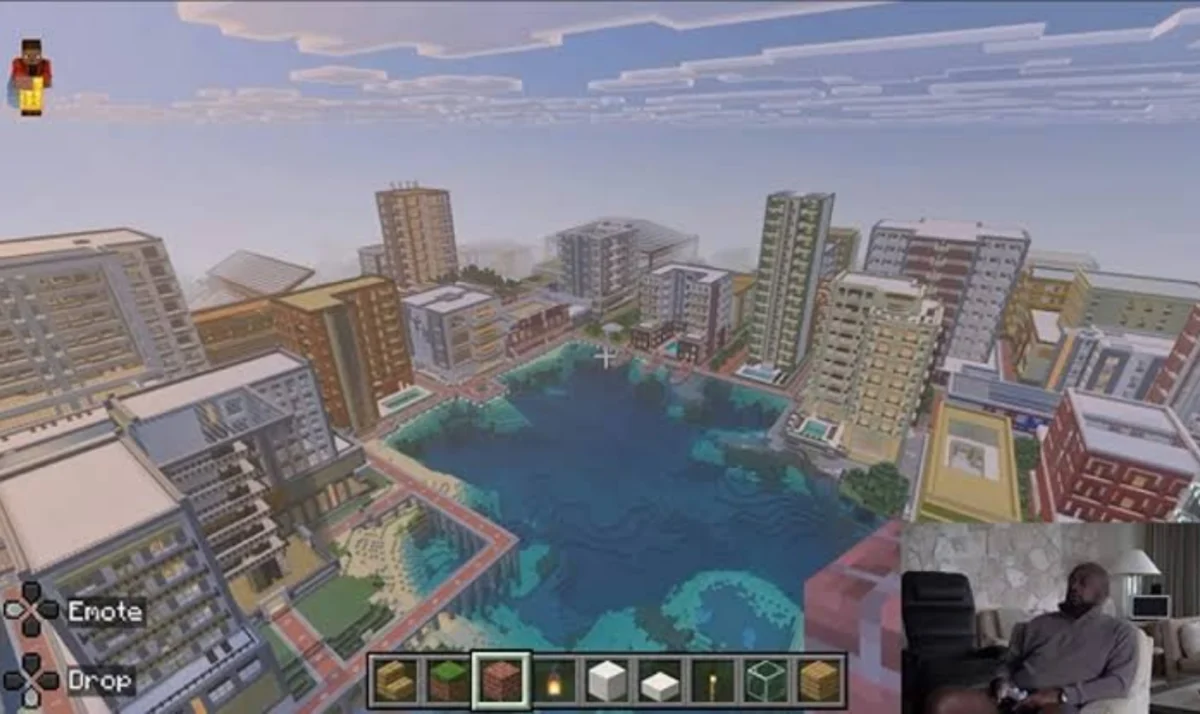
From Coach Mike Tomlin sharing his Minecraft city-building skills on a dedicated YouTube channel to Sam and Colby launching their "XPLR Club" for a more cinematic experience, the professionalization of creators is accelerating. Fans no longer want just "content"; they want depth, lore, and high-production-value environments. The creators who succeed in the next five years will be those who can bridge the gap between casual personality-based videos and professional, cinematic storytelling.
Conclusion: Navigating the New Normal
As we look at the week’s events, one theme remains constant: the internet is no longer a "side" activity—it is the central engine of culture and commerce. Whether it is a 96-year-old billionaire finding entertainment in niche YouTube commercials, or a college-aged baker rising to national fame via online tutorials, the platform has become the universal infrastructure for human expression.
However, the proliferation of AI-generated content and the escalation of corporate platform feuds remind us that this landscape is fragile. As users, we must remain vigilant about what is human-made and what is algorithmic artifice. As creators, the pressure to produce, monetize, and navigate shifting platform policies has never been higher. The industry is currently in a state of rapid, sometimes chaotic, growth—and if this week is any indication, the only thing we can expect is more disruption on the horizon.

