


In the crowded landscape of the modern gaming industry, where triple-A titles often require hundreds of millions of dollars and half a decade of development, a quiet revolution is taking place. The latest beneficiary of this shift is Meccha Chameleon, a deceptively simple, low-cost hide-and-seek title that has achieved a feat typically reserved for established franchises: selling one million copies in just 96 hours.
Developed by the indie creator known as lemorion_1224, Meccha Chameleon has bypassed traditional marketing channels, instead finding its footing through the organic, chaotic, and highly viral nature of content creator culture. As the gaming market continues to pivot toward "friendslop"—a genre defined by low-cost, high-social-engagement multiplayer experiences—this title serves as the latest case study in how accessibility and novelty can trump graphical fidelity and scale.
The Core Concept: A Masterclass in Minimalist Design
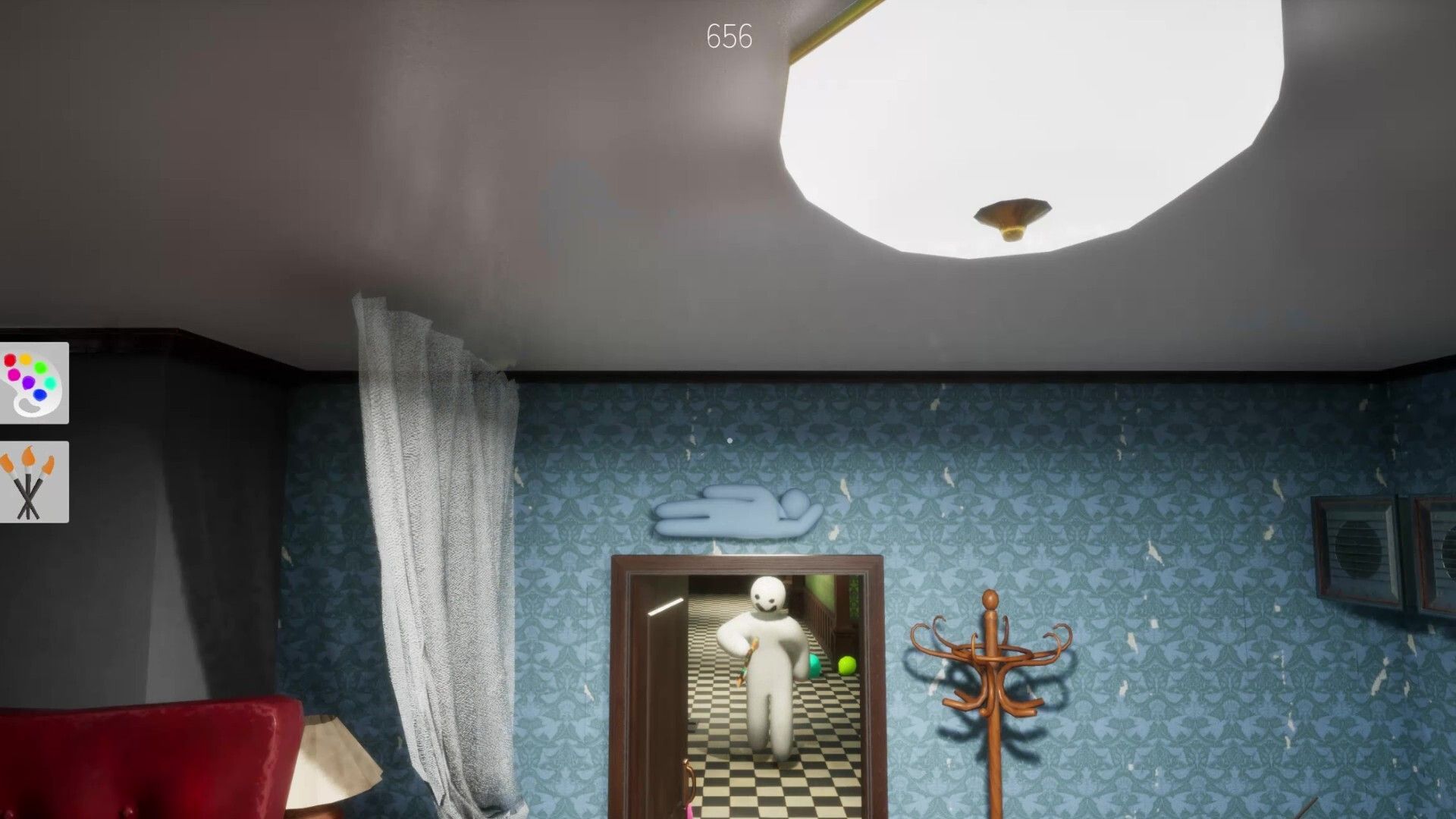
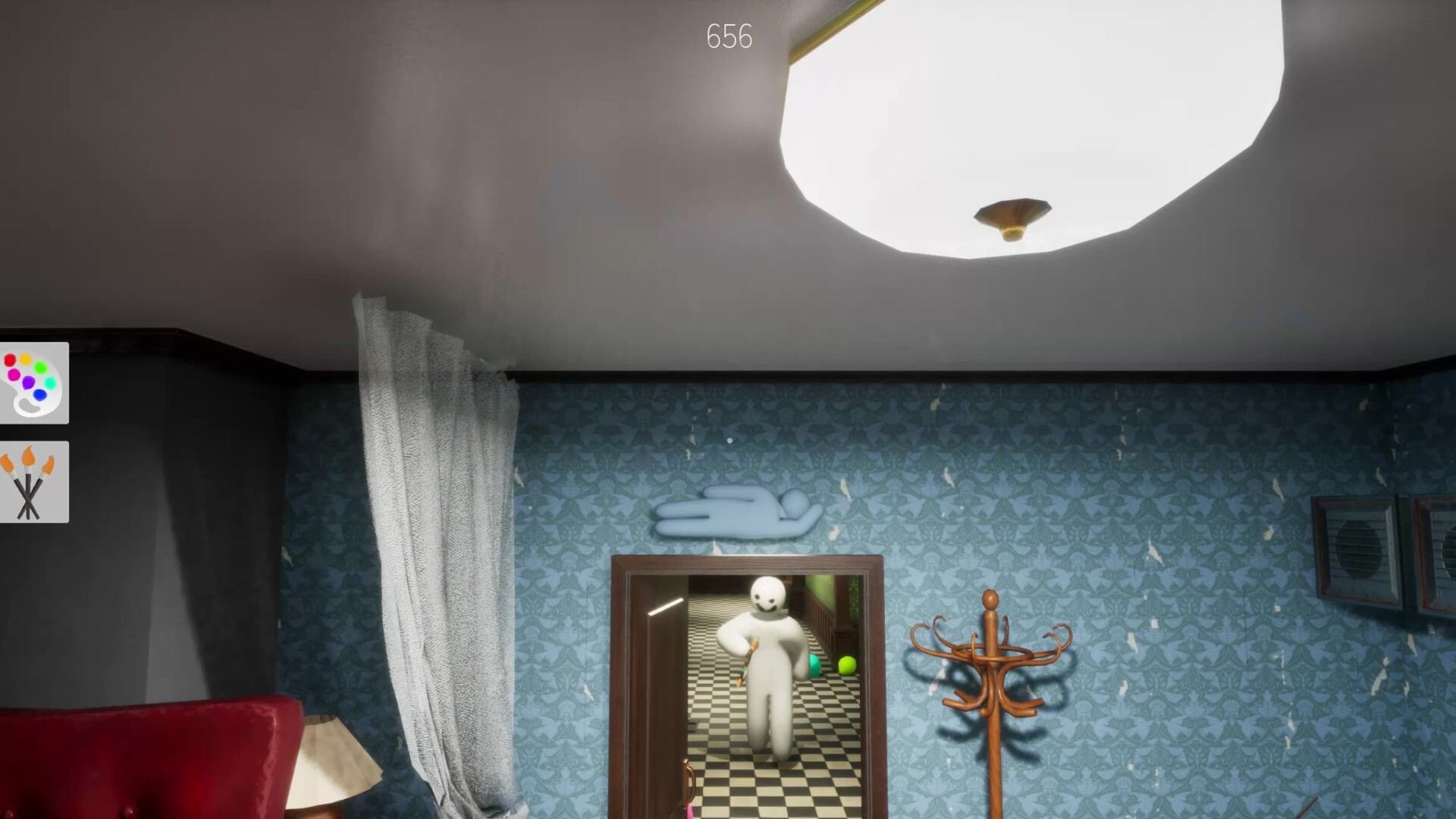
At its heart, Meccha Chameleon is an exercise in minimalist brilliance. Players assume the role of a featureless, bipedal white blob. Unlike traditional stealth games that rely on environmental props or tactical cover, Meccha Chameleon forces players to become the environment itself.
The game utilizes a real-time color-picking mechanic. Armed with a dynamic color wheel, players must paint their bodies on the fly to match the textures and hues of the surfaces they occupy. The result is a high-tension game of cat-and-mouse. When a "seeker" enters a room, the "hiders" must quickly identify the exact shade of the wall or object they are touching. The difference between survival and elimination often comes down to a matter of pixels and color theory.
The skill ceiling, surprisingly, is quite high. Players have already begun mastering advanced techniques: hiding in the shadows of signage, perfectly mimicking the brickwork of industrial settings, or timing their movements to match the sweeping gaze of seekers. It is this high-skill expression—combined with the inherent hilarity of a poorly painted blob being spotted—that has made the game a goldmine for streamers.
Chronology of the Viral Surge
The trajectory of Meccha Chameleon is nothing short of meteoric. While the game’s launch date was relatively quiet, the community response accelerated with unprecedented speed.
- Day 1: The game hits the Steam storefront with little fanfare. Within hours, early adopters begin uploading clips to social media, highlighting the game’s unique blending mechanic.
- Day 2: The "streaming effect" takes hold. As prominent YouTubers and Twitch streamers identify the game’s potential for high-energy, relatable content, concurrent player counts begin to climb exponentially. The game’s requirement—a playful, perhaps unenforceable request for streamers to include the game’s title in their stream tags—becomes a self-fulfilling prophecy for discoverability.
- Day 3: The game enters the "Top Sellers" list on Steam. The barrier to entry, a price point hovering around $5, makes it an impulse buy for millions of users looking for a weekend distraction.
- Day 4: The developer confirms the one-million-copy milestone via a brief, humble Steam community update. The community, initially skeptical of such a simple concept, rallies behind the developer, cementing the game’s status as a bona fide indie hit.
Supporting Data and Economic Context
The success of Meccha Chameleon is not an isolated incident; it is part of a broader, well-documented shift in the Steam ecosystem. Over the past two years, titles like Lethal Company, Peak, and Mage Arena have proven that players are increasingly hungry for "social-first" games.
These games share several key characteristics:
- Low Friction: They are easy to install, easy to run on modest hardware, and require minimal onboarding time.
- Affordability: By keeping the price point low (typically between $2 and $5), developers remove the "risk" from the purchase. As noted in recent gaming discourse, at this price point, a game is effectively an impulse commodity, often costing less than a coffee or a quick snack.
- Community Interactivity: By supporting public matches and being optimized for streaming, these games essentially market themselves. Every stream is a live commercial, and every clip shared on social media acts as a word-of-mouth endorsement.
The economic model is compelling. If Meccha Chameleon retails at approximately $5, a million copies represent roughly $5 million in gross revenue. While platform fees and taxes will take a significant cut, the overhead for a game of this scope is remarkably low compared to larger productions, resulting in a healthy margin for the solo developer.
The Developer’s Response
The creator, lemorion_1224, has maintained a professional yet understated presence throughout this whirlwind. In the official announcement, the developer opted for brevity: "Thank you so much for playing!"
This lack of hyperbole has resonated well with the player base. In an era where many developers are criticized for over-promising and under-delivering, the "short and sweet" approach—focusing entirely on gratitude and the community—has helped build significant goodwill. The developer appears to be leaning into the game’s role as a spectator sport, providing tools and guidelines that ensure the game remains "streamer-friendly." This strategic alignment with the gaming influencer economy has likely been the primary catalyst for its rapid adoption.
Implications for the Industry
The success of Meccha Chameleon sends a clear signal to the industry: players are tired of the bloat. When high-budget titles are delayed, riddled with technical issues, or designed as "live services" that demand hundreds of hours of commitment, there is a vacuum in the market for "disposable fun."
1. The Death of the "Slow Burn"
Traditionally, games were expected to grow their audience over months or years. Meccha Chameleon proves that a game can reach its total addressable market in under a week if it captures the zeitgeist of the content creator community.
2. The Rise of "Friendslop"
The term "friendslop"—a derogatory yet descriptive term for low-budget, multiplayer-focused indie games—is being reclaimed. What critics once dismissed as "slop" is now being viewed as a vital part of the gaming ecosystem. These games provide a platform for social connection that is often missing from the hyper-competitive, high-stress environments of larger online titles.
3. The Power of the Color Wheel (and Simple Mechanics)
Innovation does not always mean adding more features. Meccha Chameleon demonstrates that taking a single, well-executed mechanic and polishing it to perfection can be just as impactful as building an open-world simulation. The ability to manipulate one’s appearance to blend into a 3D space is a foundational mechanic that is easy to understand but difficult to master—a hallmark of great game design.
Conclusion
As Meccha Chameleon continues to evolve, the industry will undoubtedly be watching. Will it be a flash in the pan, or will it join the ranks of long-standing indie classics that maintain a steady player base for years? Regardless of its long-term longevity, its immediate success is a testament to the power of simplicity.
In a world where players are inundated with complex, resource-heavy titles, the humble, blobby, color-changing protagonist of Meccha Chameleon offers something refreshing: a chance to hide in plain sight, have a laugh with friends, and participate in a global gaming phenomenon for the price of a cup of coffee. The "Chameleon Effect" is real, and it has set a new benchmark for what independent developers can achieve when they prioritize fun, accessibility, and community above all else.

