

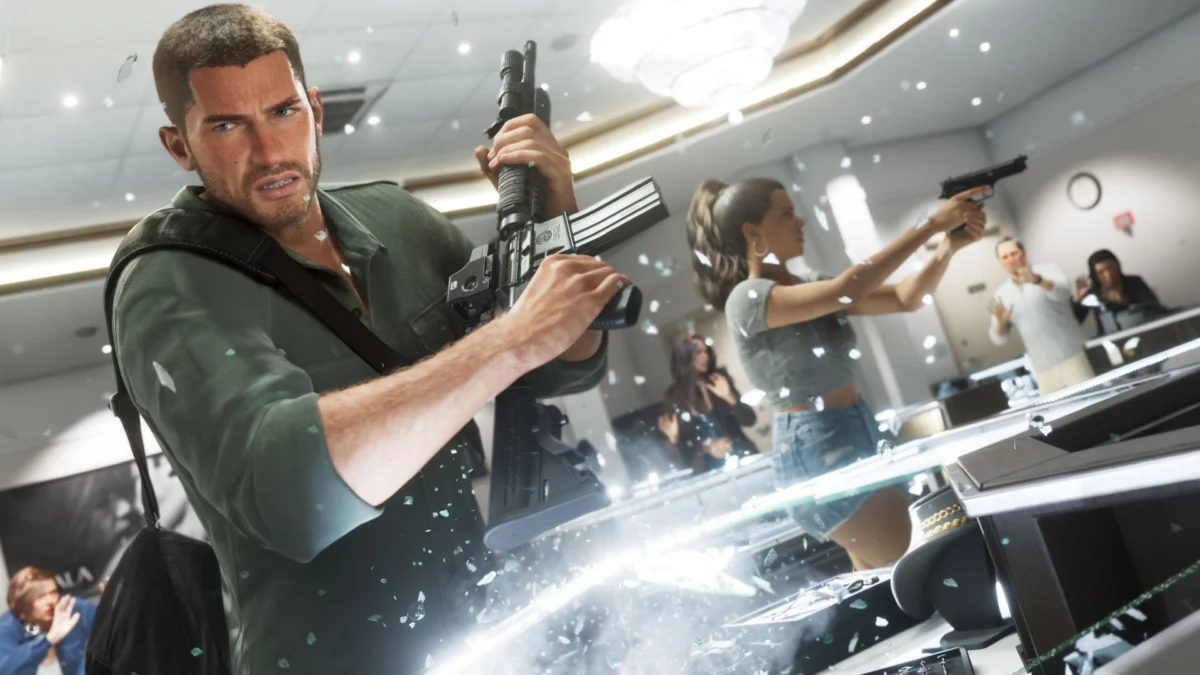
As the gaming industry braces for the monumental release of Grand Theft Auto 6, the shadow cast by its predecessor’s financial success and the legendary status of its ancestors has never been more prominent. Rockstar Games, once an edgy, boutique-style developer, has ballooned into a multinational titan. In the modern era, where AAA production budgets routinely exceed the GDP of small nations, it is easy to forget that the foundations of this empire were built on a much more modest—and significantly more agile—financial footing.
The current discourse within the gaming community, sparked by industry veterans like Del Walker of Naughty Dog and Respawn, highlights a jarring reality: the chasm between the development costs of the mid-2000s and the astronomical stakes of the 2020s.
The Humble Origins: A $10 Million Masterpiece
In the early 2000s, Grand Theft Auto: San Andreas was a cultural phenomenon. Released in October 2004, it redefined open-world gaming. Yet, according to reporting from the era, the entire game was produced on a budget of less than $10 million. When adjusted for inflation, that figure sits at approximately $18 million today.
This number was not an outlier; it was the industry standard for a top-tier title. Multiple sources, including The Wall Street Journal and The Ottawa Citizen, confirmed this financial scope. Then-Take-Two president Paul Eibeler famously noted that the game’s development was achieved with a "less than $10 million" price tag. By today’s standards, $10 million barely covers the marketing budget of a mid-sized indie title, let alone the creation of an entire virtual state.
Chronology of Escalation: From "Hot Coffee" to Global Dominance
To understand the current state of the industry, one must look at the trajectory Rockstar followed after the mid-2000s.
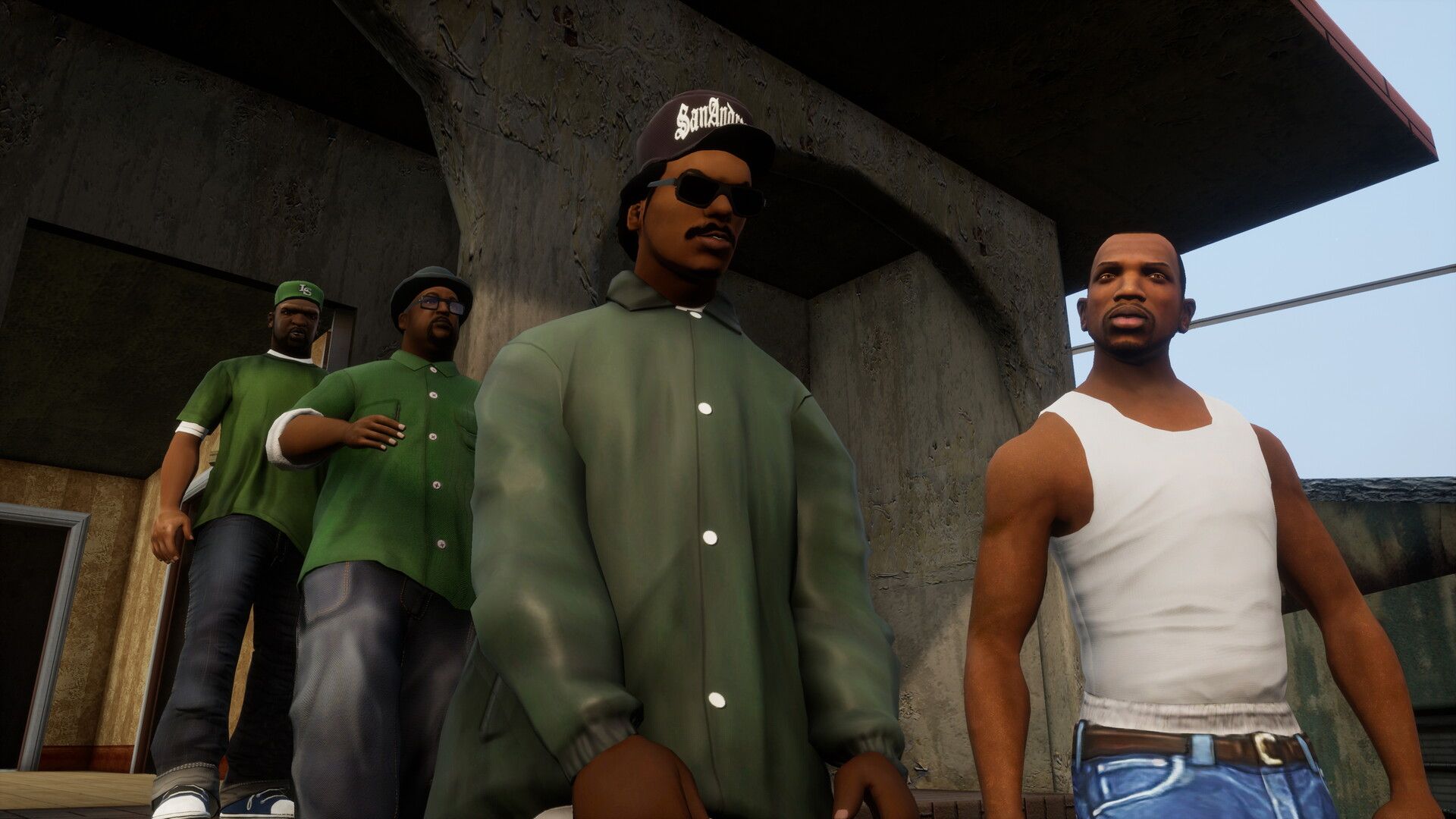
- 2004: GTA: San Andreas launches. It is developed by a relatively small team—certainly under 100 core staff members—in a matter of a few years. It sells 12 million copies in 16 months, generating roughly $600 million in gross revenue.
- 2005: The "Hot Coffee" mod controversy erupts. A hidden mini-game within San Andreas sparks a massive lawsuit from the Los Angeles city attorney. Despite the ensuing retail chaos and forced recalls, the game remains a massive commercial success, proving that notoriety often fuels sales.
- 2013: Grand Theft Auto V launches, ushering in the era of "Live Service" gaming. The shift moves from one-time unit sales to a recurring revenue model through GTA Online.
- 2025 and Beyond: The impending release of GTA 6 represents a culmination of decades of infrastructure building. Rockstar has more than doubled its headcount since Red Dead Redemption 2, utilizing a sprawling, global network of studios and outsourced partners.
The Data: The Growing Cost of "Stellar" Games
The cost of game development is not merely a matter of inflation; it is a matter of scale, fidelity, and the "arms race" of graphical performance. In 2004, a Microsoft spokesperson discussing Halo 2—which cost $40 million to develop and $80 million to market—commented that the industry was desperately looking for ways to streamline rising costs.
Two decades later, those costs have not been streamlined; they have exploded. Today, GTA 6 is expected to command a budget north of $1 billion. This is not just a sequel; it is a platform. While San Andreas was a self-contained experience, GTA 6 is designed to function as the primary hub for Rockstar’s future revenue streams.
To put this in perspective, consider the recent indie darling Clair Obscur: Expedition 33. Developed by a small French team with a budget under $10 million, the game has been hailed as a triumph of AA development. For the price of one Marvel’s Spider-Man 2, you could theoretically fund nearly 30 such games. The fact that $10 million is now considered a "modest" budget for an indie project, while it was once the budget for the biggest game on the planet, illustrates the bifurcation of the modern gaming landscape.
Implications: The "Dunking Barefoot" Phenomenon
As developer Del Walker pointed out, "Finding out San Andreas cost like $10 mil to make, and made back $600 million without DLC, multiplayer or microtransactions, is like watching someone dunk barefoot."
The implication for the industry is profound. We are seeing a "boom-and-bust" cycle where only the largest, most entrenched studios can survive a failed triple-A bet. When a studio like Rockstar releases a game, it isn’t just selling a product; it is managing a fiscal ecosystem that must support thousands of employees and satisfy shareholders who expect year-over-year growth.

This pressure has led to the current industry trend of massive layoffs. When a $200 million+ game fails to meet, or merely meets, expectations, the financial fallout is catastrophic. Smaller companies, seeing the unsustainable nature of this "AAA or bust" model, are increasingly looking toward the $10 million-budget model as a safer, more sustainable way to produce high-quality art without the crushing weight of billion-dollar overheads.
The Future of Rockstar and the Industry
Rockstar Games remains the exception to the rule. Their ability to command the market is unrivaled, allowing them to set the new price ceiling for gaming. With GTA 6 potentially costing $80 for the base version and $100 for the Ultimate Edition, the company is testing the elasticity of consumer wallets.
The controversy surrounding San Andreas in 2006 serves as a historical mirror to the present. Just as retailers pulled the game from shelves, leading to a frenzy of demand, the intense marketing and anticipation for GTA 6 suggest that despite the massive costs, the financial returns will likely be historic.
However, the question remains: is this model sustainable for the rest of the industry? The Microsoft spokesperson from 2004 was right to be concerned about rising costs. While the industry has found ways to "monetize" through microtransactions and live services, the underlying development costs have reached a point where only a handful of publishers can afford to play the game.
Conclusion: The Cost of Ambition
The story of Grand Theft Auto is the story of the video game industry itself. It began as an ambitious, scrappy venture fueled by creativity and limited resources, and it has evolved into a monolithic industry that demands billion-dollar bets to satisfy the market’s hunger for unprecedented scale.
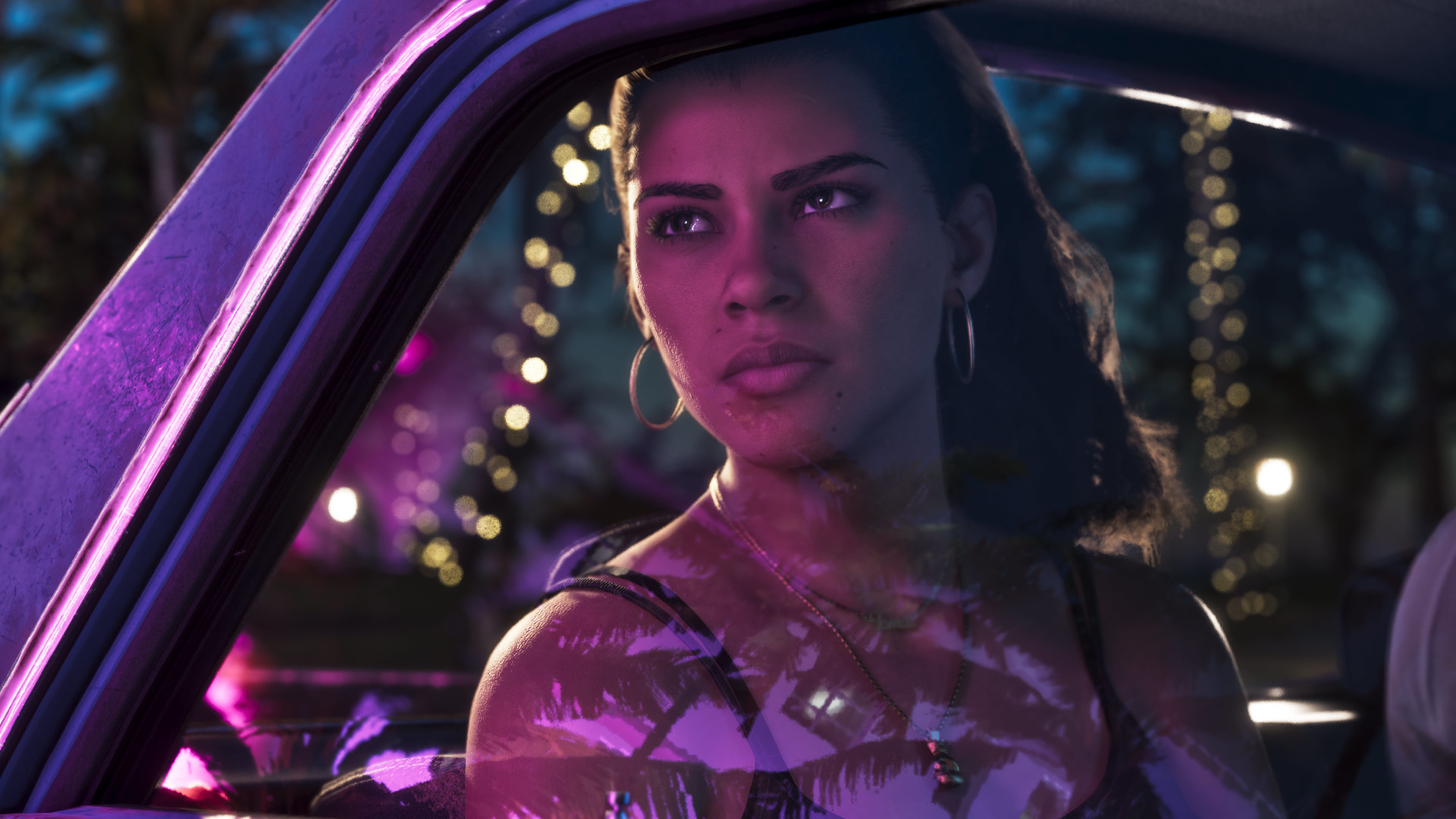
While we look forward to the release of GTA 6, we should also reflect on the lessons of the past. The $10 million budget of San Andreas reminds us that excellence is not always a byproduct of massive expenditure. As the industry reckons with its own growth and the fallout of its most expensive failures, the "dunking barefoot" days of the early 2000s look less like a primitive past and more like a potential blueprint for a more sustainable, creative future.
The industry is currently in a state of recalibration. Whether the "Rockstar model" remains the only viable path or if a new era of mid-budget, high-impact gaming emerges, the legacy of the original San Andreas continues to challenge our understanding of value, success, and the true cost of making a legend.

