

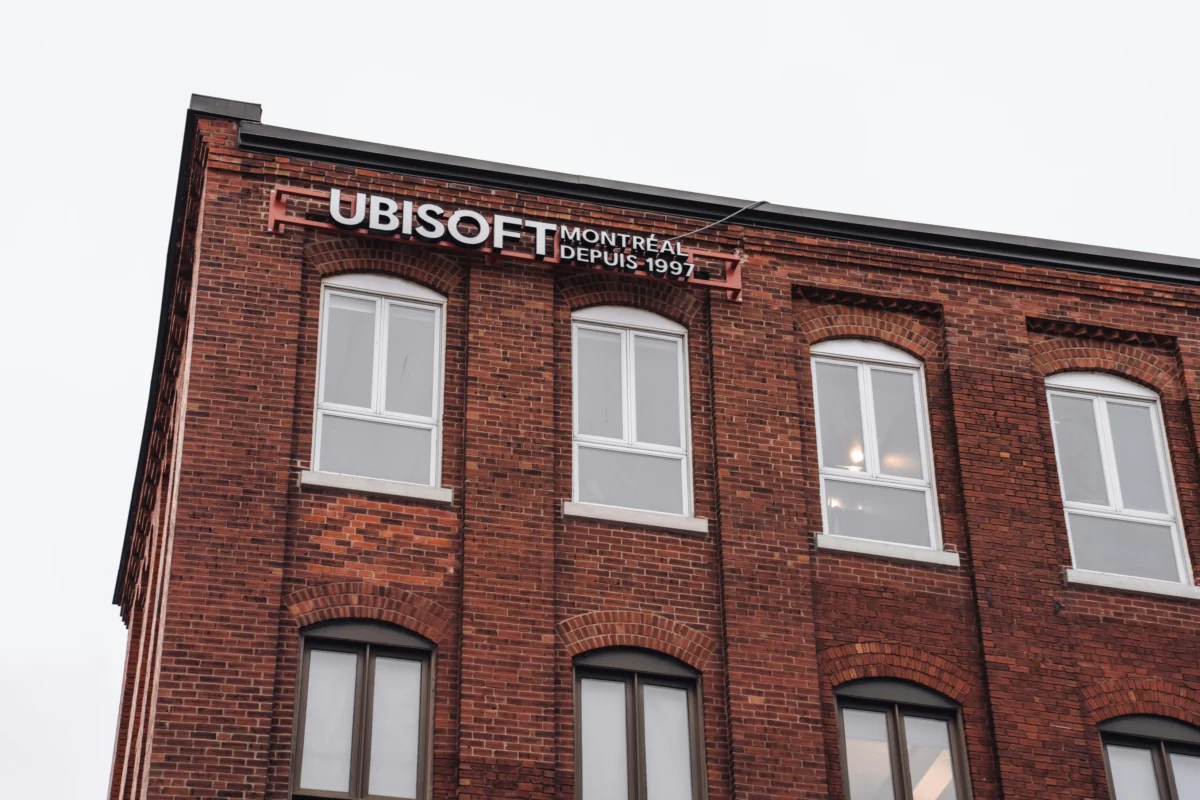
The landscape of the global gaming industry is currently undergoing a seismic shift, not only in the games being developed but in the fundamental relationship between management and the workforce. At the heart of this tension is the Ubisoft Montreal studio, where employees represented by the Ubisoft Workers of Montreal (UWM) union have launched a concerted petition to preserve hybrid work arrangements. This latest move marks a significant escalation in the ongoing friction between the leadership of the French gaming giant and a workforce increasingly wary of top-down mandates that threaten their work-life balance.
The Core Conflict: A Push for Flexibility
As of September 30, the Ubisoft Workers of Montreal union began circulating a petition that has already garnered more than 300 signatures. This campaign is a direct response to the company’s decision to move away from flexible working models, insisting instead on a mandatory return-to-office (RTO) structure.
The petition, which has been bolstered by significant in-person organizing efforts during break hours, underscores a growing divide. While management frames the return to the office as a strategic necessity for "creative synergy," the employees involved in the collective action view it as an erosion of hard-won flexibility that supports diverse needs—ranging from childcare and eldercare to accommodating employees with disabilities and those who have built their lives outside the immediate commute radius of the studio.
Chronology of a Growing Discontent
To understand the current impasse, one must look at the progression of Ubisoft’s restructuring efforts over the past year.
- Early 2024: Ubisoft initiated a sweeping restructuring process, rebranding internal operations into "Creative Houses." This initiative was framed as a path toward better game quality and financial stability. However, it was accompanied by significant cost-cutting measures, including project cancellations and studio closures.
- The Mandate Announcement: Simultaneously with the restructuring, Ubisoft leadership announced a transition to a full-time in-office requirement. While the policy includes a limited annual allowance for work-from-home days, it effectively signaled the end of the widespread remote work culture that had stabilized during the pandemic.
- February 2024: The mandate met immediate, vocal resistance. A three-day international strike was organized across several European Ubisoft locations. While estimates regarding the exact number of participants vary—with organizers claiming at least 1,200 staff members and the company reporting 528—the strike signaled a clear, unified message of dissatisfaction regarding both the restructuring and the RTO policy.
- September 30, 2024: The UWM union formalized its current campaign, launching the petition to preserve hybrid work. This action indicates that, despite the company’s previous attempts to frame the RTO as a settled matter, the workforce remains deeply committed to negotiating the terms of their professional lives.
The Management Perspective: "Creative Houses" and Performance
Ubisoft’s leadership has been transparent about its motivations for the return-to-office mandate. Marie-Sophie de Waubert, Senior Vice President of Studio Operations, has been a vocal proponent of the shift. In comments provided to GamesIndustry.biz, she emphasized that the company believes in-person collaboration is a critical "enabler" of creativity.
"We really want to strengthen onsite collaboration, the collective dynamic across teams," de Waubert noted. "We know that in-person collaboration and interactions are key enablers of efficiency, creativity, and collective success in this persistently selective market."
From the perspective of CFO Frederick Duguet, the policy is fundamentally a business imperative. Duguet described the mandate as a mechanism to "further boost the collective performance for AAAs." The company’s stance is that the "Creative House" model—designed to streamline production and ensure higher quality output—is most effective when teams are physically colocated. While leadership has expressed an openness to discussing the modus operandi with various regions, the core mandate of a return to the office remains non-negotiable in their eyes.
The Union’s Stance: A Question of Dignity
The United Videogame Workers Union (UVW-CWA) has stepped into the fray to support their Montreal counterparts, framing the issue as one of "dignified work and economic justice." Their position highlights that the RTO mandate is not merely a logistical annoyance, but a policy that disproportionately impacts the most vulnerable members of the workforce.
In a recent statement, the UVW-CWA articulated the human cost of these decisions: "Return to Office is one of many policies management implements without the input of workers it affects the most: parents, employees with disabilities, workers who purchased homes outside of a reasonable commute radius, workers who moved countries to maintain their job, workers who thrive in a remote environment, and many others."
The union argues that Ubisoft is attempting to enact "brutal cost-cutting measures" while simultaneously reneging on previous agreements regarding flexible work. By doing so, the union claims, the company is failing to account for the human cost of its corporate restructuring, effectively forcing long-term employees into untenable positions.
Supporting Data and Broader Implications
The situation at Ubisoft is reflective of a broader "Return-to-Office" tug-of-war playing out across the tech and entertainment sectors. Data suggests that while companies often prioritize the "spontaneous collaboration" that occurs in office hallways, the workforce is increasingly prioritizing the autonomy that remote work provides.
The Economic and Human Factors
The UWM petition highlights three critical areas where the RTO policy creates friction:
- Geographic Displacement: Many employees, during the period of flexibility, moved away from the high-cost urban centers where studios are located. A sudden return mandate creates a financial and logistical crisis for these workers.
- Inclusivity: The RTO mandate poses significant barriers for employees with disabilities, who may have found the remote environment more accessible and productive.
- Retention vs. Recruitment: By insisting on a rigid structure, the union argues that Ubisoft risks alienating its most experienced talent, potentially leading to a "brain drain" of senior staff who prioritize flexibility over traditional office requirements.
Implications for the Future of Ubisoft
As the petition continues to gain momentum, the question remains: how will Ubisoft management respond? The company is currently in a high-stakes period of attempting to "reconnect with success." Whether that success is built on the foundation of a traditional, office-centric model or a more modern, flexible one is now the subject of a direct, public debate.
The involvement of the UVW-CWA and the persistence of the Montreal union suggests that the era of unilateral decision-making in the gaming industry is being challenged. Management’s assertion that they will "discuss in due time" with employees may no longer be sufficient for a workforce that has demonstrated its ability to organize and mobilize on an international scale.
Ultimately, the Ubisoft Montreal case is a microcosm of a larger societal debate about the future of work. For the industry’s giants, the challenge will be to reconcile their desire for standardized, high-performance office environments with the reality that their most valuable assets—the developers, artists, and engineers—are increasingly demanding a voice in how their own professional lives are structured.
If Ubisoft ignores the voices of the 300+ signatories and the wider union support, they risk more than just a morale issue; they face a potential degradation of the very "collective success" they claim to be protecting. The next few months will be crucial in determining whether the company chooses a path of confrontation or one of genuine, inclusive dialogue.

