

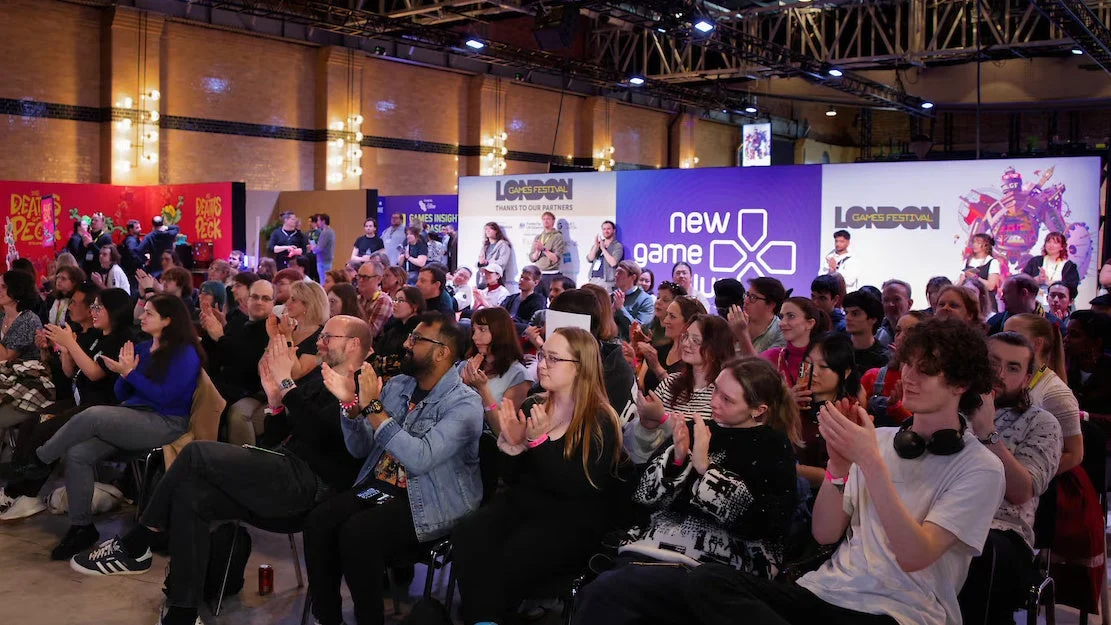
The landscape of the United Kingdom’s video game industry is set for a significant transformation in 2027. Games London, the body responsible for the city’s premier gaming celebration, has officially announced that the London Games Festival (LGF) will undergo a major operational restructuring. In a move designed to centralize the event’s professional programming, the festival will transition its primary activities to the iconic Business Design Centre (BDC) in Islington.
This strategic shift marks a departure from the decentralized model of previous years, aiming to streamline the experience for international delegates and local industry professionals alike. While the festival will retain its footprint across various cultural landmarks in the capital, the consolidation of its B2B and major exhibition components signals a new era of growth for one of the world’s most influential gaming events.
The Core Shift: Centralizing Professional Excellence
For the 2027 edition, scheduled to run from April 12 to April 19, the Business Design Centre will serve as the heart of the London Games Festival. Between April 15 and April 17, this historic venue will host the festival’s most critical industry-facing initiatives.
The move is designed to address the challenges of navigation and logistical friction inherent in previous iterations, which saw events spread thinly across multiple zones. By bringing the "New Game Plus" public showcase, the prestigious B2B Games Finance Market, and a comprehensive suite of industry conferences and networking sessions under one roof, organizers are prioritizing accessibility.
The Business Design Centre is not merely a convenient choice; it is a location steeped in the history of British gaming. As Michael French, Director of London Games Festival, noted, the venue was home to the very first UK video game trade shows nearly four decades ago. By returning to this site, Games London is bridging the gap between the industry’s formative years and its current status as a global powerhouse.
A Balanced Approach: Maintaining Cultural Prestige
While the BDC will host the professional core, the London Games Festival remains committed to its broader cultural identity. The 2027 programme is structured to ensure that the "festival" aspect—the celebration of games as art—remains vibrant and distributed across the city.
Key highlights of the 2027 calendar include:
- The BAFTA Game Awards: Returning to the historic Queen Elizabeth Hall at Southbank, maintaining the ceremony’s status as a premier red-carpet event for the industry.
- The V&A Friday Late: A specialized, games-focused evening event hosted at the Victoria & Albert Museum, continuing the tradition of integrating gaming with London’s world-class museum sector.
- Ensemble and Screen Play: These critical exhibitions, which focus on diversity in the industry and the intersection of gaming and film/TV, will be hosted at external partner venues to ensure they receive the dedicated space and focus they require.
This hybrid approach—centralizing the business engine while distributing the cultural heart—aims to keep the city of London itself as the primary exhibit, ensuring that attendees are encouraged to engage with the capital’s creative ecosystem.
Supporting Data: The Momentum Behind the Move
The decision to consolidate operations at the BDC is supported by a decade of consistent, robust growth. The 2024 iteration of the festival provided a compelling case for expansion, with data revealing a diverse and international audience.
Last year, the festival hosted 30 distinct events across the city, attracting an impressive crowd of over 100,000 visitors. The demographic breakdown underscores the festival’s global importance:
- International Reach: 15% of attendees traveled from abroad, representing 61 different countries.
- National Integration: While 36% of attendees originated from Greater London, nearly half (49%) traveled from across the rest of the United Kingdom, proving the festival’s status as a national anchor event.
- B2B Strength: With over 8,000 B2B delegates in attendance, the economic impact of the festival is substantial, positioning the Games Finance Market as a critical point of entry for developers seeking funding and international distribution.
By moving to the BDC, Games London intends to provide a more scalable environment that can accommodate this rising tide of interest, allowing for larger floor plans and more efficient networking infrastructure.
Official Responses and Strategic Vision
The announcement has been met with enthusiasm from city officials, who view the festival as a linchpin of London’s creative economy.
Justine Simons, Deputy Mayor for Culture and the Creative Industries, highlighted the festival’s role in reinforcing London’s status as a global gaming capital. "London is one of the world’s leading cities for games makers," Simons stated. "The move to the Business Design Centre reflects this success, allowing the festival to expand even further and welcome more visitors. It is another important step in cementing London’s position as a global gaming capital, as we continue to build a better London for everyone."
Michael French echoed this sentiment, emphasizing that the change is about evolution rather than abandonment. "We’re excited to be taking a bigger combined suite of events to one single venue next year, making key parts of the festival easier to access and enabling them to grow—while also maintaining a spread of fantastic cultural events across the capital," French explained.
Future Outlook: Preparing for 2027
As the industry looks toward the spring of 2027, the focus shifts to the preparatory phases. The London Games Festival has confirmed that the "Official Selection"—a curated showcase of the best in independent and AAA gaming—will return. This programme remains a highlight for both in-person attendees and the global online audience, ensuring that those who cannot travel to London are still able to engage with the showcased titles.
For developers and studios, the clock is already ticking. Games London has confirmed that in October of this year, the portal will open for:
- Games Finance Market applications: The primary pipeline for securing investment.
- Official Selection submissions: The prestigious showcase for high-quality, innovative gaming experiences.
- Ensemble 2027: The ongoing effort to spotlight underrepresented talent and diverse voices within the industry.
- Speaker Calls: A search for industry thought leaders to headline the new, expanded conference programme at the BDC.
Implications for the Industry
The move to the Business Design Centre carries profound implications for the UK gaming industry. By concentrating the professional programme, Games London is signaling a desire to elevate the quality of deal-making and networking. In a post-pandemic world where in-person interaction is valued for its scarcity and impact, the ability to facilitate high-level meetings in a consolidated, world-class facility is a competitive advantage.
Furthermore, the integration of these events into a single, iconic site helps to build a stronger "brand" for the festival. International visitors often face decision fatigue when events are scattered across a city; by offering a "home base" at the BDC, the festival becomes easier to pitch to overseas investors and developers who may be hesitant to navigate a city-wide sprawl.
However, the challenge for organizers will be to ensure that this centralization does not lose the intimate, "London-centric" feel that made the festival unique. By keeping events like the V&A Late and the BAFTA awards in their traditional, prestigious locations, the team appears to have struck a delicate balance.
As the London Games Festival enters this new chapter, it serves as a microcosm of the broader industry: a sector that is increasingly professionalized, globalized, and ambitious, yet deeply protective of the cultural creativity that makes gaming a vital art form. The 2027 edition will be the ultimate test of whether this new, centralized model can bridge the gap between the boardroom and the living room, securing London’s position at the vanguard of the global digital economy.

