

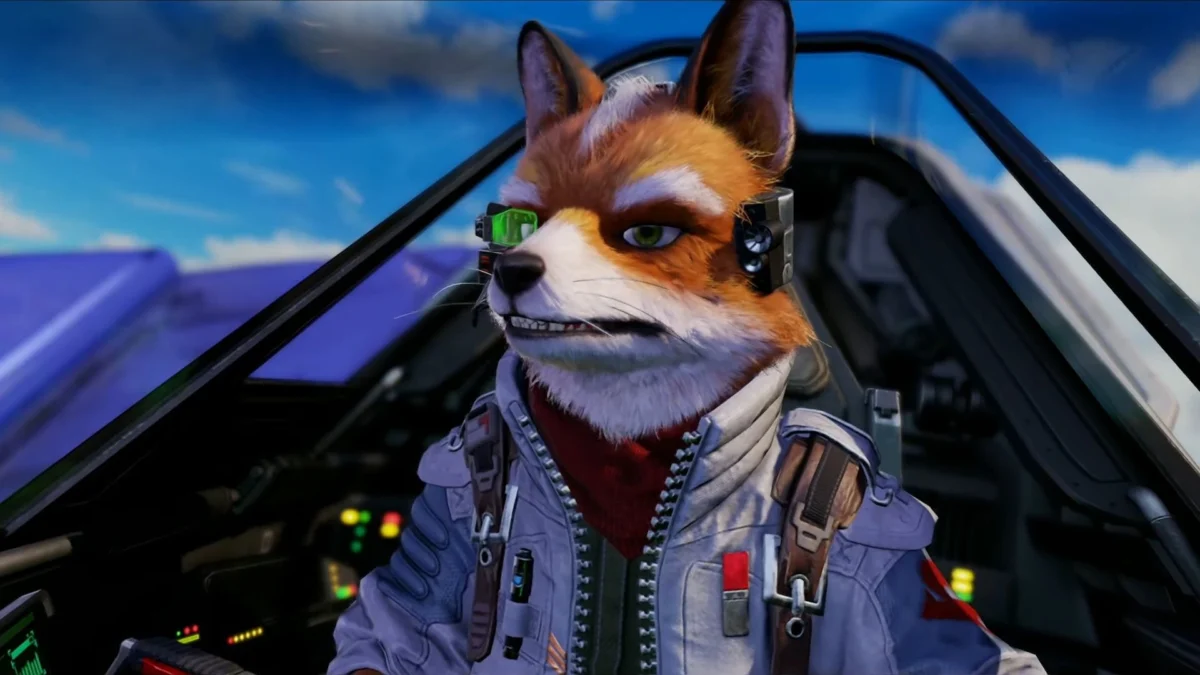
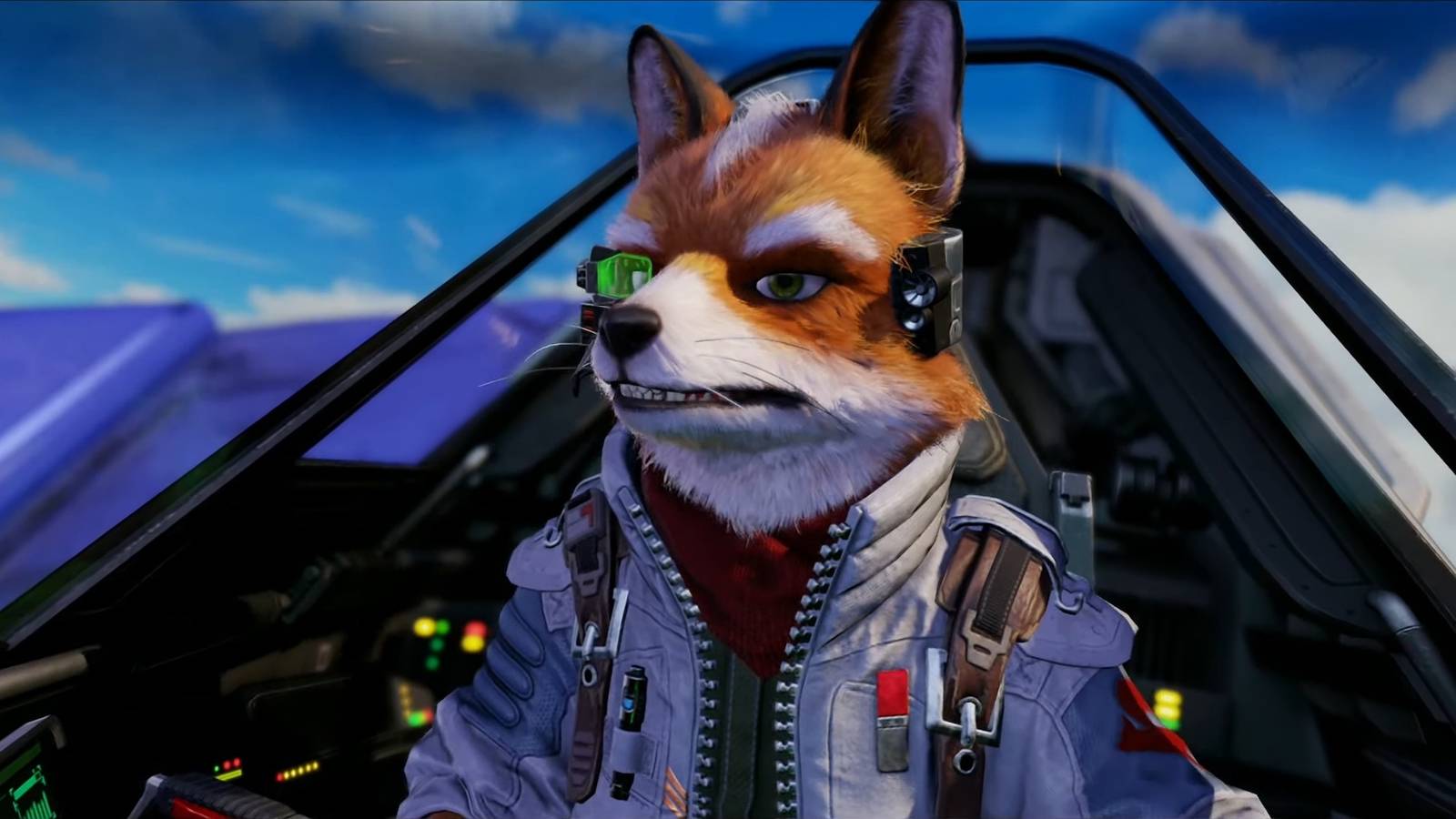
For decades, Fox McCloud has remained one of Nintendo’s most recognizable faces, a mascot whose silhouette is as iconic as Mario’s cap or Link’s tunic. Yet, despite his status as a mainstay in the Super Smash Bros. franchise, Fox’s own series has endured a turbulent, often fractured history. With the 2026 release of Velan Studios’ Star Fox remake for the Nintendo Switch 2, the high-flying pilot has finally returned to the cockpit. However, the title arrives at a moment of reflection, forcing both long-time fans and newcomers to look back at the erratic flight path of a franchise that once defined the cutting edge of 3D gaming.
A Legacy of Innovation and Stagnation
If your primary exposure to Fox McCloud is his appearance in the 2026 Super Mario Galaxy Movie, you are not alone. While other Nintendo heavyweights like Donkey Kong or Kirby have maintained a steady stream of spin-offs, party games, and crossovers, Star Fox has historically suffered from extended periods of dormancy.
Since its inception in 1993, the series has rarely followed the rhythmic release cadence of its peers. There were no alternating handheld and console releases, no consistent annual updates, and, after 2005, the gaps between installments widened into canyons. The release of the 2026 remake marks a "muted return" to the Lylat System—a tactical, cautious step forward for a franchise that spent nearly a decade in space-bound silence.
Chronology of a Galaxy in Flux
The 16-Bit Genesis: 1993
Four years before the groundbreaking 3D visuals of Final Fantasy VII captured the public imagination, Nintendo and developer Argonaut Games—fresh off their success with the Starglider series—delivered the original Star Fox for the Super Nintendo. It was a technological marvel, utilizing the Super FX chip to render polygonal environments on a console designed for sprites. It wasn’t just a tech demo; it was a testament to the fact that classic, arcade-style shooting mechanics could thrive in a 3D space.
It was here that Shigeru Miyamoto began to weave his signature charm into the franchise, leaning into his love for Japanese puppet theater. The game’s cover art, featuring intricately crafted puppets, set a tone of whimsical tactical warfare that has persisted in the series’ DNA—a visual flair that the 2026 Switch 2 remake seems to honor with its own stylized art direction.
The Peak of the Arcade Era: 1997
Following the internal cancellation of the ambitious Star Fox 2 in 1995, Nintendo pivoted to create a definitive experience: Star Fox 64. By expanding the core mechanics of the original, Nintendo added voice acting, a branching mission structure, and a deep sense of replayability. Players weren’t just flying; they were navigating a cinematic war against the maniacal scientist Dr. Andross. The introduction of multiple routes—over two dozen paths across the Lylat System—ensured that the game remained a staple of multiplayer sessions for years.

Experimental Shifts: 2002–2006
The early 2000s marked a period of intense experimentation. Star Fox Adventures (2002), developed by Rare, stripped away the Arwing dogfights in favor of a third-person, Zelda-esque action-adventure structure. While the game was praised for its technical achievement on the GameCube, it alienated purists.
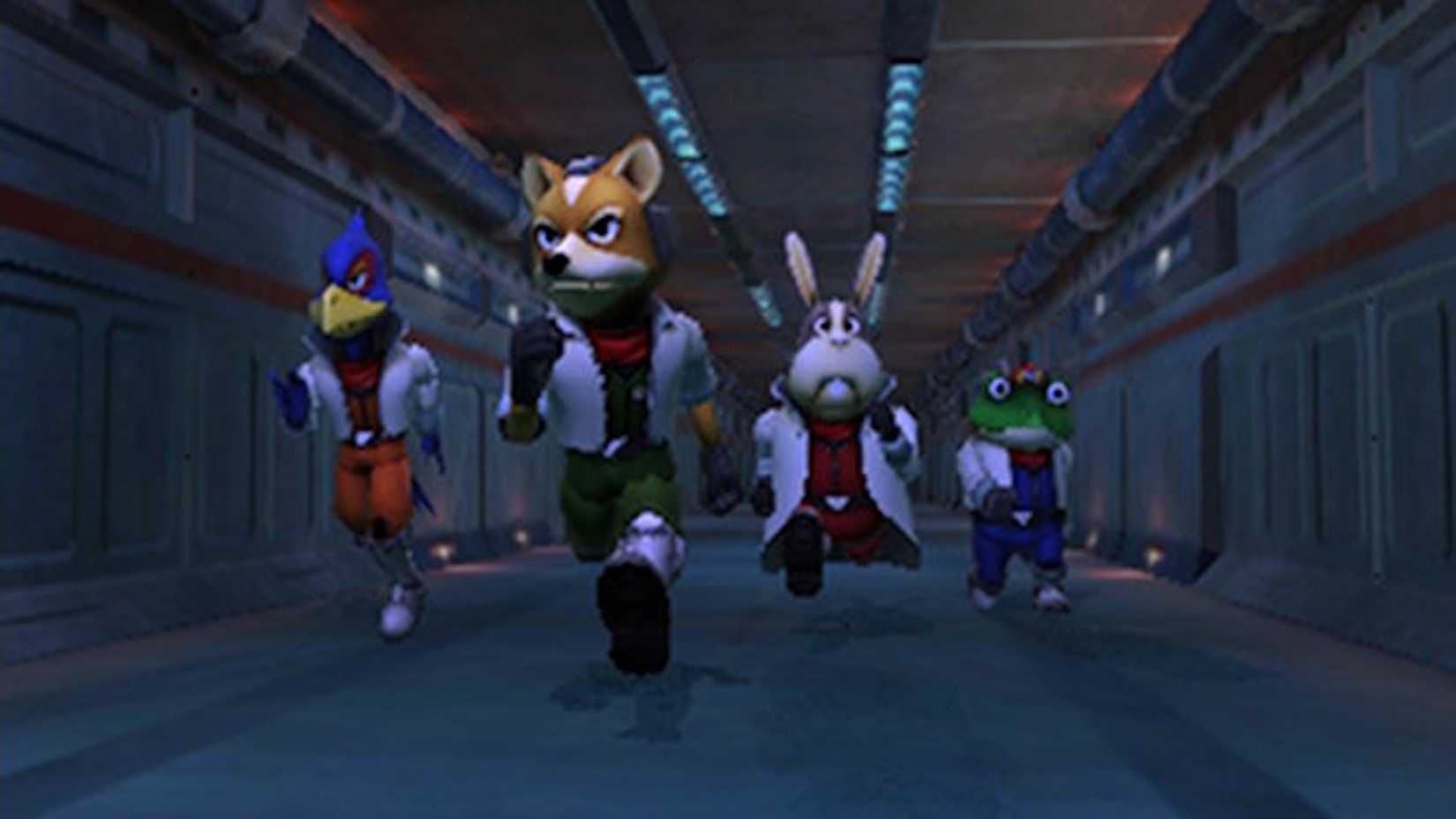
By 2005, Star Fox Assault attempted to bridge the gap, reintroducing vehicular combat while experimenting with on-foot missions. This was followed by Star Fox Command (2006) for the Nintendo DS, which introduced a strategy-based, turn-like movement system that required players to manage their fuel and pathing on a touchscreen. It was a bold departure, yet it kept the series’ core narrative—the defense of the Lylat System—intact.
The Era of Retreads and Stagnation: 2011–2017
The following decade proved difficult for the series. Star Fox 64 3D served as a safe, if uninspired, port for the Nintendo 3DS. In 2016, the Wii U’s Star Fox Zero attempted to reinvigorate the series through a partnership with Platinum Games, but its reliance on dual-screen motion controls proved controversial. When Star Fox 2 finally saw an official, long-overdue release on the SNES Classic in 2017, it served as a bittersweet reminder of what could have been, highlighting mechanics like real-time enemy movement that were decades ahead of their time.
Supporting Data: Why the Franchise Struggled
The primary challenge for Star Fox has always been identity. While Mario evolves through mechanics and Zelda through world-building, Star Fox has struggled to find a hook that satisfies modern expectations.
According to internal Nintendo lore archives, the world-building was always there—buried in instruction manuals and promotional comics—but rarely highlighted. For instance, the industrial planet of "Macbeth" was initially just a level name. Now, with the 2026 remake, Nintendo is finally treating the Lylat System as a living, breathing world. The game features an expansive codex of lore, detailing the socio-economic conditions of individual planets, such as the corporate infighting between Macbeth’s CEOs that left them vulnerable to Andross’s invasion.
Official Perspectives and Industry Implications
The 2026 release of Star Fox for the Nintendo Switch 2, handled by Velan Studios, represents a strategic shift for Nintendo. By commissioning an outside developer to handle a legacy property, Nintendo is acknowledging that the series needs fresh eyes to survive.
Early reviews and community reception suggest that while the gameplay loop remains tethered to the "classic" Star Fox 64 structure, the focus on narrative expansion is the key to its future. By treating the Lylat System as a serious setting rather than just a backdrop for shooting galleries, Nintendo is creating a foundation for future sequels. The message is clear: if Star Fox is to return to the forefront of the gaming industry, it must offer more than just nostalgia.
Implications for the Future
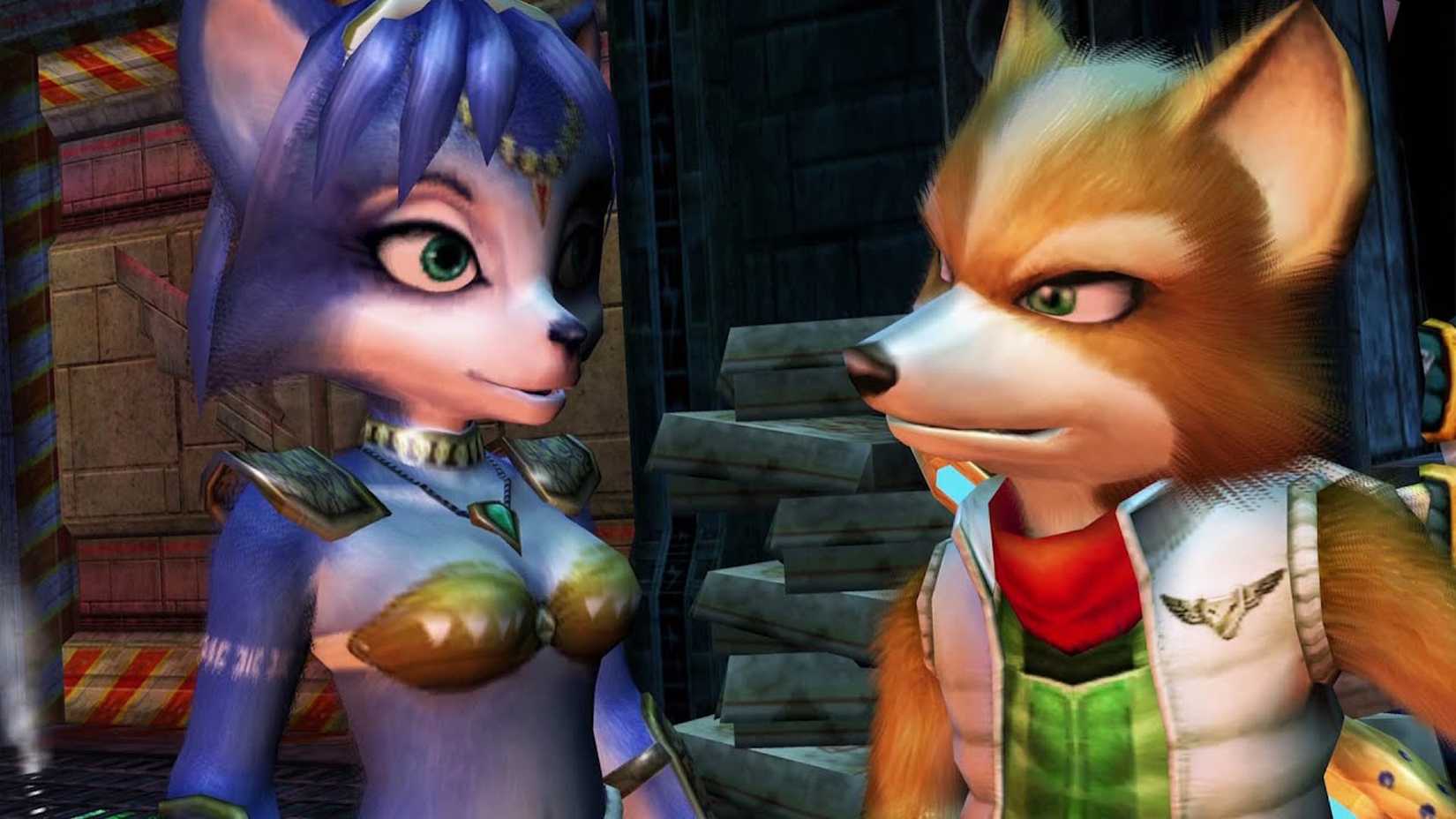
The decision to include a comprehensive lore submenu in the 2026 title is not merely an aesthetic choice; it is an organizational one. By building out the history of General Pepper, Peppy Hare, and the fallen James McCloud, Nintendo is signaling that the franchise is being prepared for a larger, more interconnected future.
For the players, this means that the "short, arcade-like" experience of the past is evolving. The modern Star Fox player expects the high-octane dogfights of the 90s, but they also crave the depth of a modern cinematic experience. If the 2026 title succeeds in balancing these two pillars, the era of stagnation may finally be coming to an end.
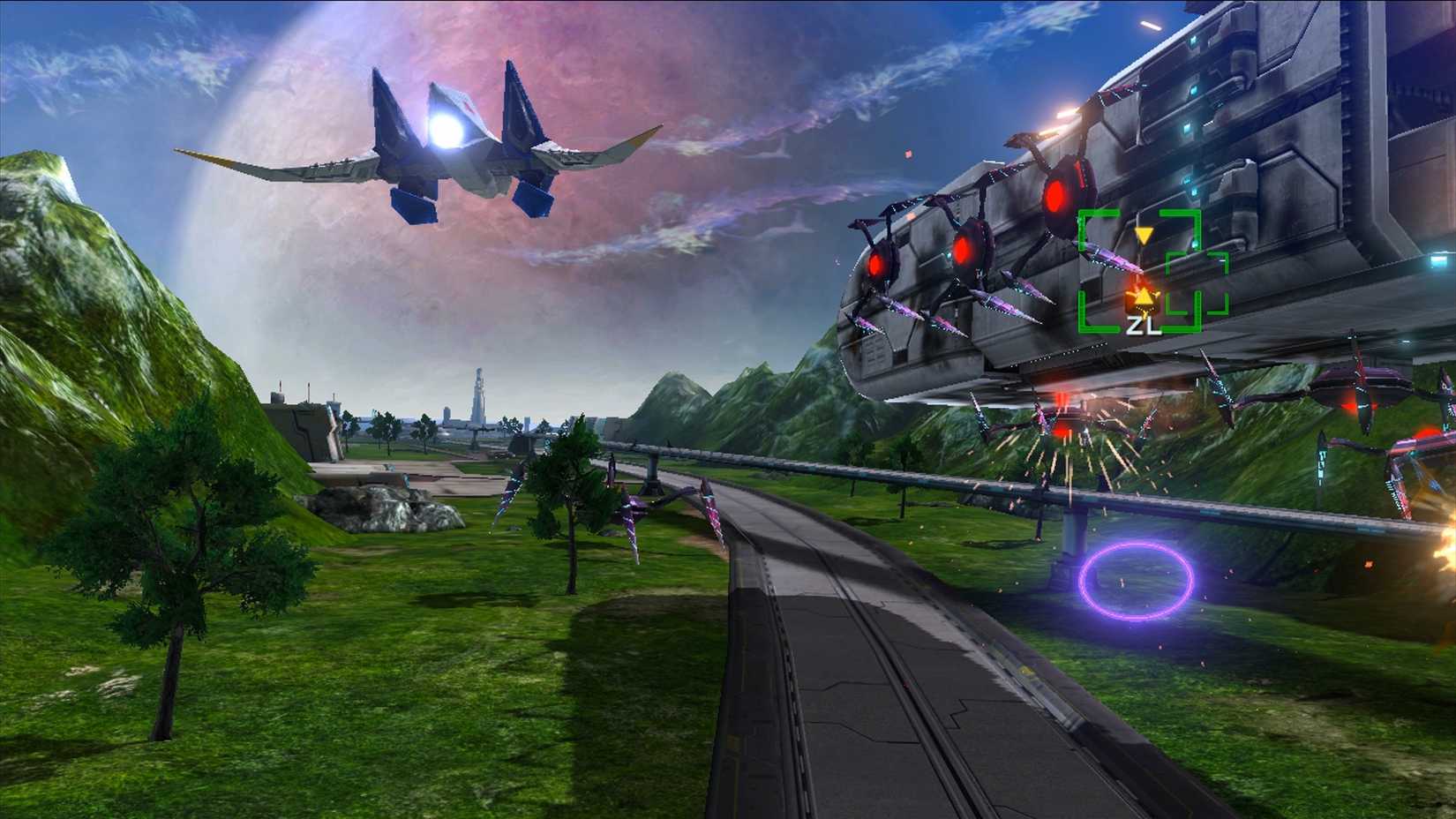
While we remain in the early days of this new release, the signs are promising. The inclusion of the "related content" and hidden lore entries suggests that Nintendo is no longer treating Star Fox as a relic of the Super Nintendo era, but as an active, viable property. Whether or not this leads to a new golden age for the mercenary team remains to be seen, but for the first time in over a decade, the horizon looks bright for Fox McCloud. The Lylat System is vast, and after years of circling the same star, it seems Nintendo is finally ready to let the team fly into new, uncharted territory.

