

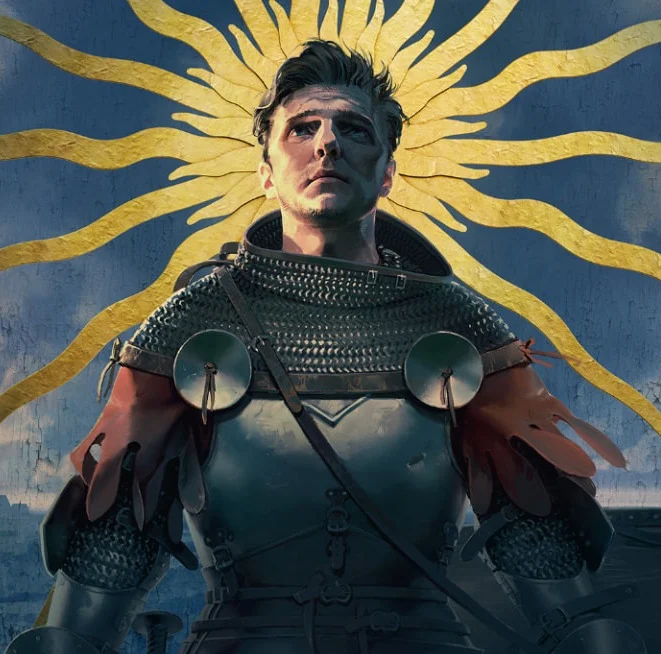
In the pantheon of modern role-playing game (RPG) development, few names carry the weight and critical pedigree of Josh Sawyer. As the design director at Obsidian Entertainment, Sawyer has been the primary architect behind some of the most influential titles of the last two decades. From the gritty, morally complex expanses of the Mojave Wasteland in Fallout: New Vegas to the high-fantasy mechanics of Pillars of Eternity and the narratively daring, historically grounded Pentiment, Sawyer has consistently demonstrated a willingness to push the boundaries of what the RPG genre can accomplish.
However, after checking off nearly every major item on his professional bucket list, the veteran developer finds himself in a unique position: he is no longer driven by a specific, singular "dream game." Instead, as he recently shared on the Human Can Opener Podcast, his priorities have shifted toward the fundamental human elements of game development.
The Evolution of a Design Visionary: A Chronological Retrospective
To understand why Sawyer feels he has "conquered" his personal creative goals, one must look at the path he has traveled. His career is a testament to persistent ambition and the eventual alignment of vision and opportunity.
- The D&D Era: Early in his career, Sawyer set his sights on the foundation of the genre: Dungeons & Dragons. He achieved this goal early, working on projects that allowed him to master the complex rule sets and systemic depth that would define his later work.
- The Fallout Milestone: The pinnacle for many fans remains Fallout: New Vegas (2010). For Sawyer, this was a project that required a decade of professional seasoning. Bringing the franchise back to its roots while infusing it with his own brand of narrative cynicism and systemic depth solidified his reputation as an auteur of the genre.
- The Historical Pivot: With Pentiment (2022), Sawyer moved away from the "chosen one" tropes of high fantasy and the post-apocalyptic survivalism of Fallout. By exploring 16th-century Bavaria, he proved that RPGs could function as deep, historical explorations of art, theology, and human failure, rather than just platforms for combat optimization.
Having realized these disparate ambitions, Sawyer now finds himself in a period of reflection. "I got to make the games that I wanted to," he remarked during his podcast appearance. "I wanted to make a D&D game—which I got to make immediately. I wanted to make a Fallout game… and then I wanted to make a historical game, and I just got to do that."
The Primacy of People: Defining Studio Culture
Perhaps the most significant takeaway from Sawyer’s recent commentary is his debunking of the "dream project" myth. In an industry often obsessed with the next blockbuster concept or the "perfect" mechanical innovation, Sawyer posits that the environment in which a game is built is far more critical than the game’s theme or genre.
The "Nightmare" Scenario
Sawyer is candid about the fragility of creative satisfaction. He suggests that the quality of a game is inextricably linked to the quality of the team producing it. "Working on a dream game in an environment that sucks—it’s never going to be fun," he stated. "Your dreams are gonna be nightmares."
This philosophy highlights a growing concern in the gaming industry regarding "crunch" culture and toxic workplace environments. For a director of Sawyer’s standing to explicitly prioritize team health and interpersonal chemistry over the specific content of a project marks a significant shift in how industry leaders are valuing sustainable development.
Synergy over Subject Matter
Conversely, Sawyer argues that even a project that might not immediately ignite a developer’s creative spark can be transformed into a masterpiece if the team dynamic is healthy and collaborative. This perspective serves as a counterpoint to the "auteur theory" often applied to game design, suggesting that great games are not merely the result of one individual’s vision, but the product of a functioning, supportive collective.
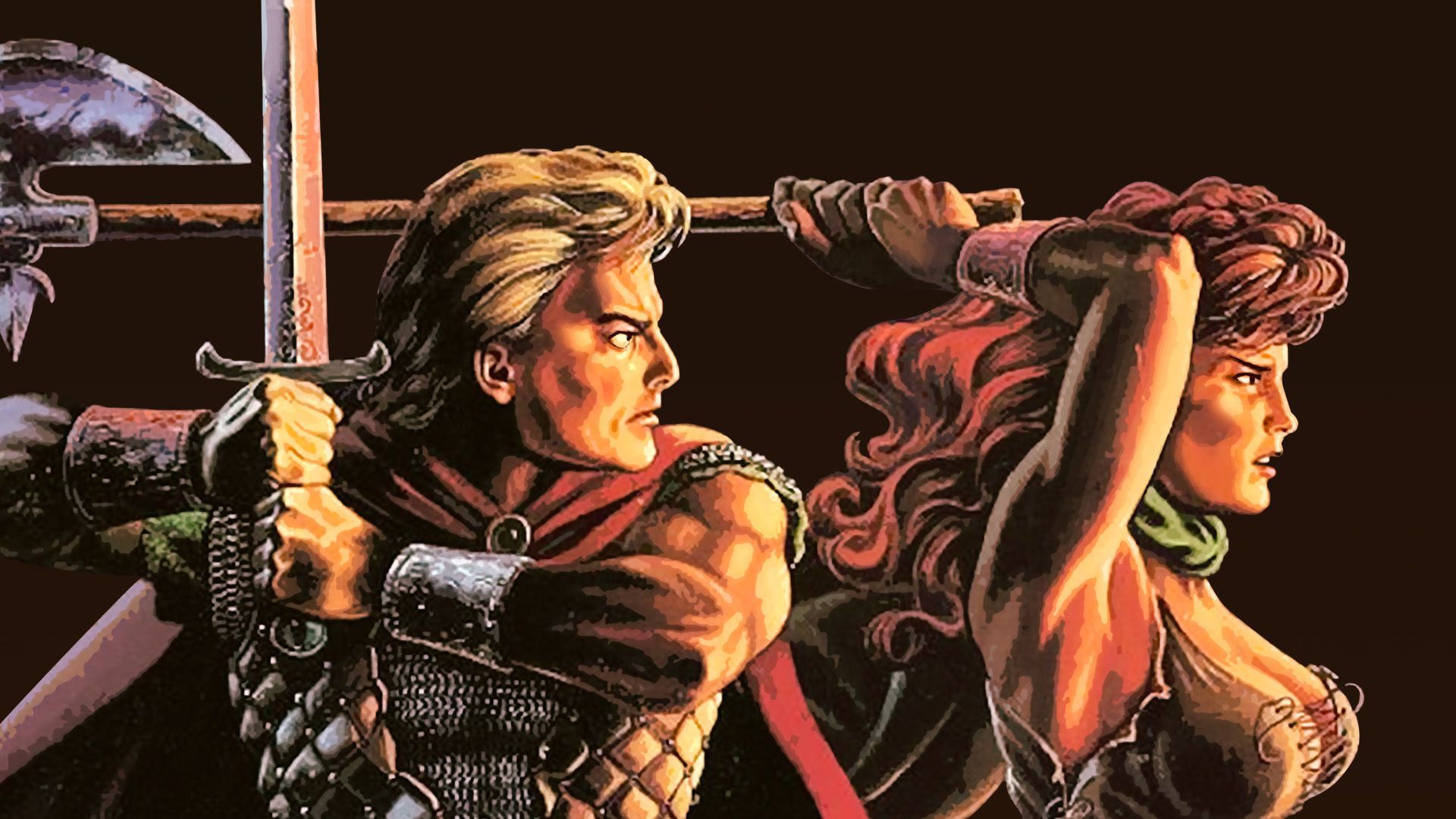
The Potential "Darklands" Spiritual Successor
While Sawyer claims he no longer carries a heavy burden of "must-make" games, he did identify one specific niche that still captures his imagination: a spiritual successor to the 1992 MicroProse classic, Darklands.
What is Darklands?
For the uninitiated, Darklands was a unique, ambitious RPG set in the Holy Roman Empire of the 15th century. It famously eschewed typical high-fantasy tropes, favoring a world where alchemy, witchcraft, and theology functioned based on the actual beliefs of the period. It was a simulation-heavy, punishing, and profoundly atmospheric experience.
Why Sawyer is the Right Candidate
Sawyer’s interest in Darklands is not a casual mention. His recent work on Pentiment and his meticulous approach to weapon and armor design—often prioritizing historical accuracy and the realities of medieval combat over aesthetic flair—suggest he is uniquely qualified to modernize the Darklands formula.
"I don’t know if there’s any market for it at all," Sawyer admitted, tempering expectations. "But yeah, if someone just wanted to throw money at me to burn, I’d probably try to make something like that."
Implications for the Future of RPGs
What does this shift in philosophy mean for the fans who eagerly anticipate each new Obsidian title?
- A Move Toward Smaller, More Personal Stories: If Sawyer’s next projects are guided by his current mindset, we can expect games that prioritize narrative depth and historical or philosophical intrigue over the "bigger is better" ethos that currently plagues the triple-A market.
- Sustainability as a Design Philosophy: By focusing on the health of his team, Sawyer is advocating for a development model that favors longevity over burnout. This may result in longer gaps between releases, but it arguably increases the likelihood of long-term success and creative consistency.
- Experimental Niche Projects: His willingness to tackle a Darklands-style game, even if it lacks mass-market appeal, indicates that Obsidian may continue to carve out space for "prestige" titles that operate in the shadow of their larger franchise works.
Conclusion: The Quiet Confidence of a Veteran
Josh Sawyer’s career path is a masterclass in professional maturation. He has successfully navigated the high-pressure world of large-scale RPG development, delivering games that have defined their respective eras. By reaching a point where he is no longer chasing a white whale, he has achieved a level of creative freedom that is rare in the software industry.
Whether or not he eventually finds the backing to pursue a Darklands successor is almost secondary to the point he is making: the true value of a game lies in the people who build it and the integrity with which it is made. As the industry continues to grapple with consolidation, layoffs, and the relentless pressure of live-service models, Sawyer’s focus on the human element of game design serves as a vital, necessary reminder.
For now, the architect is at rest, comfortable in his accomplishments, and waiting to see what—or who—will inspire his next move. One thing is certain: whatever project he chooses, it will be built on a foundation of professional mutual respect, a trait that is becoming increasingly rare in an industry that too often forgets the people behind the screen.

