

By Global Gaming Desk
Published: October 24, 2023
Main Facts
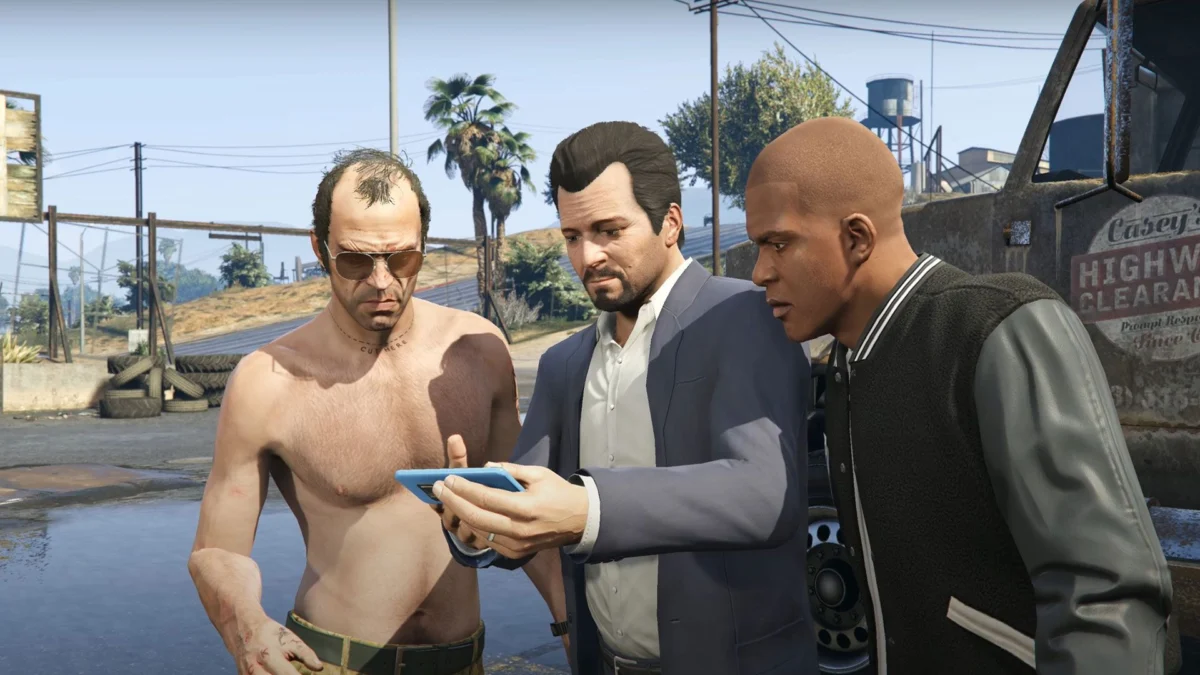
Nearly four years after stepping away from Rockstar Games—the titan of interactive entertainment he helped co-found and steer to unprecedented global cultural dominance—Dan Houser is charting a brand-new course. As the creative force behind some of the most lucrative and critically acclaimed entertainment properties in human history, including Grand Theft Auto, Red Dead Redemption, and Bully, Houser’s departure in 2020 marked the end of an era.
Today, he stands at the helm of Absurd Ventures, a transmedia studio focusing on building new intellectual properties across video games, graphic novels, audio fiction, and television. Among its early slate of projects are multiple video games—including at least one major open-world comedic adventure.
Yet, as Houser builds this new creative empire, he faces an inescapable professional gravity: the towering legacy of the franchise he helped create. In recent interviews, Houser has opened up about the bittersweet reality of being forever measured against his past achievements, the staggering pressures of modern game development, and why he deliberately isolates himself from upcoming industry juggernauts like Grand Theft Auto VI to protect the integrity of his new vision.
Chronology: From Rockstar Royalty to Independent Venture
To understand Dan Houser’s current mindset, one must trace the timeline of his departure and the foundational history that preceded it:
- 1998: Dan Houser, alongside his brother Sam Houser, Terry Donovan, and Jamie King, co-founds Rockstar Games under the umbrella of parent company Take-Two Interactive.
- 2001–2013: Houser serves as the primary writer and creative director for the Grand Theft Auto series, steering the transition from top-down 2D sprites to revolutionary 3D open worlds. Titles like GTA III, Vice City, San Andreas, and GTA V redefine modern pop culture, with GTA V going on to become the single most profitable entertainment product of all time.
- 2010–2018: Houser expands his narrative footprint by co-writing critical masterpieces such as Red Dead Redemption, Red Dead Redemption 2, L.A. Noire, and Max Payne 3.
- March 2020: Following an extended sabbatical after the grueling launch of Red Dead Redemption 2, Take-Two Interactive officially announces that Dan Houser has left Rockstar Games.
- 2021–2023: Houser founds Absurd Ventures, registering trademarks and assembling a team of industry veterans to build transmedia universes from scratch. The studio announces partnerships for graphic novels and audio series, setting the stage for fully fledged video game announcements.
- Present: Houser navigates the delicate public relations dance of promoting brand-new intellectual properties while continuously fielding questions about his past work at Rockstar and the impending release of GTA VI.
Supporting Data and Context: The Staggering Scale of Houser’s Impact
To grasp why the gaming world hangs on Houser’s every word, one must look at the quantitative legacy he left behind at Rockstar Games.
- Financial Dominance: Grand Theft Auto V has sold over 190 million copies worldwide since its initial launch in 2013, generating well over $8 billion in revenue. It remains a fixture on global sales charts more than a decade later.
- Critical Acclaimed Writing: Houser personally wrote or co-wrote the scripts for GTA III, Vice City, San Andreas, GTA IV, Red Dead Redemption, Red Dead Redemption 2, Bully, and Max Payne 3. His razor-sharp satire of American consumerism, socio-political hypocrisy, and media culture defined the tone of modern interactive storytelling.
- The Absurd Ventures Pivot: Unlike traditional game studios that rely on a single flagship title, Absurd Ventures is designed from the ground up as a multi-platform storytelling engine. By launching universes via audio fiction and comic books before adapting them into interactive software, Houser aims to mitigate the ballooning development times and financial risks that currently plague the AAA video game industry.
Official Responses and Perspectives
Speaking candidly in a deep-dive interview with Variety, Houser addressed the double-edged sword of his legendary resume. When asked if he expects to be permanently compared to the Grand Theft Auto franchise, his perspective was remarkably grounded.
"In terms of will I always be compared to it? I don’t know," Houser said. "I mean, hopefully, on some level there could be no greater compliment. On another level, I hope some of the stuff we make is going to be successful in its own right. It’s no problem to have made good things, but of course, if you make good things, if the new stuff’s not as impactful, that’s going to be disappointing in some ways. But it’s still a privilege to make anything, otherwise you’re just always drowning in your previous creative work."
Houser noted that the key to maintaining mental health and creative clarity in a post-Rockstar career is redefining success. Rather than chasing the record-breaking sales metrics of GTA, he focuses on internal artistic validation.
Reflecting on the immense pressures of his tenure at Rockstar, Houser admitted that the burden of expectation was always heavy, but manageable through strict adherence to creative integrity:
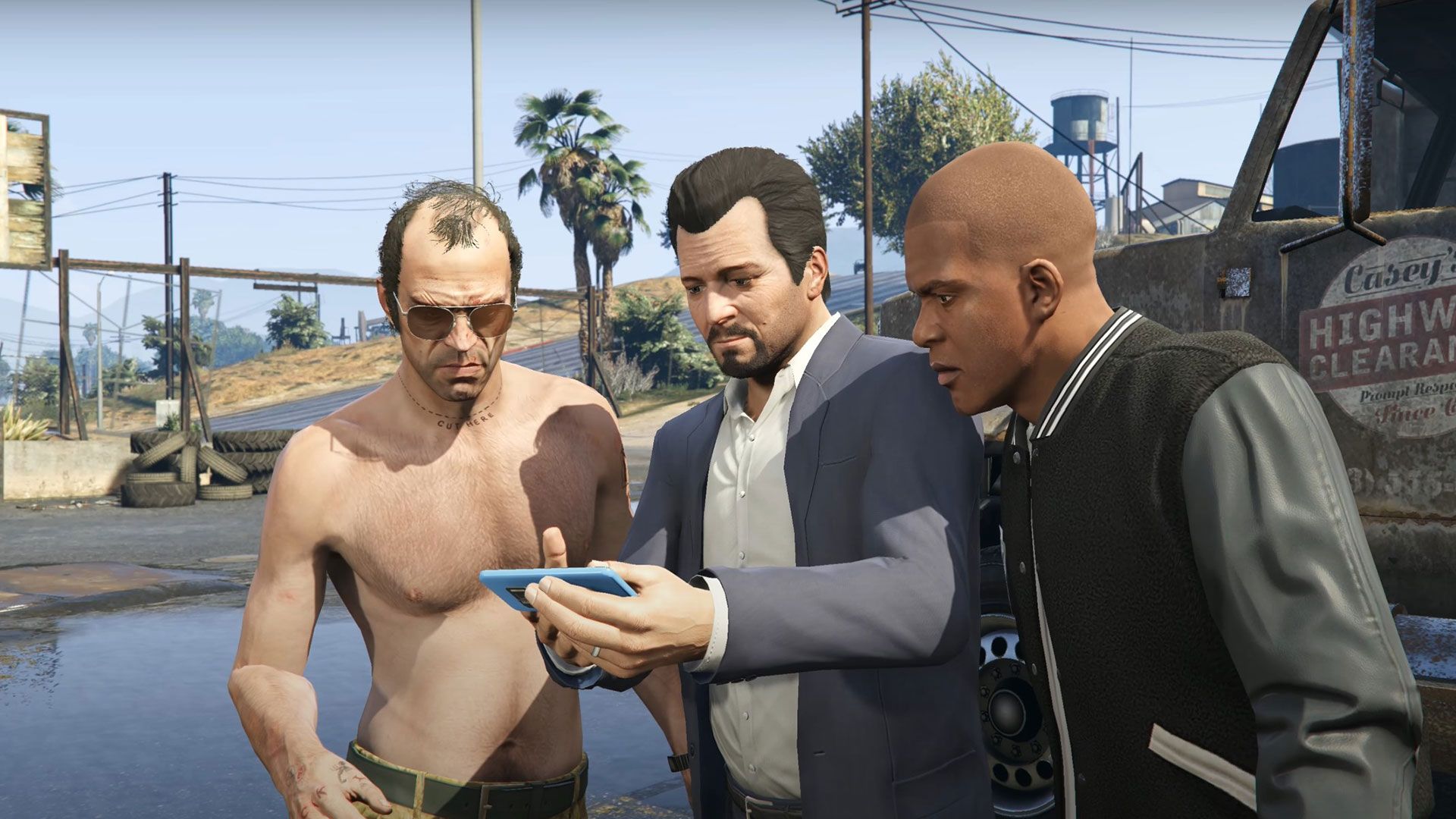
"Certainly, there was a lot of pressure making any GTA game when I was on them. We could only manage that by trying to make games with as much integrity as I can muster, and ultimately making something I can be proud of. And does it feel fresh, new? And if that’s the case, let the results fall where they may."
He added a stark warning against tying self-worth to market reception:
"We can’t sit there going, ‘If it’s not the biggest thing ever, I’m a failure.’ Because then you’ve got to process either, I’m a failure, or I’m a success—but it feels just the same. So the work is the creative work, not what the market thinks of it."
Furthermore, industry insiders have noted that Houser has deliberately distanced himself from tracking the development of GTA VI—Rockstar’s first major release since his departure—to avoid creative cross-contamination or undue psychological distraction as he shapes Absurd Ventures’ upcoming open-world comedy titles.
Implications: What Absurd Ventures Means for the Future of Interactive Storytelling
Dan Houser’s transition from an institutional AAA monolith to an independent studio founder carries profound implications for the broader video game industry.
1. The Decentralization of AAA Talent
For decades, the major blockbuster video game landscape has been dominated by legacy studios with massive infrastructural overheads (such as Rockstar, Ubisoft, Electronic Arts, and Activision). However, the massive burnout rates associated with multi-year crunch cycles—exemplified by the grueling development of projects like Red Dead Redemption 2—have prompted industry veterans to seek leaner, more agile creative environments. Houser’s move to Absurd Ventures proves that high-profile creators can break away and attract significant venture capital without relying on legacy intellectual property.
2. Transmedia Storytelling as a Risk Mitigation Strategy
Modern AAA video games routinely cost hundreds of millions of dollars to produce and take upwards of six to eight years to develop. By establishing Absurd Ventures as a transmedia incubator—testing lore, character dynamics, and audience appetite through low-risk mediums like audio dramas and graphic novels before committing to a multi-year game production cycle—Houser is pioneering a smarter blueprint for narrative-driven entertainment studios.
3. The Shadow of Satire in a Polarized World
Houser’s distinct voice—defined by biting cynicism, sharp socio-political commentary, and unfiltered dark comedy—helped shape the cultural identity of gaming throughout the 2000s and 2010s. As Absurd Ventures prepares to launch its own open-world comedic titles, observers are eager to see whether Houser’s unique brand of satire can adapt to a vastly changed cultural and political climate. The modern entertainment landscape is markedly different from the era in which GTA V was conceived, and audiences will be watching closely to see if Houser’s independent venture pushes boundaries just as fiercely as his past work.
Ultimately, while Dan Houser may never fully escape the long, lucrative shadow of Liberty City and Los Santos, his willingness to start from scratch ensures that his next chapter will be one of the most closely watched experiments in modern creative history. Whether Absurd Ventures achieves the stratospheric commercial heights of Grand Theft Auto remains to be seen, but for Houser, the victory lies simply in the act of creation itself.

