

By PC Gaming Editorial Desk
Published: November 2024
Main Facts: The Return of a Legendary Franchise
For the first time in decades, Konami’s legendary gothic horror franchise has returned with a brand-new installment: Castlevania: Belmont’s Curse. Developed by Evil Empire—the acclaimed studio behind the blistering, hyper-fluid roguelike sensation Dead Cells—this latest entry carries immense weight on its shoulders. Expectations were sky-high. Fans and critics alike anticipated that Evil Empire’s pedigree in crafting fast-paced, responsive 2D action games would inject a fresh, modern vitality into a series that has largely been confined to historical collections and retrospective ports.
Yet, after spending roughly eight hours with the game—nearing the halfway point of its campaign—Belmont’s Curse presents a baffling paradox. It is simultaneously an engaging, atmospheric metroidvania that improves drastically the further you get, and a frustratingly unpolished experience hampered by jarring technical hiccups and stiff, counter-intuitive control quirks.
Key Takeaways:
- Developer: Evil Empire (collaborating with Konami)
- Genre: Action-Platformer / Metroidvania
- Current Standing: Strong mid-game momentum, marred by technical launch issues, awkward control binding choices, and a distinct lack of the fluid "juice" that defined the studio’s previous work.
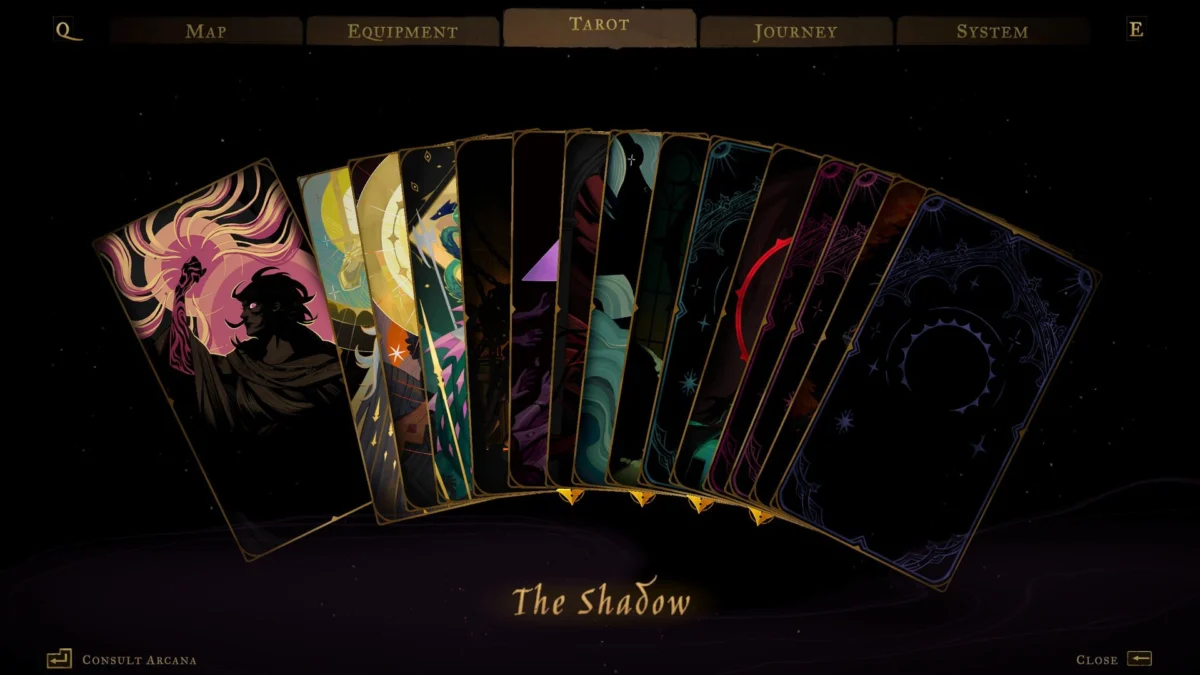
- Standout Elements: Gorgeous tarot card inventory art, punchy hitstop during melee combat, and clever puzzle-box design once players reach Dracula’s Castle.
Chronology: From Launch Troubleshooting to Dracula’s Gates
The friction with Castlevania: Belmont’s Curse begins right at the boot screen, setting an awkward tone for what should be a triumphant homecoming.
The Technical Threshold
Upon launching the game for the first time, players are met with an immediate black screen—a rudimentary troubleshooting hurdle that requires deducing the game’s inability to output on monitors running a refresh rate higher than 120 Hz. While easily bypassed by adjusting display settings, the technical oddities persist. Selecting the in-game 120 fps cap results in a jarring, unnatural stutter down to a lower framerate every single time a cutscene triggers.
The French Streets vs. Dracula’s Castle
The campaign’s opening hours unfold across the atmospheric streets of Paris before finally transitioning into the iconic, labyrinthine corridors of Dracula’s Castle.
- Hours 1–3 (Paris): This initial stretch tests player patience. Traversal mechanics feel rigid, whip wind-ups complicate spike-heavy platforming, and early narrative cutscenes rely on static, panning artwork that feels glaringly bare-bones compared to the lavish Netflix series it draws heavy inspiration from.
- Hours 4+ (Dracula’s Castle): Once the player crosses the threshold into Dracula’s domain, the game undergoes a noticeable upward trajectory. Clever, novel platforming gimmicks and intricate puzzle mechanics emerge, encouraging a more thoughtful, methodical pace that separates it from mindless button-mashing.
Supporting Data: Understanding the "Juice Problem"
To understand why Castlevania: Belmont’s Curse feels occasionally discordant, one must look closely at a foundational concept in game design frequently discussed by developers: "juice."
As coined by veteran game designers, "juice" refers to the level of polish that makes a digital environment feel alive and hyper-responsive to player input. It encompasses cascading action-and-response feedback loops, screen shake, hitstop (the microscopic pause when a strike connects), particle effects, and—most crucially—the kinetic feel of character movement.
| Metric / Element | Dead Cells (Evil Empire’s Past Work) | Castlevania: Belmont’s Curse |
|---|---|---|
| Pacing | Blistering, frantic, momentum-driven | Deliberate, grounded, weighted |
| Invincibility (I-Frames) | Generous, clear dodge rolls | Fickle forward slide with minimal/absent I-frames |
| Control Travel Time | Snappy, instant digital mapping | Complex combinations mapped to long-travel analog triggers |
| Visual Presentation | Distinct, high-energy pixel art / fluid motion | Slick animations mixed with static panning cutscenes |
Evil Empire spent nearly a decade refining the hyper-kinetic "juice" of Dead Cells. Yet, Belmont’s Curse often feels paradoxically dry and unyielding.
Specific Friction Points:
- The Whip Wind-Up: Rose Belmont’s primary weapon features a lengthy wind-up animation. During precision platforming sections requiring tight timing over deadly spikes, this delay creates unnecessary frustration. Furthermore, aiming grapple points while holding the analog stick in the desired movement direction rather than pointing directly at the hook point frequently leads to mistimed deaths.
- The Deceptive Slide: The game teaches players a forward slide as an early evasion tool. However, its lack of reliable invincibility frames transforms it from a safe-haven maneuver into a trap that frequently leads to quick deaths during intense boss battles.
- Trigger-Heavy Phasing: Advanced traversal requires phasing through walls and floors—an action bound by default to the controller’s left trigger. Chaining these actions together (phase, release, wall-jump, phase again over a pit of spikes) forces players to rely heavily on analog inputs with the longest travel times, breaking the rhythm of high-stakes platforming.
- Item Responsiveness: Popping a healing flask requires holding a button down for an agonizingly precise duration, leading many players to mistakenly believe they’ve healed in the heat of battle, only to suffer a surprise defeat.
Official Responses and Industry Context
Neither Konami nor Evil Empire has issued formal patch notes addressing these specific control complaints as of launch week, though community managers have acknowledged initial reports regarding PC refresh rate bugs and performance stutters.
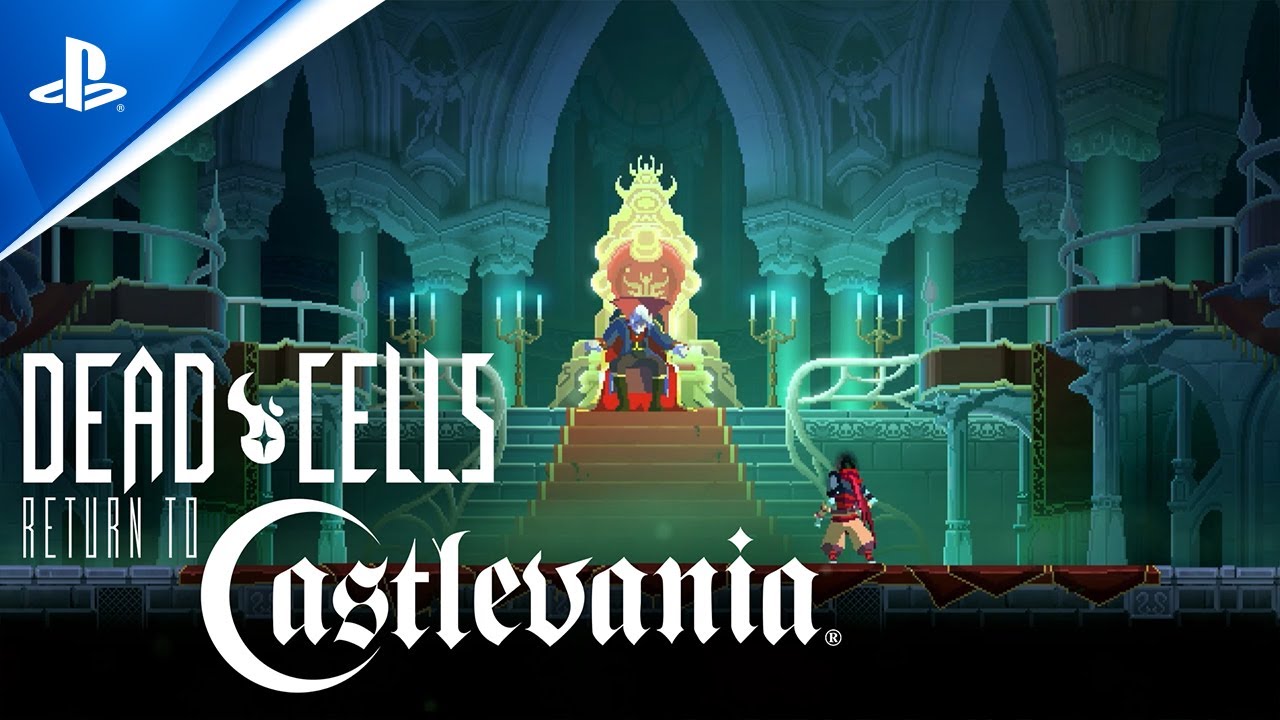
Industry analysts note that Belmont’s Curse occupies a difficult transitional space for Evil Empire. Having spent a generation defining the modern roguelike metroidvania hybrid, the studio appears to have intentionally pivoted away from the frantic speed of Dead Cells to capture the weighty, gothic solemnity of classic Castlevania. However, in doing so, they may have overcorrected, stripping away critical quality-of-life responsiveness that modern players take for granted.
Additionally, the game’s budget constraints are impossible to ignore. Leaning heavily into the aesthetic, tone, and even voice-acting talent of the celebrated Netflix Castlevania animated series, the game establishes high narrative expectations. When early cutscenes drop back to static, panning still images, the contrast is stark, exposing where budget allocations likely fell short of creative ambitions.
Implications: What This Means for the Future of Castlevania
Despite its rough edges, Castlevania: Belmont’s Curse is far from a disaster. In fact, once players weather the initial storm and breach Dracula’s Castle, the title reveals a deeply rewarding, puzzle-heavy adventure. The tarot card system—which acts simultaneously as an inventory of gorgeous art, special weapon loadouts, and diagnostic guides to each of Dracula’s minions—stands out as a masterclass in collectible design. The hitstop on successful whip strikes is remarkably satisfying, and the level design in the latter half hints at what the development team is truly capable of.
The Core Dilemma
The broader implication for Konami’s historic franchise is both hopeful and cautionary. On the positive side, Belmont’s Curse proves that mainstream publisher backing for single-player, traditional 2D metroidvanias is still viable and capable of producing creatively ambitious titles.
On the other hand, it highlights the perils of tonal and mechanical friction. If Evil Empire was intentionally attempting to distance Belmont’s Curse from the shadow of Dead Cells, they may have swung the pendulum too far, resulting in control schemes and design choices that occasionally fight against the player.
For dedicated fans of the genre, Belmont’s Curse is ultimately an uneven journey—a game with a little too much slack in its whip, but one whose gothic charm and late-game brilliance make it well worth the struggle to master.

