

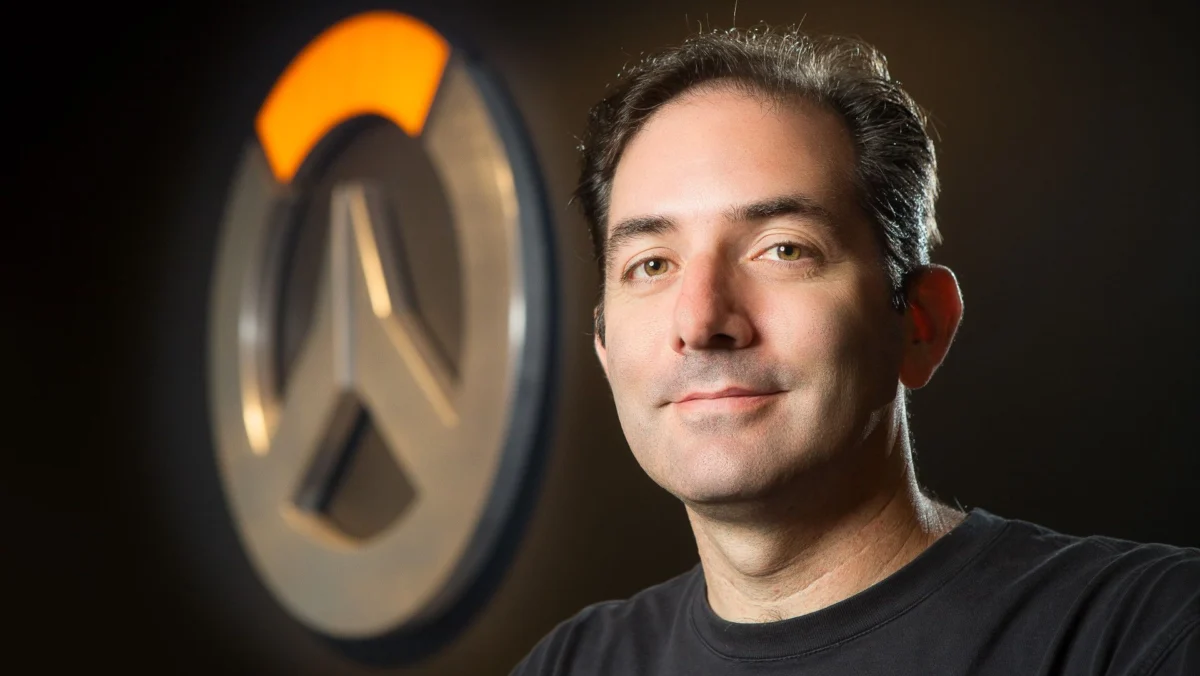
For over a decade, the face of Overwatch was synonymous with Jeff Kaplan. Known for his candid developer updates, his distinct sense of humor, and his deep, genuine connection with the community, Kaplan wasn’t just a game director—he was the steward of a cultural phenomenon. Yet, in a recent, deeply personal interview with GameSpot, the industry icon revealed a surprising reality: he hasn’t touched, watched, or even searched for Overwatch since he walked away from Blizzard Entertainment in April 2021.
For a developer who poured his heart and soul into a project for years, this total severance is more than just a preference; it is a psychological boundary. Kaplan’s journey from the heights of World of Warcraft to the creation of Overwatch, and finally to the uncertain, liberating landscape of indie development, offers a profound look at the fragility of creative ownership in the modern gaming industry.
The Chronology of a Creative Departure
To understand why Kaplan now maintains a "clinical separation" from his past work, one must look back at the trajectory of his career. Kaplan’s rise at Blizzard was meteoric. Starting in Quality Assurance (QA) for World of Warcraft, he eventually ascended to the role of game director, helping to shape one of the most successful MMORPGs in history.
His departure from the World of Warcraft team in 2008 served as a vital, if painful, lesson in the nature of corporate creative work. "I kind of went through a little bit of shock leaving WoW back in 2008," Kaplan reflected. "So, when I stepped away from Overwatch in April of 2021, I was kind of used to that moment of what it meant to give all of yourself, your heart, your soul—because it’s not just a job, there’s no one who can do this and have it just be a job—and then have this shocking moment where you realize it doesn’t belong to you."
This realization—that the intellectual property, the team, and the player base belong to the corporation and the community rather than the creator—is a sentiment shared by many high-profile developers, yet rarely articulated with such raw honesty. By the time he left Overwatch, Kaplan had prepared himself for the detachment, leading to the strict "no-contact" policy he maintains today.
A Clean Break: The Mechanics of Disconnection
Kaplan’s current relationship with Overwatch is defined by active avoidance. It is a digital detox that borders on the ascetic. He does not visit the Overwatch subreddit, he does not watch YouTube commentary regarding the game’s current state, and he explicitly trains his social media and search algorithms to filter out any mention of his former project.
"I don’t search for my name in Overwatch. I don’t search for Overwatch," he stated. "I sort of just disconnect. I actually tell all the algorithms like, ‘Yeah, I’m not really interested in Overwatch anymore. I know you think I’m the Overwatch guy, but like, that’s just not for me anymore.’"
This behavior is not born of bitterness, but of a necessary preservation of self. Having spent years in a high-pressure environment where his every word was scrutinized by millions of players, Kaplan’s decision to step away represents a reclamation of his personal identity. It is an acknowledgment that he is no longer the custodian of Tracer, Genji, or the payload—and that he is finally okay with that.
The Breaking Point: The Financial Reality of AAA Development
While Kaplan’s separation is now peaceful, the events leading up to his 2021 departure were anything but. Earlier this year, reports emerged detailing the final, toxic friction that led to his exit. Kaplan had entered his tenure at Blizzard with the intent of retiring there, but the corporate culture shifted beneath his feet.
The turning point, according to Kaplan, was a meeting with a former Activision Blizzard CFO. During a discussion regarding the financial trajectory of Overwatch, the executive reportedly threatened to lay off 1,000 employees if the game failed to meet specific, aggressive financial benchmarks. For a director who viewed his team as a family, this threat was the ultimate betrayal of his values.
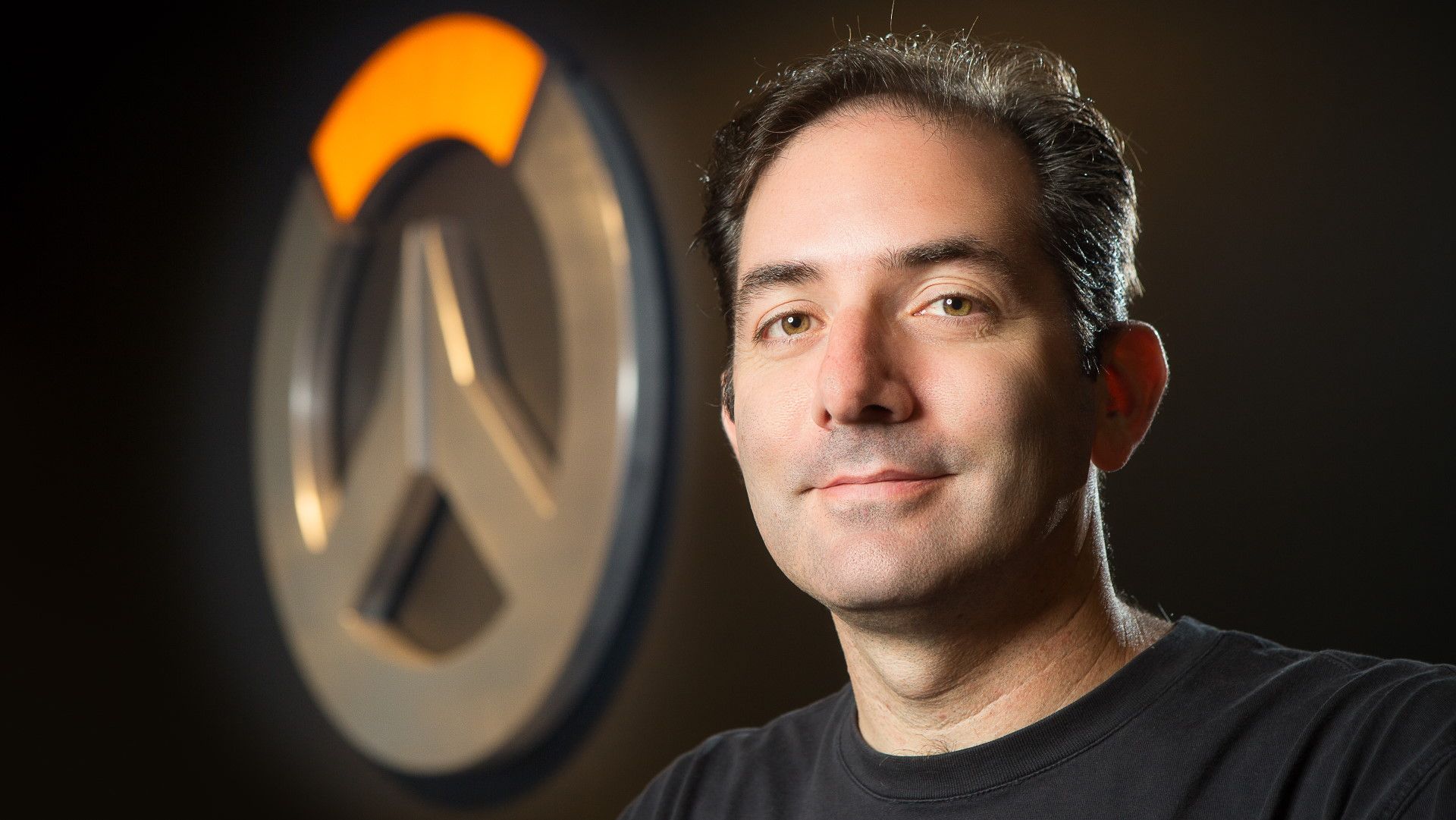
"It was the biggest ‘f** you’ moment I’ve had in my career," Kaplan remarked. "It felt surreal to be in that condition." This encounter crystallized the disconnect between the artistic goals of the Overwatch* team and the bottom-line demands of the publisher. It was the catalyst that transformed a career-long ambition into a sudden, decisive exit.
Supporting Data: The Shifting Landscape of Industry Talent
Kaplan’s experience is not an anomaly in the current climate of the gaming industry. Over the past five years, we have seen a massive exodus of "veteran" talent from AAA studios like Blizzard, Ubisoft, and BioWare. This trend is often fueled by:
- Corporate Consolidation: As studios grow larger, the distance between the developers and the decision-makers increases, often leading to decisions that prioritize shareholder value over player experience.
- The "Live Service" Treadmill: The pressure to maintain constant updates and monetization loops creates a state of perpetual crunch, leading to rapid burnout.
- Creative Autonomy: The desire for smaller, more personal projects has driven many high-level directors to form indie studios where they have total control over their creative output.
Kaplan’s transition aligns with this broader shift. By moving away from the "games as a service" model, he is reclaiming the agency that he felt slipping away during his final years at Blizzard.
Implications: A New Era with ‘The Legend of California’
The most exciting takeaway from Kaplan’s post-Blizzard life is the emergence of his new studio and their debut project, The Legend of California. Alongside former Blizzard developer Tim Ford, Kaplan is building something that feels entirely distinct from the polished, corporate-refined aesthetic of Overwatch.
The Legend of California is an open-world survival game set in the American West. While the project is still in its nascent stages, the mission statement is clear: "I didn’t leave Blizzard to try to make a Blizzard game," Kaplan said. "I left Blizzard to make a Tim and Jeff game."
The implications of this shift are significant for the industry. Kaplan is testing whether the "auteur" model—often associated with figures like Hideo Kojima or Ken Levine—can thrive when stripped of the massive marketing budgets and infrastructure of a company like Activision Blizzard. By choosing a genre as challenging and complex as survival gaming, Kaplan is signaling a desire for depth over breadth.
Final Reflections
The story of Jeff Kaplan is a microcosm of the modern developer’s struggle: the battle to create something meaningful within an environment that increasingly treats games as commodities. His ability to walk away from a franchise he helped define, and his refusal to look back, serves as a powerful reminder of the human cost of creative labor.
As he ventures into the Wild West with The Legend of California, he is no longer playing by the rules of the AAA machine. He is no longer the "Overwatch guy." He is simply a developer, with a blank canvas and a new team, finally making the game he wants to make—not because a spreadsheet demands it, but because he chooses to.
Whether this new venture captures the same magic that made Overwatch a global phenomenon remains to be seen. However, one thing is certain: for the first time in his career, Jeff Kaplan is working for himself, and that alone makes The Legend of California one of the most anticipated titles for those who have followed his storied journey. The industry is watching, but for the first time, Jeff Kaplan isn’t looking at the screen—he’s looking at the horizon.

