

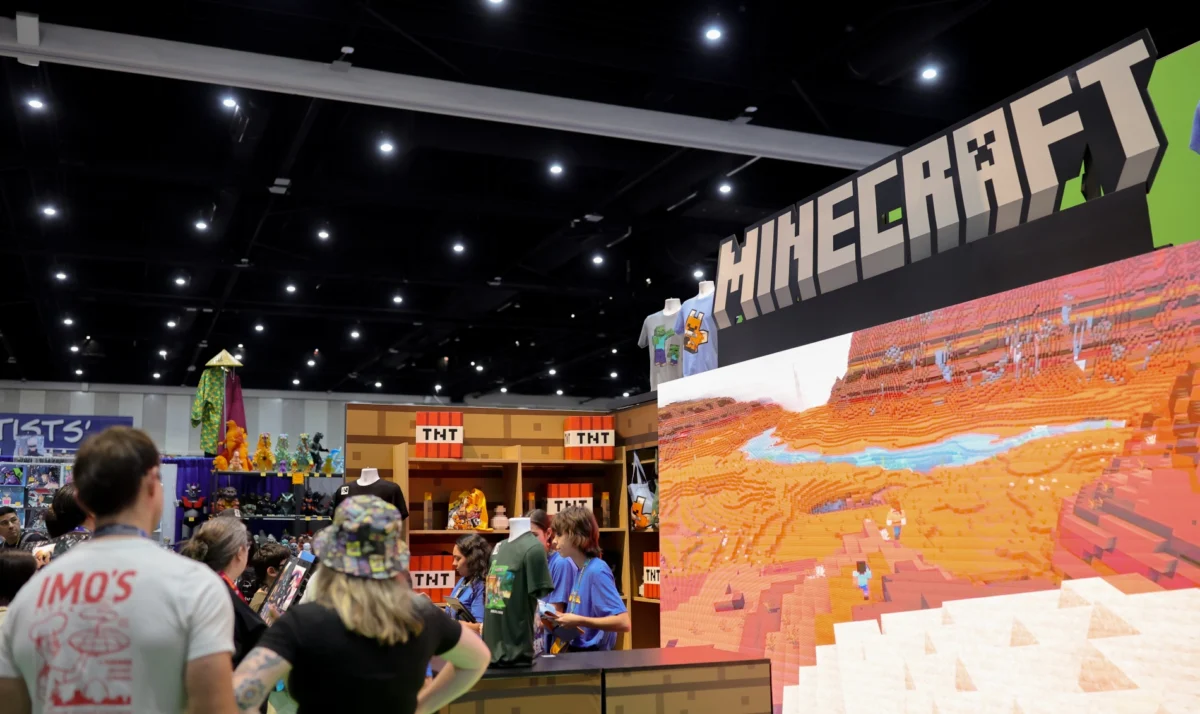
For over 15 years, Minecraft has stood as the undisputed titan of the sandbox genre. From its humble origins as a niche indie project to its acquisition by Microsoft for $2.5 billion in 2014, the game has evolved from a simple block-building simulator into a global cultural phenomenon. However, the gaming landscape is shifting rapidly. With the rise of "creator-first" platforms like Roblox and Fortnite (via the Unreal Editor for Fortnite, or UEFN), Mojang finds itself at a critical juncture. To maintain its dominance, the developer is embarking on a massive recruitment drive, signaling an aggressive pivot toward transforming Minecraft into a robust, professionalized creator ecosystem.
The Strategic Shift: A New Era of Recruitment
Recent activity at Microsoft-owned Mojang suggests a significant shift in corporate priorities. A wave of new job listings has surfaced, specifically targeting roles designed to bolster the game’s infrastructure for third-party developers.
Notable postings include openings for a Principal Program Manager and a Senior Program Manager within Mojang’s partner developer relations team. Furthermore, the search for a Director of Creator Programs and Ecosystems Marketing—posted earlier this September—highlights a push to centralize and professionalize how the studio interacts with the thousands of creators who build mods, maps, and experiences within the Minecraft engine.
These roles are not merely administrative; they are defensive. The internal documentation associated with these listings explicitly mentions the need for staff capable of "defending against competing platforms (Roblox, Fortnite/UEFN, Unity, Fab) through better developer experience, tooling, and enablement at portfolio scale." This is a rare admission from the studio that the competition is no longer just about gameplay—it is about winning the hearts, minds, and time of the creator economy.
Chronology of a Digital Empire
To understand why Mojang is acting now, one must look at the timeline of Minecraft’s evolution and the concurrent rise of its rivals:
- 2009-2011: Minecraft launches, rapidly becoming the gold standard for user-generated content (UGC). Players build everything from working computers to society simulators.
- 2014: Microsoft acquires Mojang, stabilizing the game’s long-term future but introducing the corporate oversight necessary for massive scaling.
- 2017-2020: The rise of Roblox as a public company and the explosion of Fortnite as a metaverse-lite platform begins to siphon away younger demographics.
- 2021-2024: Rivals begin implementing sophisticated revenue-sharing models. Fortnite introduces UEFN, allowing creators to earn significant payouts based on player engagement.
- 2025-2026: Minecraft faces increased market pressure. While the franchise maintains high cultural relevance—bolstered by the release of A Minecraft Movie and massive YouTube viewership—internal fractures, including layoffs at Mojang HQ, necessitate a clearer path toward sustainable monetization for its creator base.
- Late 2026: Mojang launches its first affiliate marketing program via Impact.com, marking a tentative first step into modernizing the creator economy within the Minecraft ecosystem.
The Competitive Landscape: Why the Pressure is Mounting
The challenge Mojang faces is not a lack of creativity, but a lack of structural incentive. Platforms like Roblox have mastered the art of the "creator economy." By providing creators with the tools to build, sell, and monetize virtual goods—and by ensuring those creators can generate ten-digit earnings—Roblox has turned amateur developers into professional studios.
Fortnite has followed a similar, albeit more technologically advanced, path. By integrating the Unreal Engine into the game itself, Epic Games has allowed creators to produce experiences that look and feel like AAA titles. Even Rockstar Games is reportedly eyeing this territory, attempting to pivot the behemoth that is Grand Theft Auto VI into a sustainable creator platform.
In contrast, Minecraft has long relied on a decentralized, often disjointed modding community. While the game has remained popular, the lack of a centralized, incentivized creator platform means that many of the most talented builders have migrated to environments where their labor is more directly rewarded.
Supporting Data: The Power of the Sandbox
Despite the competitive pressures, Minecraft remains a juggernaut. Data points from 2026 consistently place the official Minecraft YouTube channel among the top 50 most-watched channels globally. The game’s ability to transcend its "game" status to become a platform for education, social interaction, and high-level engineering—evidenced by the complex redstone computers built by users—remains unmatched.
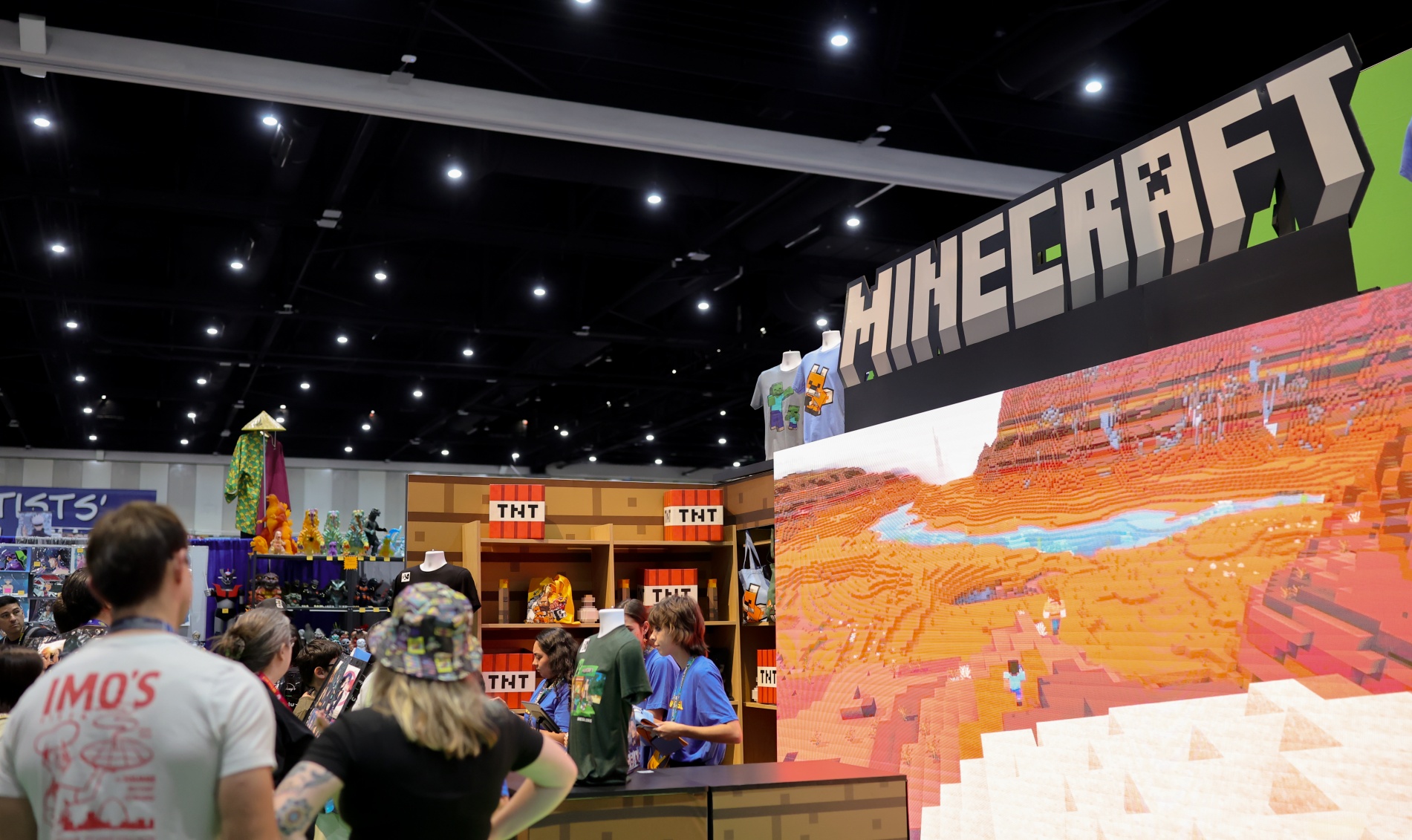
However, the "cracks" are visible. The shift in employment focus from purely game-design-centric roles to "developer enablement" roles suggests that Microsoft recognizes a simple truth: if you don’t pay the creators, the creators will go elsewhere. The current effort to bring in a Senior Director for Creator Monetization is the most tangible evidence yet that the company is moving to bridge the gap between "building for fun" and "building for a career."
Official Responses and Internal Sentiment
While Mojang has not released a comprehensive manifesto, the job descriptions serve as the de facto official statement. The terminology used—"defending against competing platforms," "developer experience," and "portfolio scale"—is corporate language for an arms race.
Internal sentiment at Microsoft remains bullish on the "World’s Creator Platform" vision. CEO Satya Nadella has emphasized the growth potential of the gaming division, and Minecraft is arguably the company’s most versatile asset in that portfolio. The studio is no longer content with being a passive host for user creations; it intends to be the active architect of a professional economy.
Implications: The Future of the Sandbox
What does this mean for the average player or creator?
For creators, the implications are largely positive. If Mojang successfully implements the tools and monetization strategies hinted at in these job listings, the barrier to entry for making a living within Minecraft could lower significantly. We may see an influx of high-quality, professional-grade experiences that rival the production values currently seen in Fortnite or Roblox.
For the industry, this signals the final stage of the "Platformization of Gaming." Games are no longer just products you buy; they are environments you inhabit and, increasingly, businesses you operate.
However, there is a risk. Minecraft’s charm has always been its open-ended, non-commercial nature. As Mojang introduces more monetization, affiliate programs, and creator-marketing ecosystems, it must balance these additions against the risk of alienating a community that prides itself on the purity of the "sandbox."
As the battle for the creator economy intensifies, Mojang is clearly signaling that it will not cede its throne. Whether it requires hiring "cow whisperers" to record unique assets or, more importantly, hiring the programmatic talent to build a financial ecosystem, the company is doubling down. The next five years will determine if Minecraft can successfully evolve from a 15-year-old creative tool into the central nervous system of the modern creator economy. The blocks are still there, but the foundation is being completely rebuilt.

