


On June 9, 2026, the silence that fell over the Tower was not the result of a system crash or a server maintenance window. It was, for the first time in over a decade, a definitive conclusion. With the launch of the Monument of Triumph update, Bungie officially transitioned Destiny 2 out of its active live-service development cycle, effectively pulling the curtain on one of the most influential, contentious, and resilient sagas in the history of interactive entertainment.
For 12 years, the Destiny franchise served as a digital North Star for the industry—a barometer by which the success and failure of the "games-as-a-service" (GaaS) model were measured. Its end marks the closing of a chapter that fundamentally altered how developers build games, how publishers monetize them, and how players integrate virtual worlds into their real-world lives.
A Chronology of Conflict and Resilience
The history of Destiny is a paradox of constant "death" and perpetual resurrection. When the original Destiny launched in 2014, it arrived with sky-high expectations, only to be met with a lukewarm reception that criticized its sparse storytelling and repetitive loops. Yet, Bungie persisted, iterating through The Taken King and eventually landing on a formula that hooked millions.
When Destiny 2 debuted in 2017, the cycle repeated. The game’s first year was a period of profound disillusionment for the community, characterized by stripped-back customization and a lack of endgame depth. Again, the "Destiny is dying" narrative took hold. However, the release of Forsaken in 2018 proved to be the franchise’s first major redemption arc, establishing the blueprint for the modern, content-rich live-service model that would sustain the game for the better part of a decade.

From the highs of The Witch Queen to the lows of Lightfall, the franchise has been a rollercoaster of creative ambition. The Final Shape (2024) served as the narrative climax—a "Thanos moment" that tied up a decade of lore. In hindsight, that expansion served as the natural spiritual conclusion to the saga. The subsequent two years of content, while technically proficient, often felt like an epilogue to a story that had already reached its crescendo.
By the Numbers: The Scale of a "Forever Game"
The finality of the Monument of Triumph update has triggered a massive surge in player engagement, highlighting the paradoxical nature of the game’s sunsetting. Data from Popularity Report indicates that in the weeks leading up to the final update, unique daily logins climbed from 182,000 to over 421,000.
This resurgence is not merely a sign of curiosity; it is a manifestation of community grief. A Change.org petition demanding that Sony and Bungie move forward with a Destiny 3 has garnered over 366,000 signatures, a testament to the fact that for a significant portion of the player base, Destiny was never just a game—it was a "third place." In urban planning, a third place is a social environment separate from the two primary environments of home and the workplace. For millions, the Cosmodrome and the Tower filled that void.
The longevity of this engagement is rare. Most live-service titles struggle to maintain relevance beyond their second or third year. Destiny managed to remain part of the cultural conversation for over a decade, surviving the "Destiny Killer" era where titles like Anthem, The Division, and Marvel’s Avengers all attempted to capture its magic and failed.

The Industry Impact: The Architect of Modern Gaming
Bungie did not invent the mechanics of the looter-shooter or the live-service model, but they perfected the addictive loop that defines them. The studio’s ability to weave seasonal roadmaps, limited-time events, and persistent progression into a cohesive, high-fidelity experience became the gold standard.
When Sony acquired Bungie in 2022 for $3.6 billion, the primary valuation wasn’t just on the IP, but on the methodology. Sony sought to harness the expertise that had kept a game running, evolving, and profitable for years. However, the industry’s obsession with emulating this model has led to a market saturated with "forever games," often resulting in player fatigue.
The irony, as many observers have noted, is that the industry is finally mastering the systems that Bungie pioneered just as the pioneer itself decides to move on. The lessons of Destiny—the necessity of communication with the player base, the importance of "feeling" in gunplay, and the dangers of content droughts—are now embedded in the DNA of modern game development.
The Human Element: More Than Just Code
Beyond the metrics and the business strategy, there is the human story. The Destiny community is a sprawling network of YouTube creators, lore-keepers, discord administrators, and software developers who built tools like Destiny Item Manager (DIM).
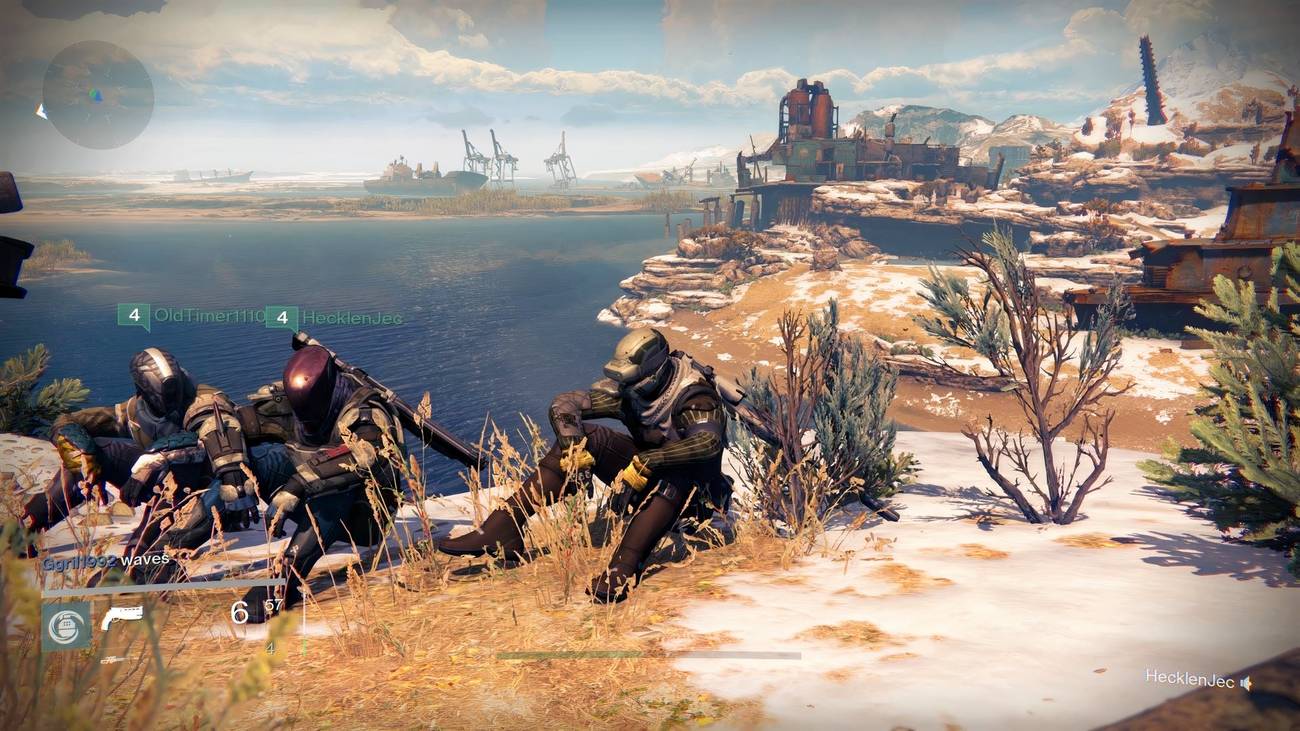
This community created an ecosystem that often functioned independently of Bungie. The frustration expressed on the Destiny subreddit over the years—the vitriol during the "dead game" discourse and the passion during the launch of successful raids—was always rooted in a deep, desperate care for the world.
As one prominent community member noted following the announcement of the final update: "The devs constantly fought an uphill battle because they were just like us. Passionate, captivated by the same world that we were." This shared identity between the creators and the consumers is perhaps the most significant legacy of the franchise. It transformed the player from a passive consumer into an active participant in the world’s ongoing narrative.
Looking Toward the Horizon: The Future of Bungie
The question of "What comes next?" remains the most pressing concern for both the industry and the loyal player base. With Destiny 2 moving into a state of maintenance, the focus shifts to Bungie’s future projects and the potential for a Destiny 3.
While Sony has remained tight-lipped regarding a sequel, the sheer volume of support for the franchise suggests that the "Guardian" brand still holds immense value. However, the company stands at a crossroads. Does it attempt to recreate the magic of Destiny in a new engine, or does it pivot entirely to new intellectual properties?
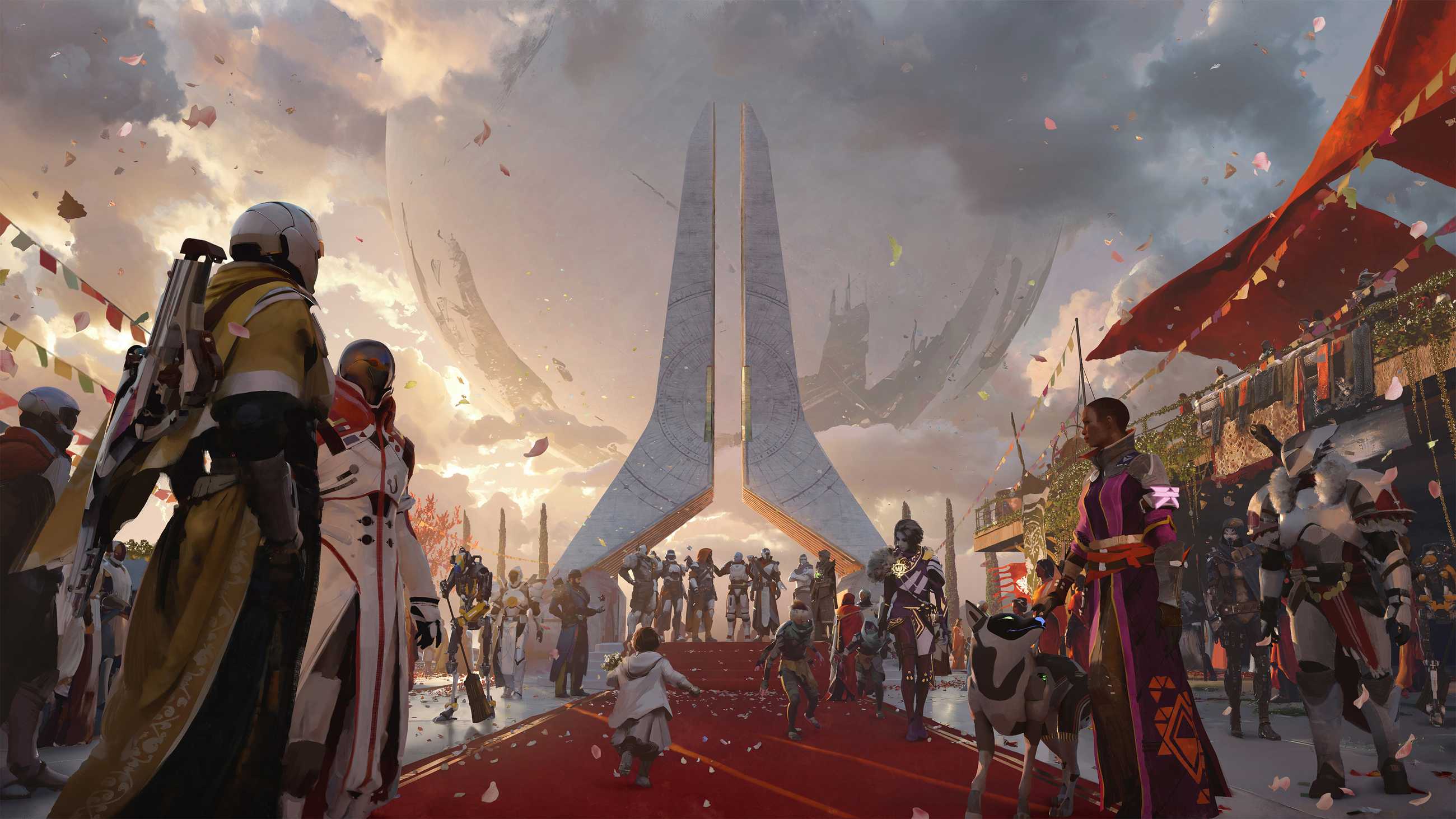
The current reality is one of transition. For the developers at Bungie, the end of Destiny 2 is a chance to reset. For the players, it is a period of reflection. The game taught us to organize our lives around weekly resets and raid schedules; now, those of us who have grown up alongside the franchise—moving from college to careers, from single life to parenthood—must find new rhythms.
Final Reflections: A Legacy of "Making Your Own Fate"
It is fitting that a game centered on the concept of "Guardians" fighting against the inevitability of darkness should end on its own terms. Destiny 2 was never a perfect product. It was often frustrating, occasionally predatory in its monetization, and frequently prone to internal crises. Yet, it was, above all else, a work of art that demanded participation.
As we look back, the "death" of Destiny feels less like a loss and more like a retirement. The servers may remain on, but the story is complete. We, the players, have spent 12 years in this universe, making our own fate, crafting our own legends, and building friendships that exist outside of the game’s code.
For those who spent thousands of hours in the Cosmodrome or the Dreaming City, the Monument of Triumph is a final, poignant nod to a shared history. We are left with the memories of our first Gjallarhorn drops, the camaraderie of our first raid clears, and the realization that while games are temporary, the communities they foster can last a lifetime. Destiny is gone, but the ghost of what it achieved will haunt the industry for years to come.

