

Main Facts
- Star Wars: Galactic Racer
- Developer: Fuse Games
- Publisher: Secret Mode
- Platform: Windows PC (Reviewed on Windows 11, Intel Core i9, 32GB RAM, Nvidia RTX 4060)
- Price: $60 / £50
- Release Window / Status: Available now on Steam, featuring single-player campaign, scenario modes, and robust multiplayer options.
- Core Concept: An arcade-style sci-fi racer blending the high-velocity intensity of Wipeout and Burnout with the universe of Star Wars, incorporating a run-based roguelite campaign structure set between Return of the Jedi and The Force Awakens.
Chronology and Development Background
The roots of Star Wars: Galactic Racer stretch back through decades of arcade-racing lineage. Developed by Fuse Games—a studio founded by industry veterans from Criterion Games who previously worked on the acclaimed Burnout series and assisted DICE with modern Star Wars Battlefront titles—the project aims to modernize a sub-genre that has laid largely dormant since the late 1990s and early 2000s.
While Star Wars Episode I: Racer memorably captured the blistering thrill of Tatooine’s Boonta Eve Classic, subsequent efforts struggled to maintain that momentum once players left the familiar dunes. Fuse Games addresses this historical pitfall by broadening the scope. Instead of focusing on a single iconic movie sequence, Galactic Racer imagines an entire underground and corporate-backed racing culture flourishing during the peacetime era between Return of the Jedi and The Force Awakens.
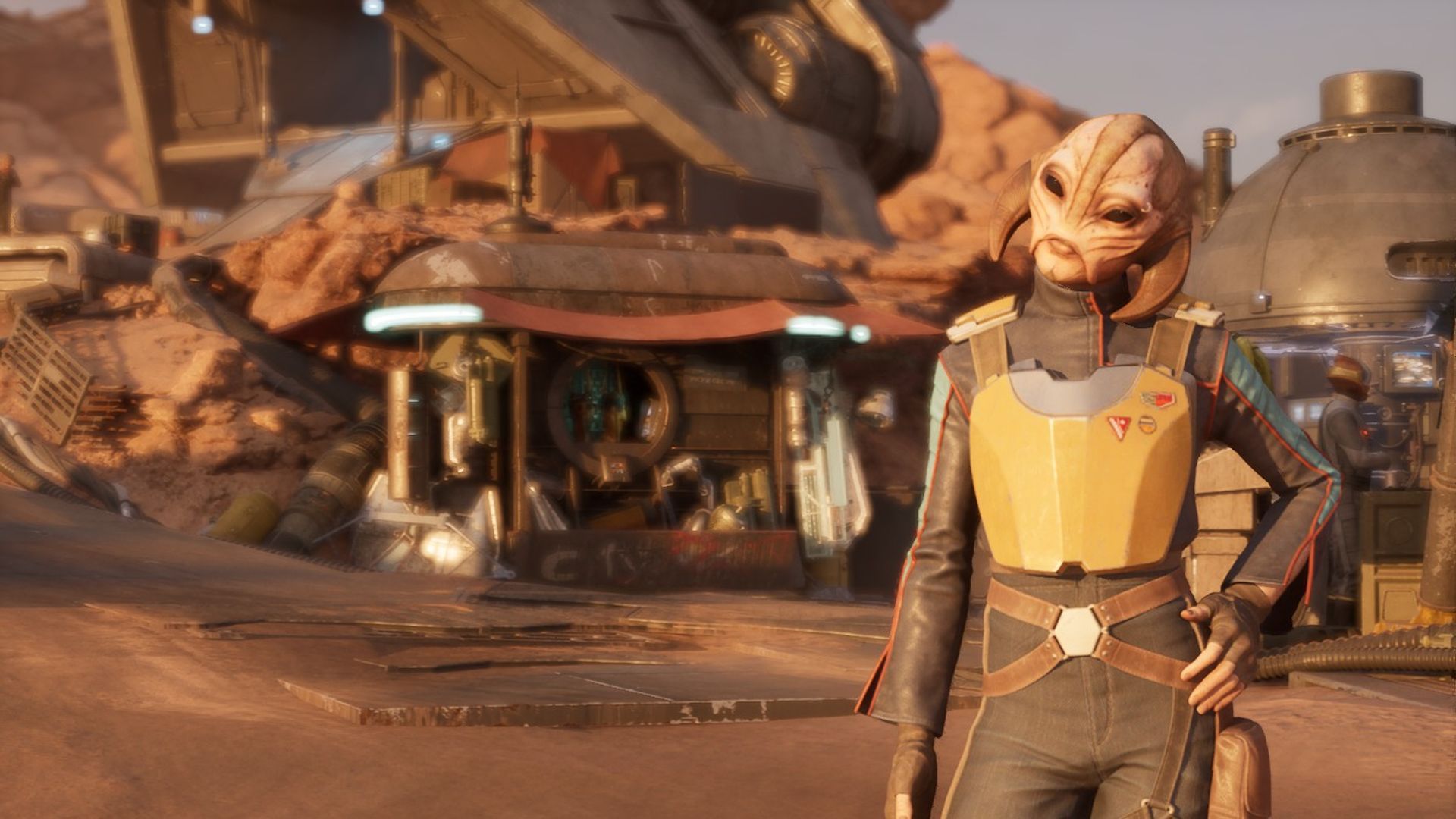
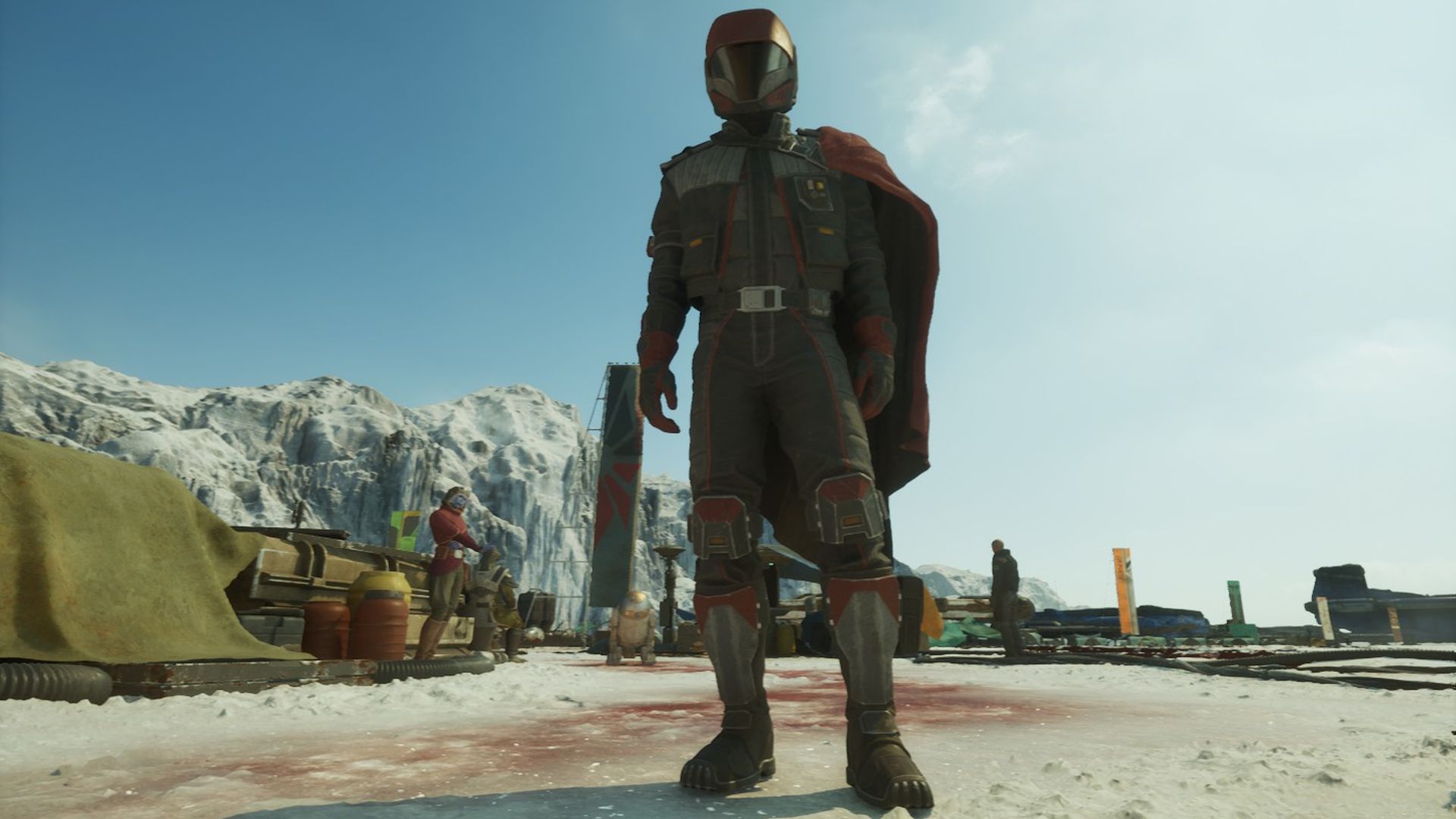
Players step into the boots of "Shade," a customizable, helmet-wearing human courier turned competitor. The single-player campaign is broken down into a three-act structure utilizing a roguelite, node-based map system reminiscent of indie hits like FTL: Faster Than Light or Slay the Spire. Rather than selecting tracks from a linear menu, players chart a course across planetary nodes, balancing traditional races, high-stakes eliminator events, random narrative encounters, and scrap-shop upgrades.
Along the way, the timeline dips into nostalgia; flashback races allow players to pilot vehicles as a cantankerous, bearded Sebulba, bridging the gap between prequel-era legends and the modern roster of slick, planet-hopping hotshots, ex-TIE fighter pilots, and corporate-backed elites.
Supporting Data and Gameplay Mechanics
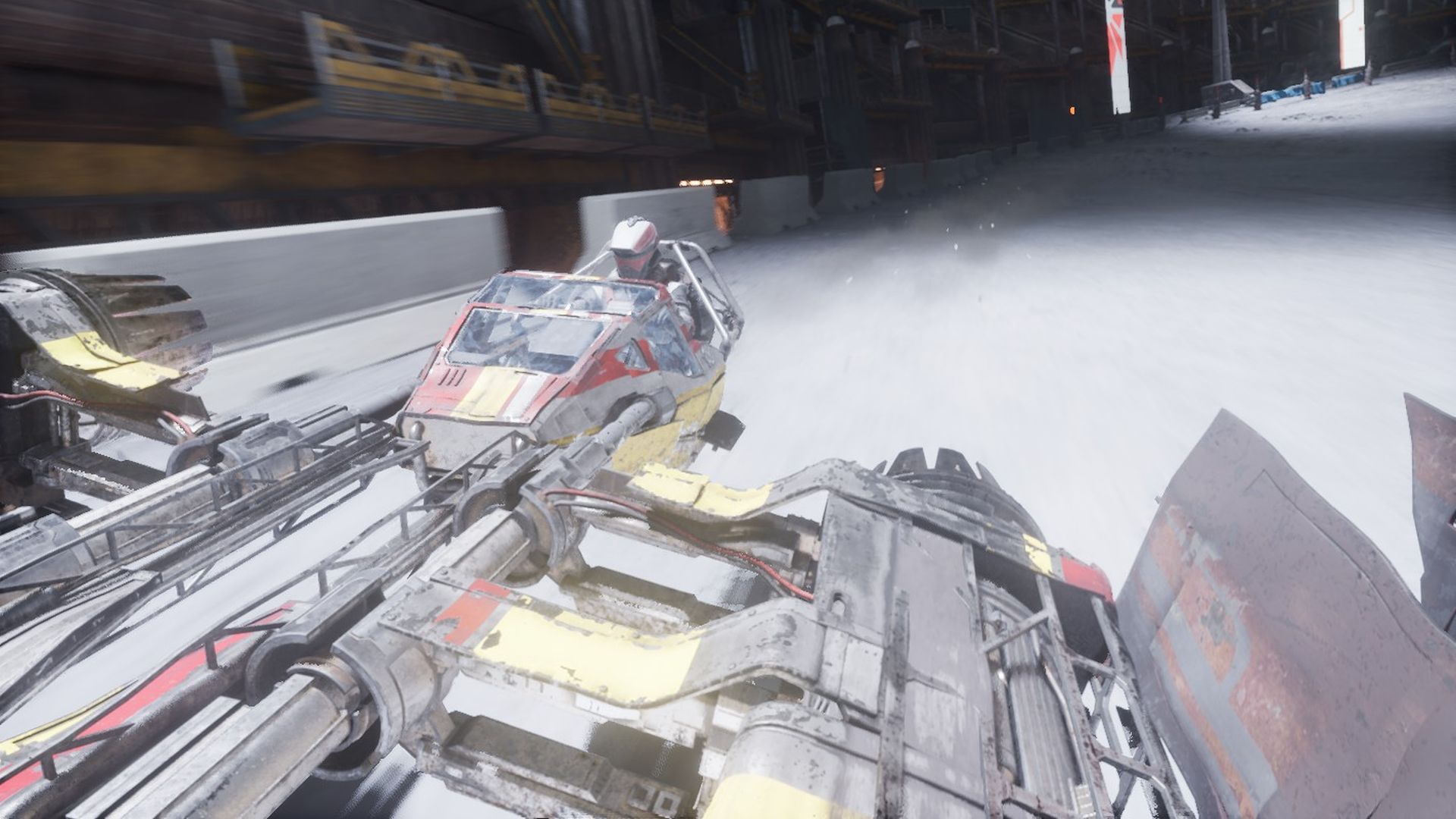
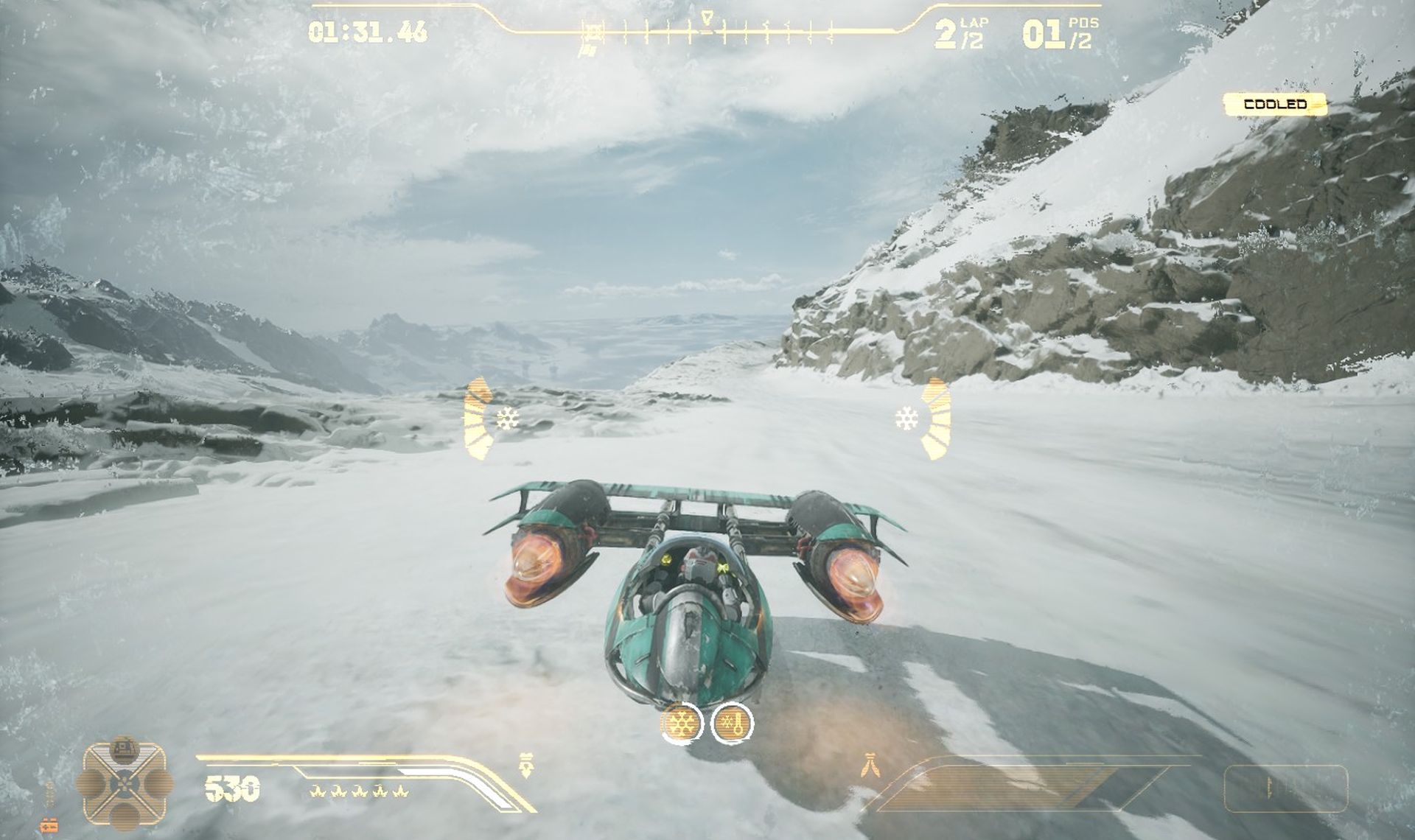
At its core, Galactic Racer is an uncompromising arcade racer where vehicles hurtle through cavernous environments and hazardous tracks at speeds exceeding 450 km/h.
Speed, Heat, and Vehicle Management
Survival and victory rely heavily on managing dual propulsion systems:
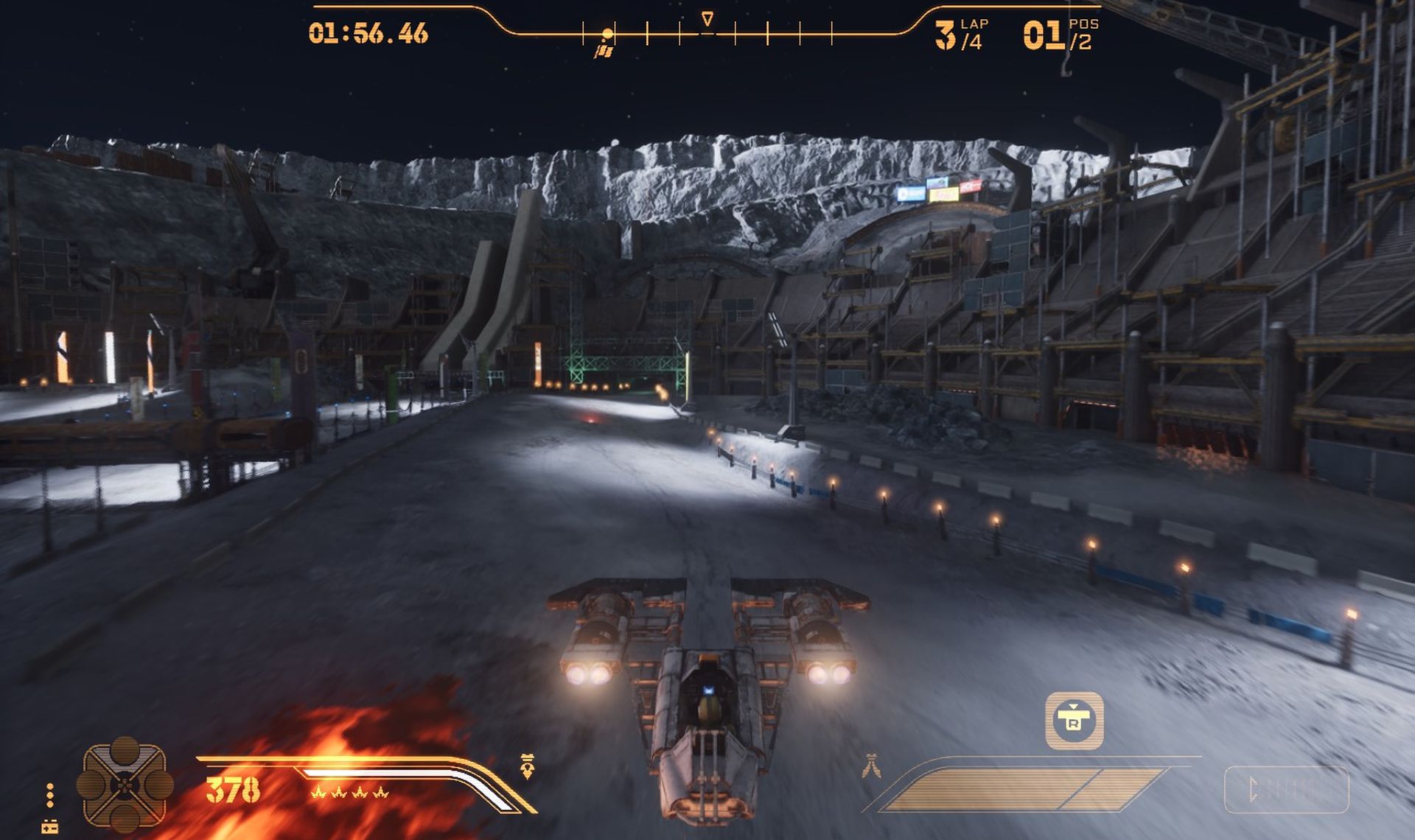
- Afterburners: Provide a reliable, modest speed boost on a short cooldown.
- Ramjets: Deliver an explosive, high-risk surge of speed that risks dangerous overheating if pushed to its absolute limit.
Players must also contend with a dynamic system of status effects. Elements like Cooled (triggered by high speeds or driving over water) reduce heat buildup, while Burning (inflicted by enemy flame jets or lava hazards) accelerates it. Other modifiers—such as Overcharged, Corroded, and Shielded—deepen the tactical depth of vehicle builds.
The Roguelite Campaign Structure
Departing from standard racing grand prix formats, the campaign introduces randomized progression. Players earn credits after events to invest in randomized improvements, abilities, and modular parts. For instance, a part that refills the afterburner upon collision encourages an aggressive, tank-like playstyle, whereas components that clear heat upon executing a perfect jump reward precision aerial maneuvers.
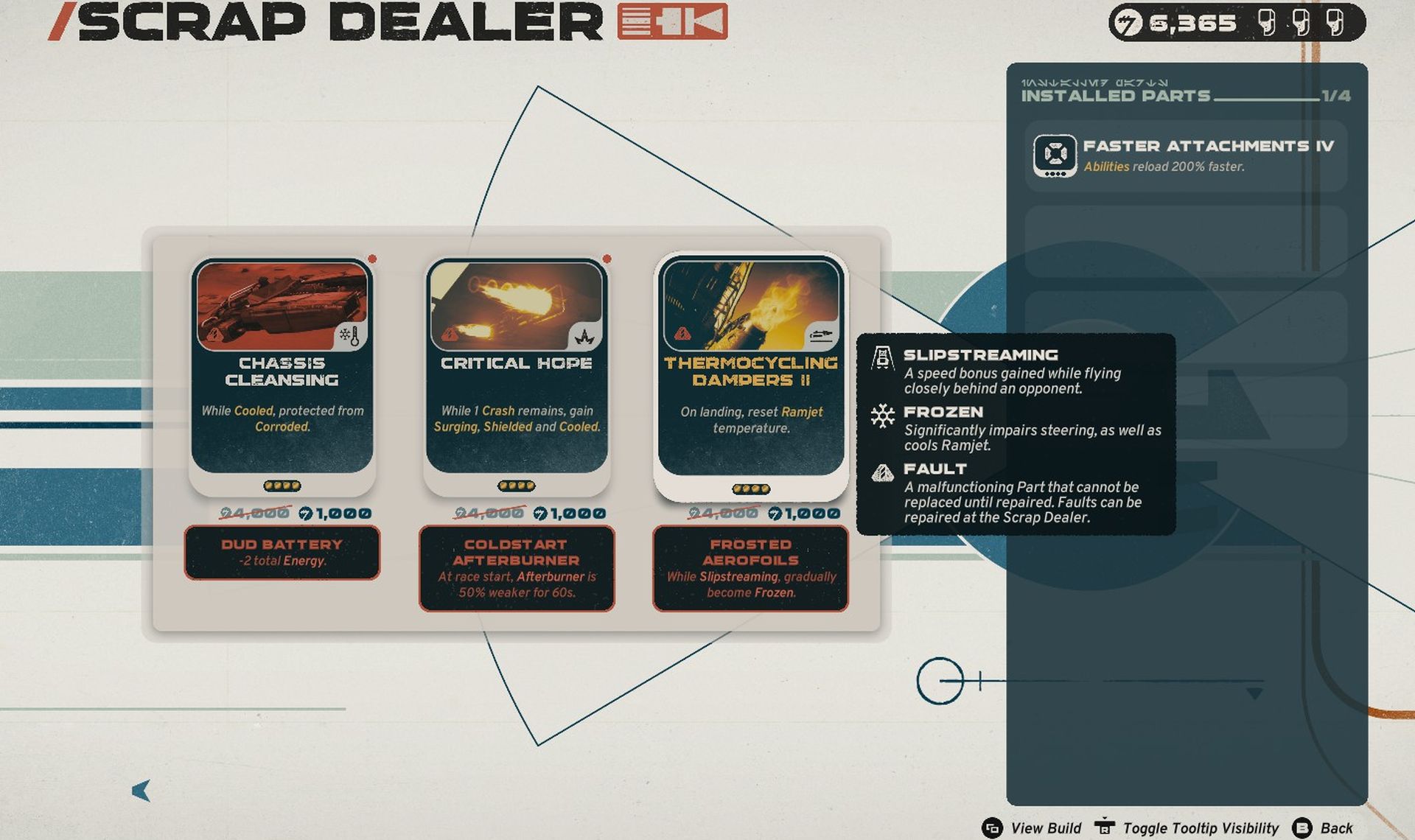
However, the gameplay loop is not without its friction points:
- Readability Issues: While the sense of speed is exhilarating—effectively mimicking the sensory overload of high-speed transit—tracks can suffer from poor visual clarity. Distinguishing between a white ice outcrop and a snow-covered track, or a brown boulder against sandy terrain, frequently leads to unprovoked crashes.
- The Autopilot Paradox: An autopilot ability grants temporary, near-perfect AI navigation, which can be upgraded to maximize speed. Yet, the system occasionally malfunctions, steering directly into tunnel walls or driving over mines, presenting an erratic balance of overpowered utility and mechanical flaws.
Narrative and Presentation
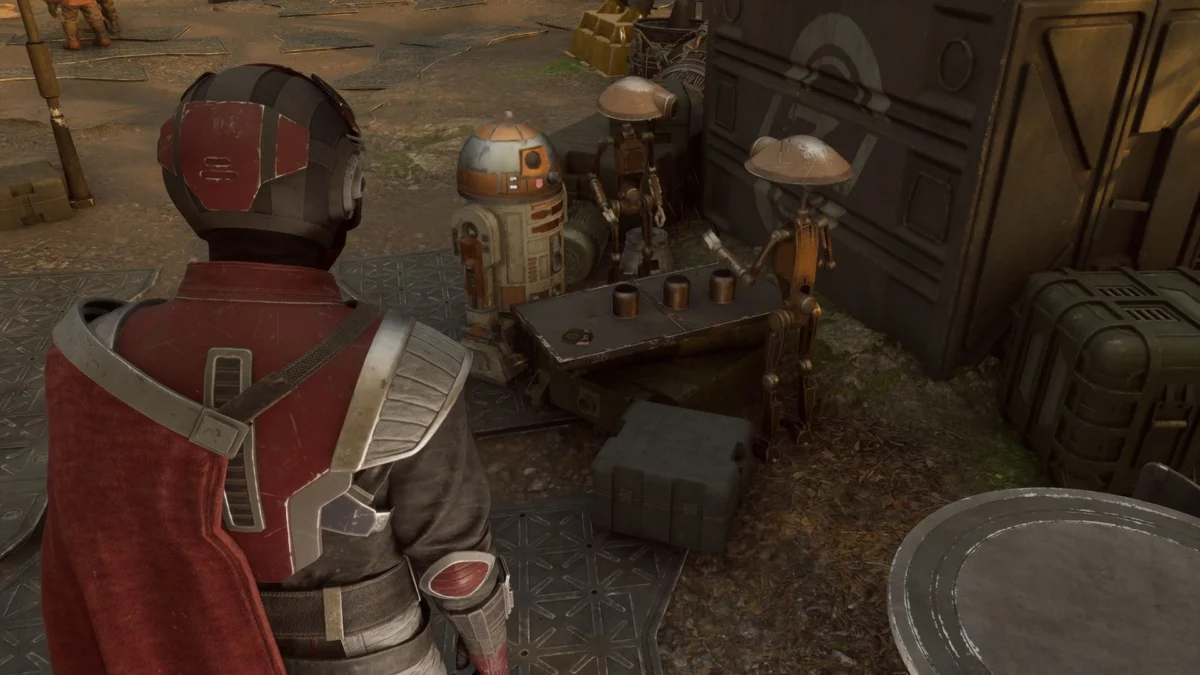
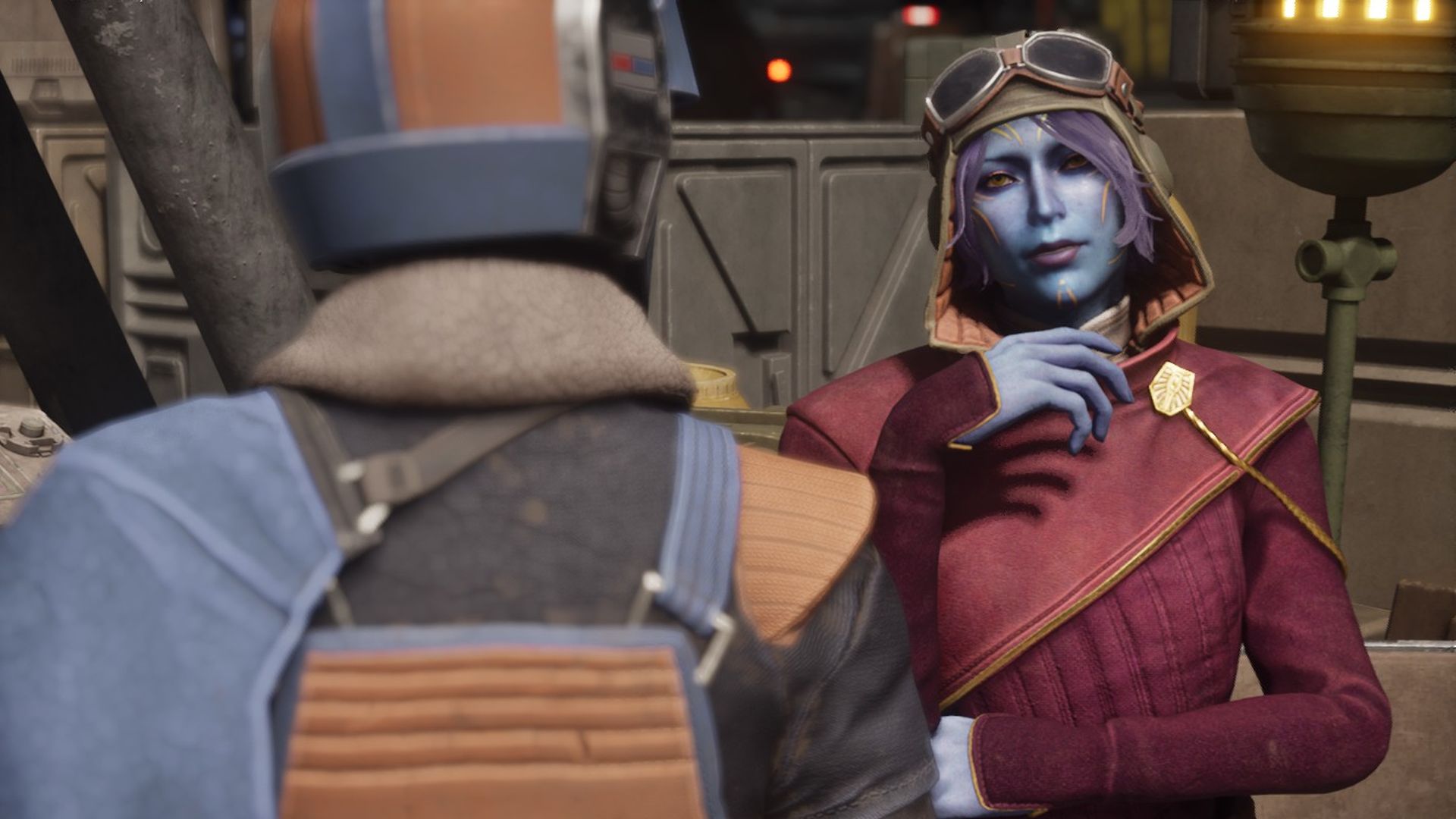
Between races, players navigate the "Paddock"—a third-person hub area featuring bars, garages, and rival interactions. While not as deeply immersive as the underworld hubs found in titles like Hades, it successfully sells the Star Wars atmosphere.
Audio design is a standout triumph. Fuse Games captures the signature, gnarly stutter of iconic engines, while the dynamic score intentionally mirrors the films by holding back its musical crescendos until the final lap.
Official Responses and Developer Insights
Fuse Games has emphasized that Galactic Racer was designed to capture the "lived-in" grit of the galaxy far, far away while subverting traditional racing game tropes. By utilizing ex-Criterion talent, the studio targeted the kinetic energy of vehicular combat and high-speed destruction, adapting it to fit sci-fi contraptions like landspeeders, speeder bikes, and skim speeders.
While publisher Secret Mode has yet to release formal patch notes addressing community feedback regarding track signposting and autopilot erraticism, developer commentary around the game’s architecture suggests a commitment to post-launch support, particularly regarding balancing high-tier abilities and fine-tuning visual contrast on single-biome planets.
Implications
Star Wars: Galactic Racer proves that the arcade racing genre can successfully borrow structural elements from roguelites to keep single-player campaigns addictive and endlessly replayable. By replacing the tired, open-world format seen in titles like Burnout Paradise with a node-based, tactical tour map, Fuse Games has charted a refreshing path forward for sci-fi racing.
At the same time, the game highlights the ongoing narrative hurdles faced by racing games attempting to weave complex plots around rubber-burning action. Although players will undoubtedly relish interacting with memorable rivals (and despising antagonists like Kestar Bool), the campaign’s narrative resolution ultimately feels muted, relying heavily on nostalgic audio-visual cues rather than a profound narrative payoff.
Ultimately, Galactic Racer succeeds not necessarily as an infallible masterpiece, but as a thrilling, fast-paced nostalgia trip that recaptures the visceral excitement of the Star Wars universe—flaws, speed-dips, and Huttese insults included.

