

Main Facts: Reviving the Golden Era of Arcade Racers
- Game Star Wars: Galactic Racer
- Developer: Fuse Games (founded by five former Criterion Games veterans)
- Publisher: Secret Mode
- Release Date: October 6, 2026
- Platforms: PC, PlayStation 5, Xbox Series X/S
- Genre: Arcade Racing / Roguelike Hybrid
- Review Format: Single-player campaign, Scenarios, Arcade, and Multiplayer modes (tested on PS5 over a 30-hour playthrough).
Star Wars: Galactic Racer arrives as a breath of fresh air in a modern racing landscape dominated by heavy simulations, open-world bloat, and live-service monetization. Developed by Fuse Games—a studio birthed by alumni of Criterion Games, the legendary minds behind Burnout 3: Takedown and Need for Speed—the title successfully translates the carnage-filled, high-speed adrenaline of 2000s arcade racers into the modern hardware era.
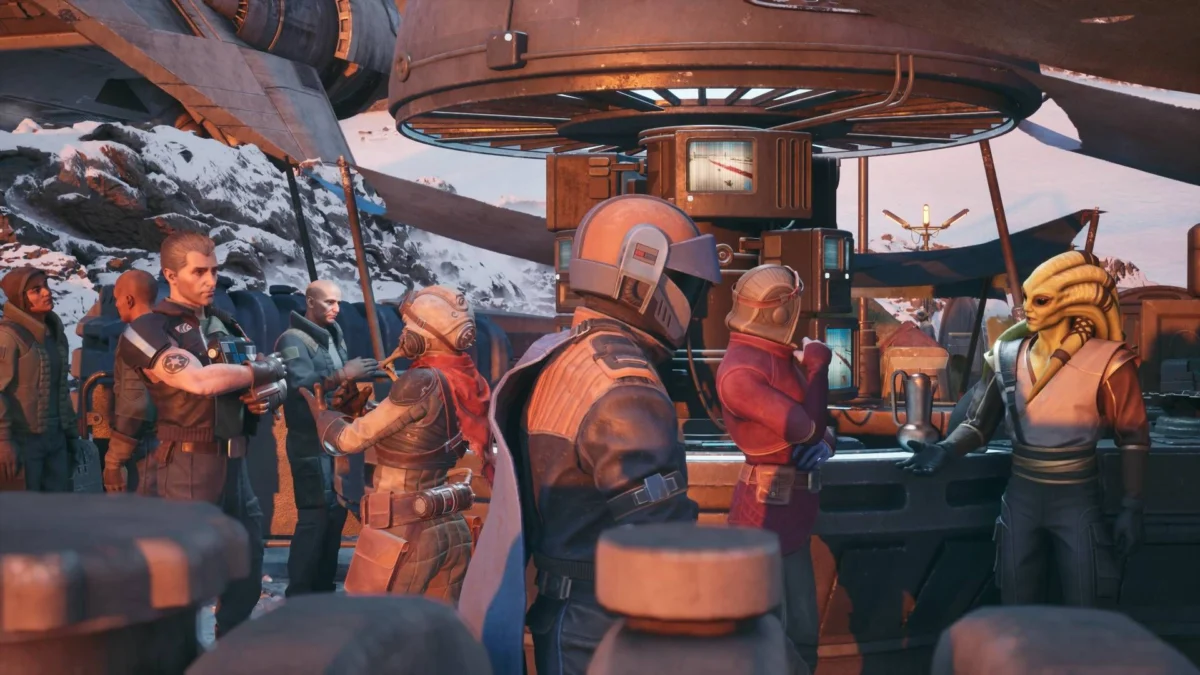
Trading traditional tires and petrol engines for repulsorcraft technology, the game features three distinct vehicle archetypes: all-rounder landspeeders, nimble speeder bikes, and fluid skim speeders. Players step into the anonymous boots of "Shade," a rookie racer seeking to dethrone Kestar Bool, the arrogant, detestable champion of the newly established Galactic League.
Chronology: The Journey Through the Galactic League Tours
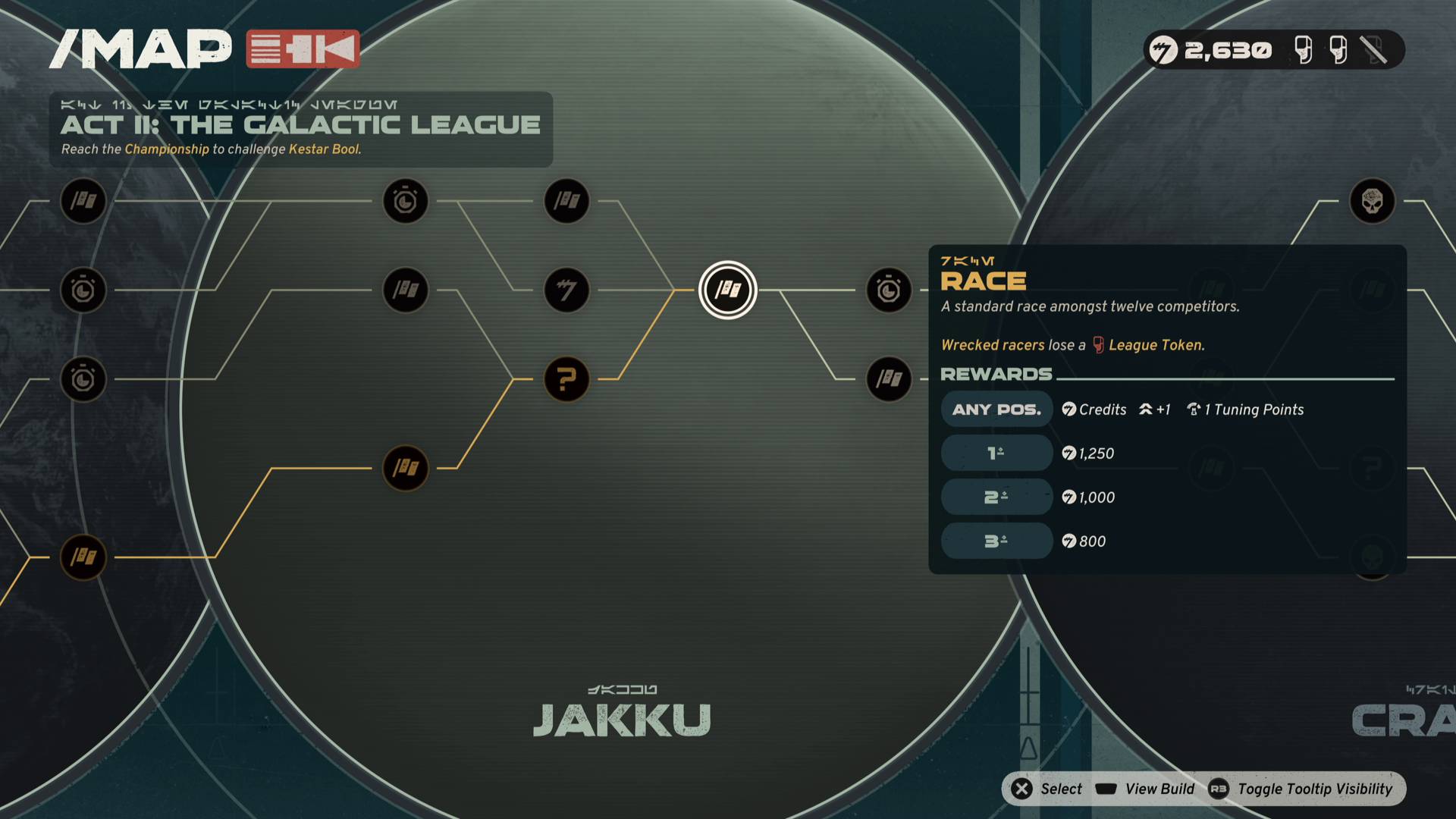
The narrative and campaign structure of Star Wars: Galactic Racer break away from traditional racing game blueprints. Instead of progressing through linear, predictable cups or wristbands, the campaign unfolds across run-based tours deeply influenced by roguelike mechanics.
Act-Based Progression and Branching Paths
As players pilot their chosen speeder through the galaxy, they select branching paths on a tour map, dictating which race events and trials to tackle next. Every four events, the Galactic League shifts to a brand-new planet featuring distinct circuits, environmental hazards, and paddock areas where racers can purchase crucial upgrades.
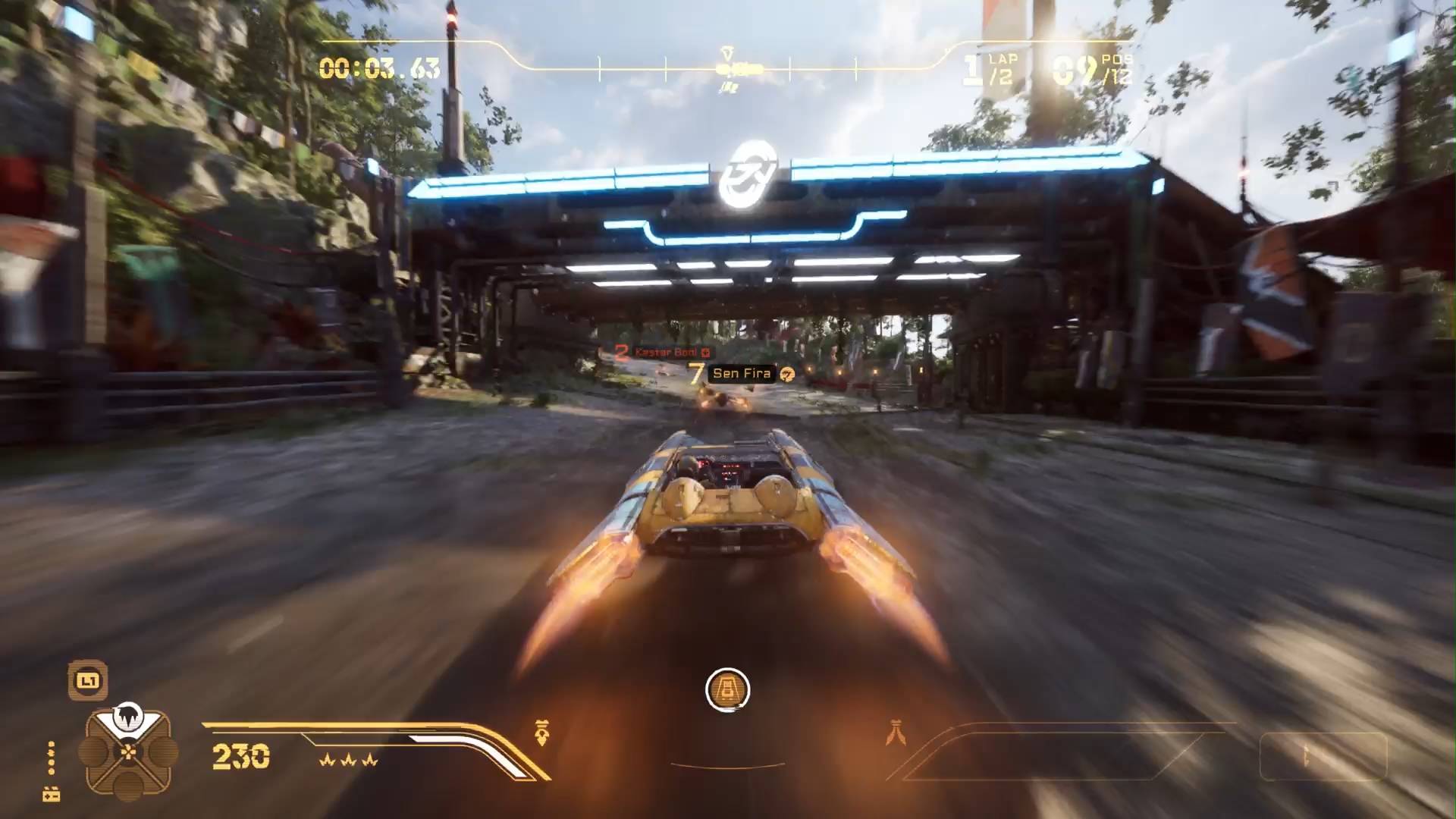
Survival is paramount. Players must carefully manage their League Token and avoid becoming "Wrecked" (accumulating three crashes) to reach the tour’s grand finale. Falling short means losing the token and forcing a restart of the entire tour—a high-stakes formula that instills genuine tension into every corner.
The Escalation of Act 3
While early tours offer snappy, bite-sized adrenaline rushes, the difficulty curve sharpens dramatically by Act 3. This final gauntlet forces players through all six planetary circuits in a rigid, mandatory order. Combined with brutal podracing challenges interspersed between planets—often featuring punishing hazards and cutthroat rivals like Ben Quadinaros—the campaign’s closing stretch occasionally stumbles, elongating tours that previously thrived on fast-paced momentum.
Supporting Data: Mechanics, Physics, and Tactility
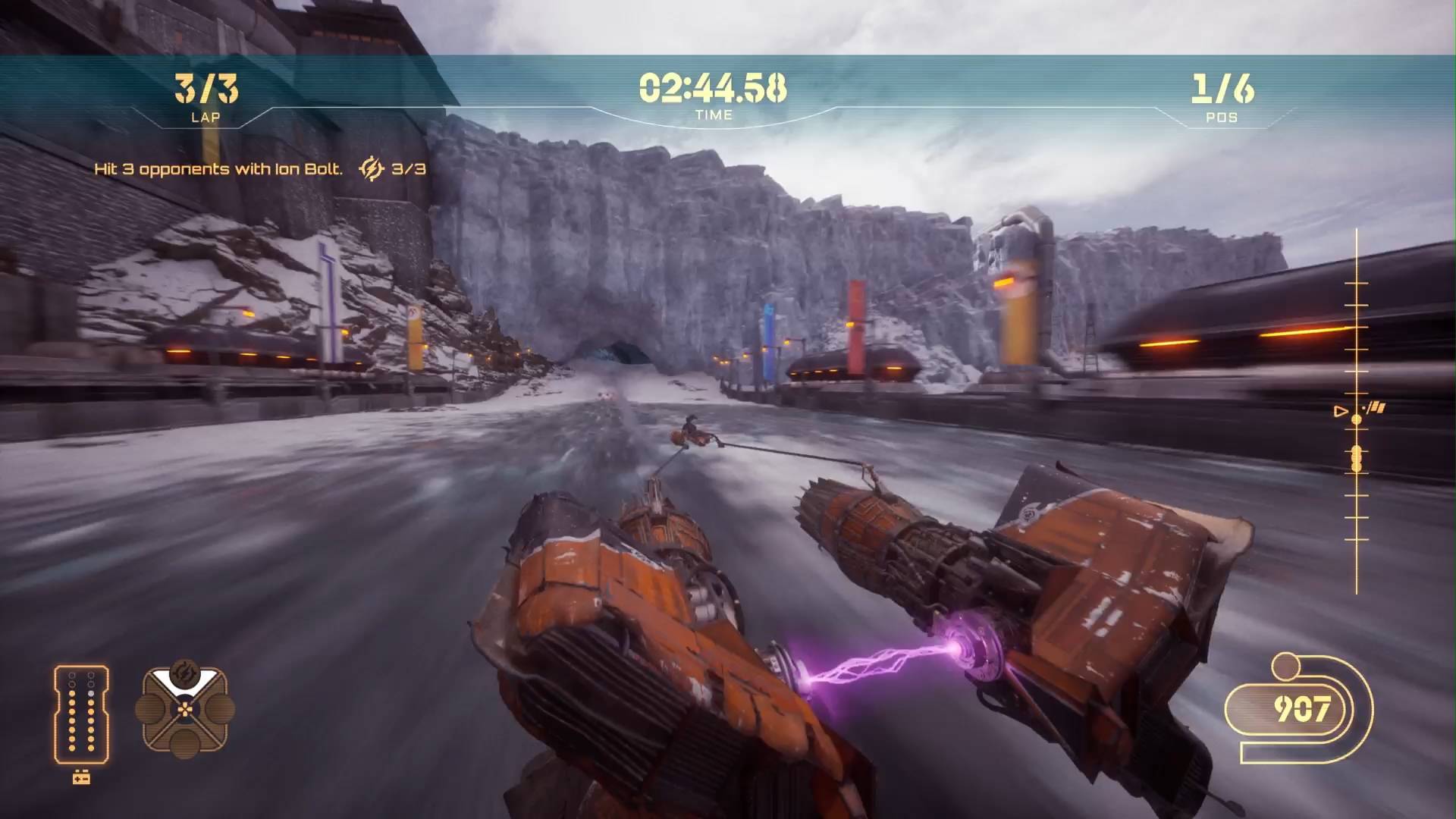
The heartbeat of Star Wars: Galactic Racer lies in its sublime driving physics and tactile interface. Unburdened by realistic traction, the repulsorcraft handle with an arcade fluidity that rewards mastery of drifts and high-speed arcs, rendering traditional brakes largely optional.
Pre-Race Preparation and DualSense Integration
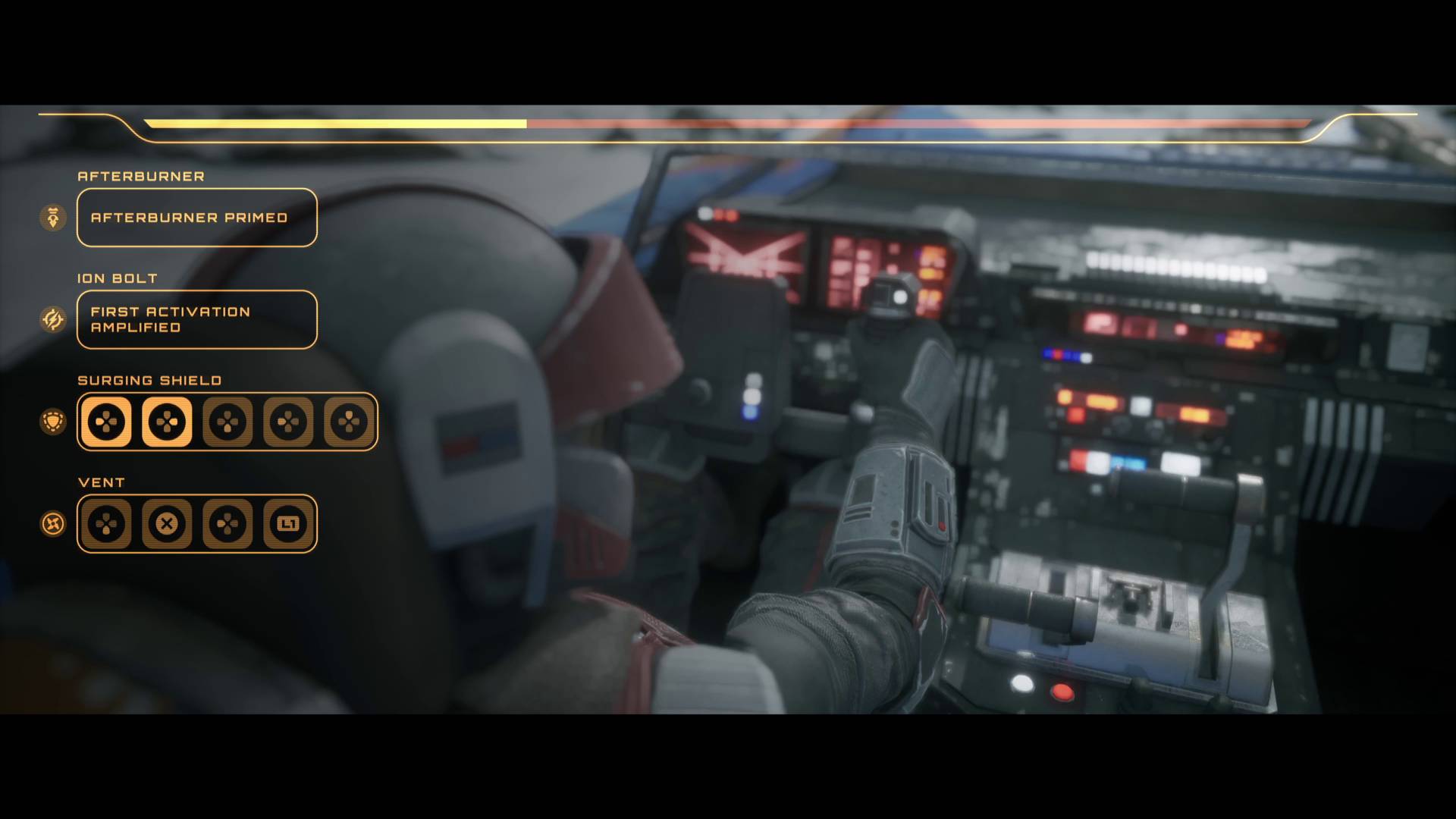
Before the lights turn green, players must complete a rapid, five-second pre-race check. This sequence requires inputting button commands—including the famous Konami code for the Auto-Pilot ability—to prime afterburners and start engines. On the PlayStation 5, the DualSense controller enhances this ritual with adaptive trigger resistance, mimicking the physical act of turning a key in an ignition.
Risk, Reward, and Mystery Encounters
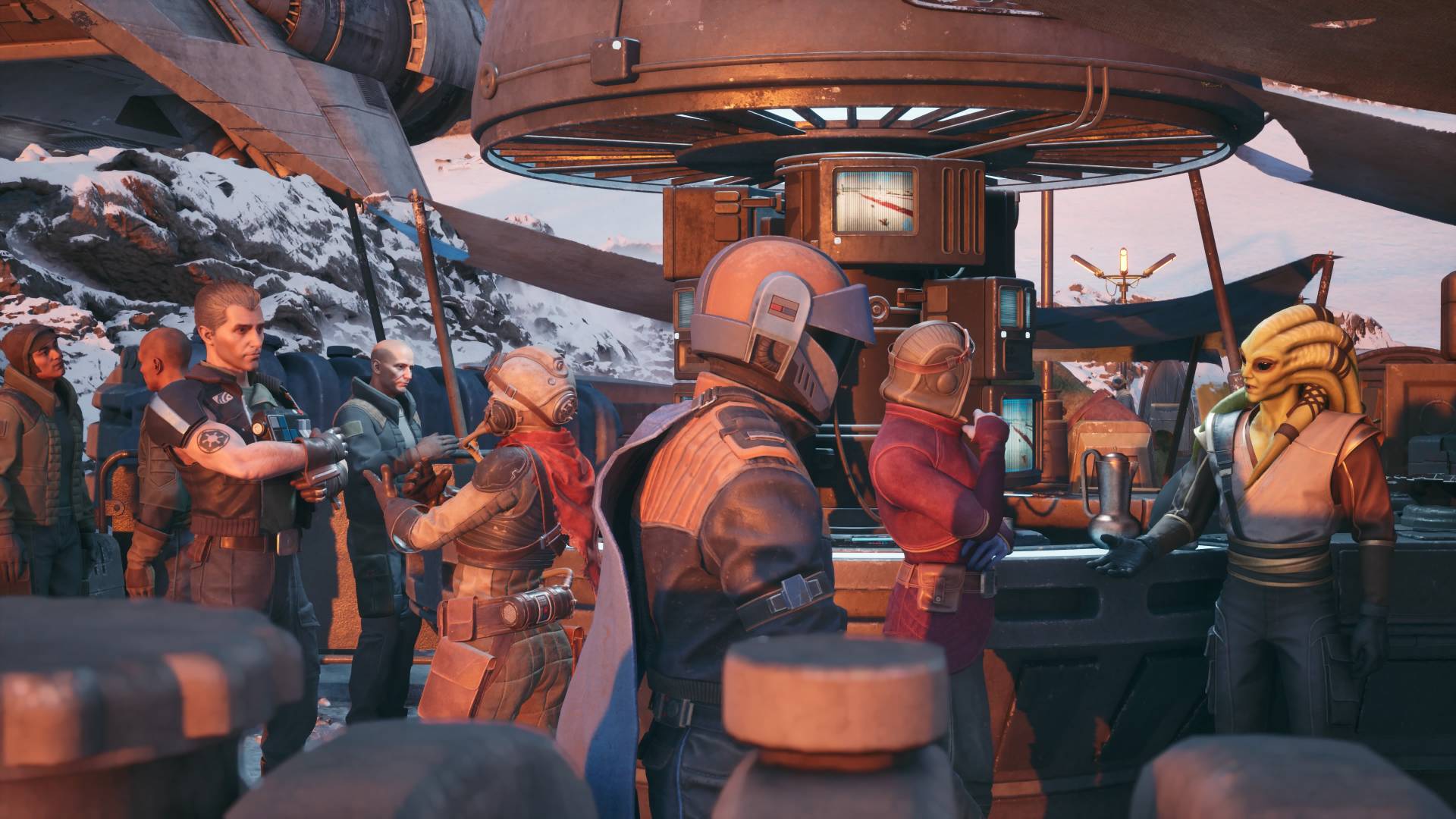
The game’s roguelike architecture shines brightest during non-racing intermissions known as Mystery Encounters. In the paddock, Shade interacts with a colorful cast of characters:
- Hibi: A monkey-like mechanic offering powerful, yet potentially flawed, speeder components.
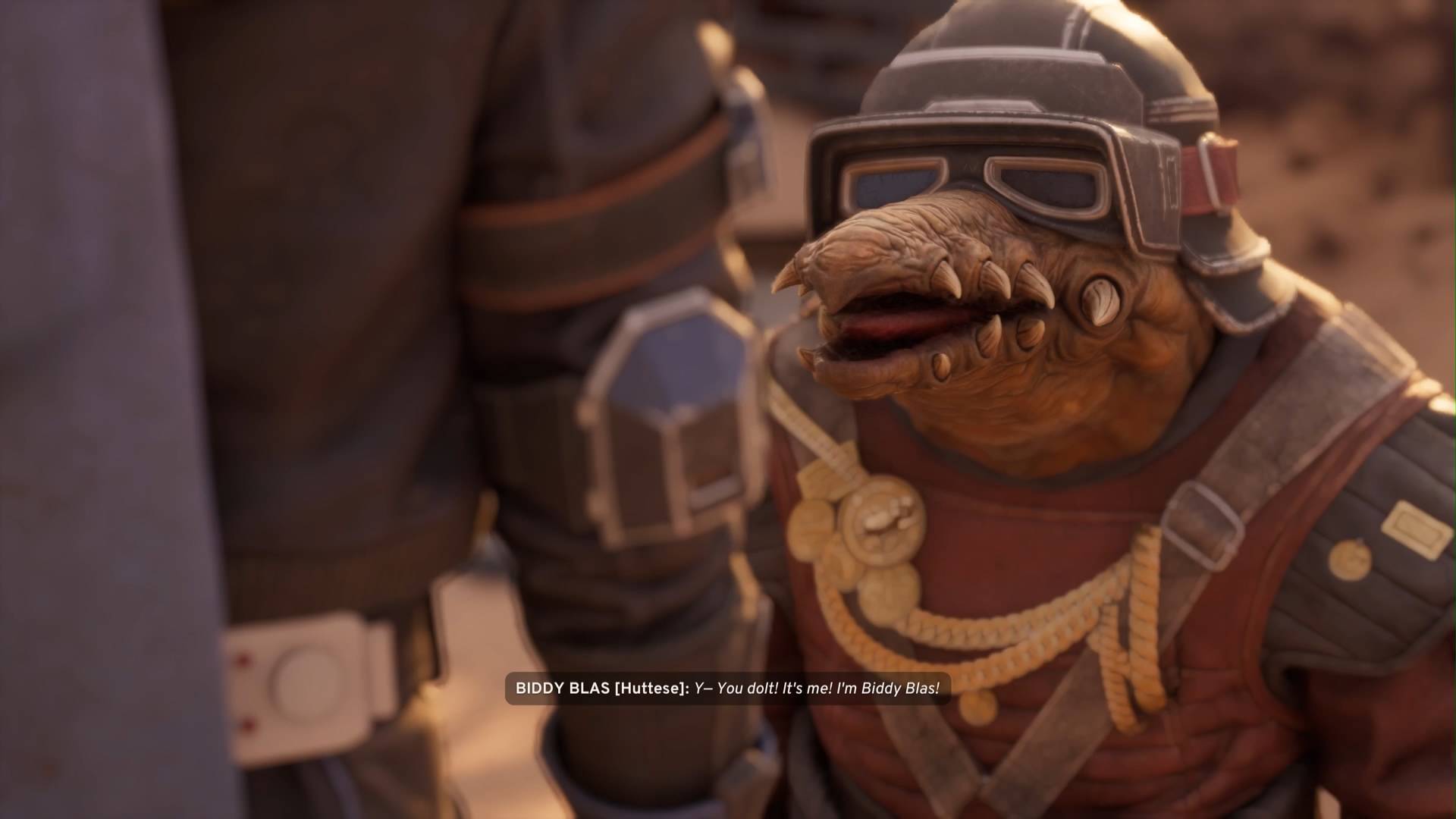
- Biddy Blas: An irritating, childish rival racer who gift-wraps an explosive "upgrade," sabotaging Shade’s vehicle two races later with gleeful radio taunts.
These encounters force a delicate balance of risk versus reward. Players can spec into boosting afterburners or pushing ramjets to their redlining limits, utilizing safety measures like Vent and Surge to bleed off heat before sustaining catastrophic crashes at speeds exceeding 600 or 700 kph.
Track Design and Planetary Variety
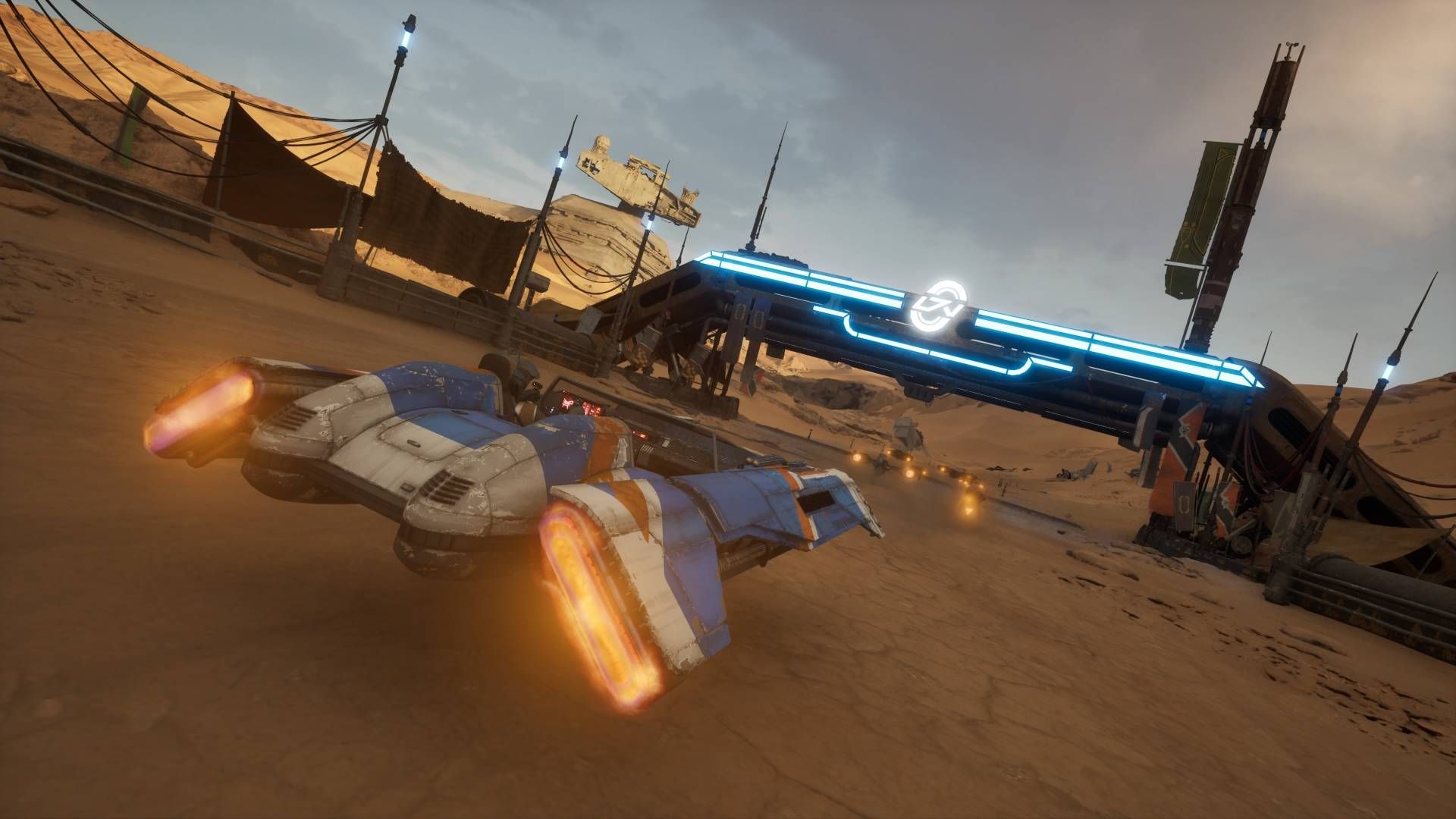
The galaxy is brought to life across six distinct planets, including Jakku, Ando Prime, Lantaana, Crait, and Sentinel I. While individual circuits share architectural DNA from their parent planets—sometimes causing tracks like Jakku’s War Fields and Debris Dunes to blur together—standout courses like Sentinel I’s Acid Ring provide chaotic, Mario Kart-esque battlegrounds. However, critics note that with only six planets available, the game falls slightly short of delivering a truly expansive "galactic" calendar, leaving players yearning for greater regional diversity.
Official Responses and Developer Vision
Fuse Games has positioned Star Wars: Galactic Racer as an unapologetic throwback to an era where video games prioritized immediate arcade thrills over complex management simulations. By combining the DNA of legendary arcade developers with the rich lore and iconic villains of the Star Wars universe, the studio aimed to create a title with distinct identity and friction.
Secret Mode, the publisher, has praised Fuse Games’ debut for successfully bridging two seemingly disparate genres. The integration of high-stakes roguelike progression into an arcade racer was designed to challenge player complacency, ensuring that no two championship runs feel identical.
Implications: A New Blueprint for the Racing Genre
Star Wars: Galactic Racer carries significant implications for the future of arcade racing games. For years, the genre has struggled to find a middle ground between hyper-realistic simulators and casual kart racers. By proving that roguelike progression models—traditionally reserved for dungeon crawlers and deckbuilders—can harmonize with high-velocity vehicular combat, Fuse Games has potentially forged a new industry blueprint.
Despite minor pacing stumbles in its final act, an abrupt story conclusion, and a desire for more expansive track variety, the game succeeds where many big-budget competitors fail: it injects genuine consequence, personality, and heart back into the race track. For both Star Wars enthusiasts and racing purists, Galactic Racer demonstrates that looking backward to the arcade golden age of the 2000s is the best way to accelerate into the future.

