

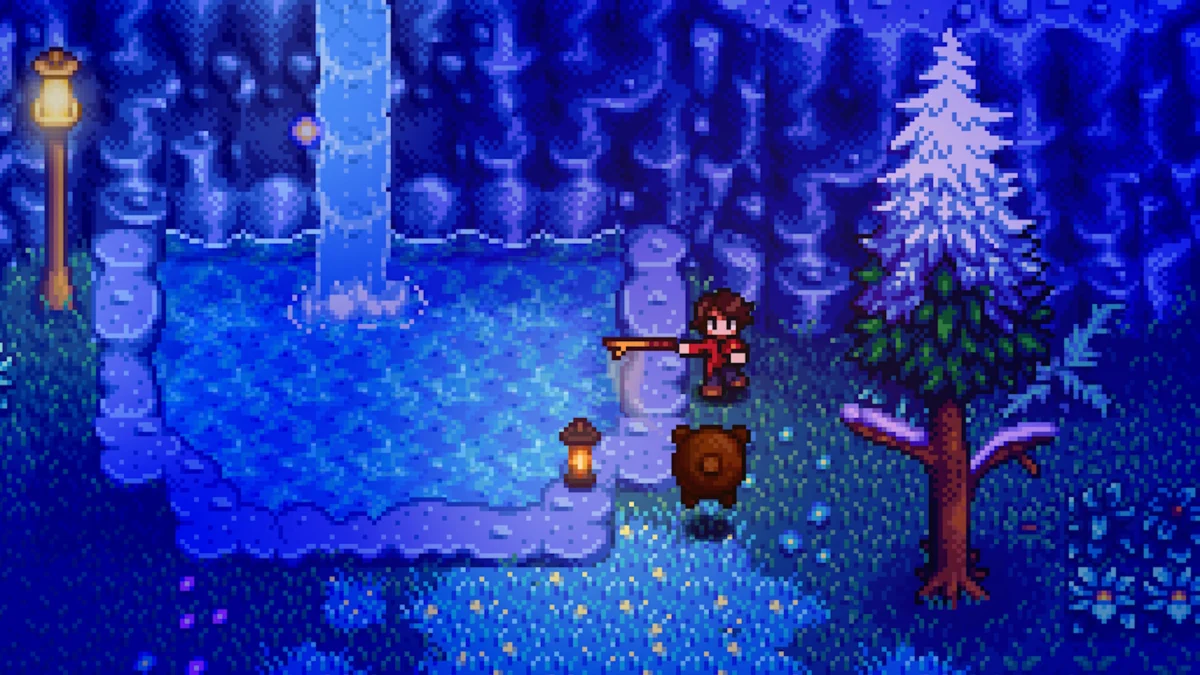
The anticipation surrounding Eric "ConcernedApe" Barone’s next project, Haunted Chocolatier, has reached a fever pitch. Ever since the solo developer announced he was moving on from the monolithic success of Stardew Valley to a new, mysterious venture involving ghosts, confectionery, and magical shop-keeping, fans have been hungry for any scrap of information. However, in a recent update, Barone made it clear that while progress is steady, the "oven" is still very much on, and he has no intention of pulling the tray out prematurely.
For a gaming industry that thrives on relentless marketing cycles, vertical slices, and early access roadmaps, Barone’s approach is a refreshing, albeit agonizing, anomaly. By choosing to prioritize the integrity of his vision over the pressure of constant engagement, the developer is doubling down on the philosophy that made his previous work a global phenomenon: quality requires time, and perfectionism cannot be rushed.
The State of Development: A Peek Behind the Curtain
In a candid blog post that resonated with fans of the "cosy game" genre, Barone addressed the current state of Haunted Chocolatier. He acknowledged that the project is not only larger in scope than Stardew Valley but also inherently more complex. As a solo developer who famously handled every pixel, note of music, and line of code in his previous title, Barone’s perfectionism is a double-edged sword.
"It’s not a simple task," Barone noted, emphasizing the mental toll of agonizing over every granular detail. "I torture myself over every last detail."
This perfectionism is the primary reason why fans have seen so few updates. While other developers might feel compelled to release a "work-in-progress" screenshot or a teaser trailer to keep the community engaged, Barone views such actions as premature. He compares the development process to baking a loaf of bread; serving it before it is fully baked results in an unsatisfying experience for the customer.
A Chronology of Anticipation
The journey toward Haunted Chocolatier has been one of deliberate, patient expansion. Since the project’s inception, the timeline has been characterized by long periods of radio silence punctuated by brief, meaningful updates.
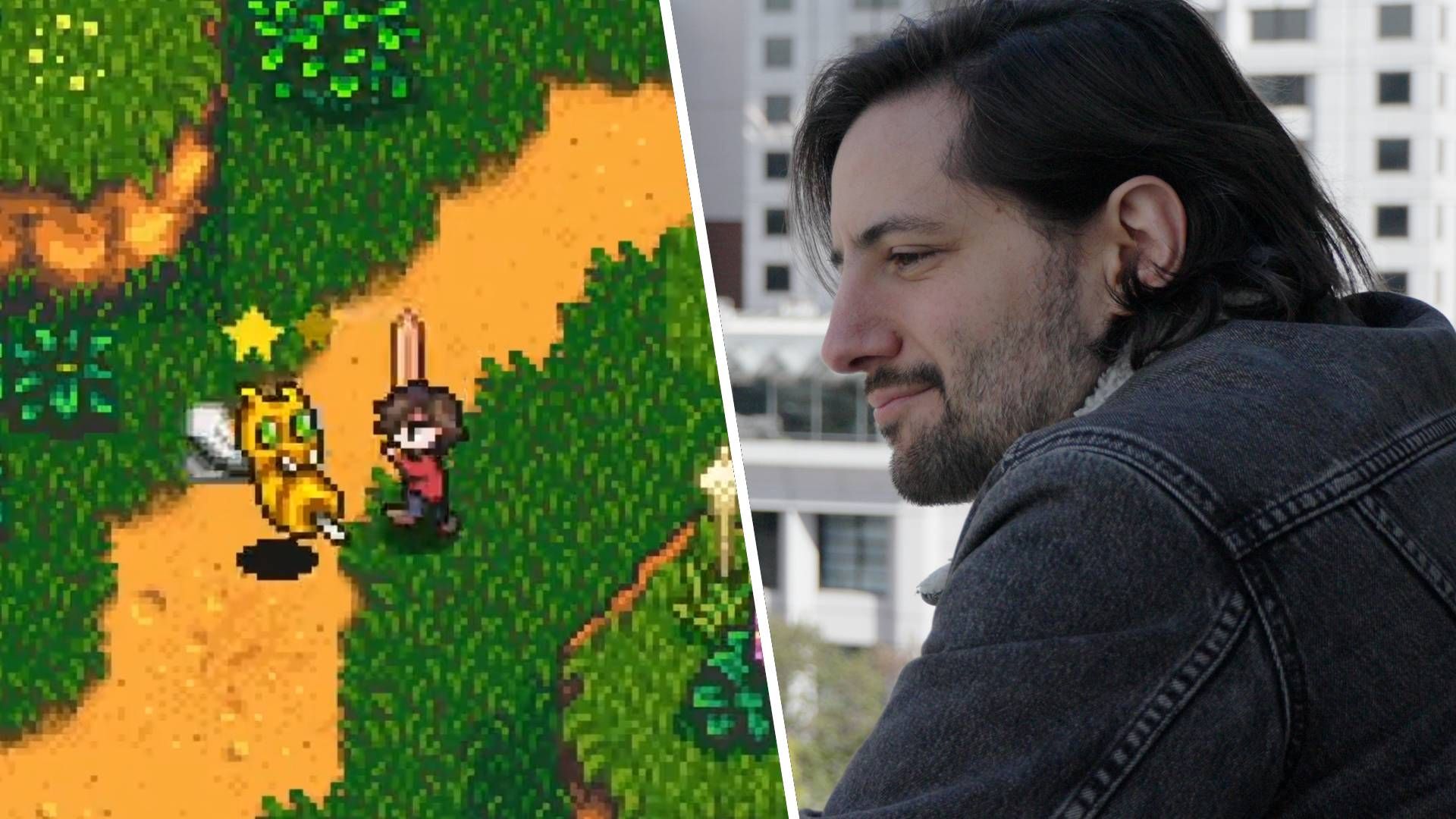
- October 2021: Barone officially announces Haunted Chocolatier via a reveal trailer, showcasing the core gameplay loop: gathering ingredients, crafting chocolate, and managing a haunted shop.
- 2022–2023: Throughout these years, Barone provides intermittent updates. He confirms that while the game shares DNA with Stardew Valley—such as the isometric art style and life-sim elements—it will feature more "active" combat and a distinct, more atmospheric tone.
- Mid-2024: During the ongoing development, Barone pivots his focus toward balancing the game’s various systems. He emphasizes that he is in no rush to hit a specific launch window, prioritizing the "feel" of the game over a commercial deadline.
- Present Day: The latest update reiterates that the game is still in a state of flux. Systems are being refined, removed, and added, reinforcing the idea that any premature reveal could lead to public confusion regarding the final product’s identity.
The Risks of Early Exposure
One of the most profound insights from Barone’s latest commentary is his concern regarding the "curse of expectations." In the modern era of game development, developers often share early builds or concept art to secure funding or generate hype. However, this creates a narrative trap. If a player sees a specific mechanic or visual style in an early alpha and that feature is subsequently cut or altered, it can lead to community backlash—or at the very least, a sense of disappointment.
"If I reveal them early, I risk disappointing players if the final product does not match their expectation," Barone explained.
This philosophy challenges the current industry standard of "open development." While games like Cult of the Lamb or the various titles from the YapYap ecosystem have benefited from community-led iteration and constant feedback loops, Barone’s method is fundamentally different. He is not building a community-driven sandbox; he is crafting a singular, authored experience. By keeping his cards close to his chest, he ensures that when the "bread" is finally served, it will be exactly as he intended—not a collection of discarded ideas or broken promises.
Marketing Without the Hype Machine
Perhaps the most significant aspect of this update is Barone’s acknowledgment of his unique position within the industry. With Stardew Valley having surpassed 35 million sales, Barone is one of the few independent developers who does not need to engage in the traditional, high-pressure marketing cycle.
He is essentially free from the "marketing debt" that plagues most indie studios. He doesn’t need to chase headlines, pad his social media metrics, or secure early pre-orders to keep the lights on. This financial and creative independence allows him to work at a pace that is sustainable for his mental health and beneficial for the game’s polish.
"I’m in a position where I don’t need to market the game," he stated. This is not arrogance, but a simple recognition of the trust he has built with his audience. His fans are not waiting for a polished PR campaign; they are waiting for a game that carries the "ConcernedApe" seal of quality.
Implications for the Industry
The "Slow Bake" approach offers a fascinating counter-narrative to the "Live Service" model that currently dominates the AAA space. Where major publishers are often incentivized to launch early and patch later, Barone’s commitment to a "fully baked" product suggests that there is still a massive market for finished, high-quality, singular experiences.
The Impact on Indie Development
For aspiring developers, Barone serves as a blueprint for success through authenticity. He demonstrates that you don’t need to mimic the industry’s frantic pace to be relevant. By focusing on the intrinsic quality of the game, he manages to maintain relevance through cultural impact rather than digital noise.
The Evolution of the Life-Sim Genre
Haunted Chocolatier represents the next evolution of the life-sim. By moving away from the pastoral comfort of a farm and into the slightly eerie, supernatural world of a chocolate shop, Barone is signaling that he isn’t interested in simply iterating on Stardew Valley. He is exploring new thematic ground, which requires new systems, new combat mechanics, and a new atmosphere. The delay is not merely a result of perfectionism; it is a result of creative ambition.
Conclusion: The Reward for Patience
As the gaming world continues to churn out titles that are often plagued by day-one bugs and cut content, Eric Barone’s insistence on silence feels like a necessary act of rebellion. He is protecting his creation from the corrosive influence of public scrutiny until it is ready to stand on its own.
While the prospect of waiting longer for Haunted Chocolatier might be difficult for those who have spent hundreds of hours in Pelican Town, there is comfort in knowing that the developer is treating the game with the same reverence as his fans. He is not just building a product; he is crafting an experience. And if history is any indication, the final result will be well worth the wait. For now, we remain on the outside, looking in, waiting for the scent of fresh, haunted chocolate to finally hit the air.

