

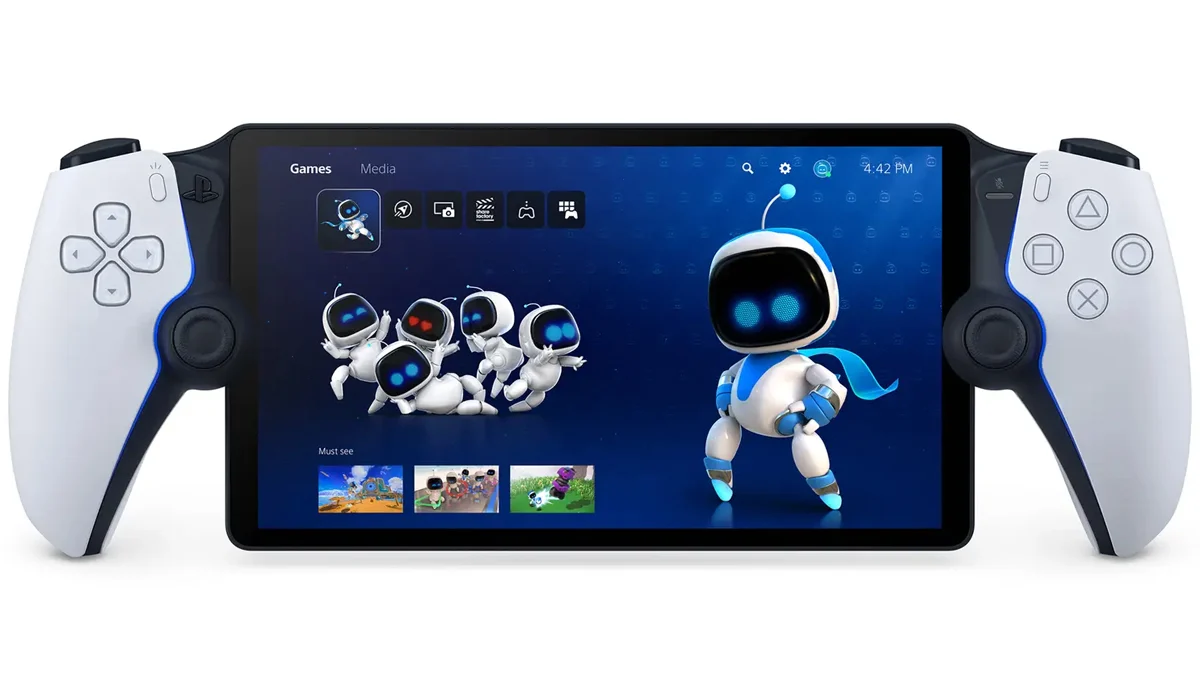
October 2026 — Sony Interactive Entertainment has quietly deployed system software update 7.3.0 for the PlayStation Portal, marking the popular handheld streaming device’s second major firmware revision in less than a month. The rapid succession of system updates has intensified industry-wide speculation that the hardware giant is actively preparing the device’s software ecosystem for an anticipated upcoming hardware refresh, widely rumored to feature an upgraded OLED display just in time for the critical 2026 holiday shopping season.
While the timing of the update has caught the attention of hardware analysts and consumers alike, the deployment is currently rolling out in phases across global markets. Users who have not yet received an automatic prompt to download the new firmware are advised to check their device settings manually over the coming days as Sony broadens the distribution server reach.
Main Facts
The release of system software update 7.3.0 arrives on the heels of a surprisingly brisk maintenance schedule for the PlayStation Portal, a dedicated remote-play accessory designed to stream games directly from a user’s PlayStation 5 console or, more recently, through cloud-based infrastructure.
Key developments surrounding the latest update include:
- Firmware Version: System Software Update 7.3.0, released globally on October 8, 2026.
- Update Frequency: This marks the second firmware patch issued for the PlayStation Portal within a three-week window—an unusually high frequency for the accessory, which typically receives quarterly or semi-annual maintenance.
- Cloud Library Expansion: Concurrently with the firmware rollout, Sony expanded the PlayStation Portal’s direct cloud streaming library, welcoming the newly launched title Hellraiser: Revival to the catalog.
- Deployment Method: The update is currently rolling out in a phased manner, meaning users will receive download notifications progressively over the next 48 to 72 hours.
Despite the intriguing timing, official patch notes provided by Sony Interactive Entertainment remain lean, aligning with historical minor-patch protocols that typically cite standard system performance and stability enhancements under the hood.
Chronology of Recent Updates and Hardware Leaks
To understand the significance of system software update 7.3.0, it is essential to look at the accelerated timeline of software and hardware developments surrounding the PlayStation Portal over the past several weeks.
September 24, 2026: Battery Health Optimization Update
Just weeks prior to the deployment of version 7.3.0, Sony rolled out a significant system software update targeted at power management. The September patch introduced sophisticated underlying algorithms designed to preserve long-term battery health, mitigating degradation caused by extended charging cycles and heavy remote-play sessions. Industry insiders noted that optimizing power delivery and thermal management is a critical preparatory step when transitioning to new screen technologies, such as the power-efficient characteristics often associated with modern OLED panels.
Early October 2026: Leaked Hardware Filings
The release cadence shifted dramatically following leaked regulatory and manufacturing filings surfacing in early October. These documents pointed toward an impending hardware update for the PlayStation Portal, specifically detailing components consistent with an OLED display model. While Sony has maintained a strict silence regarding unannounced hardware, the proximity of the regulatory leaks to the sudden acceleration in firmware updates has fueled intense consumer curiosity.
October 8, 2026: Version 7.3.0 and Cloud Integration
Deploying quietly without major marketing fanfare, update 7.3.0 arrived alongside an expansion of the Portal’s cloud streaming capabilities. The introduction of Hellraiser: Revival to the day-one cloud streaming lineup underscores Sony’s ongoing effort to position the PlayStation Portal not merely as an in-home remote-play accessory, but as a standalone cloud-gaming portal capable of functioning independently of a local PlayStation 5 console.
Supporting Data and Ecosystem Analysis
The PlayStation Portal has vastly outperformed initial market expectations since its launch. Originally met with skepticism due to its reliance on local Wi-Fi and lack of native processing hardware, the device quickly found a dedicated consumer base. By leveraging continuous firmware updates, Sony has systematically addressed consumer pain points, transforming the Portal into a robust ecosystem component.
| Firmware / Event | Date | Primary Focus / Feature Addition |
|---|---|---|
| System Update | September 24, 2026 | Battery health preservation algorithms and power management tuning. |
| Hardware Leak | Early October 2026 | Regulatory filings hint at an upcoming OLED hardware revision. |
| System Update 7.3.0 | October 8, 2026 | Phased rollout for stability tweaks and ecosystem alignment. |
| Cloud Expansion | October 8, 2026 | Integration of Hellraiser: Revival into the direct cloud streaming library. |
The frequency of these updates suggests that Sony’s engineering teams are actively unifying the software branch across both current LCD units and prospective next-generation hardware iterations. Ensuring that cloud streaming protocols, audio drivers, and power frameworks are uniform across all physical configurations reduces fragmentation for developers and end-users alike.
Official Responses and Industry Reception
As is customary for iterative firmware updates and unconfirmed hardware rumors, official representatives from Sony Interactive Entertainment have declined to comment on speculation regarding an OLED model. Corporate communication channels have strictly focused on the utility of system software update 7.3.0 and the continuous expansion of the PlayStation ecosystem’s cloud gaming initiatives.
However, retail and industry analysts have been vocal about the strategic implications of these moves. Speaking on condition of anonymity due to non-disclosure agreements regarding manufacturer roadmaps, supply chain analysts noted that consumer electronics companies frequently update firmware infrastructure weeks ahead of manufacturing transitions to ensure seamless out-of-the-box experiences for early adopters of new hardware revisions.
Consumer reception across community forums and enthusiast platforms has been overwhelmingly optimistic. Many early adopters who praised the comfort and ergonomics of the original PlayStation Portal have expressed eagerness for an OLED variant, citing the desire for deeper black levels, improved contrast ratios, and enhanced energy efficiency during portable gaming sessions.
Implications for Consumers and the Future of PlayStation Remote Play
The quiet deployment of update 7.3.0, paired with recent infrastructure expansions for cloud streaming, carries several notable implications for the broader gaming market:
1. Maturation of Standalone Cloud Play
By continuously expanding the direct cloud streaming library—highlighted by the inclusion of titles like Hellraiser: Revival—Sony is slowly pivoting the PlayStation Portal away from being strictly tethered to a physical PlayStation 5 console. This evolution increases the long-term value proposition of the hardware, making it an attractive standalone proposition for gamers who subscribe to higher tiers of PlayStation Plus.
2. Preparation for Holiday 2026 Retail Strategies
If industry rumors regarding an OLED model hold true, launching the revised hardware ahead of the 2026 holiday shopping season would represent a textbook consumer electronics strategy. Releasing foundational firmware updates weeks in advance allows engineers to iron out bugs, stabilize network handshakes, and optimize battery performance before millions of new devices hit the retail market.
3. Maintenance of Existing Hardware
Importantly, the phased rollout of version 7.3.0 reassures current owners of the original LCD PlayStation Portal that Sony remains committed to supporting existing hardware. Rather than abandoning the initial install base in favor of a new model, Sony’s unified software approach ensures that performance enhancements, security patches, and feature rollouts remain consistent across all iterations of the handheld device.
As the phased rollout of system software update 7.3.0 continues globally, users should monitor their devices for automatic download prompts or initiate manual update checks via the system settings menu to ensure their hardware remains optimized for the latest cloud streaming additions and systemic enhancements.

