

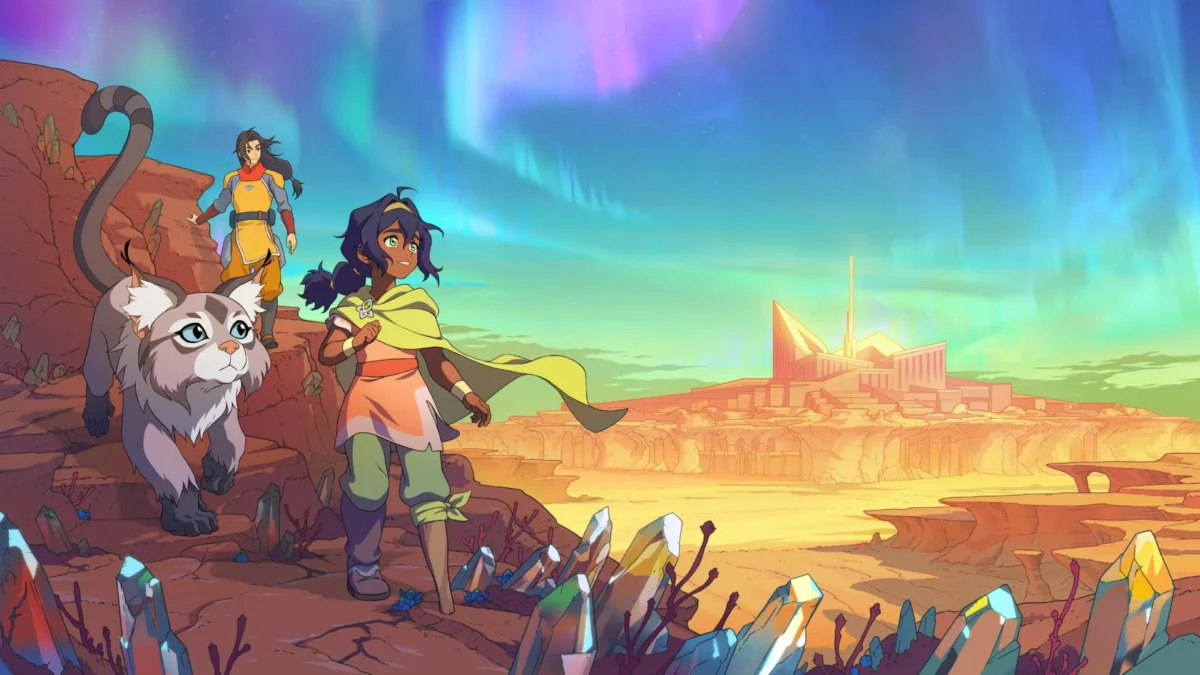
Verdict: A Bold New Frontier, Visually Unrefined
Avatar: Seven Havens marks an ambitious, high-stakes return to the world of elemental benders. It presents a post-apocalyptic vision of the franchise that is narratively gripping and intellectually stimulating. However, despite its structural brilliance and compelling character work, the series suffers from a profound disparity between its writing and its animation quality, resulting in a viewing experience that feels significantly less than the sum of its parts.
Main Facts: A Post-Apocalyptic Evolution
The Avatar franchise has always been defined by its ability to evolve alongside its audience. Avatar: Seven Havens, which premiered on Paramount Plus on October 9, takes this evolution to its logical, albeit bleak, extreme. Set long after the events of The Legend of Korra, the series introduces a world drastically altered by a mysterious cataclysm. Humanity now clusters within seven isolated "havens," living in the shadow of a dark legacy where the current population blames the previous Avatar for the collapse of their global society.
The series is helmed by executive producers Michael Dante DiMartino, Bryan Konietzko, Ethan Spaulding, and Sehaj Sethi. It centers on a premise that has ignited intense debate among fans: the introduction of twin protagonists, Pavi and Nisha, who both appear to possess the powers of the Avatar. This subversion of the franchise’s "one-at-a-time" rule provides the show with a foundational mystery that drives the narrative tension throughout the first season.
Chronology: The Journey to the Seven Havens
The series begins in the remnants of a fractured world. Following the downfall of the unified world established by Korra, the seven havens represent the last vestiges of civilization. The narrative follows Pavi (voiced by Aishu Devan) and Nisha (voiced by Saheli Khan) as they navigate a world that views them with a mix of awe and deep-seated resentment.
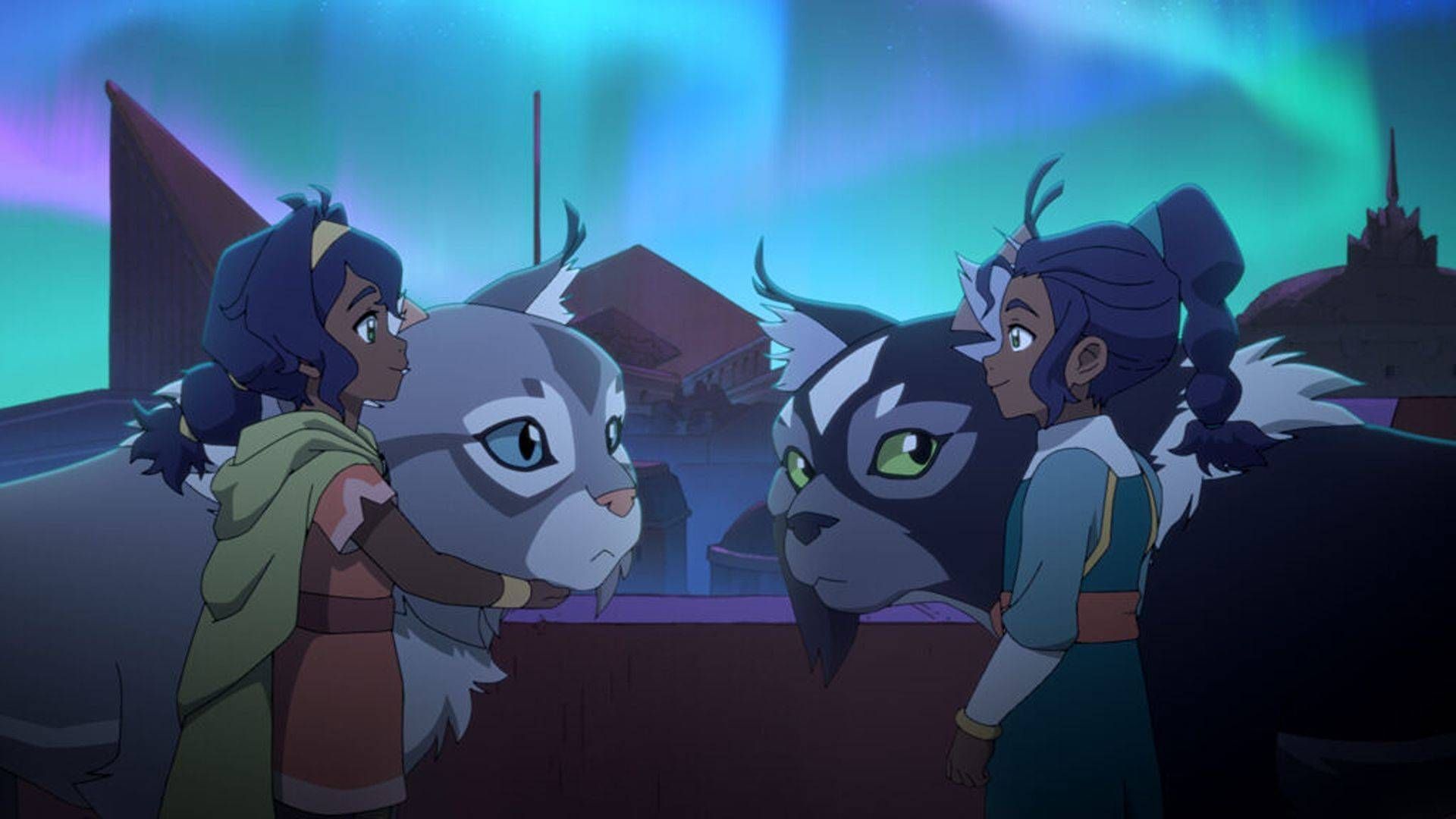
- Episode 1: Establishes the post-apocalyptic stakes and the shocking revelation of the dual-Avatar phenomenon.
- Episodes 2–4: The series focuses on world-building within the city of Ellora, exploring the socioeconomic fallout of the cataclysm and the struggle for resources.
- Episodes 5–6: The plot deepens, shifting focus toward the supporting cast, particularly the burgeoning dynamic between Jae and Karthik, who serve as the emotional anchors for the protagonists.
Throughout these episodes, the show attempts to balance the heavy, mature themes of a broken world with the youthful energy of its leads. While the pacing is generally tight, the show’s reliance on exposition occasionally clashes with the intended mystery, though it remains a compelling watch for long-time devotees of the series.
Supporting Data: Production and Performance
The production of Avatar: Seven Havens is a collaborative effort between Avatar Studios and Nickelodeon Animation Studios, with animation services provided by the French studio La Chouette Compagnie. With six episodes provided for review, the contrast between the high-quality writing and the inconsistent visual execution becomes apparent.
| Category | Metric |
|---|---|
| Platform | Paramount Plus |
| Release Date | October 9 |
| Key Voice Talent | Aishu Devan (Pavi), Saheli Khan (Nisha) |
| Animation Services | La Chouette Compagnie |
| Executive Producers | DiMartino, Konietzko, Spaulding, Sethi |
The "readability" of the action sequences is a recurring point of contention. The Avatar franchise is built on the foundation of martial arts-inspired bending, where the fluidity of movement is essential to storytelling. In Seven Havens, the animation often lacks the kinetic weight found in previous iterations like The Last Airbender or The Legend of Korra. While the backgrounds—specifically the sprawling shots of the city of Ellora—are vibrant and well-lit, the character designs often appear flat during active combat, making it difficult for viewers to track the flow of bending techniques.
Official Responses and Industry Context
The reception of Avatar: Seven Havens has been polarized, reflecting a wider industry conversation about the scaling of animated budgets for streaming platforms. While fans initially reacted with skepticism toward early trailers, the critical consensus has coalesced around the idea that the show is a "good story in a flawed vessel."
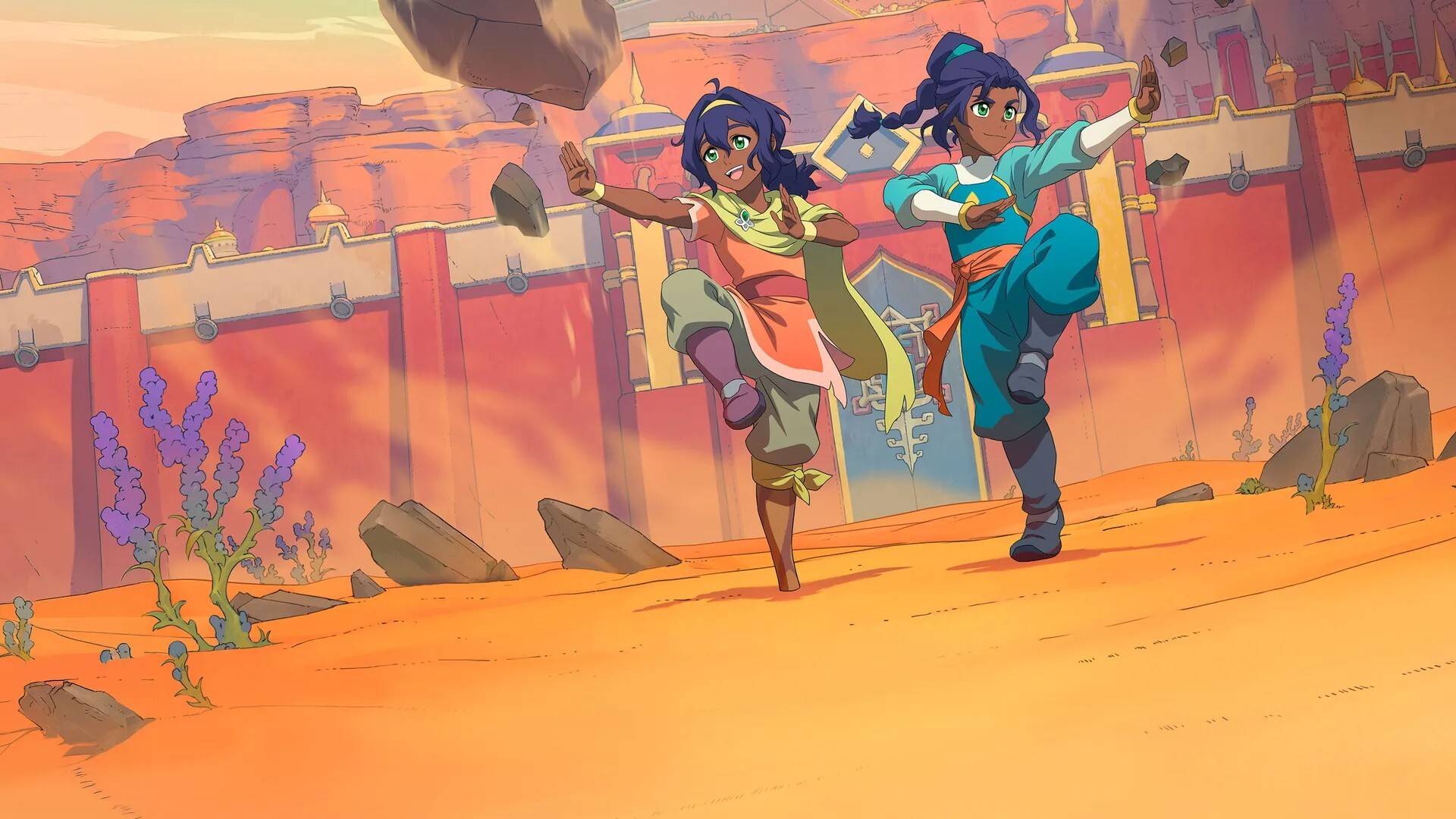
The shadow of the Avatar Aang: The Last Airbender sequel film looms large over this release. Because the film—produced with a higher, movie-grade budget—set an incredibly high visual bar earlier this year, the television series suffers by comparison. Studio Mir, the long-time partner for the Avatar franchise, is absent here, and the transition to a different animation studio has led to a noticeable shift in aesthetic identity.
Critics have pointed out that the show’s reliance on high-speed sequences often works against the animation budget. As noted in our review, "It doesn’t matter how fast or slick your animation is if it can’t be followed logically." This sentiment echoes the broader industry struggle to maintain the "Avatar look" without the resources that previously allowed for the franchise’s hallmark fluid combat.
Implications: Where Does the Franchise Go from Here?
The existence of Seven Havens proves that the Avatar universe remains a massive draw for audiences who are hungry for high-concept fantasy. The show successfully proves that the franchise can reinvent itself in a post-apocalyptic setting without losing its core identity. The mystery of the twin Avatars is a brilliant hook that could, if handled correctly, sustain several seasons of intrigue.
However, the implications for the future are clear: production value matters. For a franchise that is defined by the visual language of its action, the current animation quality is a bottleneck. If Avatar Studios intends to continue expanding this universe, they must reconcile the narrative ambition of their writers with the technical capabilities of their animation partners.

Final Thoughts
Avatar: Seven Havens is not a failure, but it is an imperfect entry in a storied franchise. Its characters are charming, its world is hauntingly beautiful, and its plot is genuinely intriguing. It earns its place in the canon, but it leaves viewers wishing that the animation had been given the same level of care and precision as the script.
For the die-hard Avatar fan, Seven Havens is essential viewing, if only to see how the world has evolved. For the casual viewer, it may be a more difficult sell. As the series continues its weekly release, one can only hope that the visual clarity improves as the stakes continue to rise.
For those looking for more, stay tuned to GamesRadar+ as we continue to track the latest in new TV shows and exclusive industry insights.

