

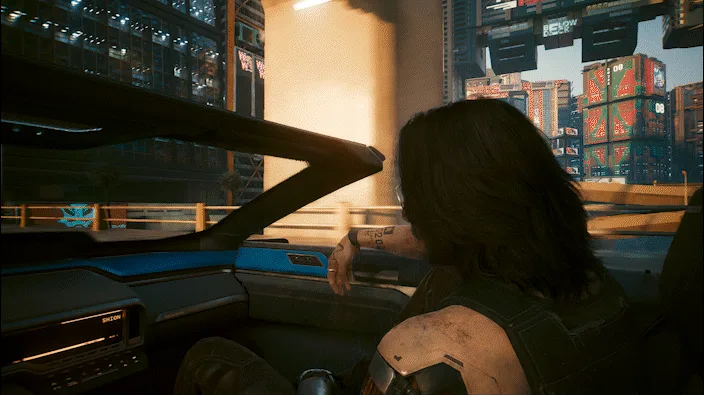
The story of Cyberpunk 2077 is arguably the most significant case study in modern gaming history—a narrative that began with the industry’s most high-profile collapse and concluded with a miraculous resurrection. CD Projekt Red (CDPR) has officially announced that its open-world magnum opus has surpassed 40 million copies sold worldwide. This milestone marks the end of a multi-year crusade to transform a broken, reviled product into a critically acclaimed pillar of the RPG genre.
The Milestone: Night City’s New Population
In a recent update shared via social media, the official Cyberpunk 2077 account confirmed that 40 million "dreamers" now inhabit Night City. This figure places the title in an elite tier of best-selling video games, cementing its status as a commercial juggernaut despite the immense turbulence that characterized its first year on the market.
For CD Projekt, this achievement is more than just a line on a balance sheet; it is the ultimate validation of their "fix it or die" philosophy. While many studios in the modern AAA landscape are quick to abandon projects that fail to meet launch-day expectations, CDPR doubled down, pouring years of labor, capital, and technical refinement into a game that many had written off as a lost cause.
A Chronology of Chaos and Redemption
To understand the weight of this 40-million-unit milestone, one must revisit the atmosphere of late 2020.
The Winter of Discontent (2020–2021)
When Cyberpunk 2077 launched in December 2020, the reception was catastrophic. While the PC version offered a playable, albeit glitchy, experience for those with high-end hardware, the console experience was fundamentally broken. Frame rates plummeted into the single digits, textures failed to load, and the game was plagued by game-breaking crashes.
The situation deteriorated so rapidly that Sony took the unprecedented step of removing Cyberpunk 2077 from the PlayStation Store, offering full refunds to disgruntled players. The backlash was global, leading to class-action lawsuits, a plummeting stock price for CD Projekt, and a massive loss of consumer trust. At the time, industry analysts and critics—including those at PC Gamer—suggested that the most prudent move would be to provide basic stability fixes and move on to the next project.
The Long Road to Stability (2022)
CD Projekt chose the path of resistance. Throughout 2021 and 2022, the studio engaged in a painstaking reconstruction effort. Patch 1.5, often cited as the turning point, finally brought the game to a state that felt complete, particularly on next-generation hardware. This period also saw the release of the Cyberpunk: Edgerunners anime on Netflix, a cultural phenomenon that breathed new life into the game’s community and served as a reminder of the strength of the game’s core lore and aesthetic.
The Phantom Liberty Pinnacle (2023–2024)
The release of the Phantom Liberty expansion and the accompanying 2.0 update served as the final piece of the puzzle. By completely overhauling the game’s perk trees, police AI, and vehicle combat, CDPR transformed Cyberpunk 2077 into the game that was promised in the 2018 E3 reveal. It was no longer just "fixed"; it was an industry-leading immersive sim.
Supporting Data: By the Numbers
The 40-million milestone invites comparison to other industry titans. While Cyberpunk 2077 has reached a level of success few games ever attain, it remains in the shadow of CDPR’s own The Witcher 3: Wild Hunt, which recently surpassed 65 million copies sold.
However, the trajectory of Cyberpunk 2077 is distinct. A significant portion of its sales—roughly 13 million copies—occurred in the first 10 days of release, fueled by unprecedented pre-order hype. The subsequent sales were earned through word-of-mouth, critical re-evaluations, and the game’s persistent presence in "best of" lists as its quality improved.
| Milestone | Context |
|---|---|
| Launch (Dec 2020) | 13 million copies sold in 10 days despite technical failure. |
| Recovery Phase (2021-2022) | Sales slowed as the game was delisted/removed from major storefronts. |
| Redemption (2023-2025) | Renewed interest via Phantom Liberty and 2.0 overhaul. |
| Current (2026) | Surpassed 40 million total units sold. |
Official Responses and Corporate Strategy
The sentiment from leadership at CD Projekt reflects both pride and a lingering humility. Co-CEO Michał Nowakowski, addressing the milestone, emphasized that the strength of the game is a testament to the studio’s commitment to immersive storytelling.
"40 million copies sold shows the incredible, lasting strength of Cyberpunk 2077 and is a testament to what CD Projekt does best—creating high-quality, immersive stories that keep players returning for years," Nowakowski stated. He further noted that this success provides a robust foundation for the future of the franchise, specifically mentioning the upcoming Cyberpunk: Edgerunners 2 anime.
Despite the celebratory tone, Nowakowski has been remarkably candid about the psychological toll the launch took on the company. In previous interviews, he admitted that he is "not 100 percent convinced" that the company has fully achieved a total redemption. He acknowledged that for a specific segment of the gaming population, the trust lost in 2020 is gone indefinitely. This acknowledgement is rare in the gaming industry, where corporate communications are typically polished to the point of sterility.
Implications for the Industry
The saga of Cyberpunk 2077 carries profound implications for the gaming landscape:
1. The "Games as a Service" vs. "Long-Tail" Debate
While Cyberpunk 2077 is not a live-service game in the traditional, microtransaction-heavy sense, it operated with a "live" mentality. CDPR proved that a single-player game can sustain a massive, multi-year development cycle if the core product has enough depth to support it. This stands in stark contrast to games like Mass Effect: Andromeda, which were abandoned by their developers after failing to meet initial quality benchmarks.
2. The High Cost of Hype
The initial 13-million-copy launch proved that marketing and brand recognition can move millions of units, but long-term success is only possible through sustained quality. The lesson for the industry is clear: launching an unfinished product might secure a quarter’s earnings, but it risks the long-term viability of the brand.
3. Trust is a Finite Resource
Nowakowski’s admission that the studio may have lost the faith of some fans "indefinitely" is a sobering reality check. No amount of post-launch patching can fully erase the memory of a failed promise. This realization is currently shaping CDPR’s approach to their upcoming Witcher projects, where they are being significantly more cautious about marketing timelines and transparency.
Conclusion
Reaching 40 million copies sold is a victory lap for a game that once seemed destined for the "hall of shame." It is a rare, perhaps singular, example of a massive corporate entity successfully course-correcting a failing product through sheer persistence and creative integrity. As CD Projekt turns its attention toward the future of the Cyberpunk universe and the next chapter of The Witcher, they do so with a hardened, pragmatic understanding of their audience. Cyberpunk 2077 is no longer just a cautionary tale; it is the gold standard for how to bring a game back from the brink of total destruction.

