

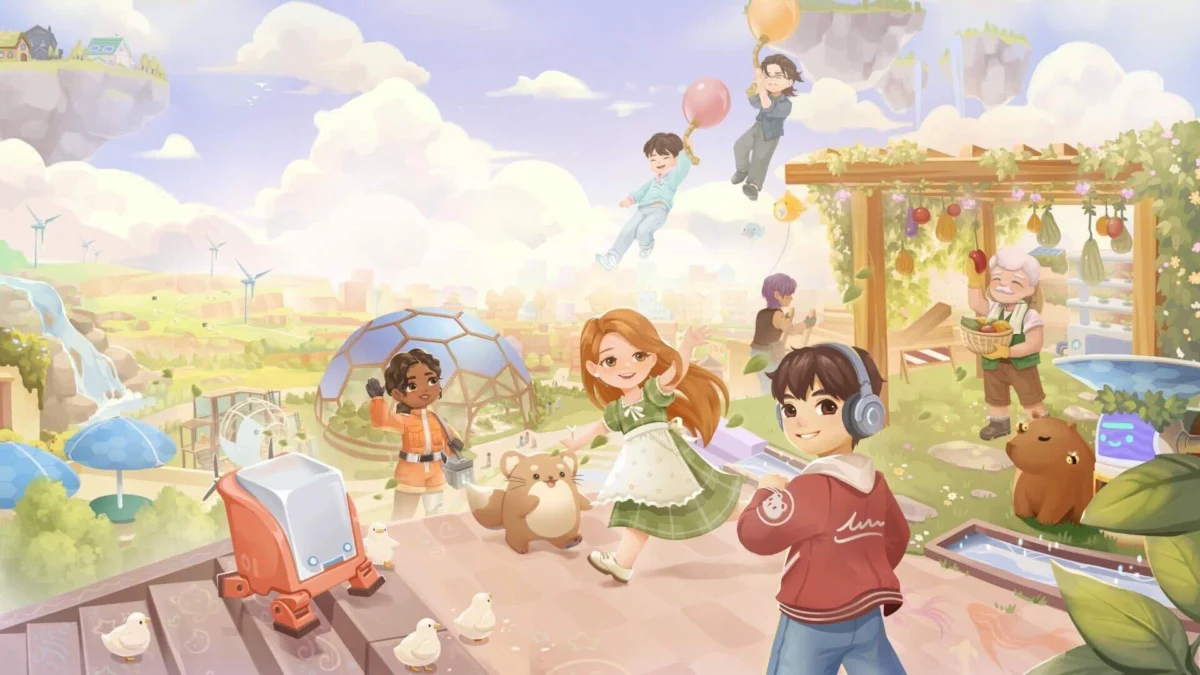
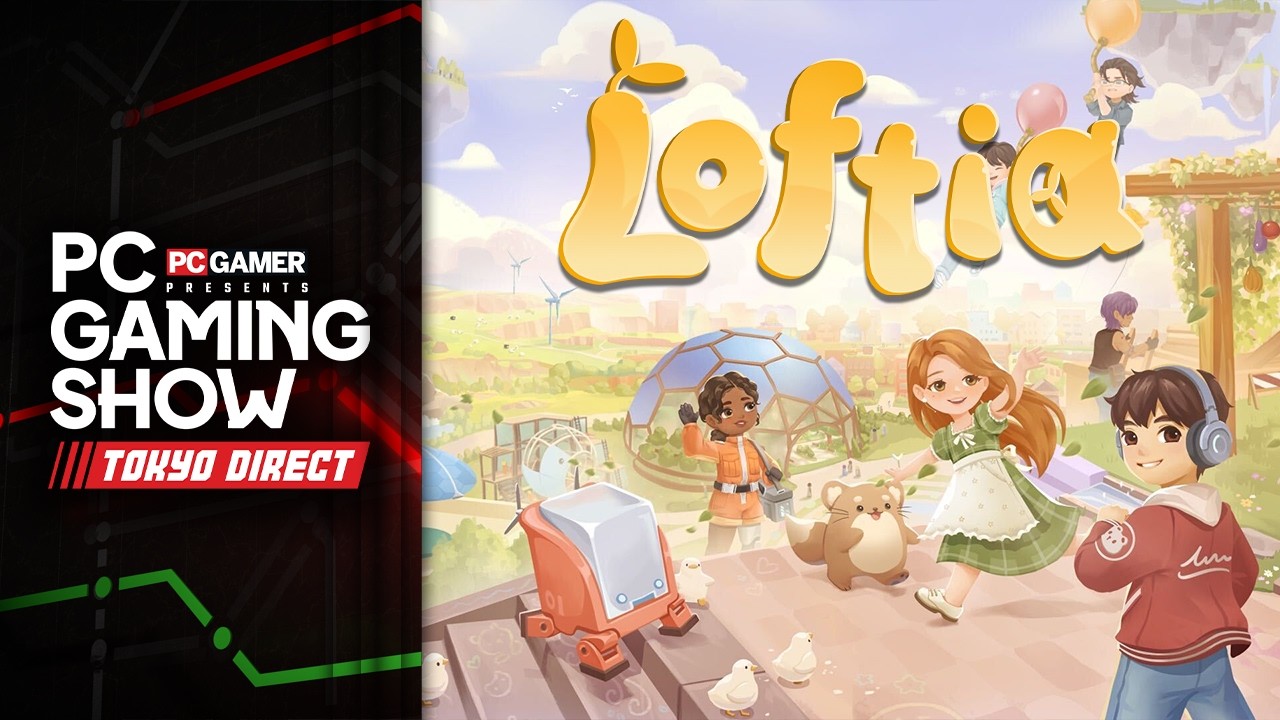
In a gaming landscape frequently dominated by post-apocalyptic grit, gray-scale realism, and the relentless pressure of competitive combat, Loftia arrives as a breath of fresh, stratospheric air. Announced during the highly anticipated PC Gaming Show Tokyo Direct, the eco-optimistic life-simulation MMO has finally pinned down a concrete release date for its early access phase: November 3, 2026.
After four years of meticulous development, Qloud Games is preparing to invite players to a world where the goal is not to conquer or destroy, but to cultivate, collaborate, and sustain. Loftia represents a significant shift in the MMO genre, trading the "grimdark" aesthetic for a vibrant, solarpunk-inspired vision of the future.
The Core Concept: A Sanctuary in the Clouds
At its heart, Loftia is designed as a "third space"—a social refuge outside of work and home where players can build genuine connections. The gameplay loop centers on individual floating islands, which serve as personal canvases for players.
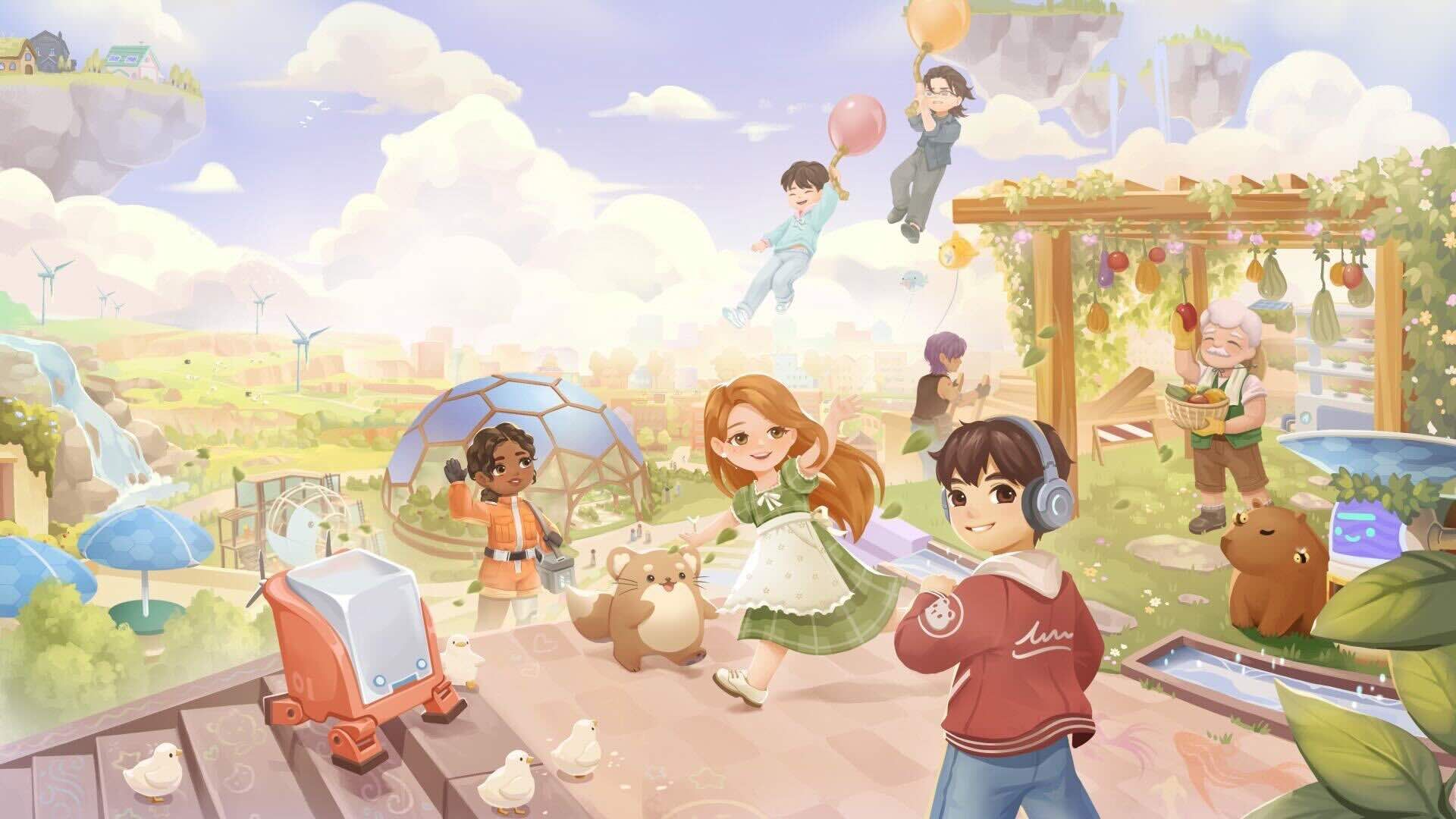
The game’s mechanics are built around the concept of sustainable living. Players can cultivate crops using advanced, aesthetic hydroponic systems, engage in animal rescue missions, and explore a vast, interconnected network of islands. Crucially, the developers have moved away from traditional combat systems. Instead of swords and guns, players will navigate the world through intricate puzzles and platforming challenges that encourage cooperation.
The social element is the backbone of the experience. The game features community-driven projects that require collective effort to succeed, fostering an environment where players aren’t just competing for resources, but working in tandem to build a thriving, harmonious commune in the sky.
A Four-Year Journey: The Development Chronology
The road to the 2026 early access launch has been a long and deliberate process for Qloud Games. Understanding the trajectory of Loftia requires looking at how the vision has evolved since the project’s inception.
- 2022: The Conceptual Phase: The studio began exploring the "eco-optimism" genre, looking to fill a void in the market for games that focused on constructive gameplay rather than competitive conflict.
- 2023: Defining the Aesthetic: Early concept art and prototypes began to circulate, highlighting the signature "Loftia look"—soft, cel-shaded visuals, lush vegetation, and the iconic floating island architecture that has become the game’s visual shorthand.
- 2024: Community Integration: Recognizing that a social MMO lives or dies by its community, Qloud Games leaned heavily into player feedback. This period saw the implementation of pet systems and advanced home-customization tools, which became major pillars of the gameplay.
- 2025: Technical Scaling: The team focused on the "MMO" aspect of the game, ensuring that servers could handle the social density required for large-scale community projects and synchronized world-events without sacrificing the "cozy" atmosphere.
- 2026: The Reveal: The PC Gaming Show Tokyo Direct served as the final announcement stage, where the team officially set the November 3, 2026, date, signaling that the core systems were finally ready for public stress-testing.
Data and Mechanics: What Players Can Expect
While Loftia is undeniably relaxing, it is not without depth. The developers have integrated a sophisticated set of systems that allow for high-level customization and gameplay variety.
Customization at Scale
The trailer revealed at the PC Gaming Show showcased an expansive suite of customization options. Players are not limited to just their interiors; they can modify their avatars, their companions (pets), and the structural layout of their floating islands. This level of granularity suggests that no two player islands will look the same, encouraging a sense of personal ownership over one’s digital living space.
The Challenge of the "Cracks"
Interestingly, Loftia isn’t entirely without tension. While the game eschews combat, the narrative introduces a looming threat: the "cracks" in the sky islands. These environmental anomalies serve as the primary source of conflict in the world. Rather than fighting an enemy faction, the community must rally to repair these fissures, turning a world-ending event into a collaborative maintenance effort. This creates a compelling "friction" that drives players toward interaction and cooperation.
Official Perspectives: The Vision of Qloud Games
Michael Su, co-founder and studio director of Qloud Games, has been vocal about the studio’s motivations for creating a space like Loftia. In recent statements, he emphasized the psychological importance of the "third space."
"We wanted a relaxing online world we could escape to with our friends—a third space with a welcoming community, things to do, and a home we could keep on coming back to," Su noted. This philosophy is evident in every design decision, from the lack of combat-related stress to the emphasis on communal building. The studio aims to avoid the "burnout" loop often found in traditional MMOs, where daily grinds are mandatory. Instead, Loftia intends to offer a steady, rewarding progression that respects the player’s time.
Implications for the MMO Market
The success of Loftia could have profound implications for the wider gaming industry. For years, the MMO genre has been defined by the "World of Warcraft" model: level up, gear up, raid, repeat. Loftia is part of a growing movement—alongside titles like Palia and Animal Crossing—that posits the MMO structure can be used for connection rather than dominance.
The "Cozy" Trend
The rise of "cozy games" has been one of the most notable shifts in the industry over the last five years. Loftia takes this movement and scales it. By applying the social architecture of an MMO to the gameplay loop of a life sim, Qloud Games is effectively creating a new sub-genre: the "Cozy MMO." If Loftia succeeds, it will likely pave the way for more developers to prioritize social wellness and environmental aesthetics over high-octane violence.
Sustainable Monetization and Engagement
Because Loftia focuses on home decoration and community projects, it offers a sustainable model for long-term player engagement. By keeping the community focused on shared goals, the developers create a natural sense of belonging. The implication for the industry is clear: players are increasingly seeking games that function as platforms for expression and friendship rather than just test-beds for reflexes.
Looking Toward November 3, 2026
As the countdown to the early access launch begins, the anticipation within the community is palpable. For many, Loftia represents the realization of a digital dream—a place where the future isn’t something to fear, but something to build together.
The inclusion of the game in the PC Gaming Show Tokyo Direct has significantly boosted its profile, with many players now flocking to the Steam page to wishlist the title. This early engagement is critical for the game’s longevity. As the developers prepare to open the gates to the sky islands, the focus will shift to server stability, community moderation, and the refinement of the core social mechanics.
The shift from a "dark and gloomy" gaming landscape to one that embraces "eco-optimism" is a welcome evolution. Whether or not Loftia can maintain its charm while scaling up to accommodate thousands of players remains to be seen. However, if the past four years are any indication, Qloud Games is committed to a vision that puts the player’s sense of peace and belonging above all else.
In a world that often feels fractured, Loftia offers a literal and figurative sanctuary—a place to look up, breathe, and start building something better. Those interested in joining the community can keep an eye on the official Steam page for updates, feature deep dives, and the eventual transition into the early access phase this coming November.

