

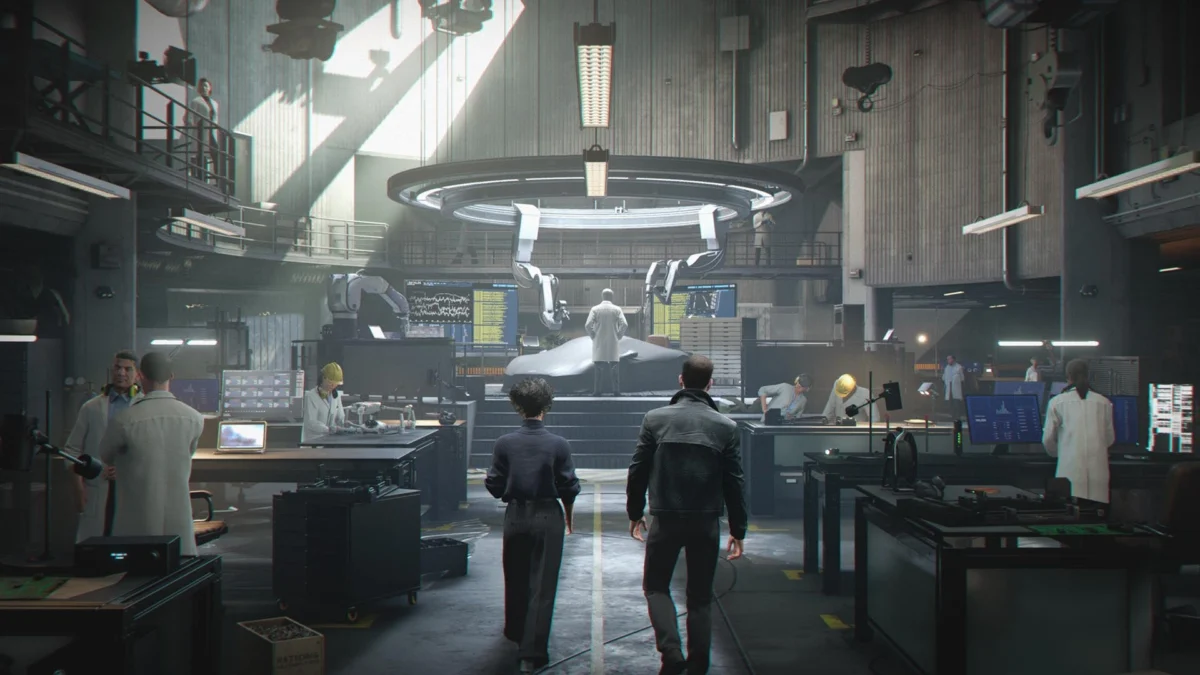
IO Interactive’s highly anticipated James Bond project, 007: First Light, has faced another significant setback. In a move that has sparked widespread discussion across the gaming industry, the studio confirmed that the Nintendo Switch 2 version of the title has been delayed for a third time. Originally slated for an earlier release, the game is now firmly scheduled to hit the upcoming Nintendo console in March 2027.
While the delay is undoubtedly frustrating for the millions of fans eagerly awaiting the chance to step into the shoes of Agent 007 on a portable platform, developers are framing this as a necessary step to ensure the title meets the high standards expected of the legendary franchise.
The Chronology of Delays: A Triple Stumble
The development cycle for 007: First Light has been characterized by ambition and, more recently, recurring friction regarding its release timeline. Following the game’s successful debut on PC and other platforms in May of this year—where it achieved a remarkable 4 million units sold in its first three months—the focus shifted entirely to the Nintendo port.
The initial internal roadmap for the Switch 2 release was significantly more aggressive. However, as the project progressed, the realities of hardware optimization and the studio’s desire to avoid a "rushed" launch became apparent. This latest postponement marks the third time the date has been pushed, moving the goalposts from a potential 2026 window to the first quarter of 2027.
Industry analysts suggest that this pattern reflects a growing trend in AAA development: studios are increasingly prioritizing long-term brand health and technical stability over hitting specific financial quarters, particularly when transitioning demanding PC titles to Nintendo’s unique hardware architecture.
Technical Hurdles and the "Switch 2" Challenge
Porting a modern, graphically intensive title like 007: First Light to the Nintendo Switch 2—a console still shrouded in mystery despite its impending status—is a massive undertaking. Cristina Vega, Technical Producer at IO Interactive, recently sat down with Inven Global to pull back the curtain on the technical complexities involved in this port.
Vega was candid about the challenges, noting that the development team had been "pushing hard for a long time" and required a "brief breather" to maintain the quality of their output. This internal necessity, combined with marketing considerations and the sheer scale of the optimization process, led to the decision to delay.
The Art of the Compromise
One of the primary concerns for gamers is whether the Nintendo version will feel like a "downgraded" experience. Vega was quick to address these fears, emphasizing that while hardware limitations are real, the team is being surgical in their optimization process.
"Because Switch 2 has limitations in memory and other areas, some compromises are inevitable," Vega explained. "But we made those choices in areas that aren’t very crucial to players."
She highlighted specific technical strategies used to bridge the gap between PC performance and the Switch 2’s capabilities:
- Object Detail Management: While NPCs and core gameplay elements remain untouched to ensure the "Bond experience" remains intact, the team is adjusting level-of-detail (LOD) for distant objects. This allows the game to maintain a high level of fidelity where it matters most—in the player’s immediate field of vision.
- Strategic Optimization: The goal, according to Vega, is for players to feel as though they are playing the "full" version of 007: First Light. The team is working to ensure that the frame rate and core mechanics mirror the PC experience, even if the graphical assets at the far edges of the screen are slightly reduced.
Official Responses and Studio Philosophy
IO Interactive has remained remarkably transparent throughout this process. By acknowledging the need for a "breather" for the development team, they are signaling a shift in workplace culture—one that prioritizes sustainable development practices over the crunch culture that has historically plagued the gaming industry.
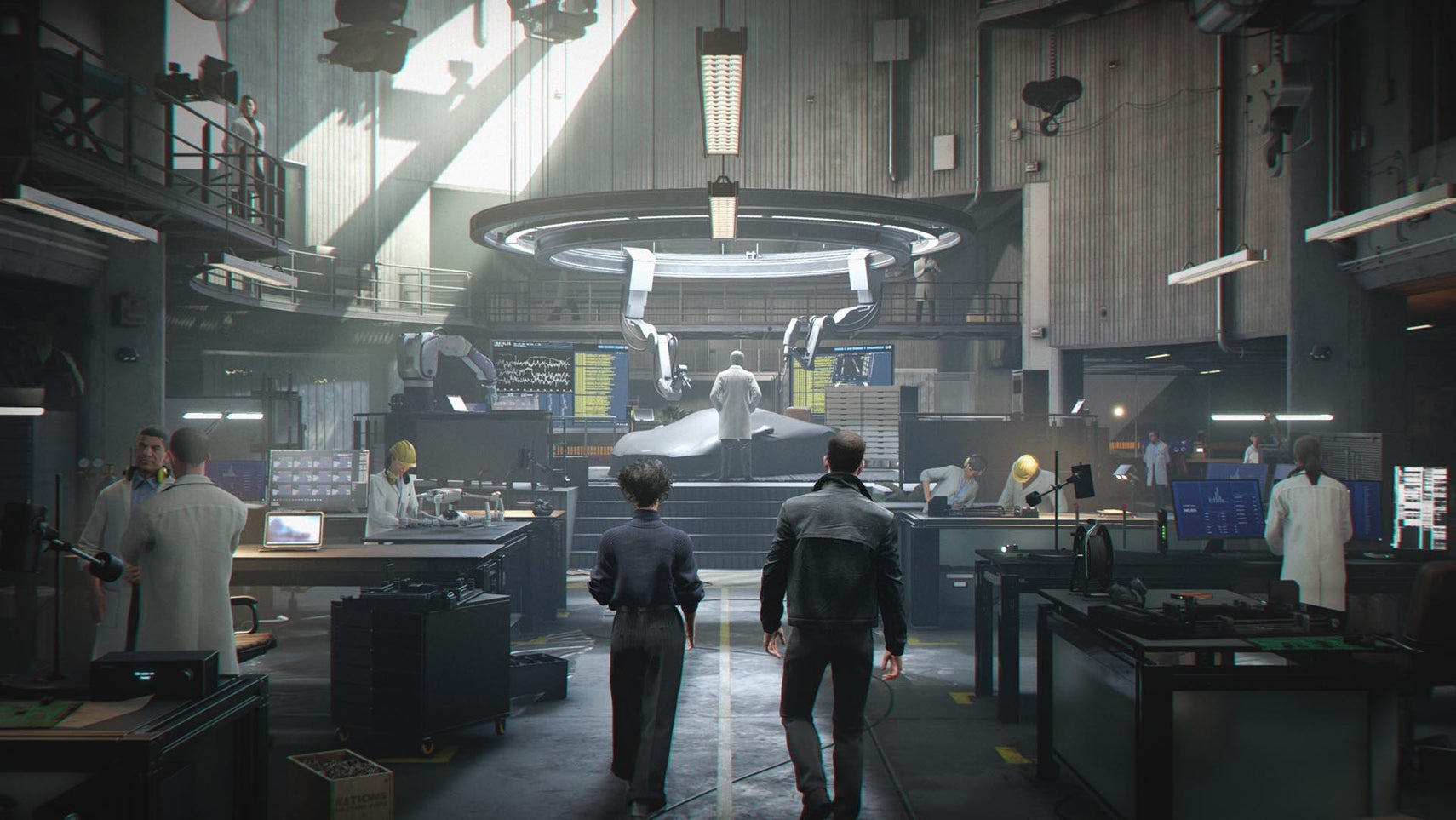
"While being delayed for a third time is certainly disappointing news for fans, this decision was also made for their benefit," Vega stated. She expressed optimism that the development is moving toward the "final phase," which centers on performance tuning and polish.
Perhaps most encouraging for fans is her hint that the team is ahead of schedule in some respects: "I think it might even finish earlier, but since release is scheduled for March 2027, please wait just a little longer." This suggests that the March 2027 date is a conservative estimate, providing the studio with a "buffer" to ensure the game is absolutely ready for the public, rather than a frantic deadline.
Market Implications: Why March 2027?
The choice of March 2027 is strategic. By positioning the game in the first quarter of the year, IO Interactive avoids the congested holiday release window. Furthermore, it gives the Nintendo Switch 2 platform time to establish a larger install base. A major title like 007: First Light—which has already proven its commercial viability with 4 million sales—could serve as a crucial "system seller" for Nintendo’s new hardware.
The success of the game on other platforms has essentially de-risked the project. With a proven gameplay loop and a strong narrative foundation, the developers can focus entirely on the technical translation rather than worrying about the game’s reception or its fundamental design.
What This Means for the Future of 007
The James Bond franchise, under IO Interactive, has been revitalized. The critical and commercial success of 007: First Light proves that there is still a massive appetite for high-end espionage action games. By refusing to rush the Switch 2 port, IO Interactive is protecting the reputation of the IP.
If the game launches in 2027 and delivers a seamless, high-quality experience, it will validate the studio’s patient approach. If it falls short, it could potentially harm the brand’s standing on the platform. However, the current trajectory suggests a cautious, deliberate effort to bring a flagship title to a new audience.
Industry Context: The "Double-A" vs "Triple-A" Divide
The struggle to bring 007: First Light to Nintendo hardware highlights the persistent gap between the performance capabilities of traditional consoles and the portable, power-conscious design of Nintendo systems. As we move into the next generation, this will likely remain the central challenge for third-party publishers.
IO Interactive’s approach—being upfront about the "inevitable" compromises—sets a standard for communication. By telling players exactly what is being adjusted (such as distant object quality) while promising that the core experience remains intact, they are managing expectations in a way that respects the consumer’s intelligence.
Conclusion: A Wait Worth Enduring?
For the loyal fans waiting for the Nintendo release, March 2027 feels like a lifetime away. Yet, in the modern landscape of gaming, where "day-one patches" and broken launches are far too common, a studio willing to delay a product three times to ensure it is "in its most polished form" is a rarity.
IO Interactive has established itself as a developer that values the integrity of its work. As they enter the final, critical phase of development, the industry will be watching closely to see if the technical compromises made on the Switch 2 truly result in a seamless, premium Bond experience. Until then, the mission remains the same: wait for the briefing, wait for the tech, and prepare to enter the field in 2027.

