

By Ryan Epps
Published September 26, 2026
Main Facts: The End of an Era on Streaming
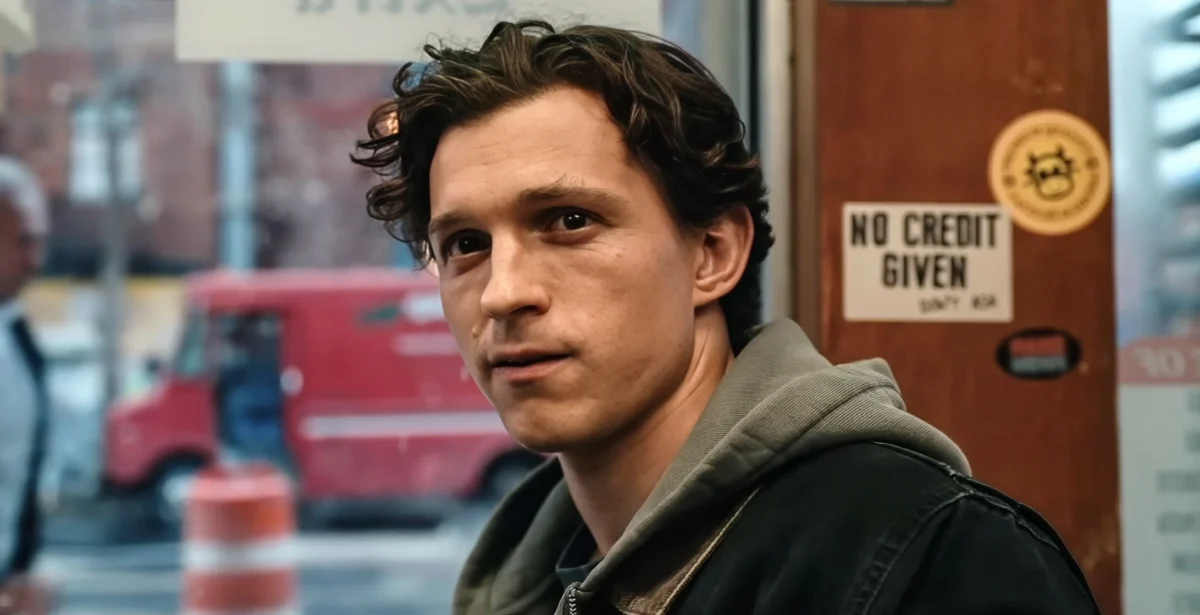
As the Marvel Cinematic Universe (MCU) continues to expand into complex multiversal territories—most recently highlighted by the release of Tom Holland’s fourth solo outing, Spider-Man: Brand New Day—fans and casual viewers alike are finding themselves drawn back to where it all began. However, time is running out for those hoping to stream the film that kicked off Holland’s individual web-slinging run: Spider-Man: Homecoming is officially leaving Netflix on October 1.
Released in 2017 and directed by Jon Watts, Homecoming served as a critical turning point for the iconic character. Instead of retreading the familiar, tragic origin story of radioactive spiders and Uncle Ben’s fatal lessons—tropes thoroughly explored in Sam Raimi’s early-2000s trilogy and Marc Webb’s The Amazing Spider-Man series—Watts and Marvel Studios dropped Peter Parker directly into the chaotic, vibrant, and thoroughly grounded ecosystem of the MCU. With a fresh John Hughes-esque coming-of-age sensibility, the film balanced the high-stakes thrills of superhero combat with the excruciatingly awkward anxieties of high school decathlon prep, teenage crushes, and neighborhood patrol.
Chronology: From the Streets of Queens to the Global Stage
To fully appreciate Homecoming, one must look at how the film fits into the broader timeline of the Marvel Cinematic Universe.

The Grand Introduction (Captain America: Civil War, 2016)
Peter Parker’s cinematic introduction into the MCU did not happen in his own backyard, but rather on the international battlegrounds of Captain America: Civil War. Recruited by Tony Stark (Robert Downey Jr.) using a clandestine handshake and a makeshift costume, the young Queens native found himself trading blows with heavyweights like Captain America, the Winter Soldier, and Falcon. Armed with a state-of-the-art suit engineered by Stark Industries and a head full of adrenaline, Parker returned to New York City expecting instant promotion to the ranks of the Avengers.
The Low-Stakes Reality (Spider-Man: Homecoming, 2017)
Instead of a call to action from Nick Fury or a summons to Avengers Headquarters, Parker is met with deafening silence from Tony Stark. Relegated to stopping bicycle thieves and helping elderly women with directions in Queens, Peter struggles to reconcile his newfound cosmic responsibilities with algebra tests and school lunches.
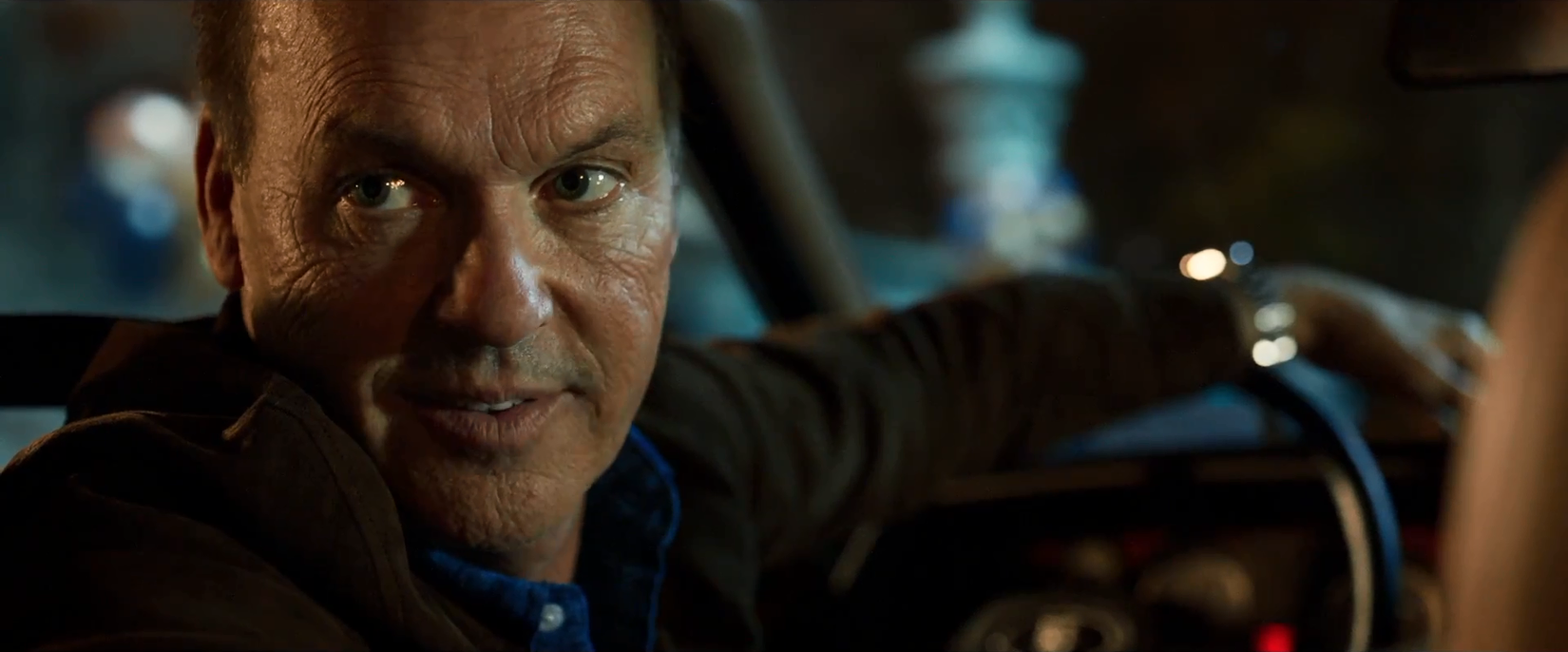
The plot thickens when Peter stumbles upon a black-market operation trafficking high-tech alien weaponry. The ring is masterminded by Adrian Toomes (Michael Keaton), a blue-collar salvage contractor whose company was unjustly forced out of business by Damage Control—a joint venture between the government and Stark Industries—following the catastrophic Battle of New York in 2012. Driven by economic desperation and a deep-seated resentment of the wealthy corporate elite, Toomes uses Chitauri debris to craft a winged mechanical suit, adopting the moniker "The Vulture."
Determined to prove his worth to Stark, Peter takes it upon himself to dismantle Toomes’ operation. This decision leads to a direct collision between his secret superhero identity and his ordinary teenage life, culminating in one of the most psychologically intense confrontation scenes in comic book movie history: a tense, silent car ride where Toomes—acting as the father of Peter’s homecoming date, Liz—gradually realizes the high schooler in the passenger seat is the exact vigilante threatening his livelihood.

Supporting Data & Production Insights: The Mechanics of a Modern Classic
While Homecoming was a massive critical and commercial success—grossing over $880 million worldwide against a production budget of roughly $175 million—it has generated plenty of discussion among fans and continuity sleuths over the years.
The Infamous "Eight-Year" Blunder
One of the most widely cited trivia points regarding Homecoming involves its opening sequence. The film opens in the immediate aftermath of 2012’s The Avengers, before flashing forward with an on-screen title card reading: "Eight Years Later."
Because Civil War and Homecoming take place in 2016, this placed the events of the movie in 2020—a mathematical error that threw the tightly wound MCU chronology into temporary chaos. Marvel Studios executives later acknowledged the mistake, with Kevin Feige admitting it caused internal headaches. However, fans have often joked that bumbling a major timeline calculation is entirely on-brand for a clumsy, over-eager teenager like Peter Parker.
The "Iron Man Jr." Debate
Upon release, a vocal segment of comic book purists took issue with Peter’s heavy reliance on Stark-engineered technology. Equipped with an artificial intelligence nicknamed "Karen," a suit capable of deploying hundreds of distinct web-shooter combinations, and a controversial "instant-kill mode," critics argued that Holland’s Spider-Man leaned too far away from the scrappy, self-reliant hero traditionally found in the source material.

However, retrospectives on the film highlight this design choice as a narrative masterclass. By giving Peter an over-engineered safety net, the filmmakers deliberately set up a structural arc where those gadgets are stripped away. When Peter is trapped beneath a collapsing warehouse by the Vulture, he must rely entirely on his own internal fortitude, paving the way for the independent, mature hero seen in later entries like Spider-Man: No Way Home and Brand New Day.
Official Responses and Creative Vision
Director Jon Watts and producer Kevin Feige were intentional about differentiating their iteration of Spider-Man from Sony’s previous cinematic attempts. In retrospective interviews, Watts has frequently noted that his primary goal was to explore the human cost of the MCU’s massive scale.
"We’ve seen what happens when billionaires, gods, and super-soldiers battle it out in the middle of cities," Watts explained during the film’s press tour. "What we hadn’t explored was what happens to the regular working-class guy whose livelihood gets crushed in the fallout of an alien invasion. Pairing Peter Parker—a kid just trying to figure out who he is—against a working-class villain like the Vulture gave the movie an emotional heartbeat that felt truly unique."
Michael Keaton’s portrayal of Adrian Toomes also earned widespread critical acclaim for subverting standard comic book villain tropes. Rather than desiring world domination or cosmic destruction, Toomes’ motivations were deeply human: protecting his family and maintaining financial security in a world increasingly dominated by super-powered elites.
Implications: Setting the Standard for the Modern MCU
As Spider-Man: Homecoming prepares to exit Netflix on October 1, its legacy within the broader superhero landscape remains secure. It proved that the MCU could successfully scale down its cosmic ambitions to tell an intimate, character-driven story about neighborhood struggles and adolescent growing pains.
For fans revisiting the film today, Homecoming is much more than a nostalgia trip; it is the essential foundation of Tom Holland’s decade-long tenure in the role. It showcases a version of Peter Parker who is flawed, eager, vulnerable, and ultimately learning that the true measure of a hero lies not in the advanced technology of his suit, but in the courage of the person wearing it.
Whether viewers are preparing for a marathon ahead of Brand New Day or simply wishing to experience the peak of MCU street-level storytelling once more, catching Homecoming before it leaves streaming is an absolute must.

