


For the dedicated FromSoftware enthusiast, the "Soulslike" label has become a double-edged sword. While the genre is teeming with titles attempting to replicate the opaque lore, interconnected level design, and punishing combat of Dark Souls or Elden Ring, few manage to capture the elusive "magic" that defines the genre’s titans. Many fall into an uncanny valley: they possess the aesthetic signifiers—the fog gates, the stamina bars, the bonfire equivalents—but they lack the soul.
However, Prison of Husks, the upcoming title from developer Glass Head Dolls, is proving to be a compelling exception to the rule. Recently showcased at the Future Games Show 2026, the game is carving out its own identity not by mimicking the industry leaders, but by grounding its identity in a visceral, low-poly aesthetic that feels like a lost relic from the original PlayStation era.
The Core Concept: A Soul in a Shell
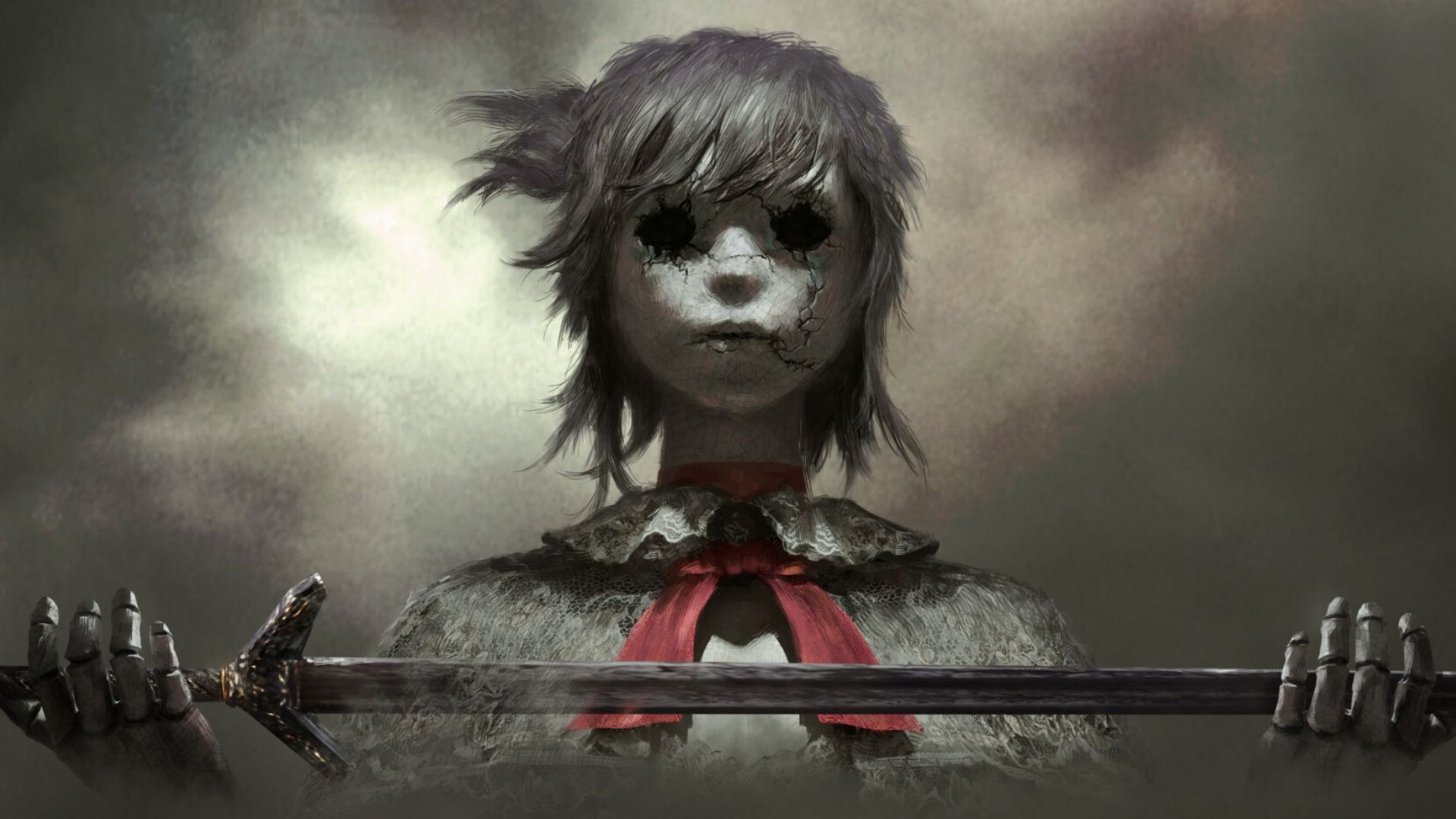
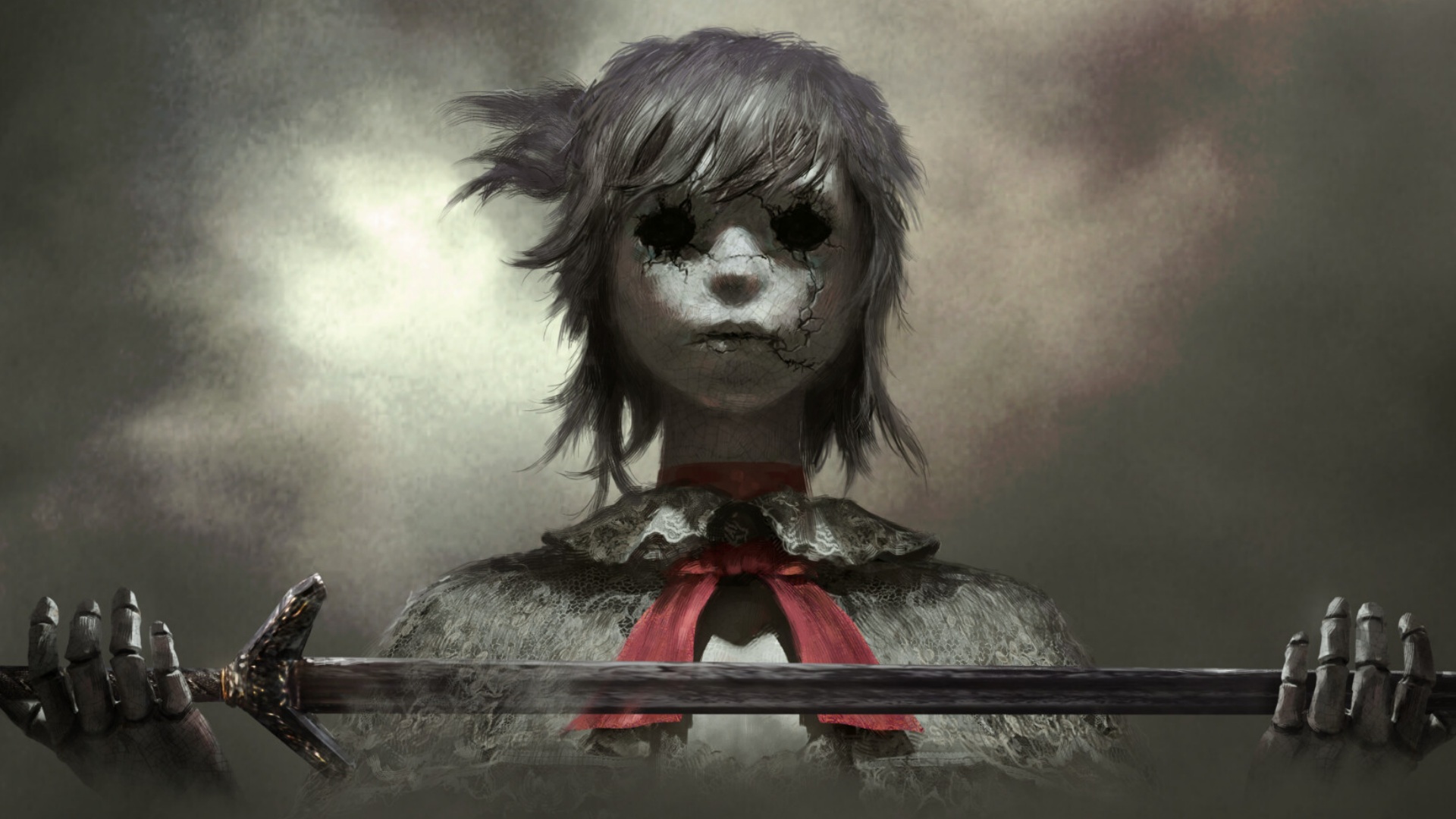
Prison of Husks invites players into a bleak, decaying world of gothic architecture and entropic despair. The premise is as intriguing as it is cryptic: players control a life-sized, articulated doll automaton, animated by a wayward, restless soul. This setup provides a unique narrative framing that justifies the game’s rigid, deliberate movement and the feeling of being an artificial entity struggling against a crumbling environment.
The visual language is perhaps the game’s most striking feature. Eschewing the hyper-realistic fidelity often pursued by modern indie studios, Glass Head Dolls has leaned into a stylized, authentic retro rendering. With a forced 4:3 aspect ratio, a native 640×480 resolution, and chunky, tactile UI elements, the game feels less like a modern "homage" and more like a unearthed masterpiece from 1998. These choices are not merely stylistic; they contribute to an oppressive, claustrophobic atmosphere that aligns perfectly with the game’s themes of isolation and stagnation.
Chronology of Development and Public Reception
The journey of Prison of Husks from an internal concept to a playable Steam demo has been marked by a quiet, steady progression. Following its initial announcement, the title gained traction among the "retro-shooter/soulslike" enthusiast circles on social media, where its distinctive aesthetic immediately stood out against the saturation of high-definition indie titles.
The release of the playable demo on Steam served as the primary inflection point for the project. By allowing players to experience the combat mechanics firsthand, Glass Head Dolls shifted the conversation from "this looks cool" to "this actually feels good to play." The demo, which focuses on a tight, vertical slice of the game’s opening area and a challenging miniboss, has been praised for its mechanical polish. Currently, the studio is refining the game based on user feedback, with a full commercial launch slated for later in 2026.
Mechanical Philosophy: Precision Over Complexity
While many Soulslikes drown players in convoluted character sheets, complex stat-padding, and RPG bloat, Prison of Husks takes a more minimalist approach. It favors an action-exploration focus, stripping away the unnecessary layers of "numbers-go-up" progression that often distract from the core loop.
The Combat Loop
The combat in Prison of Husks draws heavy inspiration from Sekiro: Shadows Die Twice, emphasizing the rhythm of the "perfect block" and the satisfaction of a well-timed parry. For players who live for the clang of steel on steel, the game offers a punishing, high-stakes experience.
In the demo, the miniboss encounters act as a crucible for the player’s reflexes. While the combat feedback—specifically the lack of a prominent stagger meter—has been noted as a potential area for further tuning, the core "feel" of the strikes and the responsiveness of the defensive maneuvers are superior to many contemporary entries in the genre. It rewards patience and pattern recognition, requiring players to truly learn the "language" of their opponents rather than relying on over-leveled stats.
Build Differentiation
Despite the simplified leveling system, the game introduces depth through its equipment and accessory mechanics. Rather than relying on traditional stat-dumping, players will differentiate their builds through unique weapons and items that fundamentally alter how they interact with the world. This approach encourages experimentation, allowing players to adapt their playstyle to the specific challenges of a level or boss without needing to commit to a permanent, rigid build path.
Technical Performance and Accessibility
In an era where PC optimization is often a secondary concern, the performance of Prison of Husks is a refreshing outlier. The game is exceptionally lightweight, running seamlessly on the Steam Deck. This is a significant selling point for the handheld community.
Furthermore, the game’s 4:3 aspect ratio feels surprisingly natural on the Steam Deck’s 16:10 screen, effectively creating a dedicated "retro" viewing experience. Because the game is not pushing millions of polygons, it maintains a rock-solid frame rate, which is essential for the precision-based combat the developers are striving for. This technical stability ensures that when a player misses a parry, they know it was their own failure—not the fault of a hitching engine or a frame-rate dip.
The Implications: Where Does the Genre Go Next?
The success of titles like Prison of Husks signals a broader shift in the indie landscape. As the "Soulslike" label becomes increasingly diluted, developers are realizing that the way to stand out is not to build a bigger world, but a more distinct one.
By leaning into the retro aesthetic, Prison of Husks bypasses the comparison trap. It doesn’t look like Elden Ring, so it doesn’t have to play exactly like Elden Ring. This creative liberation allows for a tighter, more focused experience that honors the "DNA" of the genre—the sense of mystery, the weight of consequence, and the triumph of overcoming insurmountable odds—without feeling like a derivative clone.
Conclusion: A Must-Watch Title
For those who find themselves caught in the uncanny valley of modern Soulslikes, Prison of Husks offers a path forward. It is a game that respects the intelligence of the player, provides a challenging mechanical framework, and wraps it all in an aesthetic that is as haunting as it is memorable.

While we wait for the full release in 2026, the current demo serves as a powerful proof-of-concept. It is a reminder that in game development, constraint often breeds creativity. Whether you are a fan of the atmospheric, cryptic storytelling of early FromSoftware titles or you simply enjoy the visceral satisfaction of a perfectly timed parry, Prison of Husks is a title that deserves a prominent spot on your Steam wishlist.
As the development team at Glass Head Dolls continues to polish their work, the industry should take note: the future of the Soulslike genre might just be found in the past.

