

In the crowded landscape of mechanical keyboards, MelGeek has carved out a reputation for distinctive, often bold design choices. With their latest releases—the space-themed, premium-priced Centauri 80 and the more grounded, performance-focused Real 81—the company is clearly attempting to cater to two different segments of the enthusiast market. While the Centauri 80 commands attention with its $360 price tag and integrated OLED display, the $139 Real 81 positions itself as a more accessible, utilitarian contender for the competitive gamer.
However, after extensive testing, it becomes clear that the Real 81 is a product defined by its contradictions. While it hits the mark for high-end gaming specifications, it falters in the nuanced areas of ergonomics and everyday usability, leaving us with a device that feels like a "monkey’s paw" of gaming hardware—delivering exactly what you ask for, but with unexpected caveats.
Main Facts and Specifications
The MelGeek Real 81 is a wired, 81-key compact keyboard that prioritizes speed and technical precision over aesthetic gimmicks. Below are the core technical specifications:
- Switches: Honey Magnetic Switches (Rapid Trigger enabled)
- Polling Rate: 8,000 Hz
- Build: 5-layer sound-dampening gasket mount, 1.1 kg total weight
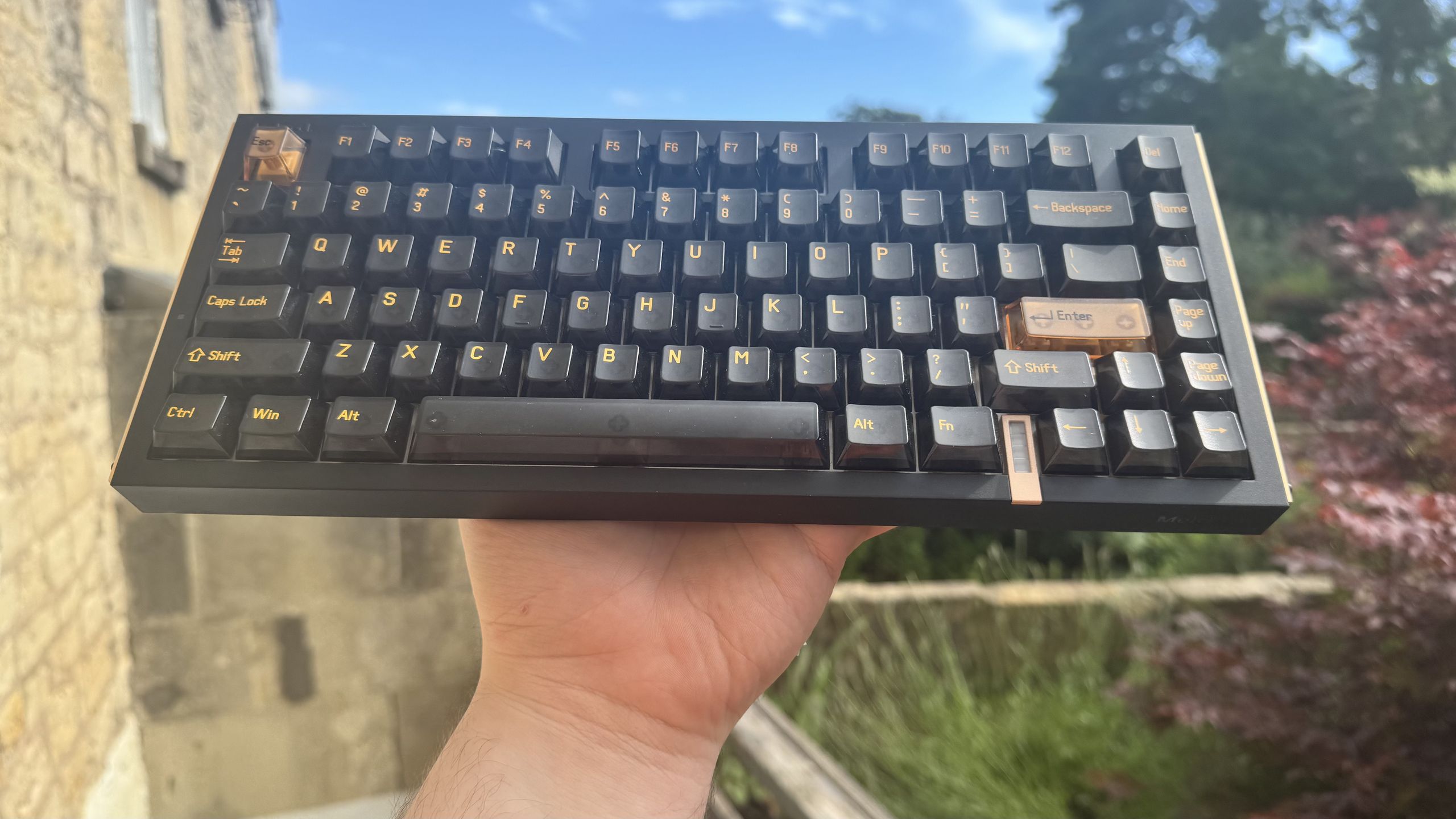
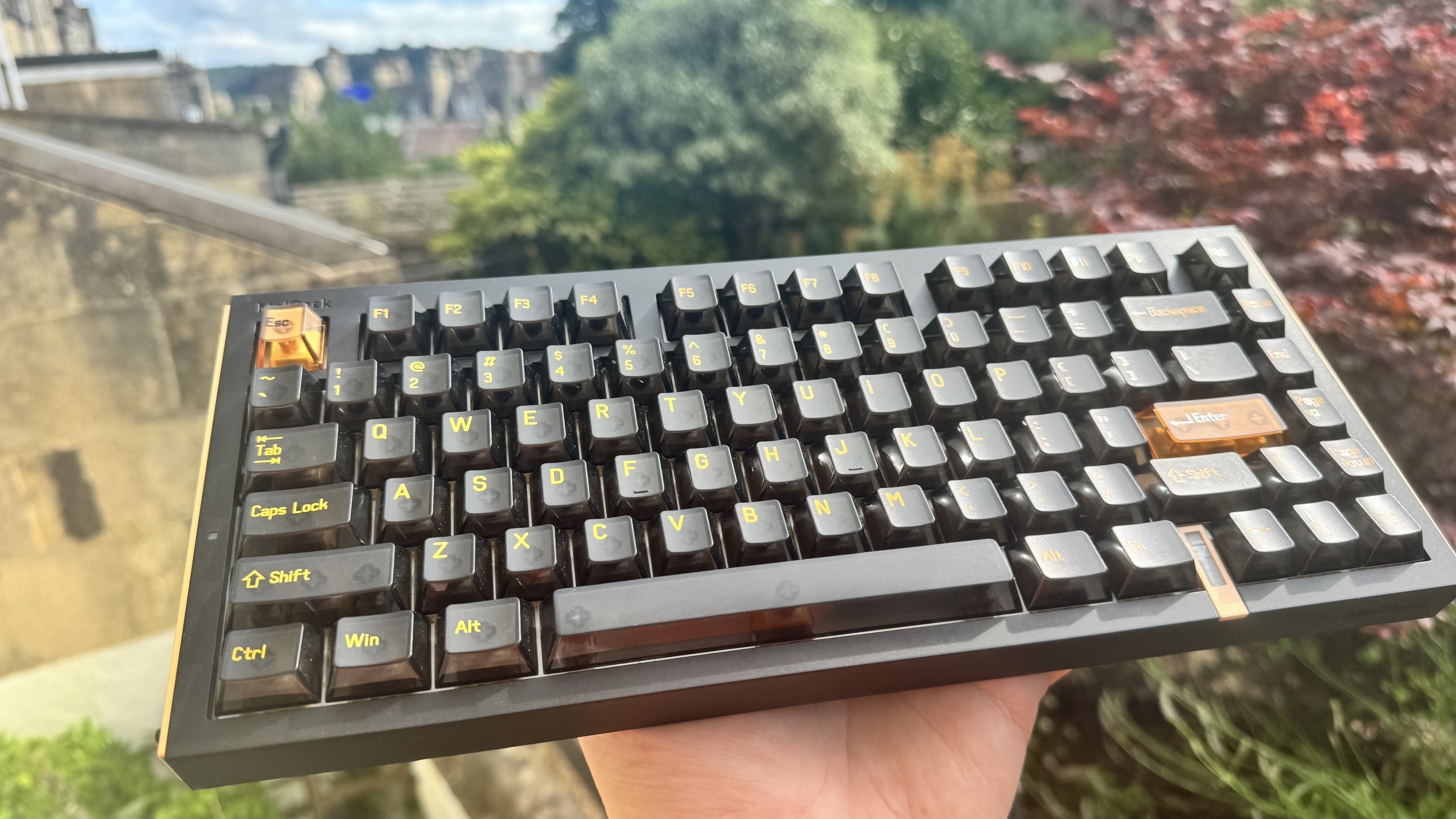
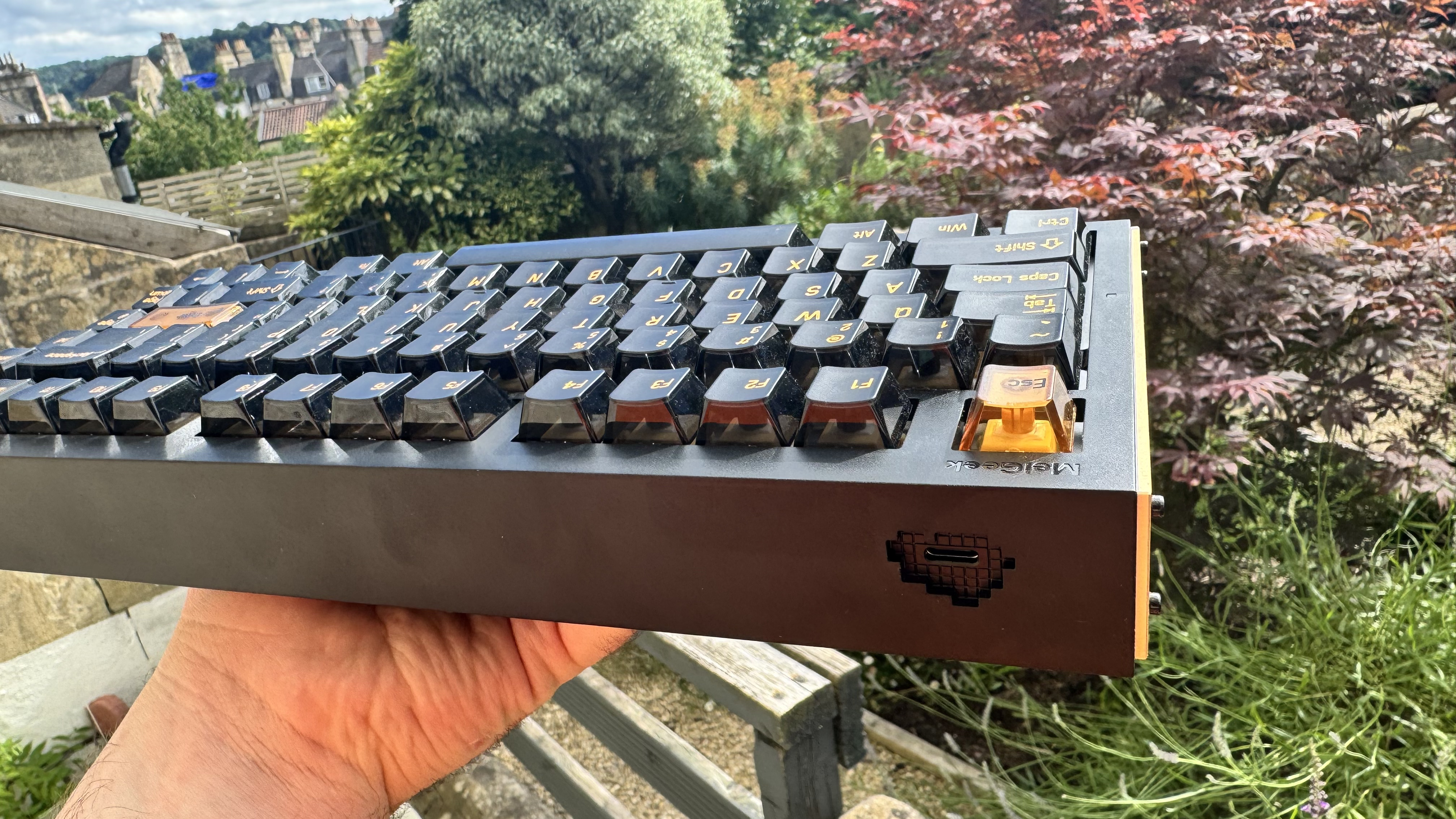
- Keycaps: Translucent design with dark gold lettering
- Connectivity: Wired (USB-C)
- Price: $139 USD
At this price point, the inclusion of 8,000 Hz polling and rapid trigger technology puts the Real 81 in direct competition with some of the industry’s most respected gaming-first brands. The build quality is undeniably robust, featuring a blocky, dense chassis that feels sturdy enough to survive the rigors of travel to LAN events, even if its weight makes it less than ideal for a light carry-on.
Chronology of Testing
To gain a comprehensive understanding of the Real 81, I integrated it into my daily workflow and gaming routine over a two-week period.
Week 1: The Desktop Integration
The initial setup was seamless. Out of the box, the keyboard functions without the need for additional software, though users who wish to leverage the per-key RGB or custom macros will need to install MelGeek’s software or utilize their web-based app. The web application, in particular, is a highlight—it is responsive, clean, and avoids the "bloatware" feel often associated with peripheral control software.
Week 2: Real-World Gaming Performance
During the second week, I pushed the keyboard through high-intensity scenarios. In Counter-Strike 2, the rapid trigger functionality was immediately noticeable. The ability to register and unregister key presses with minimal actuation distance allowed for frame-perfect counter-strafing, a significant mechanical advantage. However, as the week progressed, the ergonomic limitations became apparent. Whether playing fast-paced shooters or more relaxed strategy titles like Super Fantasy Kingdom, the "Honey" switches began to feel less like a sweet experience and more like a labor-intensive one.
Supporting Data: The Performance-Ergonomics Gap
The Real 81 is a masterclass in functional hardware design, but it suffers from what can only be described as a lack of user-centric refinement.
The Competitive Edge
The 8,000 Hz polling rate is a feature that, for the vast majority of players, pushes into the realm of diminishing returns. However, for the esports-focused demographic, the low-latency response time combined with the rapid-trigger magnetic switches provides a tangible advantage. The board is "snappy," registering commands with an efficiency that makes standard mechanical switches feel sluggish by comparison.
The Typing Experience
Conversely, the "Honey" magnetic switches present a mixed bag. They are undeniably tactile, but they possess a springiness that demands a higher-than-average actuation force. Over a long day of writing or extended gaming sessions, this leads to finger fatigue. Furthermore, the acoustic profile is inconsistent; while the 5-layer gasket mounting successfully mutes most of the board, the space bar and caps lock suffer from an intrusive, high-pitched "clack" that breaks the immersion of the dampened experience.
Visibility Issues
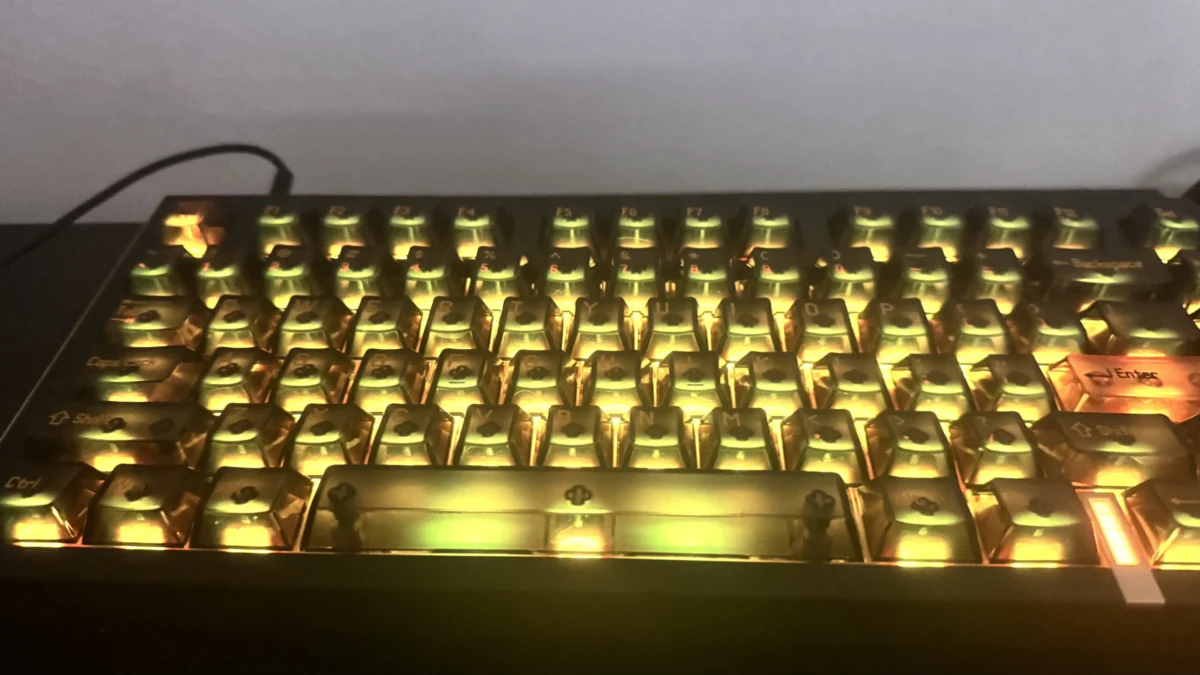
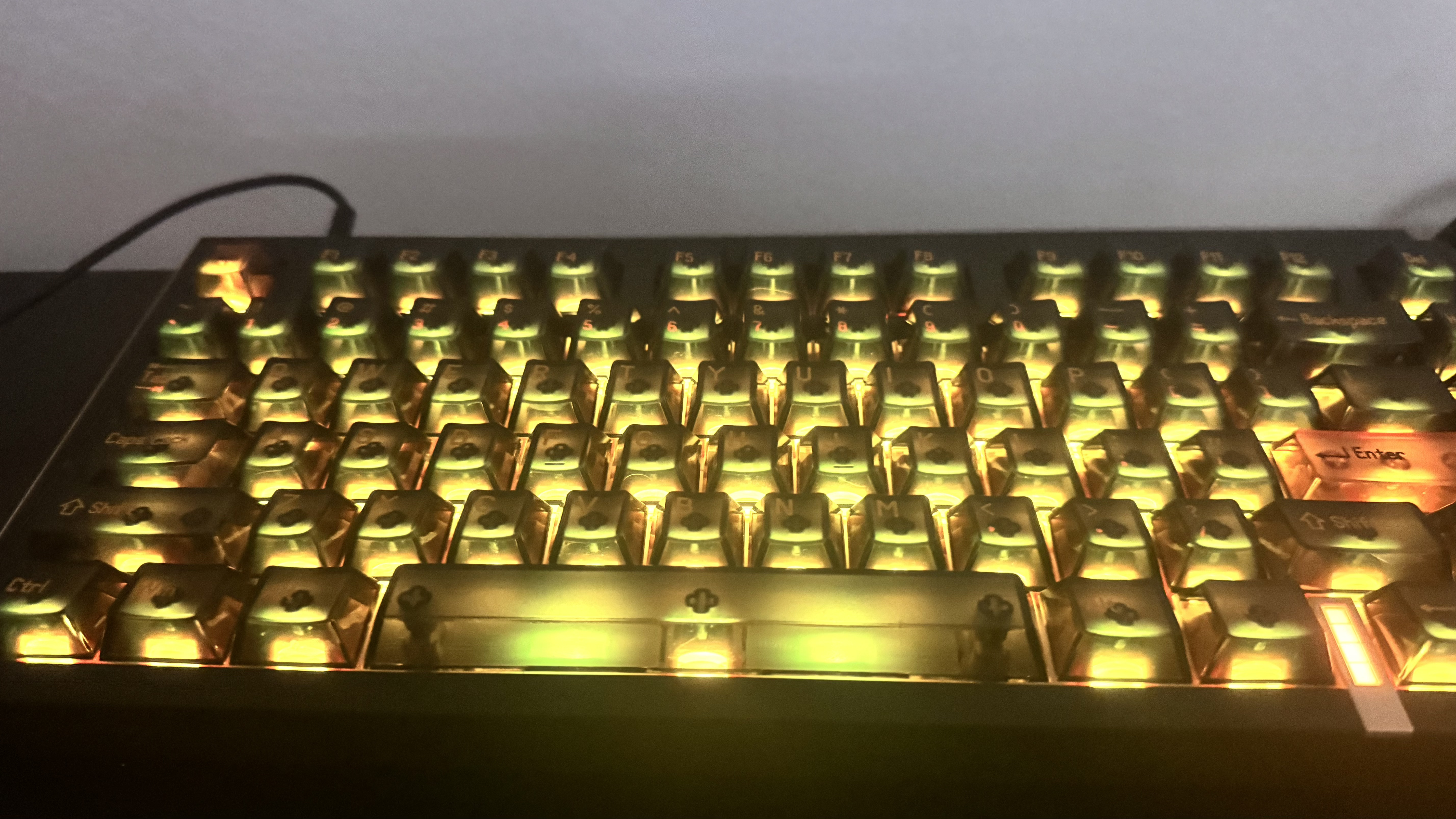
Perhaps the most baffling design choice is the aesthetic implementation of the keycaps. The translucent keys, paired with dark gold lettering, look sophisticated under bright office lights. However, in low-light environments, the lettering becomes nearly impossible to read, even with the RGB lighting active. For those who do not possess the muscle memory of a professional typist, this is a significant hurdle that diminishes the keyboard’s utility during late-night gaming sessions.
Official Responses and Manufacturer Context
MelGeek has not issued a formal statement regarding the ergonomic critiques of the Real 81, but their marketing trajectory indicates a clear focus on the "competitive" aspect of the hardware. The company has historically leaned into unique, often experimental designs, and the Real 81 fits that pattern—it is a keyboard that prioritizes the "hard" specs (polling, switches, mounting) over the "soft" user experience.
When compared to the Lemokey L4, the Real 81 shares a similar physical footprint and heft, suggesting that MelGeek is targeting the growing market of users who value a solid, "chunky" board that doesn’t feel like a cheap piece of plastic.
Implications for the Consumer
If you are currently in the market for a new gaming keyboard, the MelGeek Real 81 presents a specific set of implications.
Who Should Buy?
The Real 81 is an excellent candidate for the competitive gamer who treats their keyboard as a tool rather than a luxury accessory. If you play titles that rely on precise movement (like Valorant, CS2, or Overwatch 2) and you appreciate a board with zero flex and high-end internals, the $139 price tag is a reasonable investment. Its robust build ensures that it will likely last through years of intense button-mashing.
Who Should Look Elsewhere?
If your computer setup doubles as a workstation where you spend hours typing, the Real 81 might not be the right choice. The "sticky" feel of the switches and the lack of visibility in low light make it a sub-optimal choice for those who value comfort and general-purpose usability. Additionally, if you are a user who relies on backlighting to navigate your keys in the dark, the current color scheme of the Real 81 will prove frustrating.
Final Verdict
The MelGeek Real 81 is a product that succeeds in its primary mission: providing a high-performance, competitive-grade gaming experience. It is fast, reliable, and built to withstand abuse. However, it is held back by design choices that seem to prioritize "cool factor" over practical, day-to-day functionality.
It feels as though MelGeek built a race car that is incredibly fast on the track but lacks the suspension and comfort required for a daily commute. While there is plenty to admire about the technical engineering—the 8,000 Hz polling and effective dampening—the overall experience is marred by the difficulty of reading keys and the fatiguing nature of the switches.
For the average gamer, there are likely more balanced options available that provide similar performance without the ergonomic trade-offs. But for the dedicated competitor who lives by the millisecond, the Real 81 remains a compelling, if slightly flawed, piece of hardware. It is a testament to the fact that, in the world of high-end peripherals, the "best" board is often a matter of finding the right set of compromises for your specific needs.

