

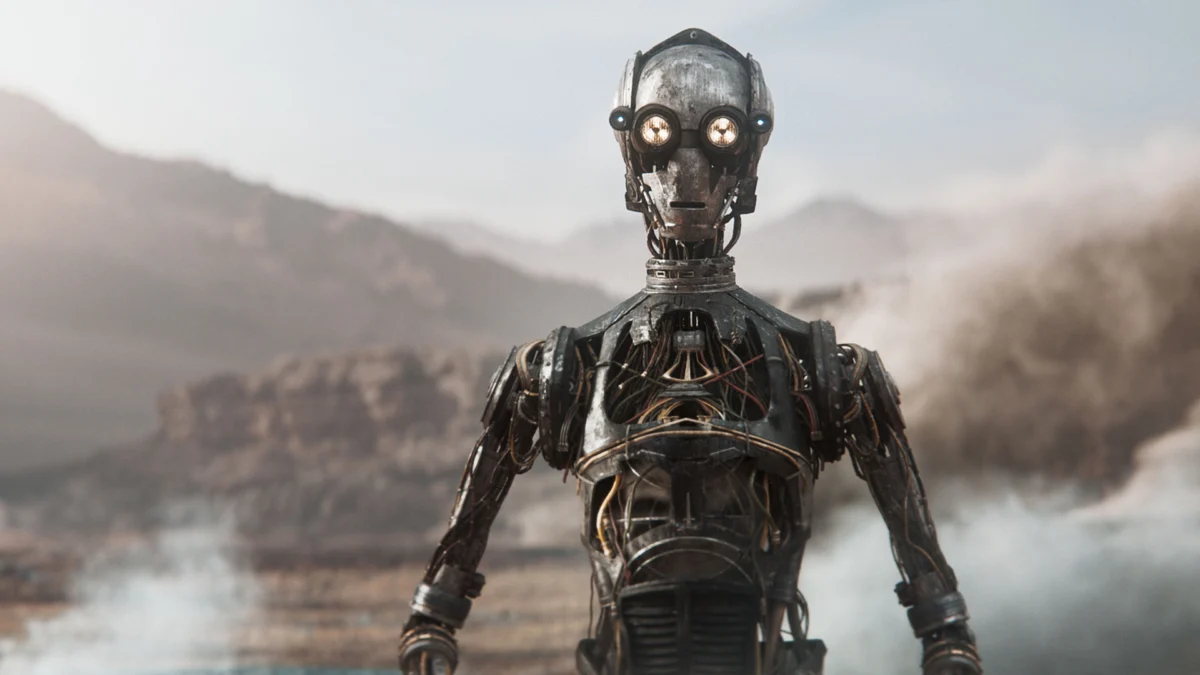
The video game industry, currently grappling with a wave of consolidation and workforce reductions, has been hit by a fresh wave of labor unrest. At the heart of the latest controversy is Quantic Dream, the Paris-based studio renowned for narrative-driven cinematic experiences like Heavy Rain and Detroit: Become Human.
As reports emerge of a planned redundancy affecting 115 employees, staff at the studio have taken the drastic step of organizing a strike. Their mission is twofold: to protest the proposed job cuts and to sound the alarm on the precarious production state of their most ambitious project to date, Star Wars: Eclipse.
The Core Conflict: A Studio in Turmoil
The decision to strike comes at a critical juncture for the developer. Quantic Dream has been attempting to pivot from its traditional, single-player cinematic formula toward more diverse offerings, including live-service and competitive multiplayer models. However, this diversification strategy has hit significant roadblocks.
Earlier this year, the studio launched Spellcasters Chronicles, a competitive multiplayer title intended to showcase the studio’s versatility. The project’s reception was lukewarm at best, and in a rapid reversal of strategy, the game was shuttered just weeks after entering early access. In the wake of this failure, management announced a corporate reorganization, which included the now-controversial plan to lay off 115 staff members.
The striking workers argue that these layoffs are not merely a corporate adjustment, but a potential death knell for Star Wars: Eclipse. By removing nearly a quarter of the workforce, they contend that the studio is jeopardizing its ability to deliver on the promises made to fans and stakeholders alike.
A Chronology of Uncertainty
The path to the current industrial action is marked by long stretches of silence and internal instability:
- December 2021: Star Wars: Eclipse is announced at The Game Awards with a cinematic trailer that generates significant hype, promising a high-stakes narrative set in the High Republic era.
- 2022–2023: Reports surface regarding the game’s protracted development cycle. Unlike the studio’s previous titles, Eclipse is designed to be an action-heavy project, which reportedly poses significant technical challenges for the studio’s existing engine and internal workflows.
- Early 2024: Quantic Dream pivots to Spellcasters Chronicles. The subsequent failure and rapid cancellation of the project leads to the announcement of a "reorganization."
- Late 2024: The studio announces plans to lay off 115 employees.
- Present Day: Employees initiate a strike, timing the protest to coincide with a high-profile visit from Lucasfilm representatives, aiming to bring the internal realities of the studio’s production culture to the attention of the franchise holders.
The Human Cost: Understaffing and the "Crunch" Cycle
The testimonials provided by employees highlight a systemic issue within the games industry: the reliance on developer passion to paper over fundamental management failures.
One striking worker, in an interview with GameKult, explicitly rejected the notion that the strike was an act of sabotage. "On the contrary, we’re trying to save Star Wars: Eclipse," they stated. "We could manage to release it with 115 additional people, and that wouldn’t be ‘overstaffed’: it’s what’s needed."
The worker’s assessment points to a recurring theme in AAA development: "crunch." The argument is that management operates under the assumption that employees will work themselves to the point of exhaustion to hit deadlines, regardless of whether the studio is adequately staffed. "We’re understaffed, like in many other companies in the sector, because bosses know very well that passion will lead people to crunch time and that games will eventually be released. But it’s impossible to run a sustainable industry like that."
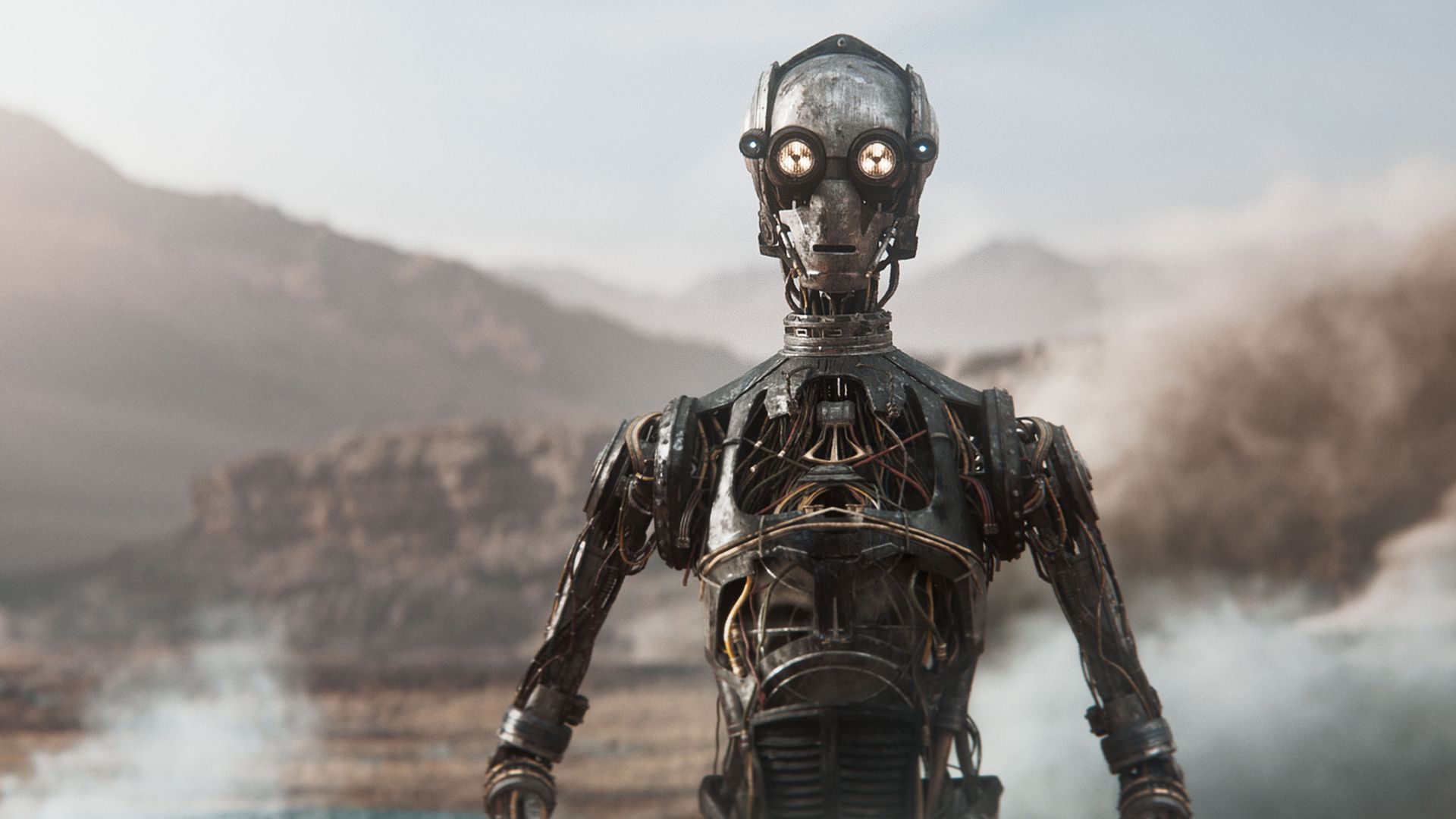
Another employee noted the irony of the current situation, pointing out that the layoffs have already resulted in a loss of productivity. "We absolutely need the 115 people who have been inactive (or almost) for a month already. That’s a whole month of lost production."
The Shadow of Lucasfilm
The timing of the strike is strategic. By initiating industrial action during a visit from Lucasfilm—the parent entity of the Star Wars intellectual property—the workers are effectively forcing the licensee to reckon with the production environment of their product.
Lucasfilm is known for its rigorous standards regarding the development of its licensed properties. Should the production of Star Wars: Eclipse be deemed non-viable due to the labor crisis, the reputational and financial damage to the brand could be significant. For the strikers, this is a leverage point; they are hoping that the threat of a derailed Star Wars project will force Quantic Dream’s leadership to reconsider the redundancy plan and prioritize the retention of the talent necessary to complete the game.
Implications for Quantic Dream and the Industry
The situation at Quantic Dream serves as a microcosm of the current state of the global gaming sector. After a period of explosive growth during the pandemic, many studios are now facing a "correction" phase characterized by mass layoffs, project cancellations, and a renewed focus on shareholder value over long-term project stability.
The Technical Challenge
Star Wars: Eclipse is described as the most ambitious project in Quantic Dream’s history. It represents a departure from the "choose-your-own-adventure" style that the studio perfected with Detroit: Become Human. If the studio loses 115 of its experienced developers, it may lack the institutional knowledge required to bridge the gap between their traditional narrative style and the complex, open-world action gameplay expected of a major Star Wars title.
The Cultural Shift
There is a growing trend of labor organization in the gaming industry. From unionization efforts at major US publishers to strikes in European studios, developers are increasingly willing to use collective action to protect their jobs. This strike at Quantic Dream marks a significant escalation in this trend, as it directly ties employee welfare to the quality and viability of the end product.
The Future of Star Wars: Eclipse
If the layoffs proceed, the development of Star Wars: Eclipse will likely face further, potentially indefinite, delays. With the game already having been in development since 2021 with very little gameplay footage shown to the public, the project is already in a vulnerable position. Any further depletion of the workforce could force the studio to scale back its ambitions, leading to a title that falls short of the high expectations set by the initial 2021 reveal.
Conclusion
The strike at Quantic Dream is more than a dispute over wages or job security; it is a protest against a management culture that favors short-term fiscal adjustments over the long-term health of its creative workforce. As the industry watches the fallout from this standoff, the message from the employees is clear: a game is only as good as the conditions under which it is created.
Whether or not the intervention of the staff will succeed in reversing the layoffs remains to be seen. However, by choosing to act during the visit of their most important business partner, the workers have ensured that the crisis at Quantic Dream can no longer be ignored by those who hold the keys to the galaxy far, far away. The fate of Star Wars: Eclipse—and the livelihoods of 115 dedicated developers—now hangs in a delicate, high-stakes balance.

