

Main Facts
In a surprise announcement that has sent waves of nostalgia through the retro gaming community, developer and publisher Taito has revealed that the cult-classic 1999 action-fighting title Psychic Force 2012 is officially making its triumphant return. Originally a staple of the late-90s arcade and first-generation home console eras—appearing on the original PlayStation (PS1) as Psychic Force 2 and on the Sega Dreamcast—the game is being completely revived for modern hardware.
According to reports stemming from the Tokyo Game Show, Psychic Force 2012 is scheduled to launch sometime in 2027. The title is slated for release on the PlayStation 5 (PS5), Nintendo Switch, and PC. As of writing, Taito has not announced any plans for an Xbox version, leaving Microsoft console users sidelined for this particular retro revival.
The announcement was accompanied by a striking teaser trailer showcased at TGS, reigniting interest in a franchise that has largely remained dormant for over two decades. While specific enhancements, visual overhauls, or netcode improvements for modern online play have yet to be detailed, the mere confirmation that a long-forgotten 3D arena fighter from the turn of the millennium is being brought forward to contemporary systems has captured the attention of both veteran players and historical gaming enthusiasts.
Chronology: The History of the Psychic Force Franchise
To understand the magnitude of the Psychic Force 2012 revival, it is necessary to look back at the franchise’s trajectory through the evolving landscape of 1990s and 2000s video game development.
1996: The Genesis in Japanese Arcades
The journey began in 1996 when Taito released the original Psychic Force into Japanese arcades. Developed during an era when 3D graphics were rapidly revolutionizing the industry, the game stood out by breaking away from traditional traditional ground-based fighting games like Street Fighter or Tekken. Instead, Psychic Force introduced players to enclosed, three-dimensional floating arenas where combatants hovered in mid-air, utilizing psychokinetic powers, energy blasts, and barrier shields. It was an ambitious concept that blended traditional fighting game mechanics with fast-paced, aerial projectile combat.
1998: Expansion to Anime and Sequels
The franchise quickly found its footing, expanding beyond interactive media. In 1998, an Original Video Animation (OVA) based on the video game series was released, capitalizing on the booming popularity of cyberpunk and supernatural anime during the late nineties. This transmedia approach helped flesh out the rich, dystopian lore of the universe.
Later that same year, Taito struck gold with the arcade release of the sequel: Psychic Force 2012 (known in Japan simply as Psychic Force 2). Set in a fictionalized version of the year 2012, the sequel refined the frantic aerial mechanics, introduced a new roster of characters, and elevated the visual fidelity of the arcade hardware.
1999: The Console Migration (Dreamcast and PS1)
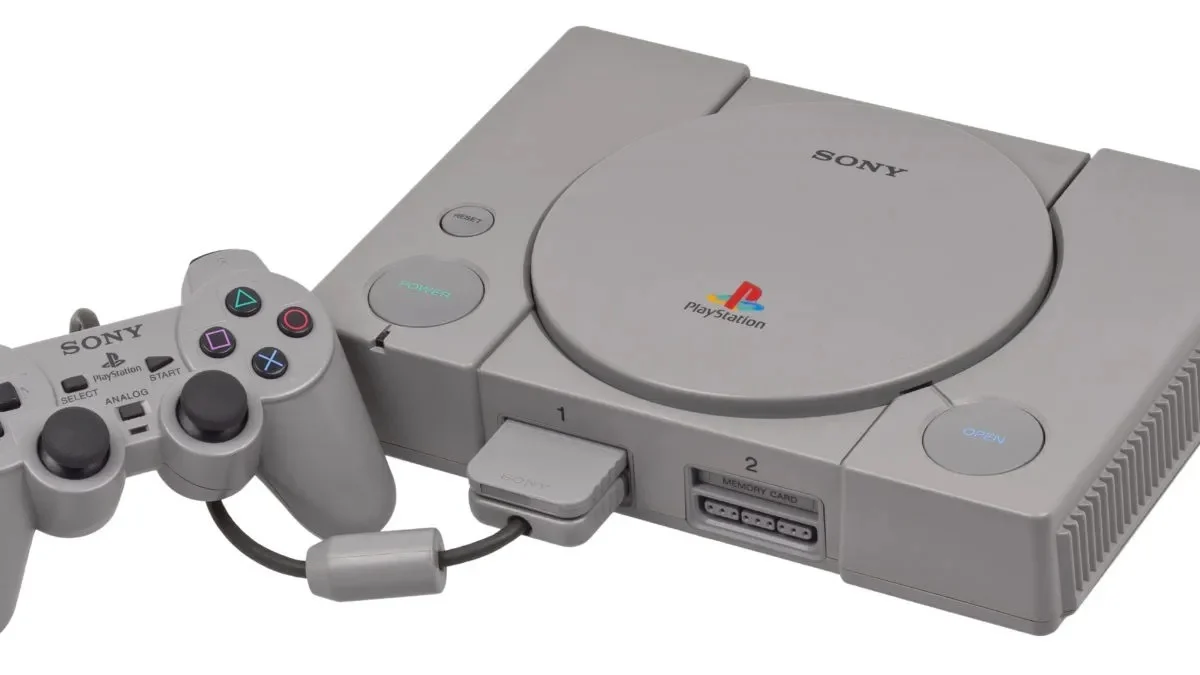
Capitalizing on the arcade success, 1999 saw Psychic Force 2 make the technological leap to home consoles. In North America and Europe, the game was ported to the Sega Dreamcast—showcasing the console’s impressive arcade-to-home conversion capabilities—as well as Sony’s immensely popular original PlayStation (PS1), where it was retitled to match its arcade moniker. While the PS1 version required graphical and technical downgrades to run on the 32-bit hardware compared to the Dreamcast’s powerful 128-bit architecture, both versions successfully brought the psychic battles into the living rooms of global players.
The 2000s and Beyond: The Quiet Years
Following its console heyday, the franchise experienced sporadic releases. Most notably, the series saw a compilation release titled Psychic Force Complete for the PlayStation 2 in Japan, which served as a love letter to fans of the era. However, as the fighting game genre shifted heavily toward traditional 2D revivals and hyper-realistic 3D brawlers, Taito largely shelved the IP, leaving Psychic Force to become a revered relic of late-90s gaming culture—until now.
Supporting Data: Lore, Setting, and Gameplay Mechanics
For players discovering the franchise for the first time via the upcoming 2027 release, Psychic Force 2012 offers a fascinating window into late-90s apocalyptic sci-fi tropes.
The Dystopian Narrative
Set against the backdrop of the year 2012, the game’s narrative leans heavily into millenarian anxiety and government conspiracies. Official promotional synopses from the era set a grim tone:
"Rapid changes in the new century have brought forth a dangerous power capable of good or evil. Harnessing the psychic abilities of its residents, the government has turned its most gifted citizens into New Age guinea pigs, drained of their essence and discarded after serving their purpose."
Players control "Psychicers"—individuals gifted with extraordinary supernatural abilities—as they navigate a world on the brink of ideological and physical collapse. The factions within the game represent a ideological clash between a corrupt governing body seeking to control or exterminate the psychic population, and the psychics fighting for their autonomy and survival.
Unique Mechanics of Arena Combat
Unlike standard 2D fighters where combatants are bound to a floor plane, Psychic Force 2012 pioneered mechanics that would later inspire modern arena fighters like Dragon Ball Xenoverse or Naruto: Ultimate Ninja Storm. Key gameplay pillars included:
- 3D Floating Combat: Characters do not walk; they levitate freely within bounded 3D arenas, utilizing high-speed dashes to close distances or evade incoming attacks.
- Psychic Gauges: Players must manage resource meters that govern defensive barriers, special projectile attacks, and powerful ultimate abilities.
- Barrier Systems: Defense in Psychic Force relied heavily on erecting psychic shields to deflect incoming magical and energy-based projectiles, adding a layer of high-stakes chess to the fast-paced action.
Official Responses and Industry Reception
The announcement at the Tokyo Game Show 2026 immediately sparked enthusiastic discussions across social media, gaming forums, and enthusiast outlets. Because Taito has historically been protective of or quiet regarding its legacy catalog—often leaving classic IPs dormant unless packaged in specialized retro collections—the decision to grant Psychic Force 2012 a standalone modern multiplatform release has taken the industry by surprise.
Industry analysts and preservationists have praised the move as a positive step forward for video game preservation, ensuring that niche titles from the turn of the millennium remain accessible to contemporary audiences without requiring expensive second-hand hardware or emulation setups.
Thus far, fan reactions have been overwhelmingly positive, with many expressing hope that this 2027 multiplatform launch is a testing ground for Taito. Should Psychic Force 2012 perform well on the PS5, Nintendo Switch, and PC, community voices are already calling for a wider re-release of the original 1996 game or, potentially, a brand-new entry in the long-dormant franchise.
Implications: What This Means for Retro Gaming and Taito
The revival of Psychic Force 2012 carries broader implications for the video game industry, particularly concerning the preservation and commercial viability of niche 90s titles.
1. The Rise of "Deep-Cut" Remasters
For years, publishers tended to focus their retro preservation efforts on undisputed blockbusters—such as classic Final Fantasy, Sonic the Hedgehog, or Street Fighter titles. However, the success of indie-backed preservation and publisher-led initiatives proves that there is a passionate, dedicated market for "deep-cut" titles—games that may not have broken mainstream sales records in their original windows, but possess fiercely loyal cult followings. Taito’s willingness to bring back Psychic Force 2012 indicates that publishers are increasingly willing to mine their archives for hidden gems.
2. Filling the Arena Fighter Niche on Modern Hardware
While mainstream fighting games like Street Fighter 6, Tekken 8, and Guilty Gear Strive dominate the tournament scene, the classic 3D projectile-based arena fighter subgenre remains relatively sparse outside of anime licensed games. By bringing Psychic Force 2012 to the PS5, Switch, and PC, Taito is introducing a distinct flavor of competitive, twitch-reaction spatial combat to a generation of players unfamiliar with the style.
3. What to Watch Next
As we approach the 2027 release window, consumers and media outlets will be watching closely for additional details from Taito. Key questions remain unanswered:
- Will the game feature rollback netcode for seamless online multiplayer?
- Will there be physical collector’s editions distributed for the PS5 and Nintendo Switch?
- Will Taito update the character balancing or leave the 1999 arcade experience untouched?
Until Taito updates the official storefront pages and locks down an exact release date, players can revisit the teaser trailer released at Tokyo Game Show 2026 and prepare to step back into the floating arenas of a futuristic, psychic 2012.

