

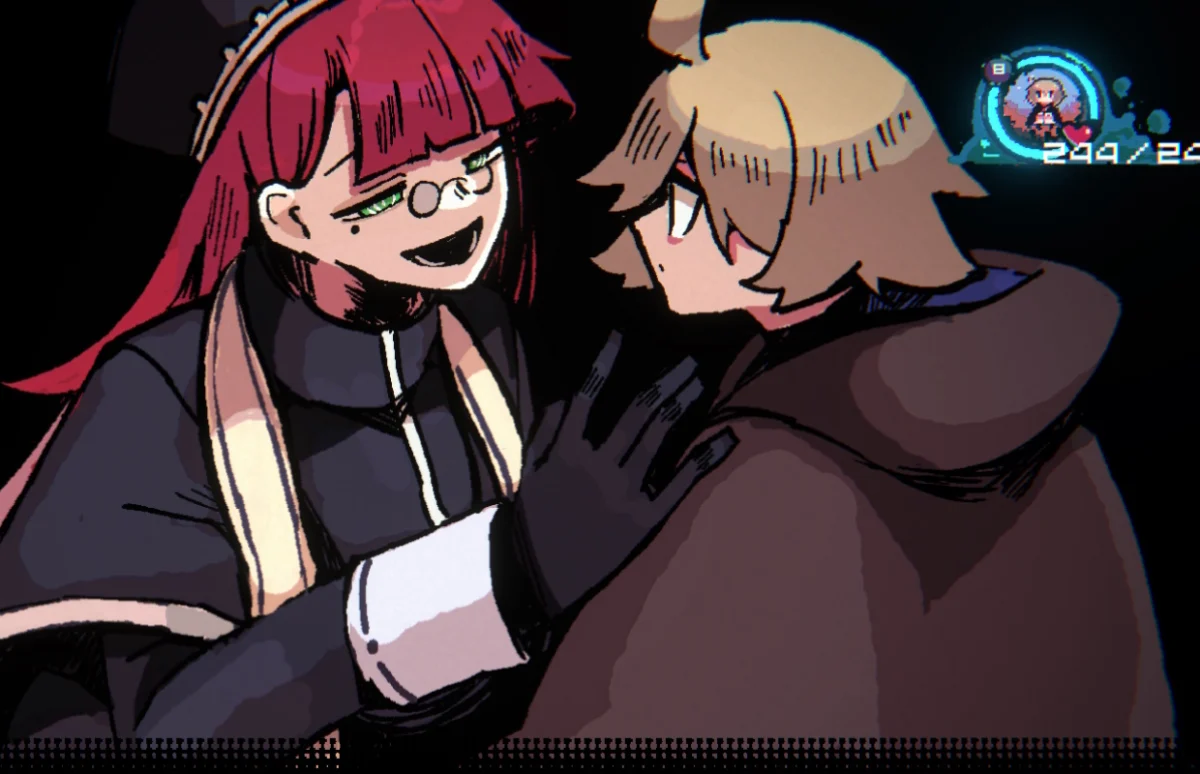
The landscape of indie game development is often defined by the delicate balance between creative ambition and technical reality. Today, publisher Flashlight Games and developer Death Kumiai have announced a significant shift in the release schedule for their upcoming dark dungeon crawler, Annihilated. Originally slated to arrive on Steam on July 22, the title has been officially pushed to a Q4 2026 release window (October–December).
While delays are frequently met with frustration within the gaming community, the teams behind Annihilated have opted for a transparent approach, providing an candid look at the "crunch" culture and the necessity of post-development refinement. This article examines the facts behind the delay, the development timeline, the technical justification for the postponement, and what this means for the future of the project.
The Core Facts: A Strategic Pivot
The decision to delay Annihilated marks a departure from the project’s original trajectory. Despite having successfully navigated the Steam review process—a milestone that often signals a game is ready for market—the development team reached a collective consensus that the product was not yet at the level of quality they demanded for their players.
By moving the release date from late July to the final quarter of the year, the developers are effectively granting themselves a three-to-five-month buffer. This window is not intended for content creation or scope expansion, but rather for the meticulous process of "polishing": refining the game feel, adjusting combat mechanics, and smoothing out the player experience.
For a genre as unforgiving as the dark dungeon crawler, where rhythm, difficulty curves, and atmosphere are paramount, these final adjustments are often what separate a "good" game from a "memorable" one.
A Chronology of Development
To understand the weight of this decision, one must look at the timeline of Annihilated. The game has been a project of intense focus for Death Kumiai, gaining traction for its oppressive atmosphere and its unique take on traditional dungeon-crawling tropes.
- Early 2024: The project gains visibility, with trailers showcasing its dark, punishing aesthetic.
- Spring 2026: As the release window approaches, the team hits the "content complete" phase. Marketing ramps up, and a July 22 release date is solidified.
- June 2026: The game clears Steam’s internal review processes. The build is technically functional and prepared for mass distribution.
- July 2026: Realizing that the "ship it now" path would result in a experience defined by frantic, last-minute bug-fixing rather than deliberate design, the team pulls the plug on the July date.
- Q4 2026 (Upcoming): The new target window for launch, with an updated demo planned to keep the community engaged.
This timeline highlights a common pitfall in modern game development: the "finish line" is rarely the end of the work. For Death Kumiai, the final stretch between "feature complete" and "release ready" was simply too narrow to achieve the quality they envisioned.
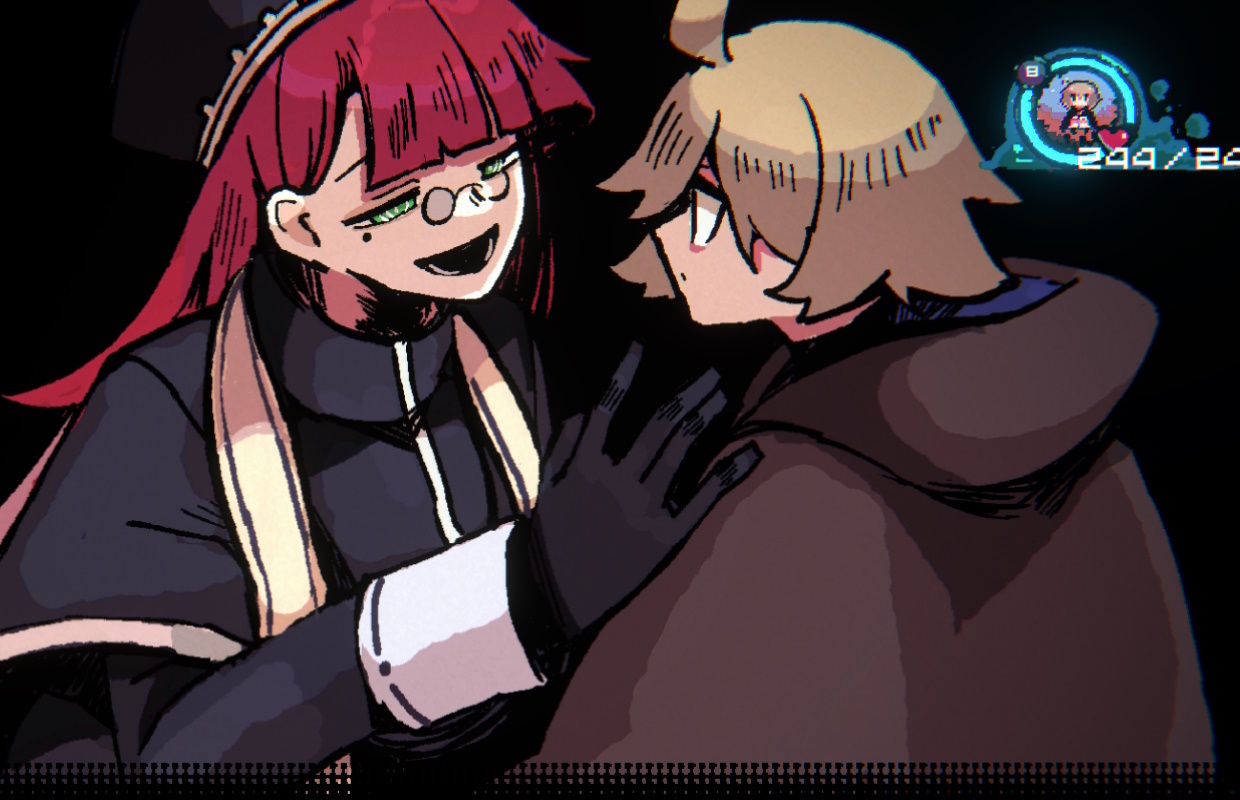
The "Polishing" Phase: Why It Matters
In the official statement, the developers used a vivid, if slightly humorous, analogy to describe what a July 22 launch would have looked like: a chaotic scramble of "gasping and wheezing" to fix critical errors. While the game would have been "playable," it would have lacked the soul and balance required for a long-term, successful dungeon crawler.
Combat Balance and Game Feel
"Game feel" is a nebulous term that covers the tactile feedback of combat—how a weapon impact is registered, how movement feels under pressure, and the consistency of the game’s internal logic. In a dungeon crawler, if the combat balance is off by even a small margin, the game can quickly shift from "challenging" to "unfair." By taking the extra time, Death Kumiai is focusing on:
- Input Latency: Ensuring every action feels immediate and responsive.
- Difficulty Curves: Adjusting enemy scaling so that the player is consistently challenged without encountering sudden, insurmountable walls.
- Interface Clarity: Smoothing out the UI to ensure players can track their resources during high-intensity encounters.
Official Responses: Transparency as a Policy
The response from both Flashlight Games and Death Kumiai has been notably candid. Rather than citing "unforeseen technical issues" or "shifting market conditions"—common PR boilerplate—the teams were blunt about the status of the build.
From Flashlight Games
The publisher emphasized the importance of the project’s long-term reputation. "We have made the decision to take additional time for final adjustments… so that we can deliver the game at the level of quality it deserves," the statement read. By taking the blame for the delay, Flashlight Games is protecting the developer’s autonomy and prioritizing the consumer’s experience over the immediate revenue of a summer launch.
From Death Kumiai
The developer’s statement was perhaps the most personal, acknowledging the pain of disappointing fans who were expecting the game this month. They stated: "The delay window may look wide, but that’s only because we’d rather promise carefully and deliver early—we’re doing everything we can to get it to you as soon as possible."
This commitment to honesty serves as a form of community management that builds long-term trust. It signals to players that the team values their time and their money enough to refuse to release a subpar product.
Implications for the Future of Annihilated
The decision to delay Annihilated carries several long-term implications for the game and the studio.
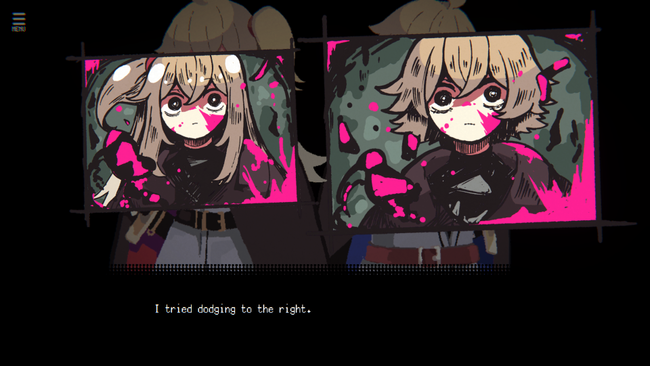
Rebuilding Momentum via the Demo
The announcement included a crucial promise: an updated demo. This is a savvy move that achieves three goals:
- Feedback Loops: It allows the developers to stress-test their balance changes with real-world player data.
- Retention: It keeps the game in the public eye during the "dead air" between the original release date and the new window.
- Proof of Progress: It allows the developers to show, rather than just tell, the improvements they have made during the extension.
The "Q4" Strategy
Launching in Q4 is a high-stakes move. The holiday season is the most competitive period for the gaming industry, with massive AAA titles competing for wallet share and social media attention. However, for a niche indie dungeon crawler, the October–December window can be a boon if the title establishes a strong core audience early. By avoiding the mid-summer release, the developers are positioning Annihilated to benefit from the "cozy" or "spooky" gaming trends that often spike in the autumn.
The Industry Context
The delay of Annihilated is a reminder of the shifting expectations in the indie sphere. As players become more wary of "broken on arrival" titles—a sentiment fueled by several high-profile, disastrous launches over the last few years—developers are increasingly choosing the "better to be late than bad" path. While the immediate reaction to a delay is often disappointment, the long-term impact on a game’s review scores and player reception is almost always positive.
Conclusion: A Measured Risk
The postponement of Annihilated to Q4 2026 is a calculated risk. It sacrifices the immediate excitement of a summer release in exchange for the potential of a more polished, stable, and critically successful launch later in the year.
For fans of the genre, the news is a mixed bag: the wait is extended, but the promise of a more balanced, "dungeon-ready" experience is a compelling trade-off. As Flashlight Games and Death Kumiai prepare to enter this final phase of development, the community will be watching closely. If the team can deliver on their promise of a tighter, more refined experience, this delay will be remembered not as a failure, but as the moment the developers chose to put quality above all else.
As of now, the Steam page remains active, and players are encouraged to keep an eye out for the upcoming demo, which will serve as the first litmus test for the changes made during this critical period of reflection and refinement.

