

The delicate tightrope walk between nostalgia and innovation has always defined the World of Warcraft experience. As Blizzard Entertainment prepares for the highly anticipated launch of World of Warcraft: Forever on November 4, the studio has found itself navigating a particularly treacherous patch of terrain regarding its newest playable race: the Skyborne.
Following a wave of community feedback that decried the race as visually "too modern" for a game rooted in the aesthetic of 2004, Blizzard has officially pivoted. In a recent developer blog, the studio announced a comprehensive "retro makeover" for the Skyborne, aiming to bridge the jarring gap between the game’s high-definition ambitions and its crunchy, low-poly roots.
The Core Conflict: Authenticity vs. Evolution
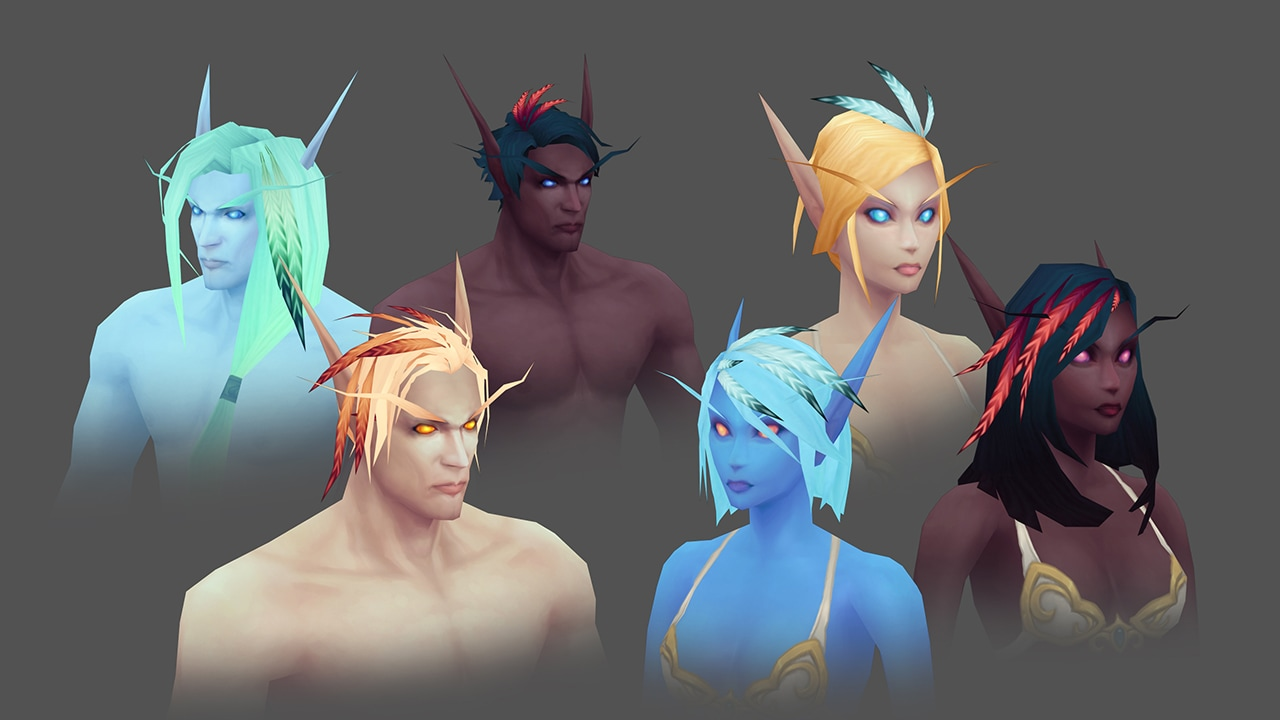
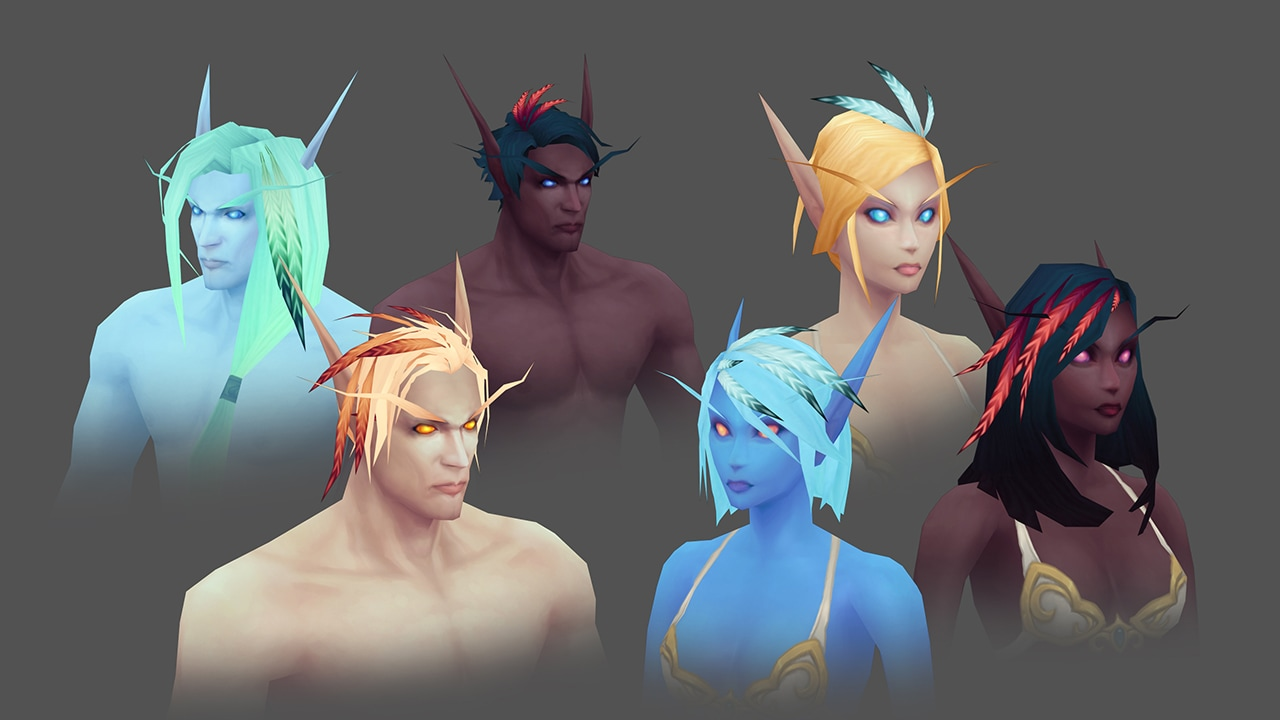
World of Warcraft: Forever was pitched as a hybrid experience—an attempt to capture the lightning-in-a-bottle magic of the original 2004 MMO while integrating modern quality-of-life improvements. However, the introduction of the Skyborne, a faction of High Elves with a striking resemblance to the Burning Crusade-era Blood Elves, sparked immediate controversy.
For many, the Skyborne represented a departure from the "classic" feel. Because they were a new addition, their character models utilized higher-fidelity textures and smoother polygon counts, making them stand out awkwardly against the pixelated, jagged charm of original races like the Human or the Tauren. The community backlash was swift, with players arguing that the Skyborne shattered the immersion of a game designed to transport them back to a simpler era of gaming.
The situation was further exacerbated by the monetization strategy. With the Skyborne locked behind a $30 expansion-tier purchase, players felt that the "premium" nature of the race should have included a design that respected the game’s visual heritage.
A Chronology of the Skyborne Controversy
The tension surrounding the Skyborne has evolved through several distinct phases since the announcement of World of Warcraft: Forever:
- Initial Reveal: Blizzard introduces the Skyborne, touting them as a new faction with unique lore and an aesthetic inspired by high-fantasy tropes.
- The "Out of Place" Accusation: Almost immediately upon the release of early beta footage, the community notes that the Skyborne models look significantly more refined than the game’s original assets.
- The Monetization Friction: The reveal that the race is gated behind a $30 paywall causes the community to scrutinize the assets with greater intensity, leading to broader debates about the "pay-to-win" potential and the dilution of the game’s original art style.
- The Developer Silence: For several weeks, Blizzard remained quiet on the feedback, focusing on gameplay balancing and performance optimization.
- The Official Pivot: Recognizing that the visual inconsistency threatened to undermine the game’s brand identity, Blizzard officially announced the "retro makeover" project, confirming that they would bring the Skyborne models in line with the game’s legacy graphics.
Supporting Data: The Technical Challenge of "Crunchy" Graphics
To understand why this is such a significant undertaking, one must look at the technical architecture of World of Warcraft. The game’s original "SD" (Standard Definition) mode is built on an engine that relies on low-polygon counts and hand-painted textures. These assets possess a specific "crunchiness"—hard edges, limited color palettes, and a distinct lack of dynamic lighting compared to modern standards.
Blizzard’s original design for the Skyborne featured smooth gradients, high-resolution textures, and complex character animations. When rendered in the same frame as a 2004-era model, the Skyborne appeared as though they had been imported from a different game entirely.
The studio’s decision to commit to a "retro makeover" involves more than just lowering resolution. Artists must manually retopologize the models to create lower-poly counts that match the silhouettes of the base game. Furthermore, they must adapt the color palettes to match the muted, earthy, and bold tones of the early 2000s, rather than the vibrant, high-contrast look of modern World of Warcraft.
Official Response: Blizzard’s Commitment to Cohesion
In their recent blog post, Blizzard provided a transparent, if somewhat apologetic, look at their development philosophy for Forever.
"Over the course of development, we have been aligning on the right range of fidelity and what feels like it belongs in the World of Warcraft: Forever world and what does not," the post stated. "The team has learned much in the process, and that will continue to strengthen more with future content."
Blizzard explicitly admitted that the Skyborne "didn’t quite meet the consistency and cohesion" they were aiming for. The response is multi-tiered:
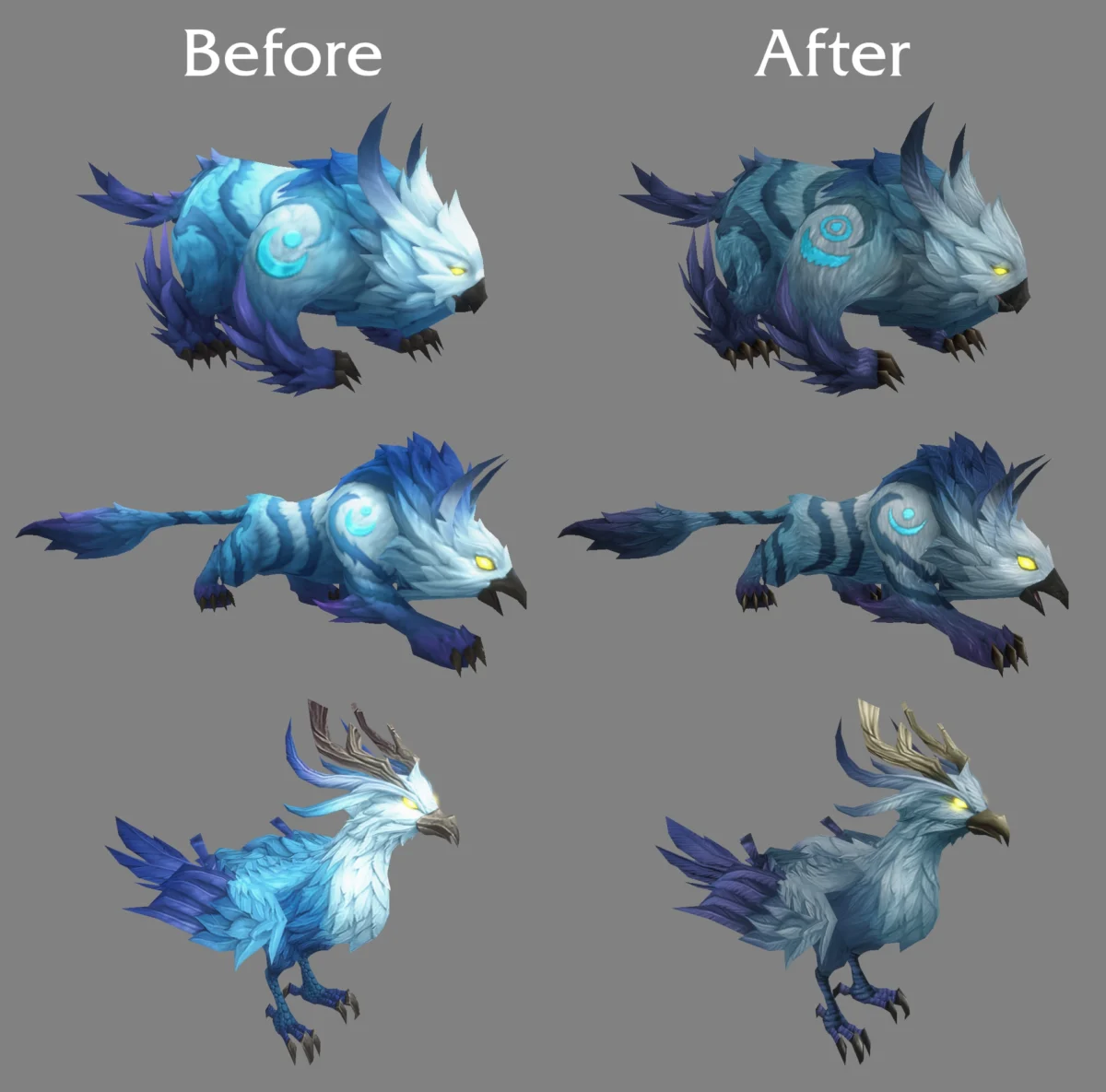
- For HD Players: Those utilizing the updated graphics engine will see a shift in the Skyborne’s druid forms and character models. Feathers and fur textures will be given "harsher lines and shapes," stripping away the overly smooth gradients that made them look like modern imports.
- For SD (Legacy) Players: The studio has committed to a complete, low-poly overhaul for players who prefer the original 2004 look. This update is scheduled for early next year, ensuring that even the most nostalgic purists will have a version of the race that fits seamlessly into their 2004-themed adventures.
Implications: The Precedent for Future Content
This controversy, and its resolution, sets a fascinating precedent for the future of World of Warcraft: Forever. By choosing to "downgrade" a premium-priced asset, Blizzard is signaling to its audience that visual integrity is a priority that supersedes modern graphical fidelity.
This is a victory for the purist faction of the player base. It proves that Blizzard is listening to feedback that challenges the game’s core identity. However, it also raises questions about the scope of the project. If every new addition to Forever requires a "retro pass," will this slow down the development of new content?
Furthermore, the willingness to adjust the Skyborne models suggests that Blizzard is acutely aware of the "Forever" brand. They are not simply managing a legacy server; they are managing a delicate ecosystem where every new pixel added to the game is scrutinized against the legacy of the original.
A Balanced Path Forward
As November 4 approaches, the pressure on the development team to deliver a cohesive experience is higher than ever. The decision to redesign the Skyborne is a testament to the fact that Blizzard understands the "Forever" label is not just a title, but a promise to preserve the spirit of the original game.
While the debate over the Skyborne’s lore and their placement within the game’s history will likely continue, the visual controversy seems to be on the road to resolution. For a $30 investment, players now have the assurance that their characters will look like they belong in the world they are exploring, rather than standing out as artifacts of a different era.
Ultimately, this move might be the cooling agent needed to settle the community. If Blizzard can maintain this level of responsiveness and respect for the game’s roots, World of Warcraft: Forever stands a much better chance of becoming the definitive "classic" experience it aims to be. The transition from the smooth, modern aesthetic to the gritty, jagged charm of 2004 is more than just a graphical choice—it is a commitment to the history of the genre itself.

