

By Elie
Published: September 30
For millions of horror gaming enthusiasts worldwide, September 30 functions as an unofficial day of remembrance. It marks precisely 28 years since the catastrophic events of Resident Evil 2, the defining turning point for franchise icon Leon S. Kennedy and a watershed moment in the history of interactive entertainment. On this fateful day in 1998, a rookie police officer stepped into a nightmare forged by the Umbrella Corporation’s negligent bioweapon development, forever altering his life and setting a gold standard for the survival horror genre.
To commemorate the anniversary of the fall of Raccoon City—the tragedy that birthed a franchise legend—we take a comprehensive look back at the series’ most psychologically damaging, terrifying, and unforgettable moments. From towering stalkers to deeply unsettling narrative turning points, these are the trials that have left permanent scars on the psyches of Resident Evil players everywhere.
Main Facts: The Legacy of Raccoon City and the Evolution of Terror
The cultural footprint of Capcom’s Resident Evil franchise is monumental. Since the original title debuted in 1996, the series has sold over 150 million copies globally, redefining how video games handle tension, resource management, and atmospheric dread.

However, September 30 holds a specific place in lore. It is the day Raccoon City was completely overrun by the T-virus, a synthetic pathogen engineered by the pharmaceutical giant Umbrella Corporation. Amidst the chaos, rookie cop Leon S. Kennedy and college student Claire Redfield converged on a city populated entirely by the walking dead and twisted genetic abominations.
While the original 1998 release of Resident Evil 2 cemented the date in gaming history, the 2019 modern remake reinvigorated the tragedy with photorealistic fidelity, introducing a new generation of players to the claustrophobic terror of the Raccoon City Police Department. It is against this backdrop of relentless survival horror that fans reflect on the specific gameplay elements and narrative beats that transcend standard scares to become genuine psychological trauma.
Chronology of Nightmares: Ranking the Series’ Most Distressing Encounters
To understand how Resident Evil evolved from fixed-camera polygon puzzles into an immersive first-and-third-person terror simulator, one must examine the specific milestones of dread curated across nearly three decades of releases.
1. Resident Evil Village: The House Beneviento Fetus (The Baby)
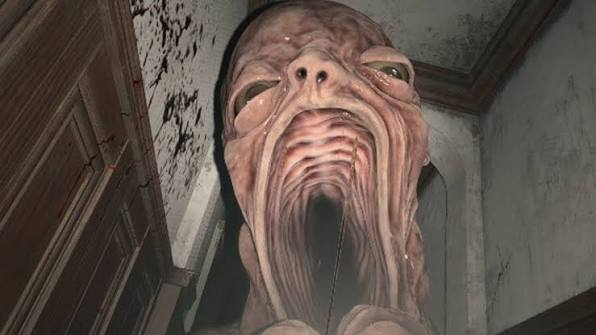
Few sequences in modern gaming match the absolute panic induced by House Beneviento’s basement in Resident Evil Village. Stripped of weapons and forced to navigate a pitch-black, labyrinthine corridor, players are relentlessly pursued by a grotesque, giggling, giant mutant fetus.

The encounter capitalizes on primal fears: the helplessness of being stripped of offense, the uncanny valley terror of a distorted infant frame bellowing "Dada," and the sheer terror of unyielding pursuit. Spending nearly an hour navigating this sequence while experiencing a full-blown panic attack is a shared rite of passage for many players. When it comes to being hunted, nothing quite compares to the giant nightmare baby.
2. Resident Evil 7: Biohazard: Marguerite Baker ("Spider-Mum")
Resident Evil 7 successfully revitalized the franchise by shifting to a first-person perspective, plunging players directly into the rotting, Southern gothic decay of the Baker family estate. While the entire game could easily dominate a list of traumatic moments, Marguerite Baker—affectionately or rather horrifyingly dubbed "Spider-Mum"—stands out as a masterpiece of visceral body horror.
Sporting grotesquely elongated limbs, a distended abdomen swarming with insect life, and a predatory scuttle that defies human anatomy, Marguerite’s boss fights are as repulsive as they are terrifying. Knowing that Capcom’s early concept art for the character was even more grotesque offers small, chilling solace.
3. Resident Evil 2 Remake: The Auditory Terror of T-00 (Mr. X)
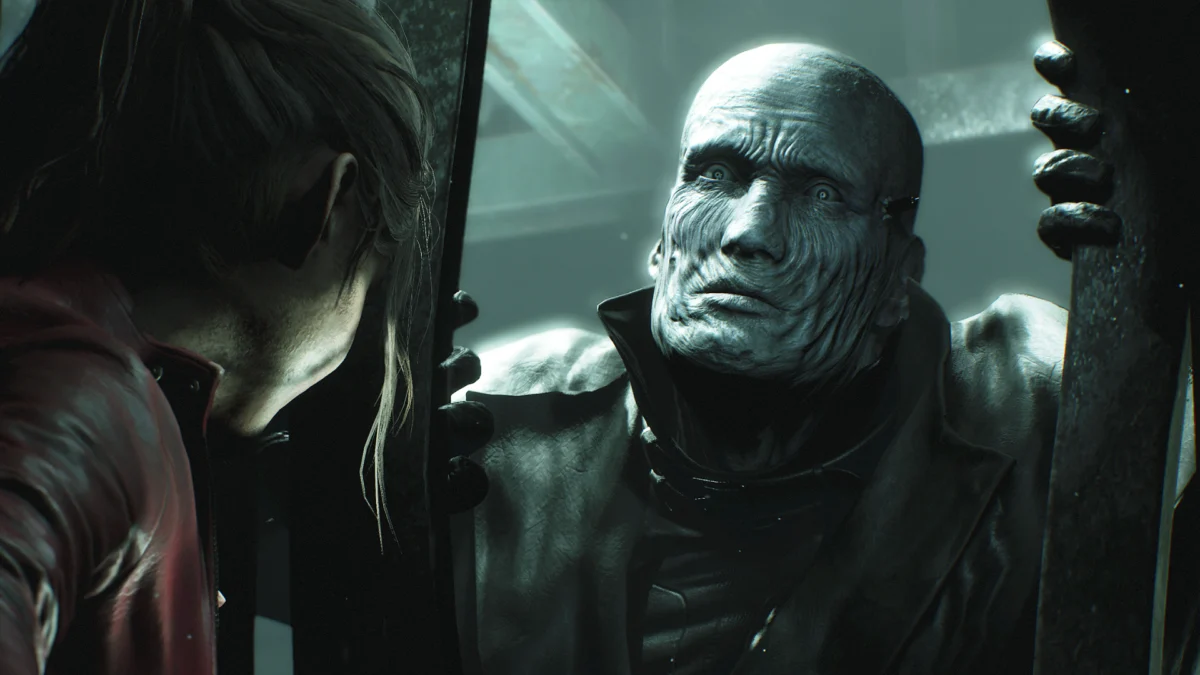
Tyrant T-00 is iconic for his fedora and trench coat, but his true terror lies in sound design. While maintaining visual contact with the unstoppable bio-weapon is manageable, the moment he breaks line of sight initiates a psychological countdown.
The heavy, measured thud of his boots echoing through the halls of the R.P.D. builds unbearable tension. The absolute nadir of player morale occurs when those slow footsteps suddenly pick up pace, transitioning into a brisk jog as T-00 zeroes in on your precise location. It is a masterclass in auditory dread.
4. Resident Evil 2: The Tragedy of Emma Kendo
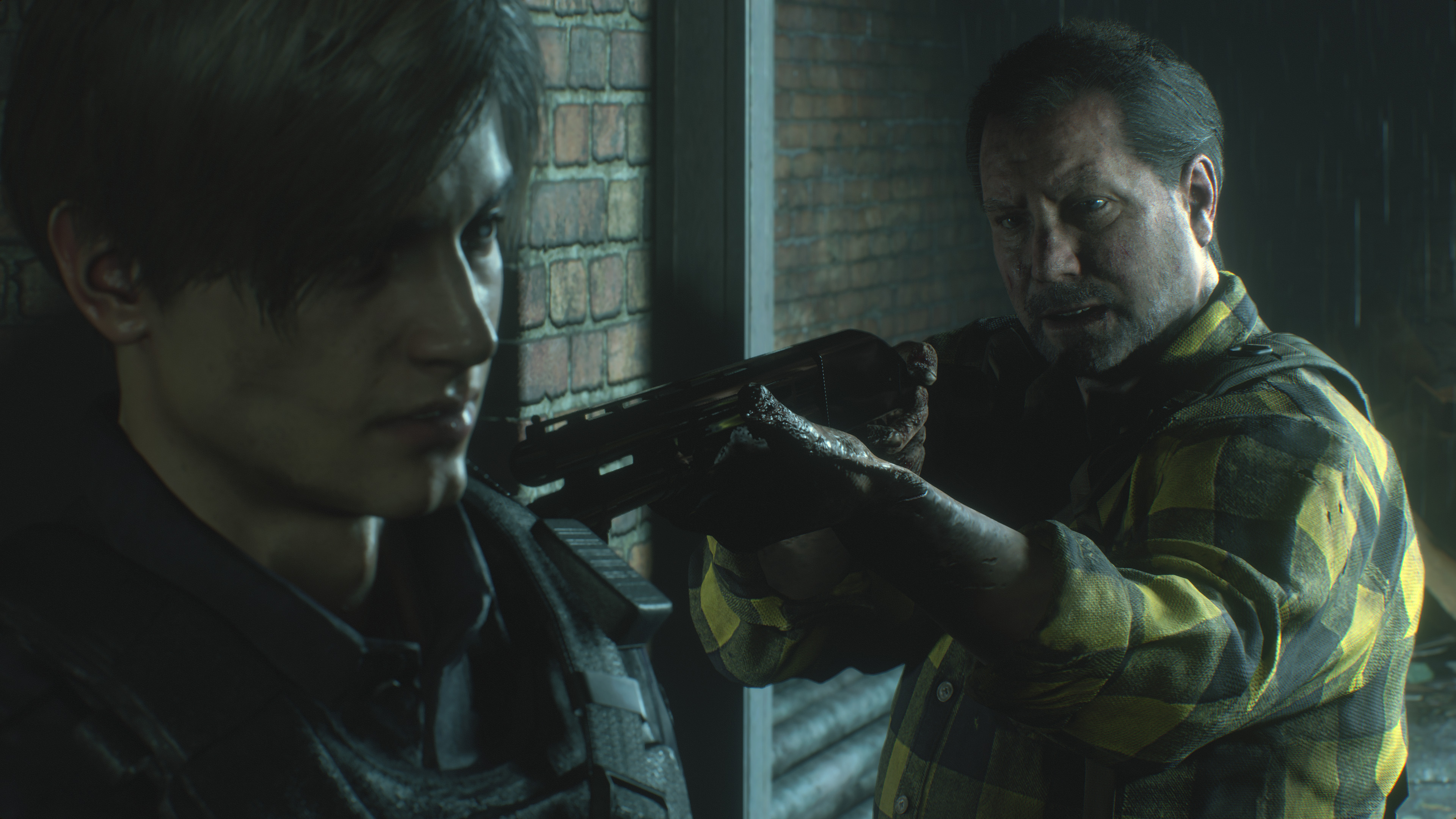
Horror in video games is often derived from monsters, but Resident Evil frequently excels at emotional devastation. The encounter with Gunshop owner Robert Kendo and his infected daughter, Emma, remains one of the most heartbreaking scenes in the series.
The horror is amplified by revisitations in spin-offs like Resident Evil: Requiem, where Leon is forced to relive the grief of the moment. Robert’s desperate scramble to comfort his turning child, punctuated by the agonizing indictment, "You’re a cop. You’re supposed to know something!" leaves a lingering emotional wound that physical combat encounters cannot match.
5. Resident Evil: Revelations 2: The Canonically Devastating Bad Ending
While narrative choices in survival horror rarely carry heavy emotional consequences, Resident Evil: Revelations 2 delivered a devastating blow with its split-character mechanics. Failing to secure the optimal path results in Moira Burton being left behind to perish in the collapsing ruins of the Overseer’s facility.

Watching Claire escape alone while Moira desperately urges her to go—coupled with the sudden, permanent loss of a deeply endearing character whom the player fought tirelessly to protect—delivers a psychological gut-punch distinct from typical jump scares.
6. Resident Evil (Original): The Keeper’s Diary
Proof that text can be just as terrifying as 3D models, the original Resident Evil introduced players to the Keeper’s Diary in the Spencer Mansion.
Through a series of increasingly erratic, deteriorating journal entries, players read firsthand accounts of a security guard slowly contracting the T-virus. The horror builds as his cognitive functions degrade, culminating in infamous, spine-chilling phrases like "Itchy. Tasty." It remains one of the finest examples of environmental storytelling in gaming history.
Supporting Data: The Evolution of Horror Engagement
- Longevity: The Resident Evil franchise spans 28 years, evolving through fixed-camera survival horror, over-the-shoulder action-horror, and immersive first-person psychological thrillers.
- Commercial Milestone: As of recent Capcom financial reports, the franchise has surpassed 150 million units sold worldwide, making it one of the most successful intellectual properties in gaming history.
- Remake Success: The modernized iterations, specifically Resident Evil 2 Remake (2019) and Resident Evil 4 Remake (2023), achieved critical acclaim and multi-million unit sales within their respective launch windows, proving that classic survival horror mechanics remain deeply lucrative and terrifying to modern audiences.
Official Responses and Industry Impact
Capcom has continually acknowledged the psychological impact its level design and character writing have on the gaming community. Developers behind the modern remakes and sequels have frequently noted in developer diaries that balancing dread and player empowerment is an exact science.
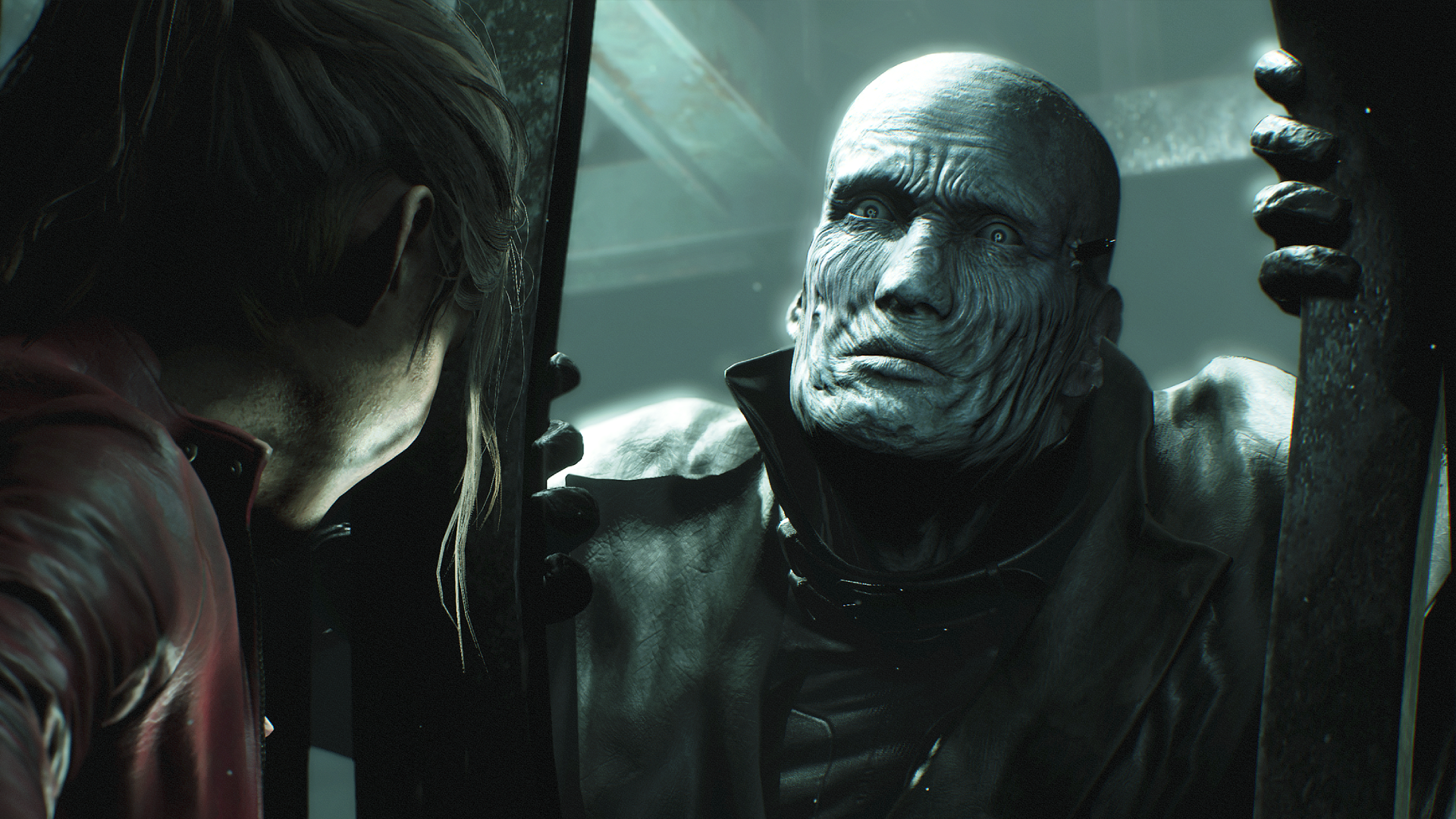
When creating entities like Mr. X or House Beneviento’s fetus, the development teams focused heavily on vulnerability. By periodically stripping away offensive capabilities or restricting visibility, Capcom effectively weaponized player anxiety.
Industry analysts credit the Resident Evil series with establishing the survival horror genre’s foundational blueprint, influencing countless indie and AAA horror titles that prioritize resource scarcity, environmental storytelling, and psychological oppression over mindless action.
Implications for the Future of Survival Horror
As fans celebrate the 28th anniversary of the Raccoon City disaster, the implications for the future of the Resident Evil franchise are profound. Capcom’s recent string of successes has proven that modern gamers have an insatiable appetite for meticulously crafted terror.
The seamless blend of emotional narrative stakes—such as the Kendo family tragedy—with high-intensity mechanical threats like T-00 and the Beneviento nightmare ensures that future installments will continue to push psychological boundaries. As rumors swirl regarding upcoming franchise entries, one thing remains certain: the scars inflicted by Raccoon City and Umbrella Corporation will continue to shape the evolution of video game horror for decades to come.
What are your most traumatic memories from the Resident Evil franchise? Let us know in the comments below—just try to keep the discussion light on relentless chase scenes; our collective heart rates can only take so much.

