

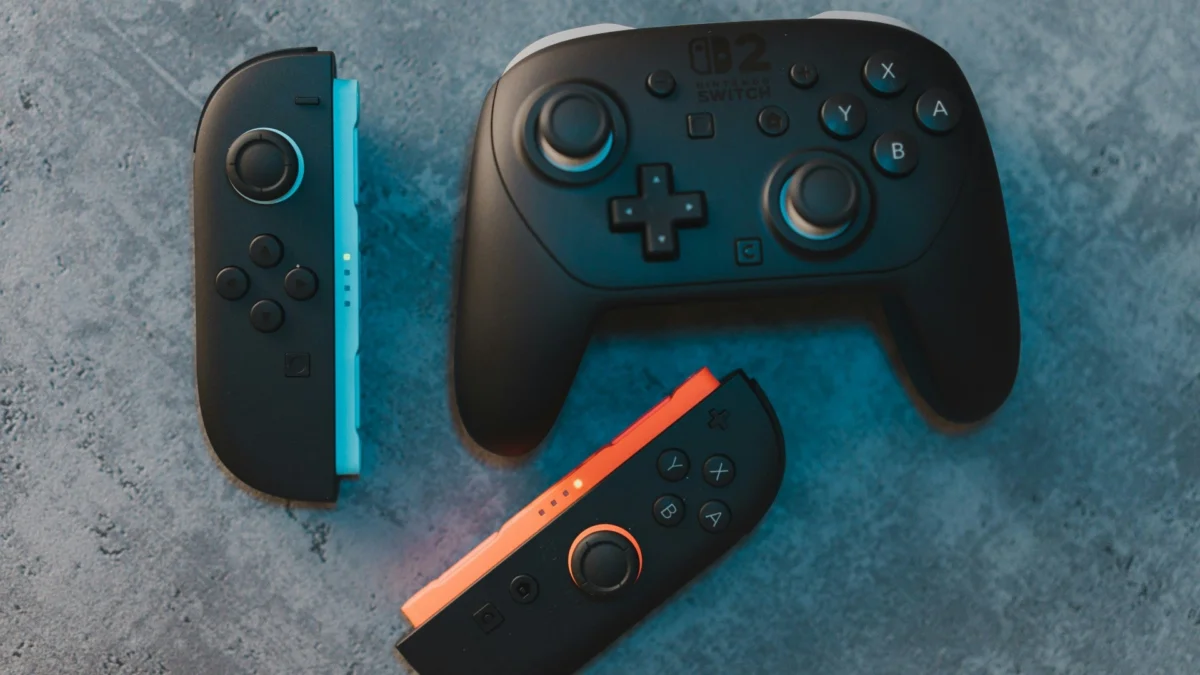
In a high-stakes legal confrontation, Nintendo of America has officially filed a motion to dismiss a class-action lawsuit that accuses the gaming giant of failing to pass on financial benefits—specifically, tariff refunds—to its customer base. The lawsuit, which emerged earlier this year, centers on the complex relationship between international trade policies, corporate pricing strategies, and the expectations of consumers in an era of volatile global markets.
As Nintendo attempts to navigate this litigation, the case has sparked a broader conversation about the transparency of consumer pricing and the legal obligations of corporations when they recoup costs previously associated with government-imposed duties.
The Core Dispute: A Question of Commercial Fairness
The class action lawsuit was initiated by two Nintendo customers who argued that the company unfairly hiked hardware prices during a period of intense scrutiny over US tariffs. The plaintiffs contend that because Nintendo actively sought and pursued compensation for tariffs paid to the US government, any successful recovery of those funds should, by extension, be passed down to the consumers who paid higher prices during the window when those tariffs were active.
The plaintiffs’ argument rests on the premise that the price increases observed between February 1, 2025, and February 24, 2026, were directly linked to the tariff burden. Therefore, they claim, Nintendo’s retention of those funds—should a refund be granted by the US Court of International Trade—constitutes an unjust enrichment.
However, Nintendo’s defense team has countered this with a robust motion to dismiss, framing the dispute as a fundamental misunderstanding of how retail economics and commercial law function. In a filing that has drawn significant attention from industry analysts, Nintendo’s counsel emphasized that a purchase agreement is a static contract.
"If a consumer did not want to pay the advertised price, they were free to abstain from purchasing the product or seek out competing products," the defense stated. They argue that once a transaction is completed at an agreed-upon price, the consumer has received the full value of their bargain. The prospect of future legal developments regarding tax or tariff liability, they contend, has no bearing on the validity of a past transaction.
Chronology: A Timeline of Tariff Tensions
To understand the gravity of the current lawsuit, one must look at the timeline of events that led to the friction between Nintendo and its American consumer base.
- Early 2025: As geopolitical tensions influenced international trade, the US government signaled shifts in tariff policy. Nintendo, heavily reliant on a global supply chain, began assessing the impact of these levies on its hardware costs.
- February 1, 2025: The period cited by the plaintiffs as the beginning of the "tariff-affected" pricing window. During this time, consumers began noticing upward adjustments in hardware pricing across various retailers.
- June 2025: A pivotal moment for the industry, as Nintendo prepared to launch the highly anticipated Nintendo Switch 2. Amidst the uncertainty, Nintendo announced a delay in US pre-orders, citing the instability caused by ongoing tariff negotiations.
- Post-Launch 2025: Following the release of the Switch 2 at a $449.99 price point, Nintendo clarified that this specific flagship console price was not a direct result of the tariff increases, despite earlier industry speculation.
- Late 2025 – Early 2026: Nintendo formally initiated legal action against the US government, suing to recover the tariffs it had paid, arguing that the assessments were improper.
- 2026: The current class-action lawsuit was filed by consumers, arguing that if Nintendo wins its case against the government, the "rebate" belongs to the customers who paid the higher prices during the affected period.
Supporting Data: Dissecting the Pricing Strategy
One of the most compelling aspects of Nintendo’s defense is its detailed breakdown of how it handled cost increases. The company explicitly rejects the narrative that it implemented a "tariff surcharge" or a blanket price hike.
According to the motion to dismiss, Nintendo’s pricing strategy was "modest and selective." The company claims it absorbed the costs of tariffs on its most popular 2025 products, including the flagship Nintendo Switch 2, rather than passing the entirety of that financial burden onto the consumer. By choosing to shield its most popular hardware from the full weight of the tariffs, Nintendo argues that it acted in good faith to protect its market share and maintain consumer accessibility.
Furthermore, the legal filing highlights that market competition remained the primary regulator of price. Nintendo posits that because the video game market is saturated with competitors—ranging from Sony’s PlayStation to Microsoft’s Xbox and the robust PC gaming sector—consumers had ample opportunity to vote with their wallets. The fact that consumers proceeded with their purchases, despite the adjusted pricing, serves as evidence that the value provided by the products met or exceeded the cost of entry at the time of purchase.
Official Responses and Legal Arguments
Nintendo’s defense is anchored in the principles of contract law and the autonomy of the consumer. Their lawyers stated: "The common thread among Plaintiffs’ claims is that it is somehow ‘unfair’ that Nintendo has not retroactively adjusted its prices for completed sales in response to the outcome of the tariff litigation. But that is not how commercial transactions work."
The defense further clarified that a retail price is an "all-in" figure that reflects a variety of business costs, including manufacturing, shipping, marketing, research and development, and taxes. They argue that singling out one specific cost factor—tariffs—as a basis for a retroactive refund is arbitrary and legally baseless.
"Nintendo or one of its retailers set a price for each product, and consumers decided whether that price was worth paying," the filing notes. "Those who bought Nintendo’s products received exactly what they bargained and paid for: a console, game, and/or accessory at a price to which both parties agreed."
The plaintiffs, conversely, argue that the "unfairness" stems from a perceived breach of transparency. They suggest that if a company explicitly blames a price hike on a government tariff, they have a moral, if not legal, obligation to return those funds if the government later deems the tariff collection to have been an error.
Implications for the Gaming Industry and Beyond
This case has implications that reach far beyond the gaming industry. It touches on the "price gouging" narrative that often accompanies supply chain disruptions. If the court were to rule in favor of the plaintiffs, it could establish a legal precedent requiring companies to issue rebates to customers whenever a cost-of-goods factor is later mitigated by government intervention or legal victories.
1. The Precedent of "Retroactive Pricing"
If companies are legally required to account for every fluctuating variable in their supply chain—from fuel costs to government tariffs—the retail landscape would become incredibly volatile. Most legal experts suggest that such a requirement would be catastrophic for businesses, as it would make stable pricing structures nearly impossible to maintain.
2. Transparency vs. Proprietary Strategy
The case highlights the tension between consumer demand for transparency and a company’s right to keep its pricing strategies proprietary. Nintendo’s defense underscores that while a company may explain its costs to the public, those explanations do not constitute a legal contract promising a rebate in the event of a tax refund.
3. The Future of US Trade Litigation
Nintendo’s ongoing suit against the US government for the return of tariffs remains a separate, high-stakes battle. Should Nintendo succeed in securing a refund from the US Court of International Trade, the pressure from the public and consumer advocacy groups will likely intensify. However, if the current motion to dismiss the class-action lawsuit is successful, it will provide a clear roadmap for other corporations facing similar pressures.
4. Consumer Choice in a Globalized Market
Ultimately, the case reinforces the role of the consumer as a rational actor in a competitive market. Nintendo’s defense team is betting that the court will uphold the sanctity of the "meeting of the minds"—a legal concept where an agreement between a buyer and seller is final once the exchange is made.
As this case moves through the court system, it serves as a stark reminder of the complexities inherent in the global supply chain. For gamers and investors alike, the outcome of this dispute will likely define the boundaries of corporate liability for years to come. Whether the court sides with the plaintiffs’ call for "fairness" or Nintendo’s defense of "contractual finality" will determine if the prices we pay at the checkout counter are truly final, or if they remain tied to the long, unpredictable tail of government trade policy.

