

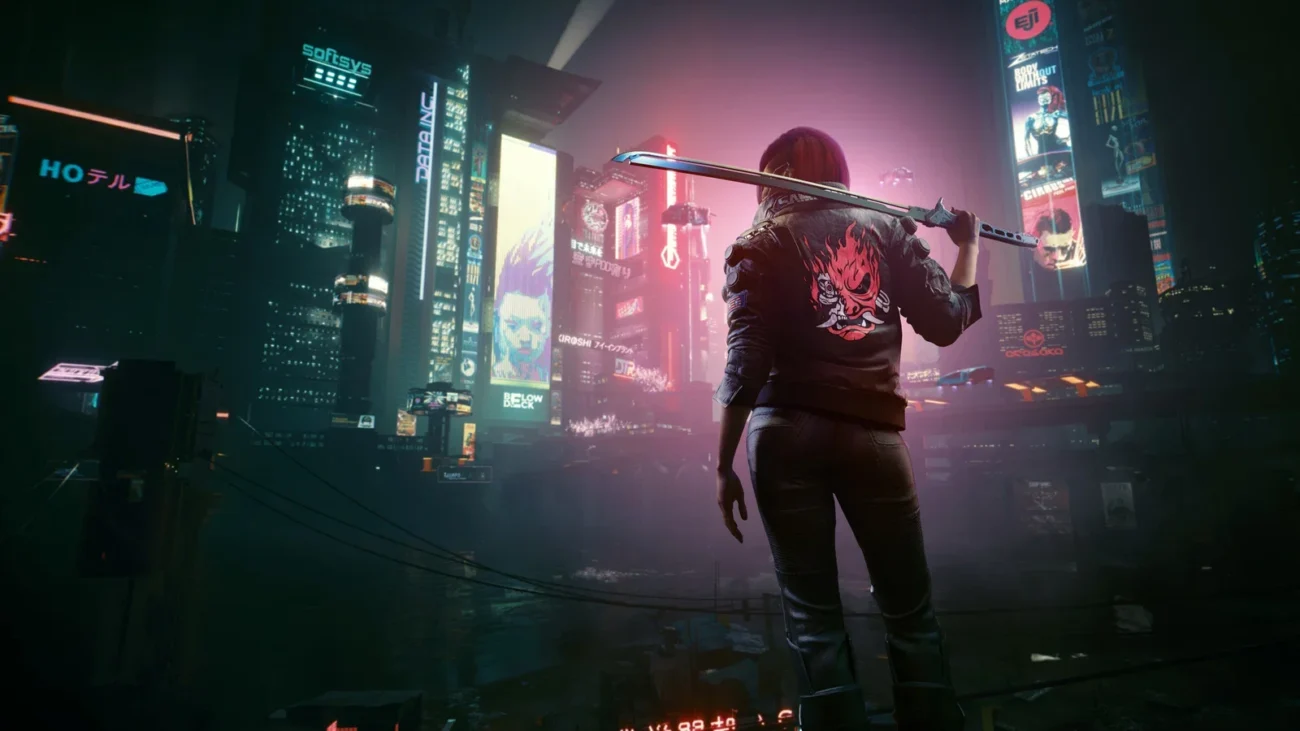
In a move that signals the deepening intersection of interactive gaming and prestige cinema, CD Projekt Red (CDPR) has officially announced a partnership with Paramount Pictures to develop a live-action film set within the neon-drenched, dystopian universe of Cyberpunk 2077. The collaboration marks a significant milestone for the Polish game developer, as it seeks to translate the complex, morally grey narrative of Night City into a medium that has seen a historic, recent renaissance.
The project will be co-produced by CD Projekt Red and the seasoned veteran Lorenzo di Bonaventura, best known for his massive success with the Transformers franchise. This announcement arrives at a time when the "video game adaptation curse" has been thoroughly broken, replaced by a gold rush of high-budget productions that are proving to be as commercially viable as they are critically acclaimed.
The Strategic Union: A New Chapter for Night City
The decision to bring Cyberpunk 2077 to the silver screen is not merely a creative exercise but a calculated expansion of the brand’s intellectual property. CDPR has spent the better part of a decade cultivating the Cyberpunk brand, evolving it from a niche tabletop RPG (created by Mike Pondsmith) into a global cultural phenomenon.
"We’re excited about Paramount as a future partner who shares our creative ambitions for the Cyberpunk franchise," stated CDPR co-CEO Michał Nowakowski. While the studio remains tight-lipped regarding the specific narrative arc—whether it will feature V, Johnny Silverhand, or an entirely new ensemble of mercenaries—the intent to maintain the "creative ambition" associated with the games is at the forefront of the studio’s communication.
For Paramount, the acquisition of this property fits neatly into its broader corporate strategy. Following the monumental $111 billion merger with Warner Bros. Discovery—now operating under the Skydance umbrella—the studio is positioning itself as a juggernaut in "transmedia" storytelling.
Chronology: From Pixel to Prime Time
The path to this film has been paved by a series of strategic successes in media expansion. To understand why CDPR is moving into live-action film, one must look at the timeline of their multimedia efforts:
- 2020: The release of Cyberpunk 2077 (following a turbulent launch) began the arduous process of building the IP’s foundation.
- 2022: The turning point. CDPR partnered with Studio Trigger to release Cyberpunk: Edgerunners on Netflix. The anime was a runaway success, praised for its visceral animation and emotional storytelling, which directly fueled a massive resurgence in game sales and player engagement.
- 2023: CDPR cements its status as a multimedia powerhouse, confirming that it is looking beyond gaming to ensure the longevity of its franchises.
- October 2026: The formal announcement of the live-action Cyberpunk 2077 feature film with Paramount and Lorenzo di Bonaventura.
This progression demonstrates a clear methodology: use animation to test the waters, leverage game updates to keep the community engaged, and finally pivot to the massive scale of live-action feature films to capture a mainstream, non-gaming audience.
Supporting Data: The "Adaptation Effect"
The industry’s confidence in this project is not built on hope, but on hard data. The correlation between successful adaptations and increased player engagement has become a standard metric for major gaming publishers.
The Resident Evil Precedent
Analysts from GamesIndustry.biz recently highlighted the "Resident Evil effect." When filmmaker Zach Cregger’s cinematic vision for the franchise reached audiences, Capcom saw a staggering 50% increase in player engagement across its entire catalogue. This suggests that movies do not just generate ticket sales; they function as long-term marketing funnels for the source material.
The Fallout Phenomenon
Amazon’s Fallout series serves as the current gold standard. Season two of the adaptation quickly became the sixth most-watched series in Amazon Prime’s history. The downstream effects were immediate: the number of concurrent players for Fallout 4 on Steam more than doubled overnight. For a studio like CDPR, which is currently deep in development on The Witcher 4 and a Cyberpunk sequel (codenamed "Project Orion"), this is the exact type of synergy they aim to replicate.
Official Perspectives: The Skydance Strategy
The partnership is occurring under the shadow of the massive Skydance merger. Skydance president Andy Gordon has been vocal about the company’s vision for the future, which centers on meeting consumers where they "watch, play, and engage."
"These are core pillars of our strategy to build engagement and fandom in both the physical and digital worlds," Gordon noted following the merger. By merging Paramount Games Studio and WB Games under the Skydance banner, the company is effectively creating a pipeline where film and gaming departments can share resources, assets, and narrative DNA. For Cyberpunk, this means the film could potentially benefit from the technical expertise of developers who have spent years perfecting the aesthetic and mechanics of Night City.
Implications: The Future of the Cyberpunk Franchise
The announcement of this film carries several major implications for the future of the Cyberpunk IP and the gaming industry at large.
1. The Rise of "Transmedia" Developers
CD Projekt Red is moving away from being a "game studio" and toward being an "IP owner." By balancing the development of The Witcher 4 (with a team of over 500 developers) alongside the Cyberpunk film and the Cyberpunk 2077 sequel in their Boston studio, they are demonstrating a new model of stability. They are no longer reliant on the success of a single launch window; they are building a cinematic universe that sustains interest in the games even during the long, multi-year gaps between major releases.
2. High Stakes for Artistic Fidelity
The challenge remains: Cyberpunk 2077 is defined by its deep interactivity, choice-based narrative, and the player’s agency. Transitioning this to a linear film format is a difficult task. Fans of the franchise are notoriously protective of the lore, particularly the complex relationship between corporate greed, body modification, and the individual struggle for survival in a crumbling society. The collaboration with Lorenzo di Bonaventura—a producer known for large-scale, high-octane spectacle—will likely prioritize the "look and feel" of Night City, but the challenge will be capturing the soul of the game’s writing.
3. Market Saturation and Competition
Paramount is not the only player in this space. With a Street Fighter film in development with Legendary and a long-gestating Call of Duty project under Peter Berg, Paramount is aggressively building a library of "gamer-centric" cinema. This competition will force CDPR to ensure their entry stands out. They have the advantage of an aesthetic that is uniquely recognizable—the "Cyberpunk" look is a distinct visual shorthand in modern pop culture.
Conclusion: A High-Stakes Bet on Night City
As the industry watches, the Cyberpunk 2077 film represents more than just a box-office play. It is an test of whether a deeply interactive, player-driven narrative can survive the transition to the rigid structure of a two-hour film.
CD Projekt Red is currently in the "most intensive phase" of its existence, juggling massive AAA titles with ambitious film projects. If they succeed, they will have effectively secured the Cyberpunk franchise for a new generation, proving that in the future, the boundary between the player and the spectator is not just blurred—it is entirely gone. As we wait for more details to emerge, one thing is certain: in the world of Night City, nothing is ever truly finished; it is only re-imagined.

