

Introduction: The Accidental Discovery of a Cult Classic
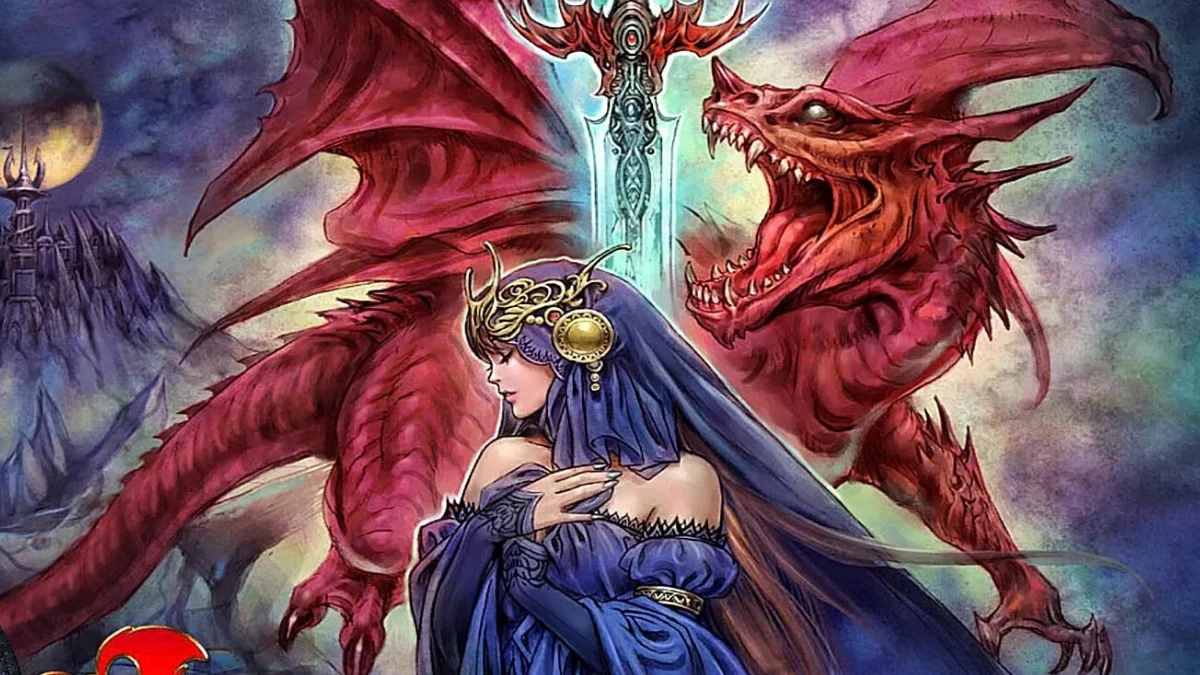
In the vast and ever-expanding ocean of digital storefronts, algorithmic recommendations are often a mixed bag, routinely serving up predictable triple-A sequels or hyper-niche asset flips. Yet, on a quiet evening during the height of a Steam Autumn Sale, a serendipitous encounter with an obscure title caught the eye of seasoned industry observers. The game was Xanadu Next, a Diablo-esque isometric action role-playing game originally developed by legendary Japanese studio Nihon Falcom.
The initial elevator pitch—an action RPG from the creators of Ys and The Legend of Heroes, birthed from the unlikeliest of hardware origins—was enough to spark immediate curiosity. What followed was a deep dive into a game that had long been relegated to the footnotes of gaming history: a title conceptualized for Nokia’s ill-fated N-Gage mobile gaming device, subsequently refined for Japanese PCs, and finally translated into English over a decade after its initial release.
Now, with a fresh surge of interest prompted by steep seasonal discounts, Xanadu Next stands as a fascinating case study in retrospective appreciation. It proves that clever game design, atmospheric world-building, and meditative pacing can transcend both technological limitations and the ravages of time.
Main Facts: What is Xanadu Next?
At its core, Xanadu Next is an isometric, dungeon-crawling action RPG that blends fast-paced combat with labyrinthine exploration and light puzzle-solving. Players assume the role of a knight protagonist who arrives at a central, safe-haven village—a classic structural trope reminiscent of Blizzard’s Diablo. From this hub, players venture outward into a perilous, interconnected world to unravel mysteries, battle monstrous entities, and collect loot.
However, the game’s production history is just as compelling as its gameplay loop:
- Developer: Nihon Falcom, a studio celebrated for its rich heritage in crafting deep, story-driven Japanese role-playing games (JRPGs).
- Original Platforms: Conceived as a multi-platform project for Nokia’s N-Gage handheld and Microsoft Windows, though the PC version saw a much more favorable reception upon its initial release.
- Release Timeline: Originally launched in Japan in late 2005, the game remained inaccessible to Western audiences for over ten years until a localized PC version finally hit Steam in 2016.
- Current Status: Widely regarded by JRPG purists as one of Falcom’s hidden masterpieces, currently experiencing a resurgence in visibility due to platform sales.
Chronology: From the PC-88 Origins to the Steam Renaissance
To fully appreciate Xanadu Next, one must trace a lineage that stretches back more than four decades. The franchise’s history is a testament to Nihon Falcom’s enduring influence on the action-RPG genre.
1985: The Genesis (Xanadu: Dragon Slayer 2)
The story begins with Xanadu: Dragon Slayer 2, released for the PC-88 computer system in Japan. Designed by Yoshio Kiya, the game was a monumental commercial and critical success, frequently credited as one of the founding pillars of the action RPG genre. It established concepts of persistent worlds, inventory management, and tactical combat that would influence generations of developers.
2005: The Odd Evolution (Xanadu Next)
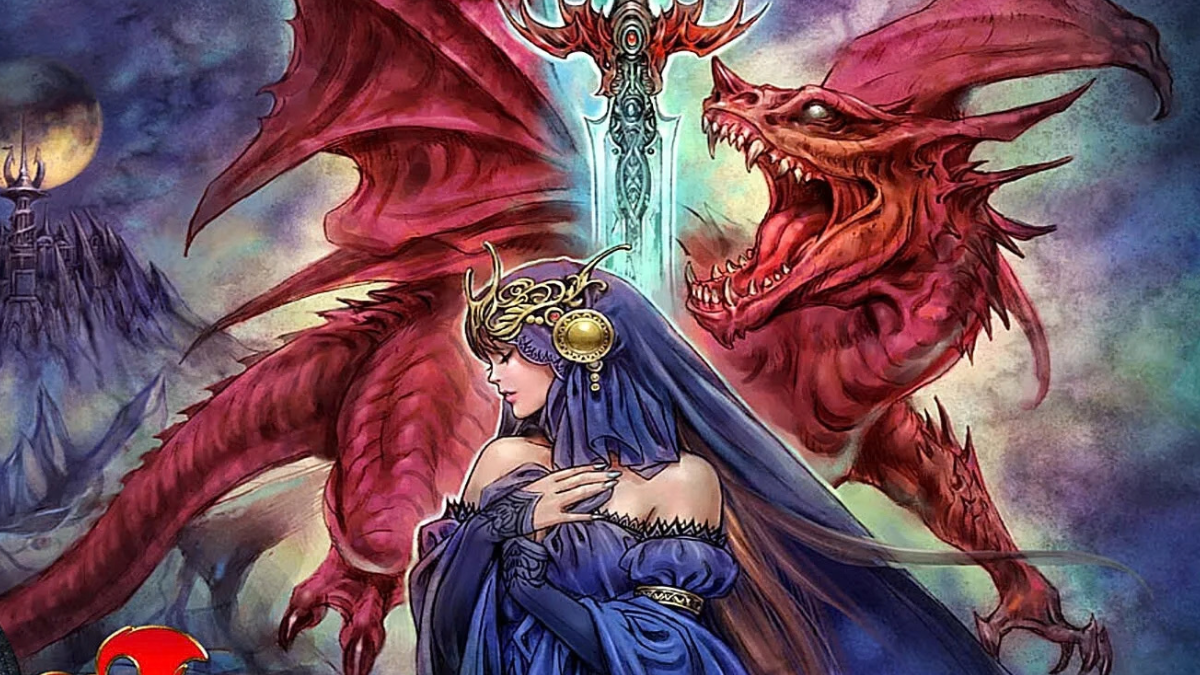
Two decades after the original hit, Nihon Falcom decided to revive the dormant IP. In an eccentric move characteristic of mid-2000s game development, the project was engineered to span two vastly different platforms: the Nokia N-Gage (a hybrid mobile phone and handheld console) and the personal computer.
While the N-Gage version suffered from severe technical constraints, cramped screen resolutions, and awkward controls, the PC version—released in Japan a few months later—offered a vastly superior experience. Smooth performance, crisp isometric visuals, and tighter controls allowed the underlying design to truly shine. Unfortunately, language barriers kept the title confined to domestic markets for over a decade.
2016: The Western Awakening
Thanks to publisher XSEED Games, Western PC gamers finally received an official English localization on Steam in 2016. Though it dropped quietly without massive marketing fanfare, the port provided a stable way to experience the PC version of the game, complete with modern resolution support and achievement integration.
Present Day: The Autumn Sale Revival
Fast-forward to the present, where algorithmic curation and seasonal price reductions have brought Xanadu Next back into the public conversation. With a hefty discount on Steam, a new generation of players is discovering why this eccentric cross-platform experiment holds a revered spot in Falcom’s extensive catalog.
Supporting Data: Mechanics, Atmosphere, and Metroidvania Design
Spending time with Xanadu Next reveals a title that punches well above its weight class, anchored by mechanics that reward patience and exploration.
Combat and Progression
The combat loop relies on a satisfying "circle-and-slash" rhythm. It lacks the complex combos of modern character action games, but its tactical positioning, stamina management, and elemental weapon types provide genuine depth. Players must carefully balance offensive maneuvers with defensive retreats, making standard enemy encounters engaging rather than mindless fodder.
The Metroidvania World Structure
One of the game’s standout features is its brilliant world design. While it utilizes a central hub village for resting, trading, and upgrading, the outer world unfolds like a classic Metroidvania. Progression is gated not just by combat strength, but by literal obstacles—such as locked doors requiring keys that gradually increase in price back in town.
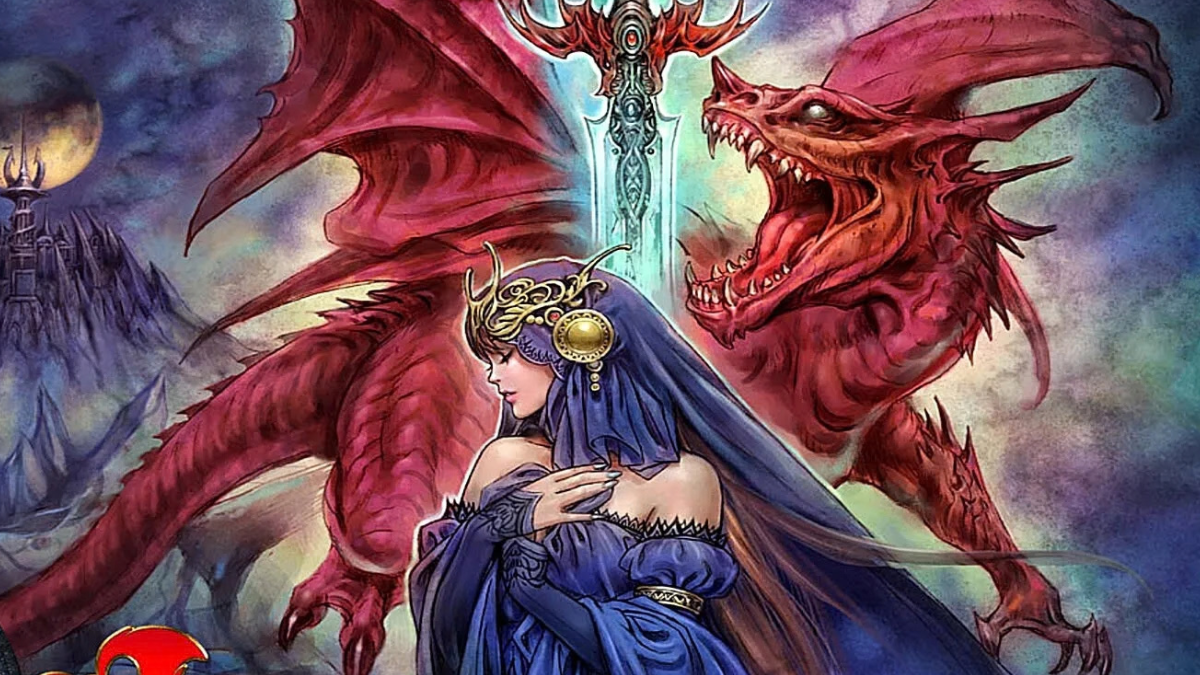
Discovering shortcuts that loop back to earlier areas generates that unmistakable dopamine hit popularized by games like Dark Souls and Metroid. The thrill of spatial recognition—realizing that a dark, foreboding corridor connects directly to the safety of the starting village—elevates the exploration loop from a chore into a genuine pleasure.
Atmosphere and Pacing
The game strikes a unique tonal balance. It marries the bright, inviting aesthetics of a traditional JRPG village with a melancholic, misty, and atmospheric wilderness. It is undeniably a grind, but players frequently describe it as "peaceful" or "meditative." Pushing ever deeper into the blocky, labyrinthine dungeons provides a tranquil rhythm that stands in stark contrast to the high-octane sensory overload of many modern titles.
Technical Hurdles and Community Solutions
Bringing a 2005 PC port into the modern era of hardware and operating systems is rarely seamless. Xanadu Next comes with its fair share of architectural quirks that prospective players should note:
- Controller Support: As a rare PC-only JRPG from its era, native controller support is rudimentary at best. While the Steam community has stepped up with robust custom controller profiles, players will still occasionally need to rely on a mouse to manage inventory screens.
- Display Settings: The game will not automatically detect or scale to modern high-resolution displays upon first boot. Players must manually launch the separate configuration executable (config.exe) prior to starting the game to adjust graphic parameters properly.
- Steam Deck Compatibility: Despite Steam’s official "Unsupported" classification, the game runs remarkably well on handheld hardware. By utilizing a community-made controller layout and configuring the resolution beforehand, players can easily enjoy the title on the go.
Implications: The Enduring Legacy of Nihon Falcom
The sudden micro-trend surrounding Xanadu Next highlights a broader truth about the modern gaming landscape: the preservation and rediscovery of back-catalog titles are vital to the industry’s health.
In an era dominated by live-service games, endless patches, and hyper-realistic graphics, returning to a 2005 isometric JRPG offers a refreshing reminder of the power of pure design fundamentals. It demonstrates that compelling atmosphere, clever level design, and a rewarding sense of progression can insulate a game against the inevitable march of technological obsolescence.
Furthermore, this renewed interest serves as a gateway to Nihon Falcom’s wider catalog. For many players, unearthing Xanadu Next acts as an entry point to explore other legendary Falcom franchises, such as the Ys series and The Legend of Heroes: Trails saga. As digital storefronts continue to unearth forgotten relics, games like Xanadu Next prove that great design never truly dies—it simply waits for the right algorithm to bring it back to the surface.

