


Main Facts
In a sweeping and unexpected course reversal, Bungie’s new leadership team has unveiled "The Next Chapter for Bungie," announcing a monumental shift in the studio’s strategy regarding its flagship franchise, Destiny 2. Following the rollout of the "Monuments of Triumph" update—previously framed as the definitive final content injection for the sci-fi shooter—Bungie has confirmed it is officially walking back plans to sunset the franchise.
Most notably, the studio intends to systematically undo its most controversial historical decision: the Content Vault. Bungie plans to restore major pieces of Destiny 2’s history, including fan-favorite legacy story campaigns and classic raids that were previously stripped from the game.
This dramatic pivot arrives during a turbulent period for the developer, coming on the heels of devastating industry-wide layoffs that hit the studio hard just three months prior. Alongside the Destiny 2 reversal, Bungie offered a "proof of life" update for its upcoming extraction shooter, Marathon, confirming that the title is receiving a significant pivot of its own, including a permanent PvE mode and dedicated social spaces slated to launch in December.
Chronology: From Launch to the Content Vault and Beyond
To understand the magnitude of Bungie’s latest announcement, one must trace the timeline of Destiny 2’s tumultuous seven-year lifespan, marked by soaring highs and catastrophic missteps.
- September 2017: Destiny 2 launches on consoles to commercial success, later arriving on PC. The base game introduces a cohesive cinematic campaign, distinct planets (such as the EDZ, Nessus, Io, and Titan), and deep cooperative endgame activities.
- October 2019: Bungie splits from Activision, taking full independent control of the intellectual property. The studio introduces Destiny 2: Shadowkeep and the "New Light" free-to-play model, signaling a shift toward a live-service seasonal framework.
- August 2020: In a move that shocks the community, Bungie announces the creation of the Destiny Content Vault (DCV). Citing technical limitations, file size bloat, and the immense overhead required to patch older content alongside newer expansions, the studio reveals plans to permanently remove foundational planets, old raids, and entire legacy story campaigns.
- November 2020: The Beyond Light expansion drops, alongside the implementation of the DCV. Massive swathes of paid content purchased by players—including the original 2017 Red War campaign and multiple destination worlds—vanish overnight. Player sentiment begins a slow, downward spiral concerning ownership and game preservation in the live-service space.
- July 2022: Sony Interactive Entertainment officially acquires Bungie for $3.6 billion, positioning the studio as a cornerstone for PlayStation’s live-service aspirations.
- May–July 2024: Bungie suffers massive corporate restructuring and sweeping layoffs, shedding hundreds of developers. Reports indicate that moral plummets as leadership signals a wind-down or shift away from continuous, expansive Destiny 2 support.
- August–October 2024: The community rallies around the "Monuments of Triumph" update, treating it as a wake and the final chapter of the franchise. Grassroots modding projects begin experimenting with offline builds, successfully cracking open the Content Vault independently.
- Late 2024: Bungie’s new leadership duo steps up, recognizes the immense cultural resonance of the community’s backlash and passion, and greenlights the ultimate reversal: bringing back the vaulted past.
Supporting Data and Industry Context
The decision to empty the Content Vault is unprecedented in the modern live-service landscape, where game erasure is frequently treated as an accepted, immutable cost of doing business. Industry analysts and community metrics paint a clear picture of why this shift was forced upon Bungie:

- The Cost of Bloat vs. Player Goodwill: When the DCV was introduced, Bungie argued that keeping Destiny 2’s file size under control was paramount for patching efficiency. However, the move alienated veterans who viewed the deletion of paid content as anti-consumer. According to historical player tracking, each successive removal of core destinations coincided with sharper retention drops among casual and returning player demographics.
- The Rise of Fan Preservation: Frustrated by official inaction, the PC modding community spent late 2024 aggressively cracking into old, isolated builds of Destiny 2. These unauthorized offline restoration projects proved that community demand for legacy environments—such as the Red War campaign spaces and classic raids—was not merely nostalgic whim, but a literal market demand that Bungie was ignoring.
- Corporate Instability: Bungie’s workforce has experienced catastrophic contraction. Following Sony’s acquisition, the studio has faced intense pressure to deliver hits, leading to project delays and severe layoffs that dismantled dedicated development pods. Re-engaging with Destiny 2’s older codebase requires immense engineering hours—a steep hill to climb for a depleted development staff.
Official Responses: "We Are Not Done with Destiny"
In a joint statement released via a studio blog post and accompanying video, Bungie’s new leadership layout a transparent, humble approach that starkly contrasts with the corporate speak of previous years:
"Bungie would not be what it is today without Destiny and the vibrant community that has rallied around it for more than a decade," the studio stated. "When we announced that Monuments of Triumph would be the final content update to Destiny 2, you responded in force. Your voices mattered, and the way you showed up made a real impact. You reminded everyone how much this world, its history, and its future still mean to you."
Addressing the Elephant in the room—the Content Vault—Bungie acknowledged the severe breach of trust caused by its historical deletions:
"We understand that removing these experiences had a lasting impact on player trust and enjoyment of Destiny. Destiny 2 is more than just the content itself. It is a place where players have built memories together, formed lasting friendships, and shared experiences that have stayed with them for years. We cannot change the decision we made, but we can acknowledge its impact and do the work to make it right by restoring these important parts of Destiny’s history."
Furthermore, Bungie reaffirmed its long-term commitment to the franchise’s identity:
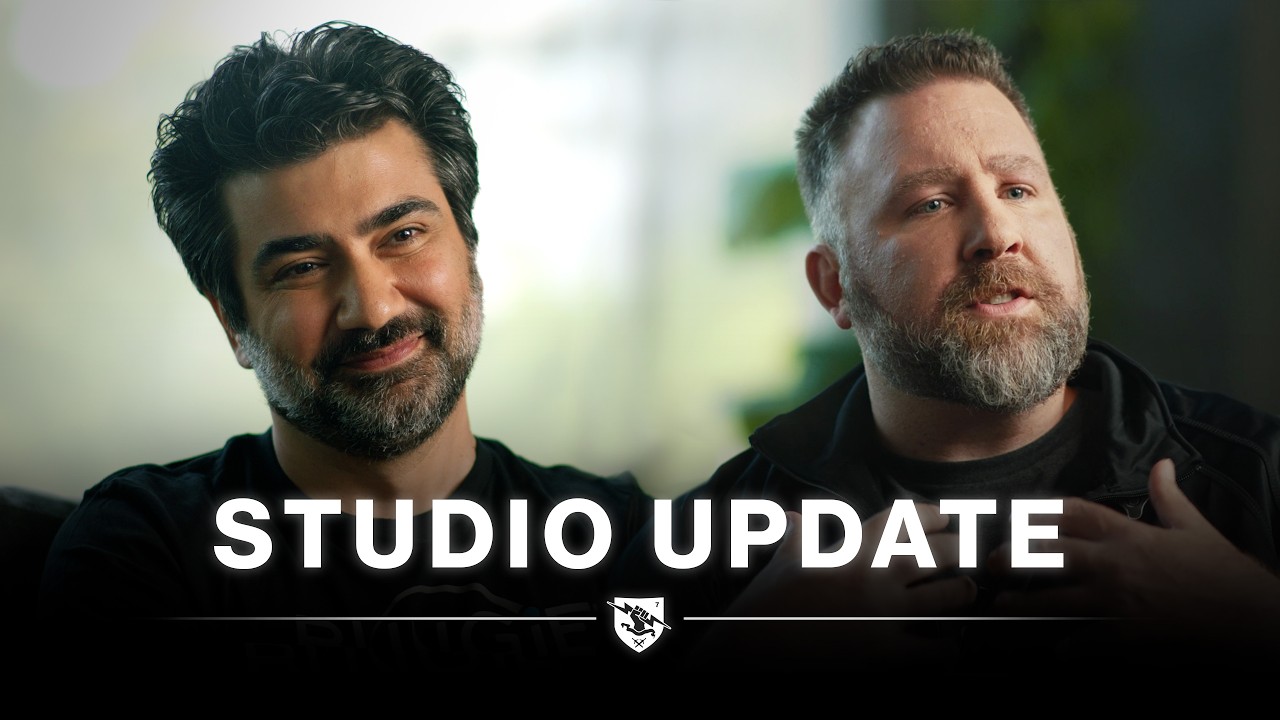
"We want to return Destiny to its original promise, to recapture the qualities that have always made it special. The awe-inspiring mystery, meaningful discovery, and a community of Guardians coming together against impossible odds. All of this is to say, we are not done with Destiny."
Implications: Can Bungie Recover its Footing?
The announcement carries profound implications for Bungie, its parent company Sony, and the broader gaming industry regarding live-service game preservation.
1. The Logistics of Unvaulting Content
Rebuilding codebases that were purposely excised to save storage space is no minor feat. Bungie’s engineering teams will essentially have to re-port and modernize legacy environments to function alongside current-generation Destiny 2 engine mechanics, sandbox balances, and technical frameworks. Doing so with a drastically reduced headcount will require surgical precision and likely a staggered, long-term rollout.
2. Rebuilding Trust After Mass Layoffs
Trust cannot be patched in overnight. Coming off the heels of layoffs that decimated team morale and public perception, Bungie faces a skeptical player base. Fans who felt burned by years of iterative rollbacks, monetization shifts, and content deletions will want to see tangible, playable proof before they return to the fold.
3. Marathon as a Secondary Pillar
Bungie’s subtle lifeline to Marathon—confirming a permanent PvE mode and social spaces for December—indicates that the studio is trying to diversify its portfolio while safeguarding its past. With Marathon pivoting to address early playtest feedback, the studio cannot afford a multi-front collapse.

4. A Precedent for Live-Service Preservation
Historically, games-as-a-service (GaaS) titles die quietly, their servers shut down and their worlds permanently lost to the ether. By actively working to uncancel sections of an active live-service game, Bungie is setting a radical precedent. If successful, it may force other major publishers to rethink how they handle legacy content degradation and player ownership in online ecosystems.
Ultimately, Bungie has chosen to look backward to move forward. Whether this eleventh-hour course correction is enough to save the studio’s reputation—and breathe new life into the solar system—remains to be seen, but for the millions of Guardians who refused to let the light go out, there is finally a reason to hope.

