

By Global Gaming Industry Desk
Updated and Expanded Analysis
Microsoft has announced a sweeping and controversial restructuring of its Xbox division, resulting in 268 additional layoffs, the integration of Obsidian Entertainment under Bethesda Softworks, and the transfer of the storied Halo franchise’s oversight to Activision. The move represents another significant phase in Microsoft’s ongoing consolidation of its multi-billion-dollar gaming acquisitions—a strategy that continues to send shockwaves through the western gaming industry.
The announcement comes amidst a turbulent period for tech and entertainment conglomerates, where promises of operational efficiency and streamlined management structures are increasingly clashing with the harsh realities of mass workforce reductions and studio re-alignments.
Main Facts
The latest Microsoft restructuring directive introduces several critical operational shifts within Xbox Game Studios and its parent organization:
- Mass Layoffs: A further 268 employees have been laid off across various departments, compounding the job losses that have plagued the games industry over the past two years.
- Studio Realignment: Obsidian Entertainment—celebrated for titles like Pillars of Eternity, Pentiment, and The Outer Worlds—has been placed under the administrative and operational remit of Bethesda.
- Upcoming Projects Affected: Obsidian will continue its current obligations, including ongoing work on Grounded and a collaborative new Fallout project developed alongside Bethesda Game Studios.
- The Halo Handover: Oversight of Halo, historically the flagship intellectual property of Xbox anchored by 343 Industries (now Halo Studios), has been shifted to Activision.
Chronology of Microsoft’s Studio Consolidation
To understand the weight of the recent announcement, it is necessary to examine the timeline of Microsoft’s aggressive expansion and subsequent consolidation in the gaming sector:
- September 2020: Microsoft announces its intent to acquire ZeniMax Media, the parent company of Bethesda Softworks, id Software, Arkane Studios, and MachineGames, for $7.5 billion. The deal is finalized in March 2021.
- November 2018: Microsoft acquires Obsidian Entertainment, positioning the critically acclaimed RPG developer as an independent studio within Xbox Game Studios.
- January 2022: Microsoft drops a bombshell on the industry by announcing plans to acquire Activision Blizzard for a staggering $68.7 billion.
- October 2023: Following intense regulatory scrutiny from the FTC and the UK’s CMA, the Activision Blizzard acquisition is officially completed.
- May 2024: Microsoft abruptly closes several studios under Bethesda, including Hi-Fi Rush developer Tango Gameworks, alongside Arkane Austin and Alpha Dog Studios, sparking widespread industry outrage.
- Late 2024–Present: The newly announced layoffs and structural re-shuffling—merging Obsidian into Bethesda and reassigning Halo to Activision—signal a deeper pivot toward centralizing power among legacy corporate structures.
Supporting Data and Industry Context
The economic realities behind Microsoft’s recent maneuvers reflect a broader contraction in the interactive entertainment sector. Following pandemic-era surges in player engagement and software sales, major publishers have faced severe market corrections.
- The Billions Spent: Microsoft has invested upwards of $80 billion in acquisitions over the last six years, acquiring legendary catalogs including Doom, Elder Scrolls, Fallout, Call of Duty, World of Warcraft, and Overwatch.
- Cumulative Layoffs: Since the beginning of 2023, the tech and gaming sectors have shed tens of thousands of jobs. Microsoft alone has cut thousands of roles across its gaming division, including major reductions at Xbox, Activision Blizzard, and ZeniMax.
- Shifting Subscription Models: With Xbox Game Pass subscriber growth facing natural ceilings on traditional consoles, Microsoft has aggressively pursued a multi-platform strategy, bringing major first-party titles to PlayStation and Nintendo systems while simultaneously cutting overhead costs internally.
Official Responses and Corporate Rationale
Corporate communications from Microsoft have consistently framed these painful structural changes as necessary steps to maintain long-term agility and market leadership.
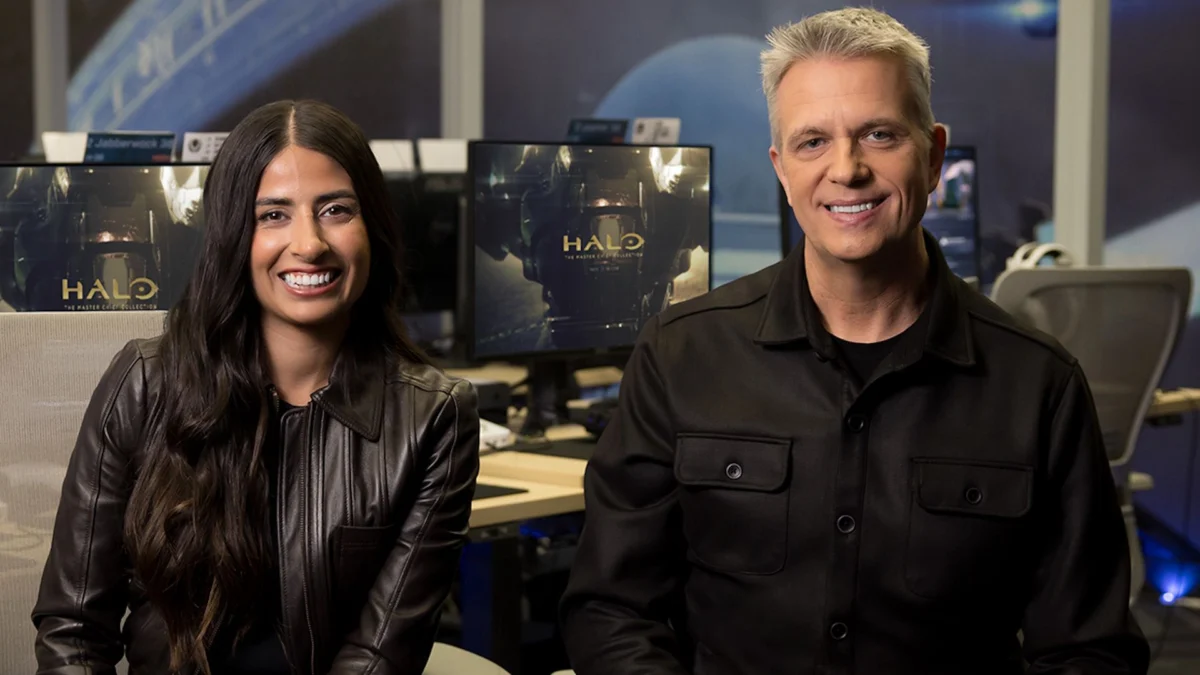
In internal memos and public statements, Xbox leadership—including Xbox Game Studios head Matt Booty and corporate vice president Asha Sharma—has frequently emphasized a "relentless commitment to cutting layers of management" in order to empower developers.
However, this corporate rhetoric has faced sharp pushback from industry analysts, developers, and trade commentators. Critics note a stark contradiction between the stated goal of reducing bureaucracy and the reality of imposing new administrative hierarchies—such as placing Obsidian under Bethesda.
Industry observers have pointed out that Bethesda Softworks and Obsidian Entertainment possess radically different development philosophies, corporate cultures, and creative histories. Forcing two distinct RPG powerhouses into a reporting relationship governed by Bethesda’s corporate umbrella raises serious questions about how much creative autonomy Obsidian will retain moving forward.

Furthermore, moving Halo—Xbox’s historic cultural cornerstone—under the purview of Activision suggests a desperate corporate pivot to leverage proven, massive live-service pipelines rather than nurturing internal studio independence.
Implications for the Future of Xbox and the Games Industry
The long-term fallout of Microsoft’s latest restructuring effort extends far beyond corporate balance sheets, threatening the creative diversity that defines modern video games.
1. The Erasure of Studio Identity
When Microsoft acquired studios like Obsidian, Bethesda, and Activision Blizzard, fans were promised that these creators would retain their unique identities, creative freedom, and operational independence. The decision to merge Obsidian directly into Bethesda challenges that promise. By folding distinct studios into larger legacy entities, Microsoft risks homogenizing development pipelines, stifling unique narrative-driven projects in favor of homogenized, mass-market imperatives.
2. Widening Trust Deficit Between Management and Talent
Morale across the western games industry—and within Xbox divisions specifically—is reportedly at an all-time low. Repeated waves of layoffs, sudden studio closures (such as the temporary axing and subsequent resurrection-by-sale of Tango Gameworks), and unpredictable corporate reorganizations create an atmosphere of extreme instability. Creative talent is increasingly questioning the viability of long-term careers within major corporate-backed studios.
3. The Uncertain Legacy of Halo
Entrusting Halo to Activision marks a profound turning point for Microsoft’s most iconic franchise. Once a symbol of Xbox hardware dominance, the franchise has struggled in recent years to maintain cultural relevance against modern live-service juggernauts. Whether Activision can revitalize the Master Chief’s fortunes or simply fold the IP into a Call of Duty-style production machine remains to be seen, but the move signals a clear departure from traditional first-party stewardship.
4. A Precarious Horizon for RPG Fans
The pairing of Bethesda and Obsidian on a new Fallout project sounds like a dream come true on paper for fans of classic post-apocalyptic role-playing games. However, when viewed through the lens of mandatory corporate mergers, resource constraints, and workforce reduction, it underscores an industry leaning heavily on nostalgia and safe IP extensions rather than taking risks on new, original concepts.
Conclusion
Microsoft’s ongoing reorganization of Xbox is a stark masterclass in the perils of mega-corporation consolidation. What began as a series of triumphant, multi-billion-dollar shopping sprees has devolved into a chaotic exercise in managing bloated corporate structures at the direct expense of human livelihoods and creative autonomy.
As the dust settles on this latest round of 268 layoffs and studio absorptions, the gaming community is left wondering what remains of the original promise that Microsoft’s vast financial resources would champion, protect, and empower the creators of the world’s best games. For now, developers and players alike await the next chapter in a corporate masterplan that feels increasingly untethered from the realities of making great art.

