

The intersection of artificial intelligence and energy infrastructure has long been a source of quiet anxiety for the tech industry. As AI models scale into the trillions of parameters, their voracious appetite for electricity has forced a conversation about the sustainability of the "AI revolution." While the industry has flirted with renewables and grid-scale storage, a bold, potentially paradigm-shifting approach has emerged: the deployment of private, high-temperature gas-cooled microreactors (HTGRs) directly at the source of consumption.
Enter Valar Atomics, a startup that has recently captured the industry’s attention—and skepticism—by claiming to be the first nuclear firm to successfully pair a microreactor with an AI-dedicated computing stack. With a flair for Tolkien-esque branding and slick, high-fidelity marketing, the company is positioning itself as the bridge between nuclear energy and the future of computation.
The Core Innovation: The Ward 250
At the heart of the company’s pitch is the Ward 250, a high-temperature gas-cooled nuclear microreactor. Unlike traditional Pressurized Water Reactors (PWRs) that dominate the commercial nuclear landscape, the Ward 250 utilizes helium as a primary coolant. This design choice is significant; helium is chemically inert and remains a gas even at extreme temperatures, allowing the reactor to operate at higher thermal efficiencies without the catastrophic risks associated with water-based systems that rely on high-pressure containment to prevent boiling.
Instead of the standard, massive steam turbine infrastructure that characterizes traditional power plants, Valar Atomics utilizes compact thermoelectric generators. By bypassing the need for heavy, water-reliant cooling towers, the company suggests that the Ward 250 can be deployed in "closed-loop" configurations, theoretically removing the need for massive water intake—a critical bottleneck for traditional data center siting.
A Chronology of the Nuclear-AI Convergence
The journey to this moment has been rapid, fueled by the explosive growth of Generative AI.
- Q3 2024: Industry analysts begin documenting the "energy wall" facing hyperscale data centers. Power grid availability becomes the primary limiting factor for AI expansion.
- January 2025: Valar Atomics emerges from stealth, promising a "sovereign power solution" for AI compute.
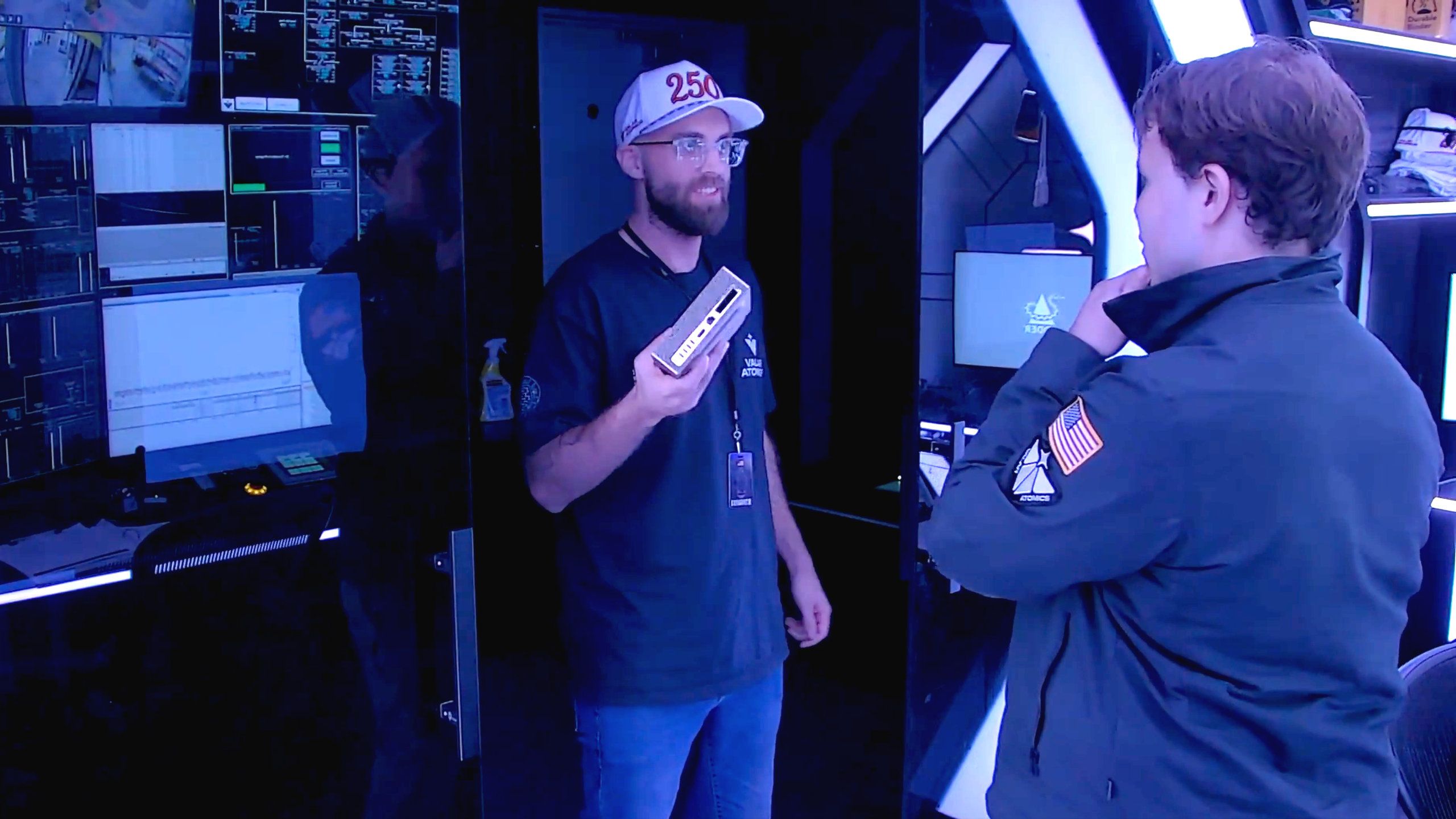
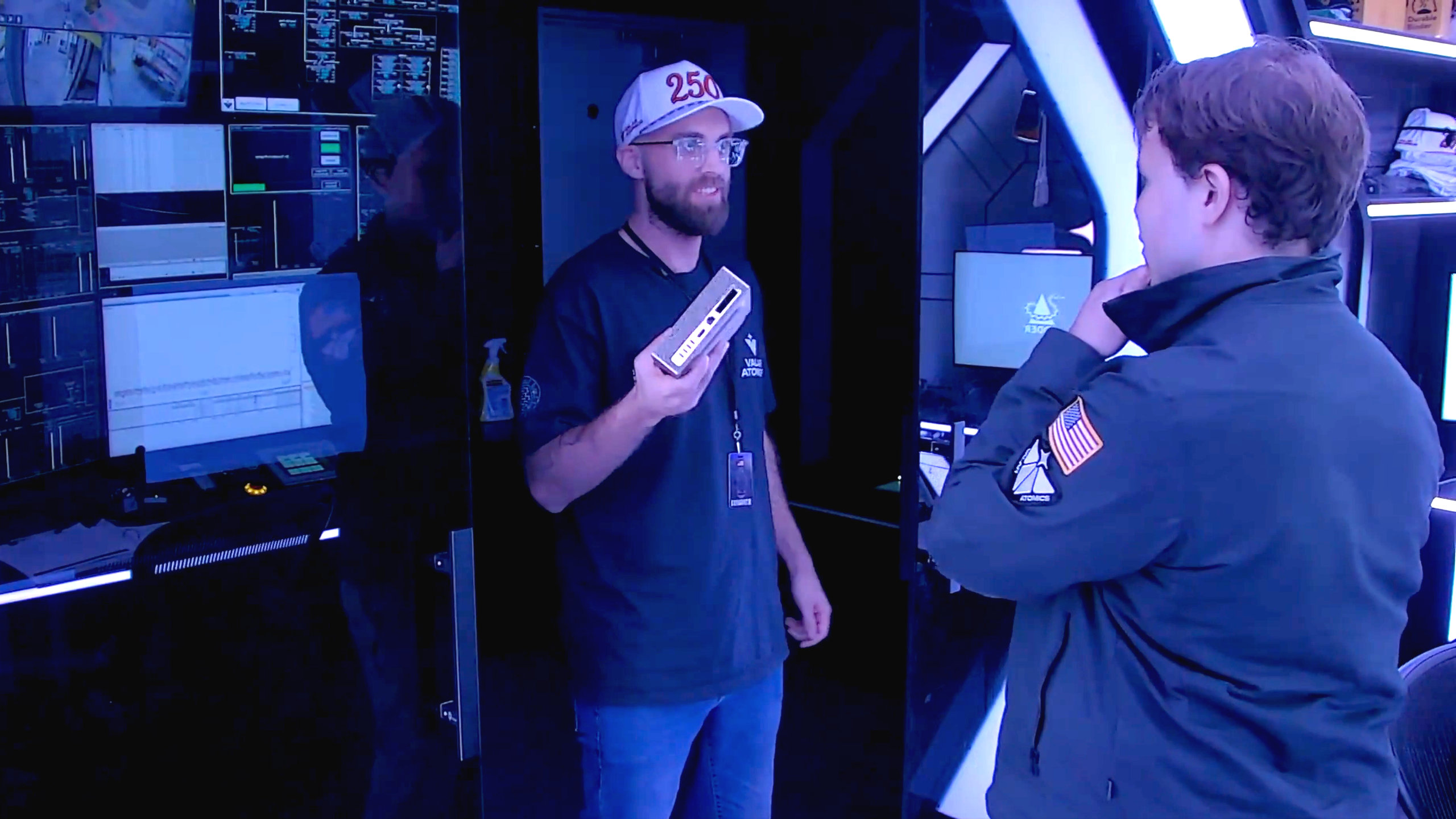
- July 2, 2026: In a milestone demonstration, Valar Atomics performs a public run of the Ward 250. The reactor is used to provide power to an Nvidia DGX Spark, a compact, high-performance computing unit designed for AI inference and training.
- Late 2026: Public discourse intensifies. While the technology is lauded as a breakthrough, critics point to the lack of long-term operational data and the potential for regulatory hurdles.
- Present: The company continues to push its vision of a "30MW closed-loop AI factory," sparking debates across the energy and tech sectors about the viability of private nuclear power.
The Irony of the Digital Footprint
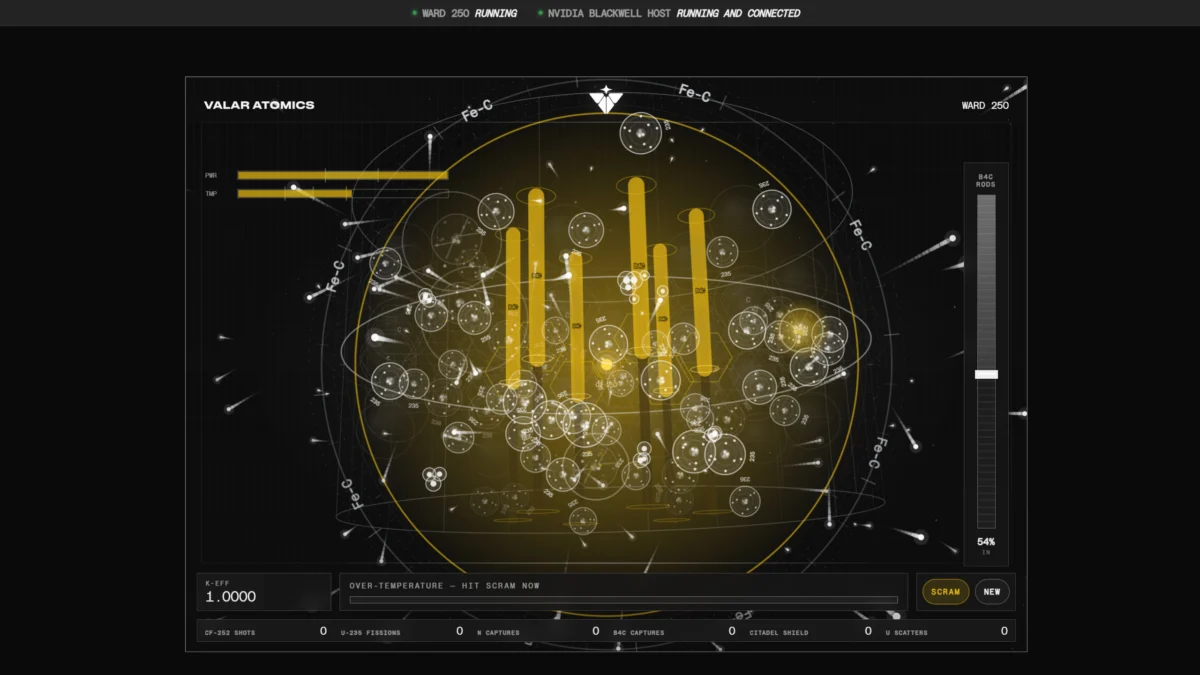
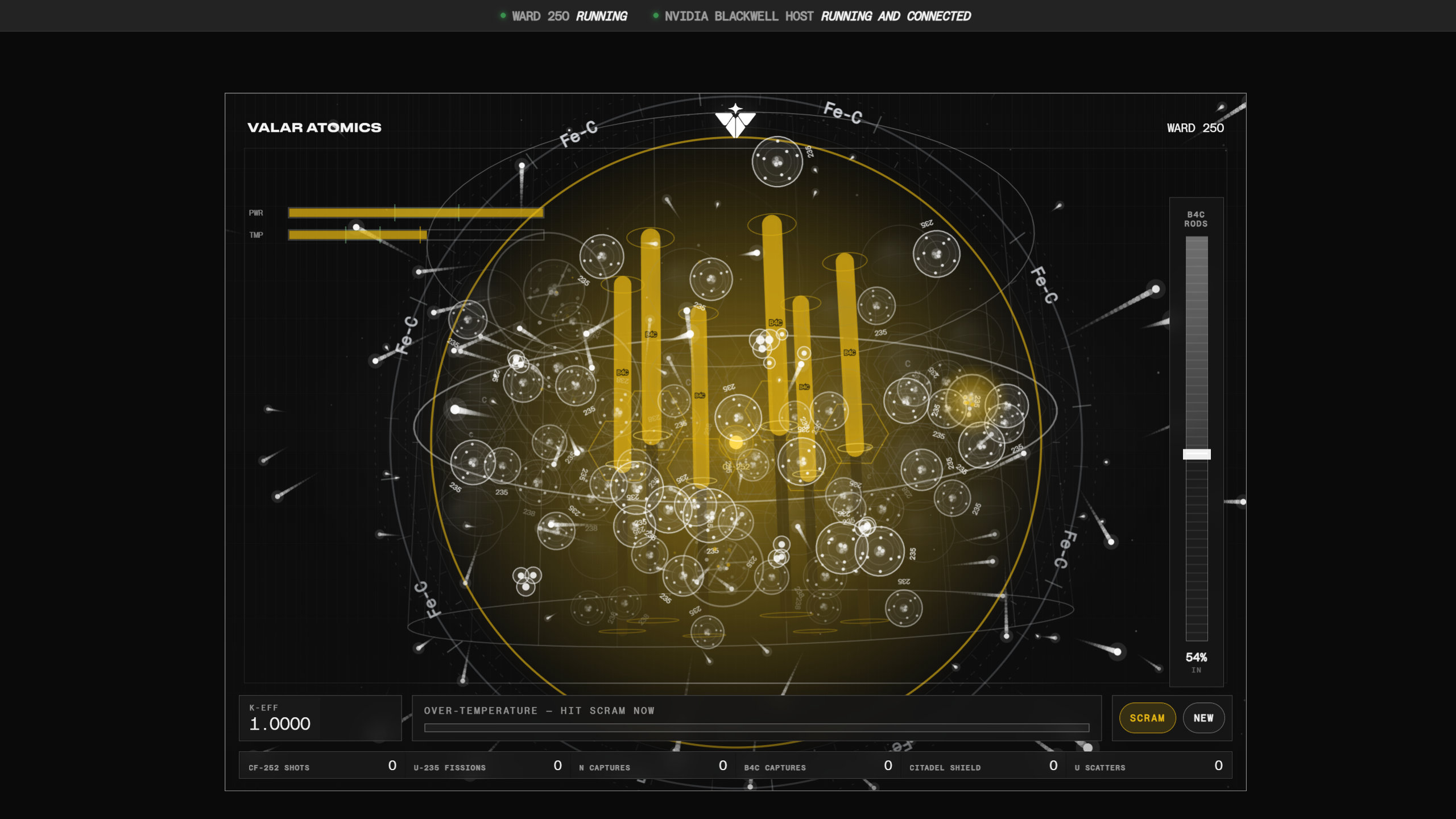
In a twist that highlights the current state of "green-tech" marketing, the demonstration of the Ward 250 was accompanied by a highly interactive website that allowed users to simulate controlling the reactor’s core. However, the site’s performance revealed a stark irony: the simulation was so resource-intensive that it caused significant strain on the user’s local CPU.
On standard consumer hardware, such as an Intel Core Ultra 7 270K Plus, the simulation caused power consumption to spike from a idle 28W to a staggering 72W, forcing cooling fans to maximum RPM. This accidental stress test served as a poignant metaphor for the current industry dilemma: while the technology aims to solve the energy crisis, the digital infrastructure currently used to market these solutions remains remarkably inefficient. If every visitor to their site consumes nearly three times the power of a standard browsing session, the cumulative environmental cost of such marketing could easily negate the efficiency gains of the hardware itself.
Supporting Data: The Energy Density Problem
The fundamental motivation behind this collaboration is simple: energy density. As AI chips like those found in the Nvidia DGX Spark reach new heights of performance, the power density required to run them exceeds what most regional grids can reliably provide without substantial upgrades.
- AI Energy Scaling: According to recent projections, data center power demand is expected to double by 2030, with AI contributing the largest share of this growth.
- Thermal Efficiency: The Ward 250’s reliance on helium allows for operating temperatures in excess of 700°C. Compared to the 300°C limit of standard PWRs, this significantly increases the Carnot efficiency of the system, allowing for smaller physical footprints.
- Water Consumption: Traditional data centers require massive quantities of water for cooling. By moving to a helium-cooled, thermoelectric system, Valar Atomics claims to eliminate this water dependency, potentially allowing data centers to be built in arid regions previously considered off-limits for high-density compute.
Official Responses and Industry Skepticism
The collaboration has not been without its detractors. Critics in the nuclear industry have raised questions regarding the safety of "deploy-anywhere" reactors. Because HTGRs require exotic, high-temperature materials, the construction cost per kilowatt remains significantly higher than that of traditional nuclear or natural gas alternatives.
"The physics is sound," noted one energy consultant, "but the economics and the regulatory landscape are a minefield. You cannot simply install a nuclear reactor in a warehouse or an office park without an unprecedented shift in public safety regulations and NRC oversight."
Valar Atomics, for its part, maintains that the inherent safety of the high-temperature, helium-cooled design makes these reactors "walk-away safe." Their official messaging emphasizes that the Ward 250 is designed to shut down passively in the event of a fault, relying on physics rather than mechanical intervention.
Implications for the Future of Tech
The move toward private, micro-nuclear power represents a profound shift in the corporate philosophy of major tech firms. For decades, companies like Google, Microsoft, and Meta have acted as "power consumers," relying on the stability of national and local grids. The pivot toward Valar Atomics suggests that these companies are now becoming "power producers."
If successful, this transition could decentralize the internet’s infrastructure. Instead of massive data centers tied to the nearest hydroelectric dam or coal plant, we could see "nuclear-tethered" AI factories popping up in remote locations, effectively decoupling the internet’s growth from the aging, over-taxed electrical grid.
However, the path forward is paved with regulatory and social obstacles. Public perception of nuclear power remains a volatile subject. Even if the technology is technically superior to fossil-fuel alternatives, the "Not In My Backyard" (NIMBY) movement could pose a formidable challenge to the widespread adoption of microreactors.
Conclusion: The Reality of the "AI Factory"
The partnership between Nvidia and Valar Atomics is a signal of a new era. It acknowledges that the trajectory of AI is currently unsustainable under existing power paradigms. While the "Ward 250" and its ilk are still in their infancy, the attempt to integrate nuclear micro-generation into the compute stack is a logical, albeit audacious, response to the constraints of our time.
Whether this becomes a cornerstone of the next century or remains an over-hyped tech curiosity depends on two factors: the ability to scale production beyond the "glossy website" phase, and the capacity to earn the public’s trust in the safety of localized nuclear power. For now, the "brrrrr" of the cooling fans on a user’s PC serves as a reminder: the energy cost of progress is never zero, and the transition to a new energy future will require more than just clever branding—it will require a fundamental rethink of how we power our digital reality.

