

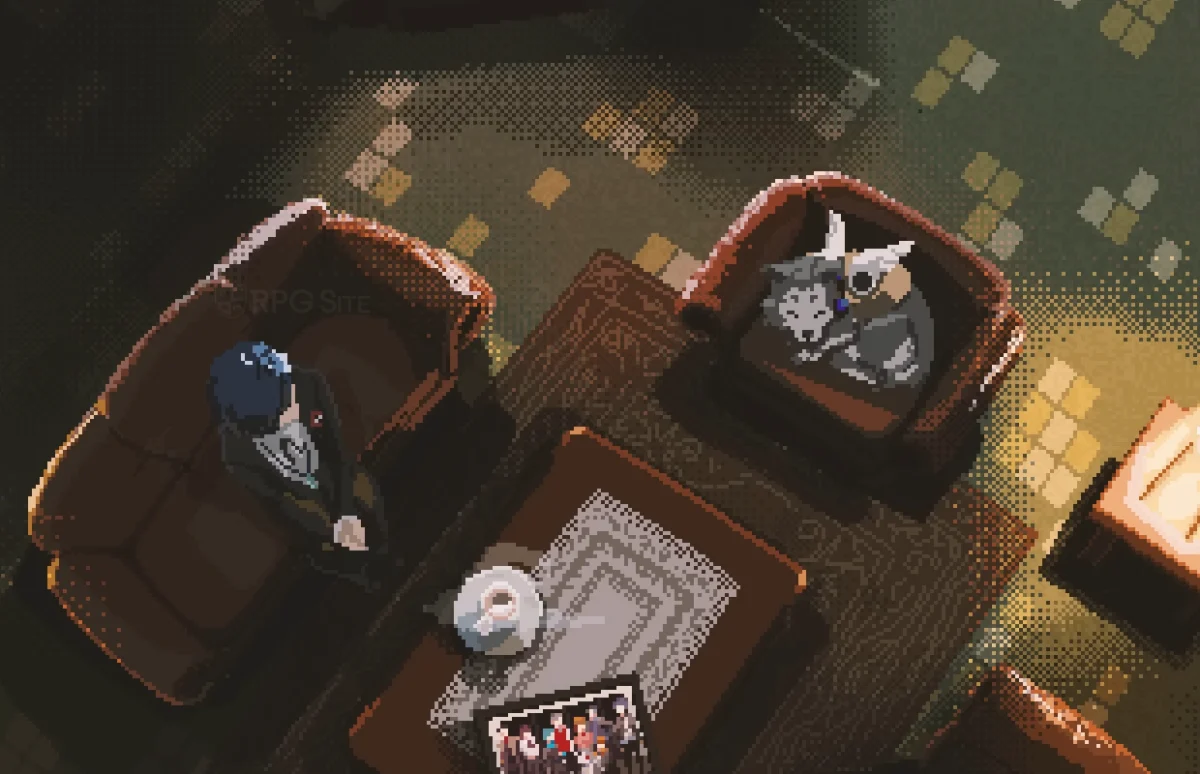
It has been twenty years since the halls of Gekkoukan High School first opened their doors to players, introducing the world to the haunting, stylish, and deeply existential journey of Persona 3. To mark this monumental two-decade milestone, Atlus has unveiled a commemorative project that bridges the gap between the game’s humble 2006 origins and its modern-day resurgence. The developer has released an expansive, 21-minute remix video that reimagines the iconic soundtrack, accompanied by stunning pixel art animations created by the acclaimed artist Motocross Saito.
This anniversary celebration comes at a time when the Persona franchise has never been more relevant. Following the triumphant release of Persona 3 Reload, the title has solidified its place as a cornerstone of the modern JRPG genre. As fans revisit the Dark Hour, this retrospective serves not just as a nod to the past, but as a testament to the enduring legacy of the game that redefined the series.
The Evolution of a Landmark: A Chronology of Persona 3
The history of Persona 3 is a saga of constant reinvention. When it first launched on the PlayStation 2 in Japan in 2006, it was a radical departure from the Persona entries that preceded it. By blending social simulation mechanics—dating, school life, and academic pressures—with traditional dungeon crawling, Atlus created a formula that would eventually become the bedrock of the entire franchise.
The Original Vision (2006–2007)
The 2006 release introduced players to the concept of the "Dark Hour," a hidden time between one day and the next where shadows roam and the protagonist leads the Specialized Extracurricular Execution Squad (SEES). It was a darker, more mature narrative that tackled themes of mortality, loss, and the inevitability of the end.
Expanding the Horizon (2009–2010)
Following the original release, Atlus expanded the experience with Persona 3 FES, which added the "The Answer" epilogue, providing closure to the emotional narrative. Shortly after, the PSP version, Persona 3 Portable, introduced the female protagonist, a feature that significantly altered the game’s social dynamics and offered a fresh perspective on the SEES journey.
The Modern Renaissance (2024)
After years of fan anticipation, the series saw a full-scale ground-up remake with Persona 3 Reload. By utilizing the Unreal Engine and updating the UI, combat, and social systems to match the quality-of-life standards set by Persona 5, the remake introduced a new generation of gamers to the emotional weight of the original story, while providing long-time fans with a polished, definitive experience.
Artistic Homage: The 20th Anniversary Remix
At the heart of the anniversary celebrations is the newly released 21-minute remix video. Atlus collaborated with the renowned pixel artist Motocross Saito to create four distinct, animated scenes that capture the melancholic aesthetic of the game. Saito’s work, known for its intricate detail and nostalgic color palettes, provides a perfect visual backdrop for the new audio arrangements.
The audio component is equally ambitious. The remix weaves together various tracks from the original game, FES, and Portable, offering a symphonic journey through the soundtrack. From the upbeat, urban energy of "Mass Destruction" to the somber, haunting melodies of the game’s later stages, the arrangements honor the compositions of Shoji Meguro while breathing fresh life into the electronic-hip-hop fusion that defined the original score.
Supporting Data: The Commercial Triumph of Persona 3 Reload
The celebration of Persona 3’s history is anchored by the undeniable commercial success of its most recent iteration. Sega recently confirmed that Persona 3 Reload has officially surpassed 3 million units sold worldwide. This figure is not merely a statistic; it represents a significant milestone for the franchise, proving that the demand for classic JRPG narratives, when modernized with care, remains incredibly high.
The success of Reload has effectively broadened the reach of the series across multiple platforms. The title is currently available on:
- Nintendo Switch 2
- PlayStation 5 and PlayStation 4
- Xbox Series X|S and Xbox One
- PC (via Steam)
The availability of the game across such a wide spectrum of hardware highlights Sega’s commitment to accessibility. By ensuring that the title runs optimally on everything from the latest high-end consoles to the versatile architecture of the Nintendo Switch 2, the publisher has ensured that no segment of the player base is left behind.
Official Responses and Industry Impact
In the wake of the anniversary announcements, the sentiment from both the development team and the community has been one of profound gratitude. Atlus has expressed that the continued interest in Persona 3 is a direct result of the community’s unwavering support over the last twenty years.
"We never imagined when we first conceptualized the Dark Hour in 2006 that we would still be talking about these characters twenty years later," a representative for Atlus noted. "The pixel art project is our love letter to the fans who have grown up alongside this game."
Industry analysts point to the Persona 3 Reload launch as a masterclass in how to handle a legacy property. By maintaining the core narrative—which is widely considered one of the best in the genre—while discarding the archaic UI and mechanical limitations of the PS2 era, Atlus managed to appease purists and attract a massive influx of new players who were previously intimidated by the barrier to entry of older titles.
Implications: The Future of the Persona Franchise
What does the 20th anniversary mean for the future of the Persona series? The success of Persona 3 Reload sets a significant precedent. If a two-decade-old title can achieve such widespread commercial and critical acclaim, the path is clearly paved for similar treatments of other classic Atlus properties.
Furthermore, the integration of new music and artistic collaborations suggests that Atlus intends to treat the Persona brand as a multimedia powerhouse. The move away from purely functional game updates toward "anniversary experiences" indicates that the company is leaning into the nostalgic value of its back catalog.
A New Standard for Remakes
The comparative analysis of the various versions of Persona 3—ranging from the original to the latest Reload—demonstrates the evolution of the "Social Sim" genre. Players now expect a seamless blend of character development and combat, a standard that Persona 3 effectively codified. As the industry looks toward future entries in the Persona line, the lessons learned from the Reload cycle will undoubtedly inform design decisions for years to come.
The Role of Modern Platforms
The decision to bring the game to the Nintendo Switch 2, alongside traditional consoles, is a strategic shift for the series. Historically, Persona was tethered closely to PlayStation hardware. The current multi-platform strategy has not only increased sales but has also fostered a more diverse community. The ease of access provided by the Steam release and the performance capabilities of the current console generation have effectively removed the hardware silos that previously limited the franchise’s growth.
Final Thoughts: Why We Return to Gekkoukan
As the 21-minute remix fades to black and the pixelated images of the SEES members linger in the minds of players, it is clear that Persona 3 is more than just a game; it is a cultural touchstone. Its exploration of the "Memento Mori" philosophy—the reminder that we must all die—resonates as strongly today as it did in 2006.
The celebration of these two decades is a recognition that, while graphics improve and frame rates climb, the heart of the experience remains unchanged. Whether you are a veteran player who spent hundreds of hours in the original dorms or a newcomer who just finished their first Full Moon operation, the legacy of Persona 3 continues to invite us to reflect on our own time, our own bonds, and the shadows we must face in our daily lives.
For those who have yet to experience the journey, there has never been a better time to step into the Dark Hour. With the recent success of Reload and the wealth of content now available, the next twenty years of Persona seem poised to be just as impactful as the last.

