

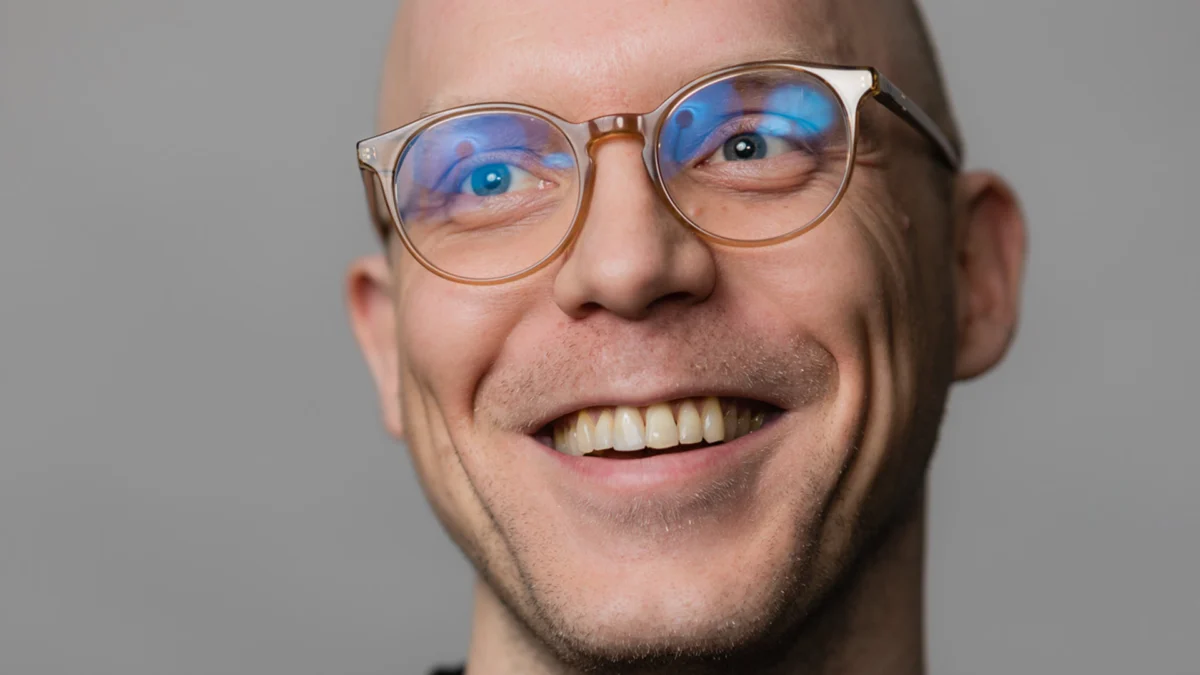
In a significant shake-up of its international operations, Sega Europe has announced that Jurgen Post, the Chief Operating Officer of its Western Studios, is stepping down from his current operational duties. The move marks a pivotal transition for the Japanese gaming giant as it seeks to integrate its recent acquisitions and streamline its Western footprint. Replacing Post in the lead role is Alex Pelletier-Normand, the current CEO of Rovio Entertainment, who will now oversee both the Angry Birds developer and Sega’s broader Western studio operations.
The announcement, which follows months of industry speculation regarding leadership stability at the publisher, signals a deepening synergy between the core Sega Europe business and its mobile-focused acquisition, Rovio.
The Core Transition: A New Era for Sega Europe
The departure of Jurgen Post is not a complete severance from the company. According to the official statement released by the publisher, Post will remain with the organization in an advisory capacity, providing strategic counsel to help navigate the transition.
Filling the void left by Post is a dual-role appointment for Alex Pelletier-Normand. By keeping Pelletier-Normand as the CEO of Rovio while simultaneously granting him the mantle of leadership over Sega Europe’s West Studios, the company is signaling a shift toward a more unified, cross-platform creative strategy.
The shift in management is further complicated by the redistribution of responsibilities. While Pelletier-Normand assumes the operational lead of the Western studios, the role of regional managing director—previously held by Post—is being absorbed by Tatsuyuki Miyazaki. Miyazaki, a veteran of Sega for over two decades, currently serves as the chief corporate officer for Sega Europe. This distribution of power suggests that Sega is prioritizing institutional knowledge and long-term stability by pairing the fresh, mobile-centric vision of Pelletier-Normand with the seasoned, internal expertise of Miyazaki.
A History of Returns: The Career Path of Jurgen Post
To understand the weight of this leadership change, one must look at the extensive history Jurgen Post has held within the Sega ecosystem. Post’s relationship with the publisher has been characterized by high-profile tenures and tactical exits.
The Initial Decade (2006–2017)
Post first joined Sega Europe in 2006, serving as managing director. During this period, he played a critical role in navigating the company through the transition from the legacy console era to the digital-first gaming market. He eventually ascended to the role of President and COO. His departure in 2017 was marked by a sense of finality, as he famously remarked that it was "time to move on and maybe do one last trick, before I disappear forever."
The Interim Years: Tencent and Miniclip
Post’s "trick" turned out to be a series of influential roles across the industry. Shortly after leaving Sega, he joined the Chinese gaming conglomerate Tencent as the president of international partners for its European division. His subsequent appointment as CEO of Miniclip further cemented his reputation as a specialist in mobile gaming and international expansion.
The 2024 Return
In a move that surprised many industry analysts, Post returned to the Sega fold in early 2024 to take on the role of COO for West Studios. His mandate was clear: to help set the business on an "upward trajectory" following a turbulent period of fiscal restructuring. His departure now, after less than a year, highlights the volatile nature of the current gaming market, where even veteran leadership is subject to the rapid evolution of business strategies.
The Architect of the Future: Alex Pelletier-Normand
Alex Pelletier-Normand’s rise to the head of Sega’s Western operations is a testament to the company’s focus on mobile-to-console integration. Appointed as CEO of Rovio in 2021, Pelletier-Normand brought with him a wealth of experience from his 16-year tenure at Gameloft.
His leadership style has been defined by a focus on innovation and the "creative ambition" that connects disparate studios. Speaking on his new dual role, Pelletier-Normand noted that the challenge lies in bringing the "wealth of experience and talent" across both Rovio and Sega Europe into a single, cohesive framework.
"Sega and Rovio share the same creative ambition," Pelletier-Normand said in the official press release. "Bringing our strengths together puts us in a fantastic position to deliver for players wherever and however they want to play."
Financial Context: The Rovio Acquisition and Its Discontents
The leadership transition does not occur in a vacuum; it takes place against the backdrop of one of the most debated acquisitions in recent gaming history. In 2023, Sega finalized the acquisition of Rovio Entertainment—the creators of the iconic Angry Birds franchise—in a deal valued at approximately €706 million.
However, the marriage of the two companies has faced significant friction. In February of this year, Sega reported a staggering $200 million impairment charge related to the acquisition. This write-down raised eyebrows across the financial sector, prompting questions about the valuation of mobile studios in a post-pandemic market.
Industry experts have pointed to several factors contributing to the disappointment surrounding the deal, including the saturation of the mobile gaming market and the difficulty of leveraging the Angry Birds brand into the premium console space. By placing the CEO of Rovio at the helm of the Western studios, Sega is likely attempting to solve these integration issues from the top down, ensuring that the mobile strategy is not merely an afterthought but a central pillar of their Western operations.
Implications for the Future of Sega Europe
The appointment of Pelletier-Normand and the promotion of Miyazaki carry several long-term implications for the company.
1. Unified Studio Culture
The primary challenge for the new leadership will be overcoming the "silo effect." By centralizing the management of Rovio and the Western studios, Sega is betting that the shared resources—specifically in marketing, technology, and user acquisition—will justify the high cost of the initial acquisition.
2. Strategic Pivot toward Mobile-First
With a leader whose pedigree is entirely rooted in mobile gaming, it is highly probable that Sega will look to capitalize on its massive intellectual property portfolio—including Sonic the Hedgehog and Total War—within the mobile sector. The goal is to move beyond mere cross-promotion and toward a unified development cycle that treats mobile, PC, and console as a single ecosystem.
3. Stability in the Face of Market Headwinds
The gaming industry is currently undergoing a "correction" following the pandemic-era boom. Mass layoffs and cancelled projects have become common. By bringing in a fresh, mobile-focused leader while maintaining the administrative stability of a 20-year veteran like Miyazaki, Sega is attempting to strike a balance between innovation and fiscal conservatism.
Conclusion: A Turning Point
The transition of leadership at Sega Europe is a clear signal that the company is entering a new phase of its evolution. The "upward trajectory" that Shuji Utsumi, President and COO of Sega, referenced in his praise for Jurgen Post is the ultimate goal. However, the path to that growth will require the successful integration of Rovio’s mobile expertise with the established, prestige-driven output of Sega’s Western studios.
As the industry looks toward the next fiscal year, all eyes will be on how Pelletier-Normand navigates the dual pressures of corporate integration and the high expectations of the gaming community. Whether this change in leadership will finally yield the returns expected from the Rovio acquisition remains to be seen, but the intent is clear: Sega is doubling down on its vision of a mobile-integrated future.
For Jurgen Post, the advisory role offers a graceful exit from the daily grind of operational management, allowing him to continue his long-standing relationship with the company he has helped shape for nearly two decades. For Sega, the future is now in the hands of a new generation of leadership, tasked with proving that the company’s creative ambition can overcome the fiscal hurdles of the past.

