

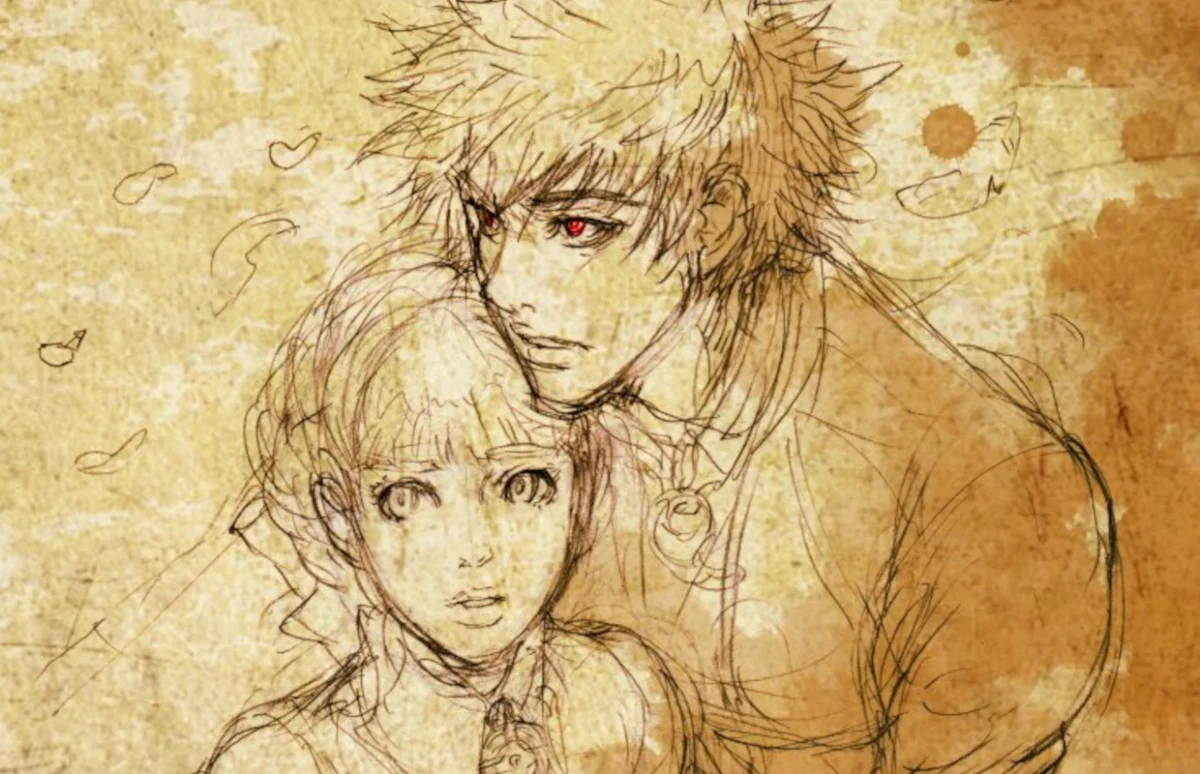
On June 28, 2026, the gaming world paused to commemorate a significant milestone: the 25th anniversary of Shadow Hearts. First released for the PlayStation 2 in Japan on June 28, 2001, the title carved a unique niche in the landscape of early 2000s role-playing games. Blending gothic horror, alternative history, and a distinctively dark sense of humor, the game remains a cult classic. To mark the occasion, series creator Matsuzo Machida took to social media to reflect on the legacy of his brainchild and offer fans a glimpse into his current creative endeavors.
The Architect of Shadows: Matsuzo Machida’s Journey
Central to the celebration is Matsuzo Machida, the visionary who served as both director and scenario writer for Shadow Hearts. To long-time observers of the Japanese game development industry, the name "Matsuzo" carries considerable weight. However, the 25th anniversary serves as a reminder of the industry’s evolution and the personal history of its creators.
Notably, Shadow Hearts holds the distinction of being the final project credited to "Matsuzo Itakura." Before assuming the name Matsuzo Machida for the 2004 sequel, Shadow Hearts 2, the developer was a key figure in the golden era of Squaresoft. His resume during the 1990s includes monumental contributions to industry-defining titles such as Chrono Trigger, Final Fantasy VII, and Xenogears.
The transition from Itakura to Machida marked more than just a change in nomenclature; it signaled his emergence as an auteur. While his work at Squaresoft undoubtedly shaped his understanding of narrative depth and systemic complexity, the Shadow Hearts series allowed him to pivot toward a darker, more experimental aesthetic that diverged sharply from the high-fantasy tropes dominant at the time.
A Chronology of a Cult Classic
To understand the impact of Shadow Hearts, one must look at the climate of the early 2000s. The PlayStation 2 had ushered in a new era of graphical fidelity, and developers were eager to explore darker, more mature themes.
- 2001 (June 28): The original Shadow Hearts launches in Japan, introducing players to Yuri Hyuga and the Judgment Ring system—a revolutionary timing-based mechanic that added a layer of skill and tension to traditional turn-based combat.
- 2004: The release of Shadow Hearts 2 (known in the West as Shadow Hearts: Covenant) cemented the series’ reputation. It expanded upon the lore and character dynamics established in the first game, earning critical acclaim for its writing and emotional depth.
- 2005: Shadow Hearts: From the New World was released, acting as a spin-off that maintained the core combat mechanics while exploring the American landscape during the Great Depression.
- 2026 (June 28): Twenty-five years after the series’ birth, the franchise continues to maintain a fervent, albeit niche, following.
The transition between these titles represents a period where Japanese developers were experimenting with subverting the "hero’s journey" established by giants like Dragon Quest. Shadow Hearts was a direct result of this shift, offering a gritty, occult-tinged reality that resonated with a generation of gamers looking for something beyond the conventional.
Official Commemoration: Reflections from the Creator
In a heartfelt address to his fans, Matsuzo Machida expressed profound gratitude for the longevity of the series. After a period of relative silence on social media due to his intensive professional schedule, Machida broke his hiatus to address the anniversary.
In his statement, translated from Japanese, Machida reflected on the era of the game’s creation:
"Although Shadow Hearts was an RPG made in the PS2 era, I am very grateful that enthusiastic fans of it are still around even now. That time was a period where people created many new titles that changed the track from fantasies like Final Fantasy and Dragon Quest, and Shadow Hearts had its cry of birth in that era. When I think about it now, this game was able to be delivered to this world thanks to the hard work of every staff member and multiple small miracles piling up."
This acknowledgment of "small miracles" underscores the precarious nature of game development. Titles that define a generation are often the result of perfect storms—the alignment of budget, creative freedom, and technical innovation—factors that Machida clearly cherishes in retrospect.
Future Horizons: Penny Blood and The Magnificent Grimoarel
The anniversary celebration was not merely an exercise in nostalgia; it served as a platform for Machida to discuss his present and future projects. Chief among these is Penny Blood, a spiritual successor that has kept fans of his specific brand of dark, occult-driven RPGs highly expectant.
The Evolution of Penny Blood
Penny Blood has been in development for several years, aimed at recapturing the spirit of the Shadow Hearts era with modern sensibilities. The project has already branched out into different formats to build its ecosystem. Notably, the action-roguelike Penny Blood: Hellbound saw a successful release on PC via Steam in late 2024, providing players with a taste of the game’s brutal combat and gothic atmosphere.
The Literary Shift: The Magnificent Grimoarel
Beyond interactive media, Machida provided updates on The Magnificent Grimoarel, a project that illustrates the shifting nature of his creative output. Originally conceptualized as a video game, the series has transitioned into a literary format.
Machida confirmed that the first four volumes of The Magnificent Grimoarel are undergoing renewed releases, with a brand-new fifth volume scheduled for release via Amazon around July 10, 2026. This pivot toward novels suggests that for creators like Machida, the medium is secondary to the story. Whether through the digital interactive medium of the PS2 or the prose of a novel, the themes of occult mystery and character-driven drama remain the hallmark of his career.
Implications for the Industry
The 25th anniversary of Shadow Hearts serves as a case study in the power of "auteur-driven" design. In an industry increasingly dominated by massive franchises and committee-led development, the enduring relevance of a title like Shadow Hearts—and the continued interest in the works of its creator—highlights the value of a singular vision.
The implications for the industry are twofold:
- The Persistence of Niche Loyalty: The fact that fans are still actively discussing, celebrating, and supporting the work of a director 25 years later proves that high-quality, idiosyncratic storytelling builds a foundation of loyalty that outlasts commercial cycles.
- Transmedia Storytelling: Machida’s transition from game director to novelist with The Magnificent Grimoarel is reflective of a broader trend where creators are finding ways to bring their visions to fruition outside of the constraints of massive game development budgets. By leveraging different mediums, creators can continue to build their universes long after a game’s lifecycle has ended.
Conclusion: A Legacy Defined by Resilience
As we look back on 25 years of Shadow Hearts, we are reminded of a time when the boundaries of the RPG genre were being pushed in every direction. The series stood out not because it was the most expensive or the most technologically advanced, but because it possessed a soul—a "cry of birth" as Machida put it, that was distinctly his own.
Whether through the ongoing development of Penny Blood or the literary expansion of The Magnificent Grimoarel, Matsuzo Machida continues to demonstrate that he is an artist who refuses to remain stagnant. For fans of Shadow Hearts, the 25th anniversary is more than a date on a calendar; it is a testament to the idea that a truly well-told story, born from passion and a few "small miracles," can resonate across decades, influencing new generations of creators and players alike. As the industry moves forward, the legacy of the Shadow Hearts series will undoubtedly remain a cornerstone of gothic RPG excellence, standing as a proud milestone in the career of one of Japan’s most unique creative voices.

