

The transition between hardware generations is historically a time of consumer anxiety and developer experimentation. As the gaming industry shifts from the Nintendo Switch to the Nintendo Switch 2, Square Enix has positioned itself as one of the most prolific supporters of the new hardware. However, this transition has been marked by a jarring lack of consistency in how the publisher manages cross-generation titles.
For the average consumer, the experience has become a labyrinth of confusing terminology, varying save-data compatibility, and fragmented upgrade paths. While some titles offer seamless transitions between the original Switch and its successor, others are treated as entirely distinct entities. This article aims to decode the current state of Square Enix’s cross-generation strategy, analyze the underlying economic motivations, and provide a definitive guide for players looking to carry their progress forward.
The Landscape of Inconsistency
On paper, the prospect of playing Square Enix’s library on both the Switch and the Switch 2 should be a cause for celebration. The publisher has brought a massive influx of titles to the ecosystem, ranging from HD-2D remakes to reimagined classics. Yet, the execution of these releases has been haphazard.
The primary issue lies in the lack of a standardized policy. Some games allow for save transfers without offering a digital upgrade path, while others provide neither, forcing users to repurchase the same title at full price if they wish to experience it on the more powerful hardware. This inconsistency is particularly glaring when compared to titles like Deltarune, which proved that developers could easily implement free upgrades and seamless save synchronization between generations.
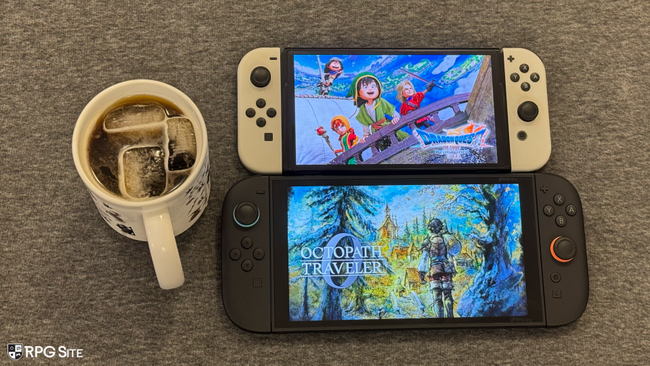
The current situation suggests that Square Enix is treating each project as a bespoke case, often prioritizing retail presence and short-term revenue over user convenience.
Chronology of Cross-Generation Releases
The rollout of these titles has spanned several months, and the complexity of the releases has only grown as the Switch 2 has matured in the market.
The Early Adopters
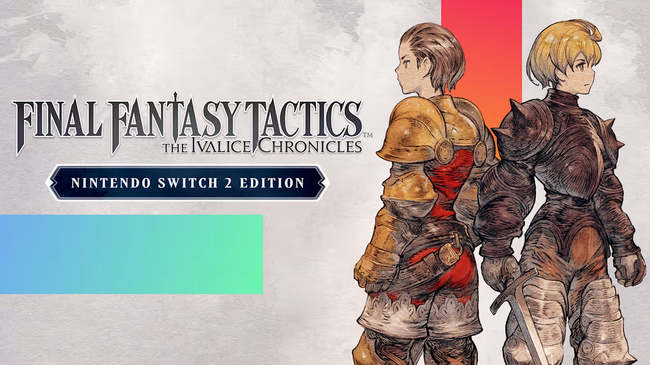
The initial wave, which included Bravely Default: Flying Fairy HD Remaster as a launch exclusive for the Switch 2, set a precedent for fragmentation. Shortly thereafter, Final Fantasy Tactics: The Ivalice Chronicles launched simultaneously on both platforms, offering a rare example of a free, functional upgrade path.
The HD-2D Wave
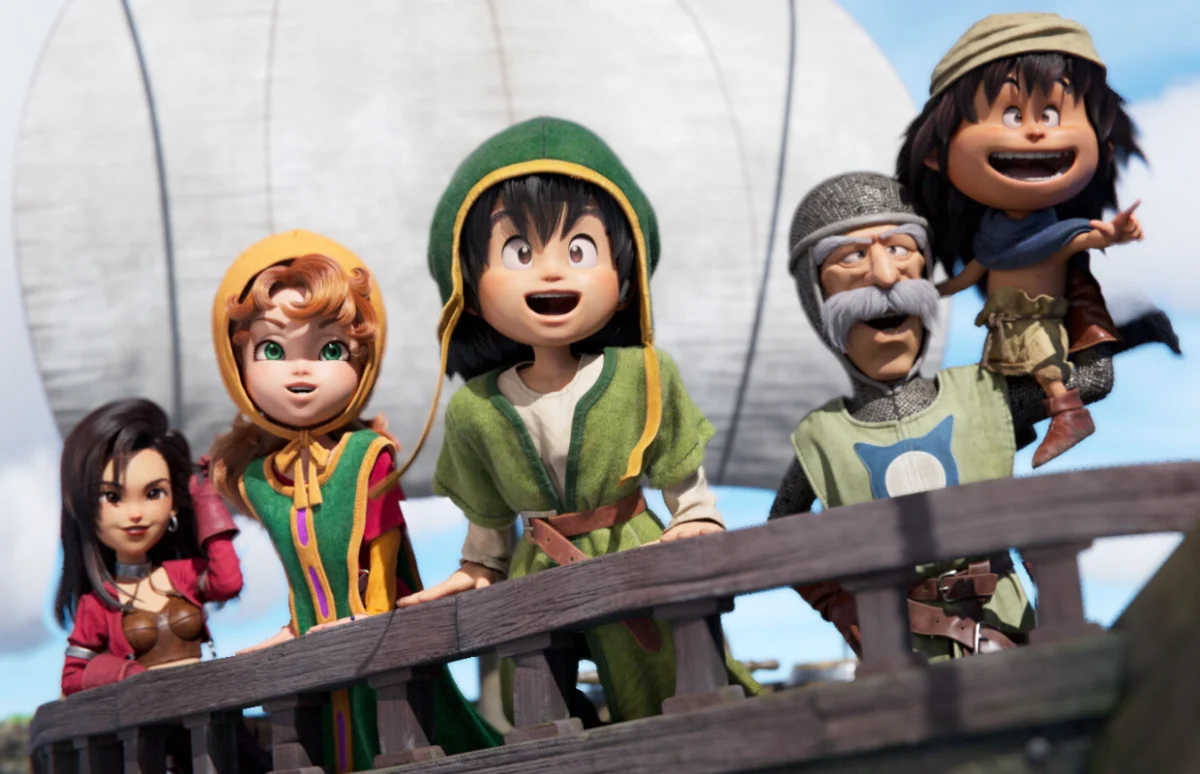
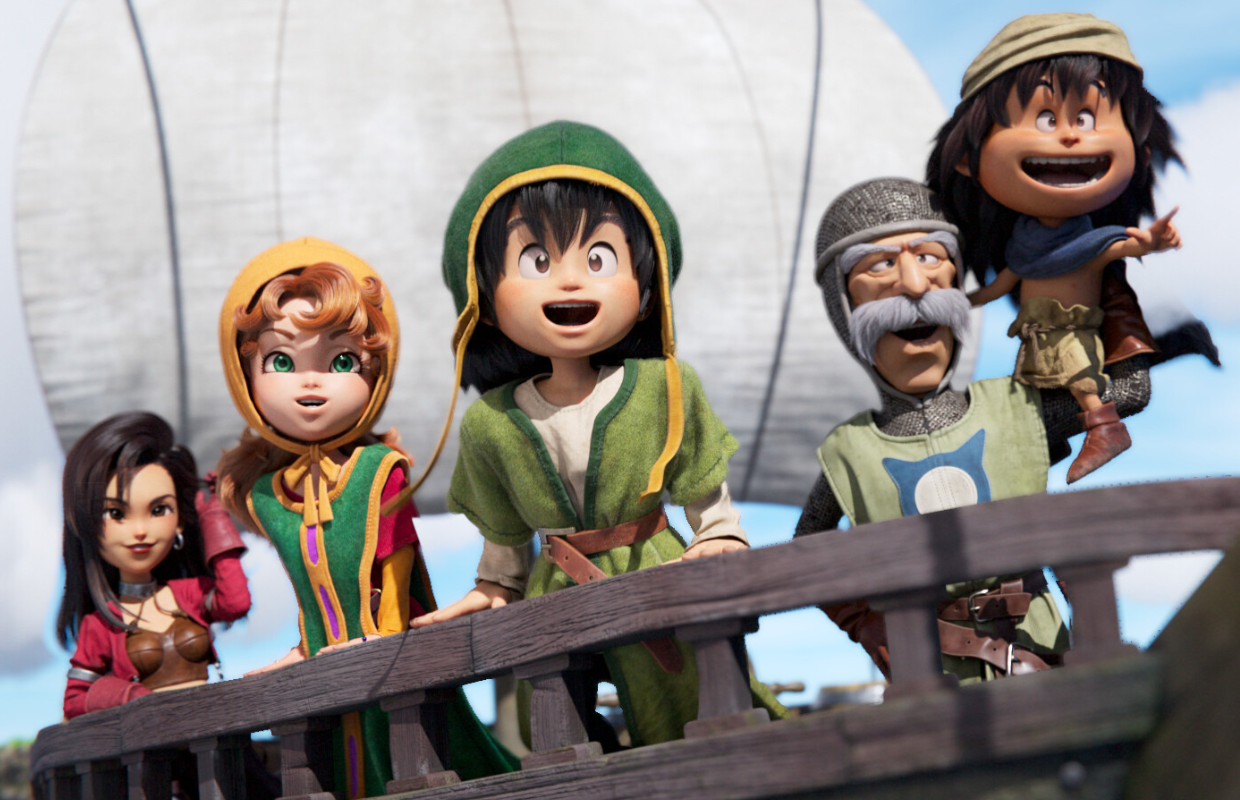
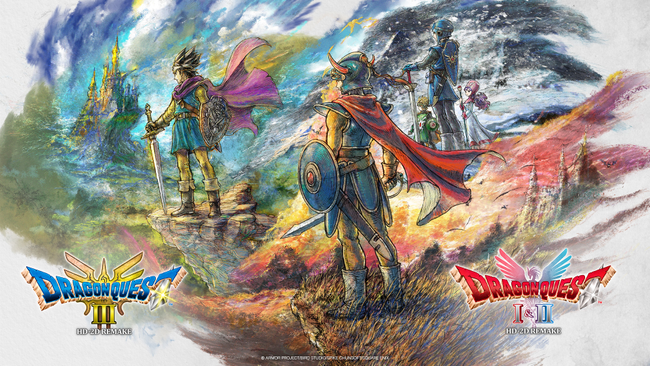
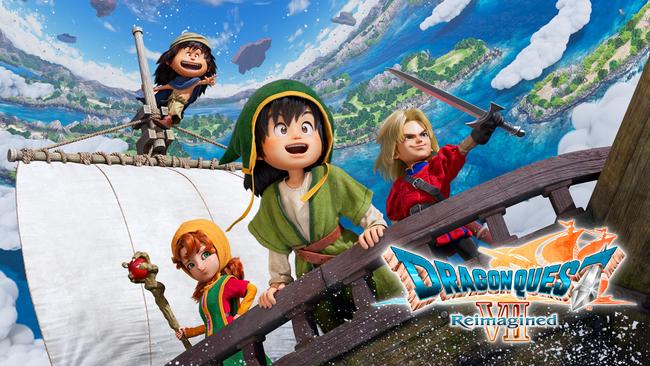
Following this, the Dragon Quest series took center stage. Titles like Dragon Quest I & II HD-2D Remake and Dragon Quest VII Reimagined arrived with strict, non-transferable save states and no upgrade paths. Conversely, Dragon Quest III HD-2D Remake received a free performance-enhancing patch that essentially transformed the original Switch software into a high-fidelity experience on the newer console, bypassing the need for a separate "Switch 2" edition.
The Modern Re-releases
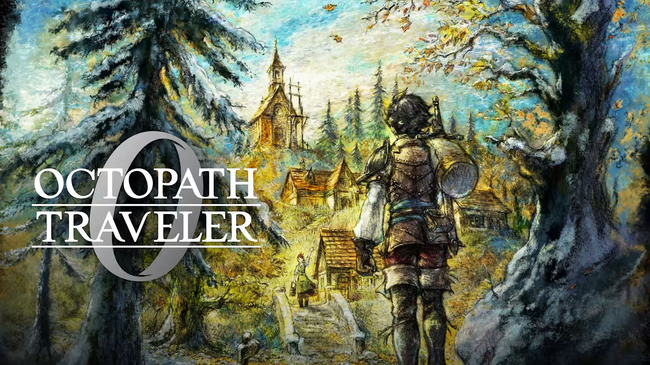
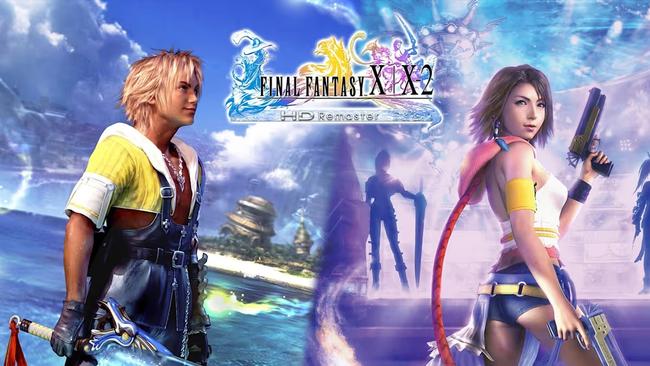
The trend continued with the Octopath Traveler series and Final Fantasy X & X-2 HD Remaster. These titles have been met with criticism for being sold at full price on the Switch 2 despite their status as older, albeit polished, ports. With no save transfer functionality, players are effectively being asked to restart their journeys from scratch.
Analyzing the Economic Motivations
Why is Square Enix making these decisions? While the publisher has not provided a blanket statement, the industry context points toward the prohibitive costs of modern manufacturing.
The "Game Key Card" Phenomenon
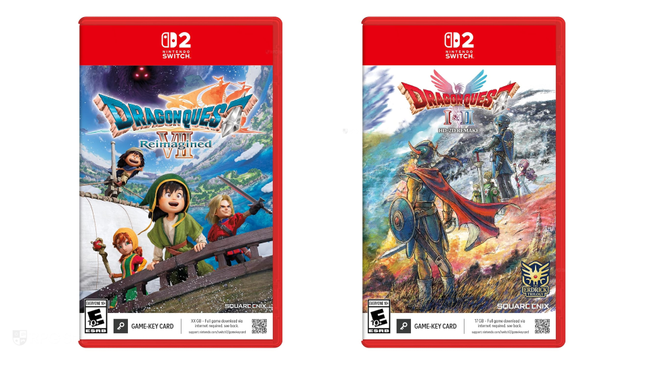
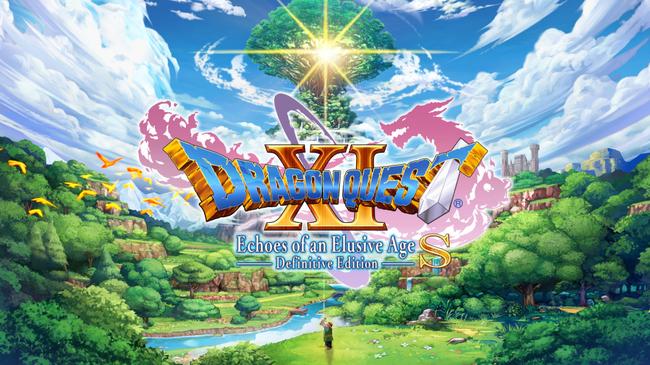
A significant portion of the frustration stems from the rise of the "Game Key Card"—a physical package that does not contain a full game cartridge, but rather a code or a data-light key. In the case of titles like Dragon Quest XI S and the Octopath collection, Square Enix is clearly attempting to maintain a retail presence on store shelves without the immense cost of printing and distributing full-capacity game cartridges for the Switch 2.
The Cost of Convenience
Manufacturing a full, high-capacity ROM cartridge for a new console generation is expensive. By opting for "Game Key Cards" or digital-only releases, the publisher minimizes its overhead. However, this creates a "best of both worlds" scenario for the publisher while creating a "worst of both worlds" scenario for the consumer, who loses the convenience of a unified digital library and the portability of their save files.
Official Stance and User Experience
Square Enix’s official FAQ pages for these titles serve as a stark reminder of the lack of a unified policy. For Dragon Quest I & II HD-2D Remake, the FAQ explicitly confirms that the Switch and Switch 2 versions are siloed. There is no cross-progression, no digital upgrade path, and no shared infrastructure.
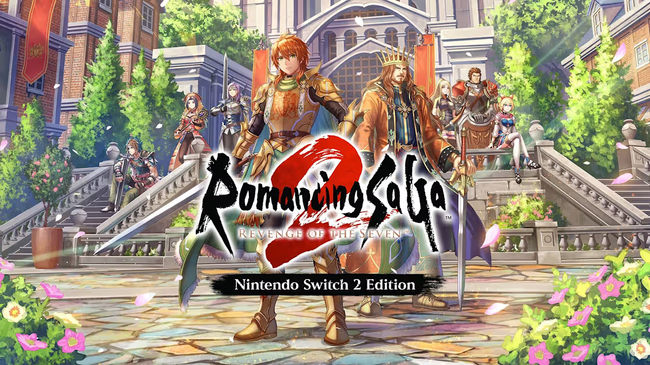
The discrepancy between these titles and Romancing SaGa 2: Revenge of the Seven is particularly baffling. The latter offers a paid "Switch 2 Edition" upgrade, allowing for improved technical performance. While the community generally prefers free upgrades, at least a paid path provides a logical, documented route for players to follow. The absence of even a paid option for titles like Final Fantasy X & X-2 leaves players with no choice but to accept the obsolescence of their original purchase.
Comprehensive Cross-Generation Comparison Table
To assist players in navigating this landscape, we have aggregated the status of the major cross-generation titles currently in the Square Enix library.
| Game Title | Upgrade Path | Save Transfer | Physical Status |
|---|---|---|---|
| Final Fantasy Tactics: Ivalice Chronicles | Yes (Free) | Yes | No (Code-in-Box) |
| Dragon Quest I & II HD-2D | No | No | Key Card |
| Dragon Quest III HD-2D | Yes (Patch) | Yes | No |
| Octopath Traveler 0 | No | Yes (1->2) | Key Card |
| Dragon Quest VII Reimagined | No | No | Key Card |
| Romancing SaGa 2: Revenge | Yes (Paid) | Yes | No |
| Dragon Quest XI S | No | No | Key Card |
| Final Fantasy X & X-2 HD | No | No | Key Card |
| Final Fantasy Resonance | No | No | Key Card |
| Octopath Traveler I & II | No | No | Key Card |
Note: Dragon Quest III HD-2D is treated as a Switch 1 game that leverages backward compatibility. It is included for reference regarding its patch-based upgrade.
Implications for the Future of Gaming
The implications of Square Enix’s current strategy are profound. As we move further into the Switch 2 lifecycle, the industry is setting a dangerous precedent where "ownership" of a game is increasingly tied to a specific hardware iteration rather than a user’s account.
Consumer Trust and Value
When players purchase a game, they expect a certain level of longevity. By segmenting versions and restricting save transfers, publishers risk alienating their core audience. If a player knows that a game purchased today on the Switch might be rendered "dead-ended" upon the purchase of a new console, they are less likely to invest in the ecosystem at all.
The Need for Standardization
The industry requires a more transparent, standardized approach to cross-generation releases. Nintendo has the power to mandate certain features—such as cloud-based save synchronization or a minimum standard for digital upgrades—but they have largely left the decision-making to the third-party publishers.
For Square Enix, the goal should be to bridge the gap between its retail ambitions and its digital responsibilities. If a physical release is too costly for the Switch 2, the publisher should at least provide a robust, consistent digital upgrade path that respects the player’s original investment.
Conclusion: A Call for Clarity
Square Enix remains one of the most vital partners for Nintendo, providing the depth and variety that define the RPG genre. However, the current "cross-generation conundrum" is a blemish on an otherwise impressive support effort.
Players are currently left to rely on third-party guides and Reddit threads to determine whether their hard-earned progress can move to a new machine. It is a time-consuming and frustrating process that undermines the excitement of new hardware. As more titles are announced for the Switch 2, one can only hope that Square Enix shifts toward a more consumer-friendly model—one that prioritizes the player’s time and the continuity of their gaming experiences over the convenience of a "Key Card" retail strategy.
Until that shift occurs, gamers are advised to approach every new Square Enix release with caution, checking the official documentation before assuming that their progress will carry over into the next generation. The era of the Switch 2 is here, but for now, it remains a fragmented landscape where the path forward is anything but certain.

