

IRVINE, Calif. — For PC enthusiasts and budget-conscious gamers alike, upgrading a display setup has traditionally required a delicate balancing act between high-end performance and financial restraint. Premium monitors offering rapid refresh rates, crystal-clear resolutions, and advanced panel technologies routinely command top-dollar figures, pricing out casual gamers and productivity-focused professionals.
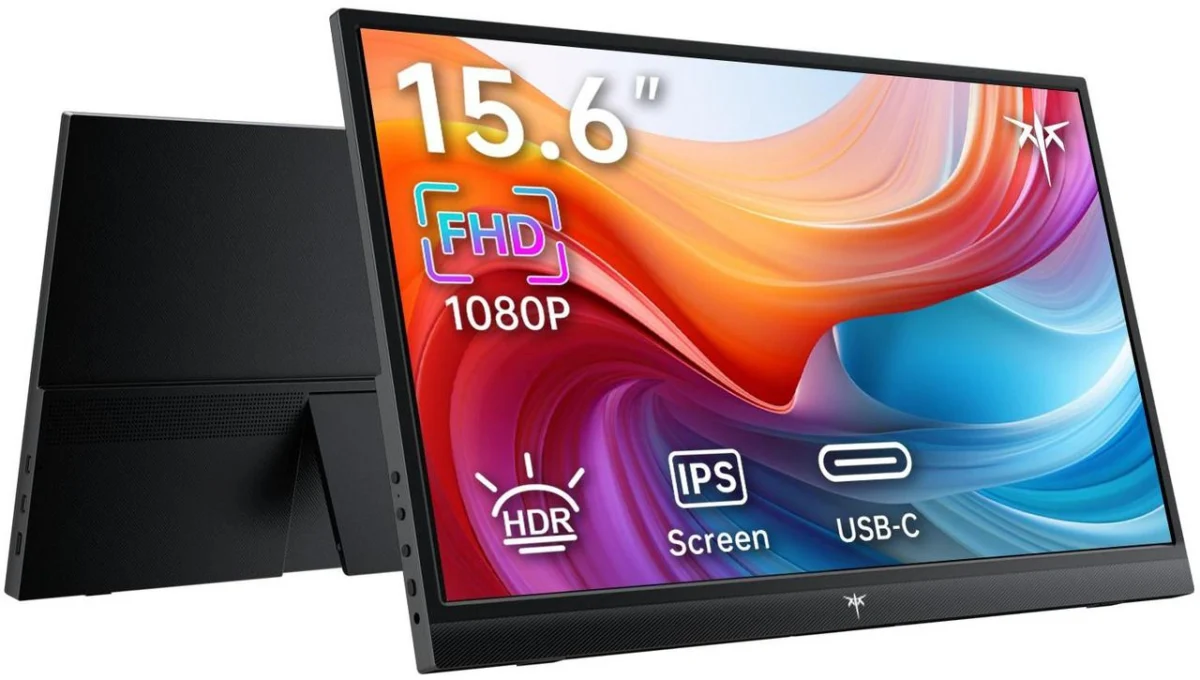
However, a major promotional event courtesy of major online retailer Newegg is turning conventional display pricing on its head. Newegg has rolled out a sweeping wave of steep discounts on four distinct displays from KTC (Key to Combat), a manufacturer rapidly making waves in the hardware industry. Ranging from an ultra-convenient 15.6-inch portable display designed for mobile professionals to a high-octane 27-inch QHD gaming monitor boasting a 200Hz refresh rate, these deals slash entry barriers to the floor. With promotional pricing kicking off at an astonishingly low $56.99 via site-applied coupons, the tech community is taking notice of what could be a watershed moment for value-driven PC hardware.
Main Facts: What the Newegg Sale Entails
The current round of promotional discounts targets a diverse lineup of KTC panels, catering to different segments of the PC ecosystem.
- The Entry Point: The absolute floor of the sale sees entry-level portable solutions dropping down to $56.99 after clipping applicable Newegg coupons. This price point makes multi-monitor setups or on-the-go productivity screens cheaper than ever before.
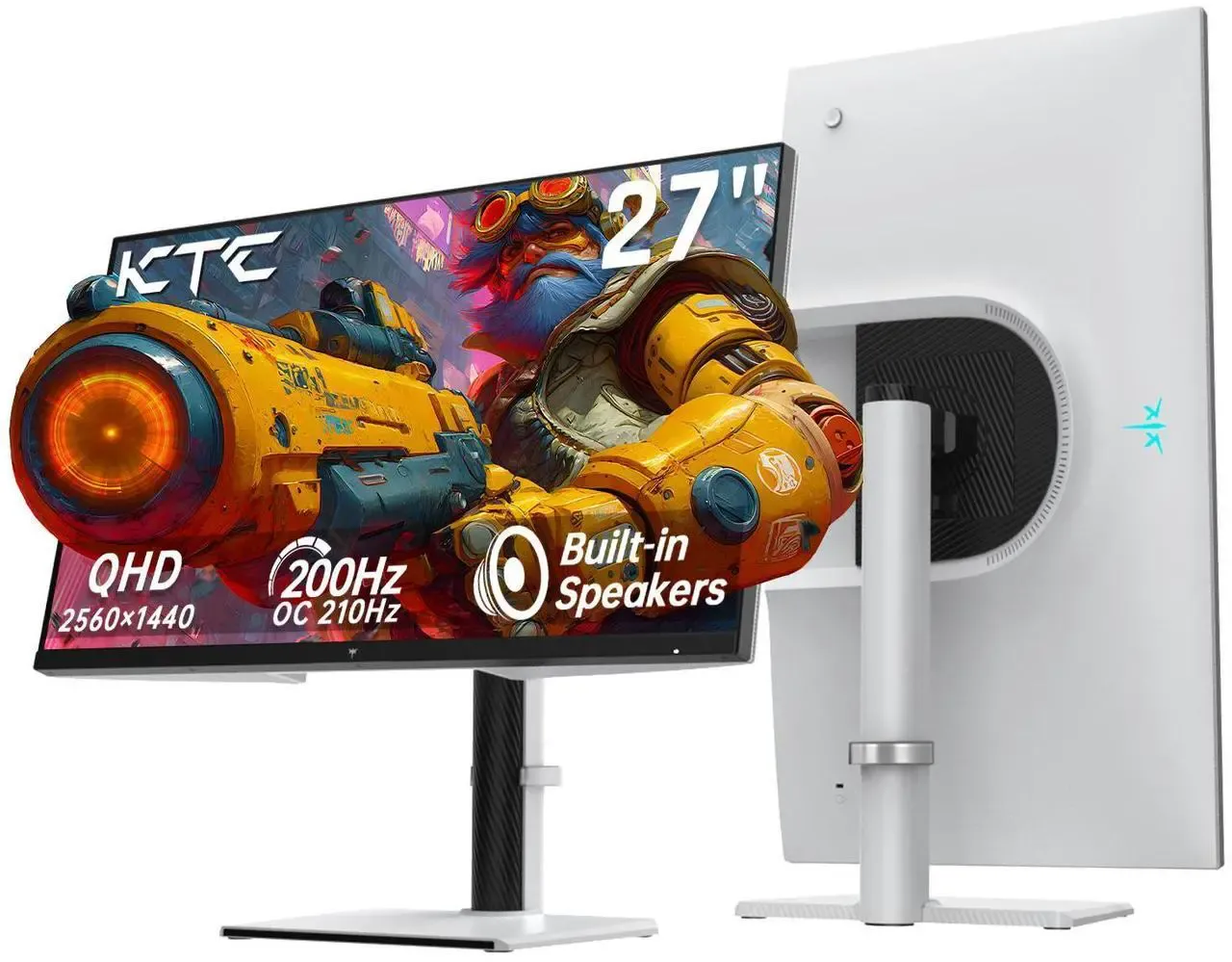
- The Performance Peak: At the upper end of the current discount tier sits the KTC H27T22C (and related 27-inch configurations), bringing a sharp QHD (2560 x 1440) resolution and a lightning-fast 200Hz refresh rate (overclockable up to 210Hz) directly to gamers’ desks.
- The Trade-Off: While KTC may not yet carry the household-name recognition of legacy display giants like Dell, ASUS, or LG, the brand has carved out a distinct philosophy: strip away non-essential luxury features—such as integrated internal speakers or expansive USB hub pass-throughs—to aggressively lower manufacturing costs while preserving core visual and kinetic performance.
This aggressive pricing strategy challenges established market dynamics, forcing consumers to re-evaluate whether they truly need heavily marked-up brand names to achieve high-tier gaming and productivity performance.
Chronology of KTC’s Ascent: From OEM Background to Retail Disruptor
To understand why these Newegg discounts are causing a stir, it is necessary to examine how KTC arrived on the global consumer stage.
The Background (Pre-2022)
For years, Shenzhen KTC Technology Co., Ltd. operated largely behind the scenes as a major original design manufacturer (ODM) and original equipment manufacturer (OEM) for numerous other prominent display brands. Like many powerhouse electronics manufacturers based in Shenzhen, China, KTC mastered the art of high-volume, precision panel assembly and electronics manufacturing without directly marketing products to end-users in Western markets.
Entering the Direct Consumer Market (2022–2023)
Recognizing the shifting tides of the global monitor market—particularly the surging demand for high-refresh-rate gaming panels driven by esports and competitive gaming—KTC made the strategic decision to launch its own branded consumer line. Initially rolled out via online storefronts like Amazon and Newegg, the brand faced the inevitable skepticism reserved for newcomer brands. Early adopters, however, quickly noted that KTC’s displays used the same underlying panel technology found in monitors costing twice as much.
Expanding Media Recognition and Tech Review Milestones (2023–Present)
Over the past two years, hardware testing publications—including extensive hands-on evaluations by Tom’s Hardware—began putting KTC’s growing stable of monitors through rigorous laboratory testing. Reviewers analyzed models ranging from ultra-fast 320Hz QHD screens to cutting-edge 5K dual-mode displays. The consensus across the board solidified: while KTC cuts corners on superficial amenities to save on costs, their color accuracy, response times, and motion clarity consistently punch well above their weight class. The current Newegg sale represents the maturation of this market strategy, bringing these tested units down to impulse-buy pricing.
Supporting Data: Understanding Display Metrics and Value
When evaluating monitor sales, specifications matter. To contextualize the current KTC discounts, we must break down what these technical specifications mean for the end user and how they compare to industry averages.
1. Resolution and Clarity: 1440p (QHD) vs. 1080p
The centerpiece of KTC’s high-performance gaming lineup is the 27-inch QHD (2560 x 1440) form factor. For years, 1080p (Full HD) was the standard for budget gaming, but as mid-range graphics cards (such as the NVIDIA RTX 4060 or AMD Radeon RX 7700 XT) have become more capable, 1440p has emerged as the "sweet spot" for PC gaming. It offers roughly 77% more pixels than 1080p, resulting in sharper text, more detailed game environments, and less noticeable pixel density issues, all without demanding the extreme GPU horsepower required for native 4K gaming.
2. Motion Handling: Refresh Rates and Fast IPS
The discounted 27-inch KTC monitor features a rapid 200Hz refresh rate (pushing up to 210Hz via overclocking capabilities). In fast-paced competitive shooters like Counter-Strike 2, Valorant, or Apex Legends, a high refresh rate drastically reduces motion blur and input lag, giving players critical split-second advantages. Furthermore, the utilization of Fast IPS (In-Plane Switching) panel technology ensures that gamers do not have to sacrifice vibrant color reproduction or wide viewing angles—a common drawback of older, budget-oriented VA or TN panels.
3. The Cost-to-Performance Ratio
Historically, acquiring a 27-inch 1440p monitor operating above 144Hz meant spending anywhere from $250 to $400+. By dropping these units down significantly through promotional coupon structures, KTC effectively undercuts mainstream competitors by 30% to 50%.
| Feature / Metric | Typical Budget Monitor | KTC Discounted Line (Newegg) | Industry Premium Benchmark |
|---|---|---|---|
| Panel Size | 24 – 27 inches | 15.6 to 27 inches | 27 – 32 inches |
| Resolution | 1080p (FHD) | QHD (2560 x 1440) | 4K UHD / 5K |
| Refresh Rate | 60Hz – 144Hz | Up to 200Hz / 210Hz | 240Hz – 360Hz+ |
| Panel Type | VA / TN / Basic IPS | Fast IPS | OLED / Fast IPS |
| Approx. Sale Price | $90 – $150 | Starting at $56.99 (Portable) / Deep QHD discounts | $400 – $1,000+ |
Official Responses and Industry Perspectives
While KTC’s corporate leadership maintains a relatively low public profile compared to consumer-facing giants, industry analysts and hardware review desks have been vocal about the implications of the brand’s market penetration.
In comments compiled from hardware review circles, industry experts note that brands like KTC are fundamentally altering consumer expectations. Brandon Hill, Senior Editor at Tom’s Hardware, notes that while KTC displays are occasionally "light on features (like internal speakers or USB ports), they often offer excellent performance and extreme value for enthusiasts."
This stripped-down approach is deliberate. Market research indicates that a large percentage of desktop PC users never utilize built-in monitor speakers—which are historically tinny and underpowered—relying instead on dedicated desktop headsets or external studio monitors. Similarly, many users connect their peripherals directly to their PC motherboard or dedicated desktop USB hubs rather than routing them through a monitor. By identifying and eliminating features that modern consumers rarely use, KTC passes the savings directly to the buyer.
Retail partners like Newegg have also leaned into this trend, positioning these sales as consumer-first initiatives designed to combat hardware inflation. As component prices fluctuate across the tech landscape, offering high-performance displays at entry-level price points drives vital traffic and builds brand loyalty for both the retailer and the manufacturer.
Implications: What This Means for the Monitor Market
The aggressive pricing models demonstrated by KTC and amplified by Newegg’s current sales carry far-reaching implications for the broader display industry.
1. Pressure on Legacy Brands
Established manufacturers (such as Acer, ASUS, MSI, and Gigabyte) have long relied on brand equity to command premium pricing for mid-tier gaming monitors. As independent reviews continue to validate that newcomer brands like KTC can deliver comparable color accuracy, response times, and refresh rates at a fraction of the cost, legacy brands face intense pressure to re-evaluate their profit margins and pricing structures.
2. Democratization of High-End Gaming Specs
For years, high-refresh 1440p gaming was considered a luxury tier reserved for enthusiasts with deep pockets. By sliding these specs down into budget-friendly pricing categories, KTC and similar disruptors are democratizing high-performance gaming. Younger gamers, budget-conscious students, and families upgrading older family PCs can now access competitive-grade hardware without breaking the financial bank.
3. The Rise of "No-Frills" Utility
The success of KTC highlights a broader consumer shift away from feature-bloated hardware toward pure performance utility. Consumers increasingly prefer to pay exclusively for the core components that impact their daily experience—such as panel quality, backlight uniformity, and refresh rates—rather than paying for bundled software, proprietary RGB lighting ecosystems, or hardware features they will never turn on.
Conclusion
The current slate of Newegg discounts on KTC monitors—ranging from ultra-portable mobile screens starting at $56.99 to high-speed 200Hz QHD gaming powerhouses—serves as a testament to the changing tides of the PC hardware market. By focusing on core performance metrics while discarding expensive, non-essential creature comforts, KTC has positioned itself as a formidable disruptor. For PC builders and gamers looking to maximize every dollar of their upgrade budget, this sale represents an ideal window to secure high-tier visual performance at a historic discount.

