

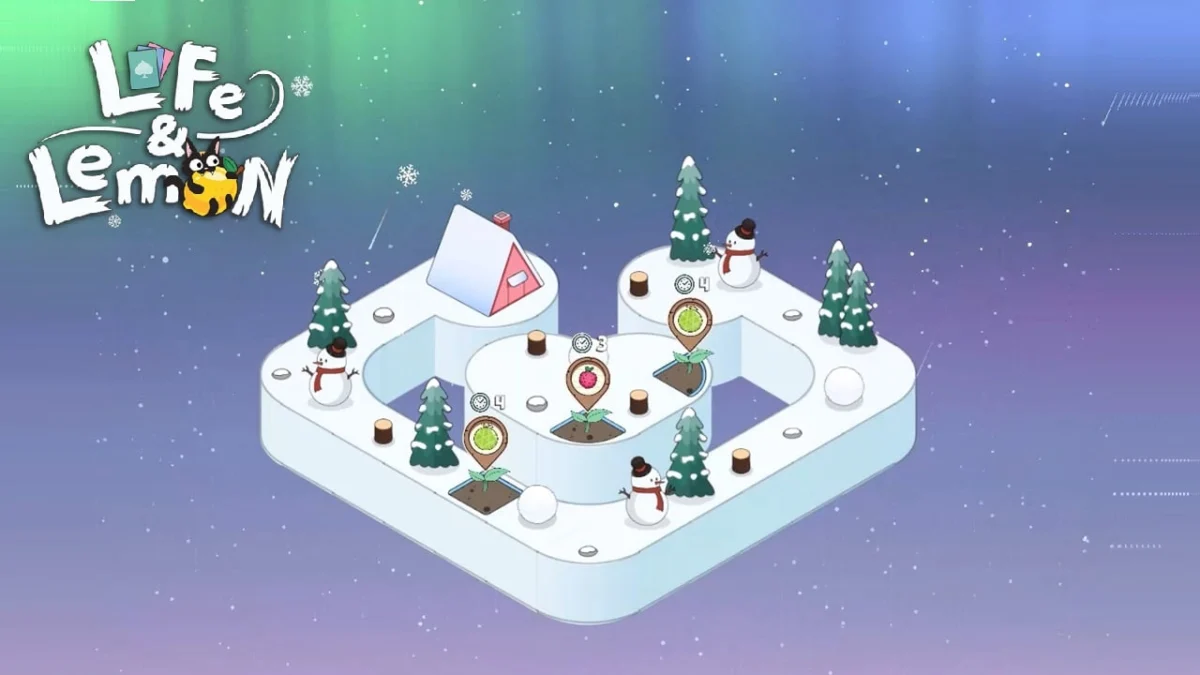
In an industry often dominated by high-octane shooters and sprawling open-world epics, the quiet arrival of a unique simulation concept can feel like a breath of fresh air. Solo developer Amberwind Games has officially pulled back the curtain on Life and Lemon, an ambitious hybrid project that marries the meticulous nature of orchard management with the deep, tactical layers of card-based strategy. With a target launch window of Q2 2027, the title is set to arrive on PC via Steam, as well as mobile platforms including Android and iOS, promising a vibrant, evolving agricultural experience that challenges players to think as much as they toil.
The Core Concept: Where Horticulture Meets High-Stakes Strategy
At its heart, Life and Lemon is a game about growth, both literal and metaphorical. However, it eschews the standard "clicker" or "wait-and-watch" mechanics often found in farming simulators. Instead, Amberwind Games has introduced a central "Card-Deck Strategy" system. Every action the player takes—from sowing a single seed to clearing a patch of land—is governed by the cards they hold in their hand.
The gameplay loop is built on the philosophy of experimentation. Players aren’t just planting crops; they are solving a spatial puzzle. Crop placement is paramount, as different species exhibit "hidden traits" that react to their environment and neighboring flora. When these traits are aligned correctly, they create powerful synergies that can exponentially increase harvest yields. This turns the act of farming into a strategic challenge, forcing players to constantly re-evaluate their layout to maximize profit and productivity.
Chronology and Development Roadmap
While the announcement is fresh, the journey for Life and Lemon is clearly defined by a roadmap leading toward a Q2 2027 release. Amberwind Games has opted for a measured, deliberate development cycle, likely necessitated by the complexity of balancing a card-based economy with a simulation environment.
- Announcement Phase (Present): The debut of the official trailer and the launch of the Steam store page. This phase is dedicated to community building and gathering early wishlist numbers to signal interest to platform holders.
- Refinement and Balancing (2025–2026): According to the developer, this period will be focused on the internal testing of the card fusion system. With over 80 unique cards planned, ensuring that every combination provides a meaningful result is a monumental task for a solo developer.
- Mobile Integration (Late 2026): While the Steam page is currently live, the developer has noted that the Android and iOS listings are still in the pipeline. This signifies a push to optimize the UI for touchscreens, a necessity for a card-heavy interface.
- Final Polish and Q2 2027 Launch: The target window for the full, multi-platform release, aiming to bring the orchard experience to PC and mobile devices simultaneously.
Supporting Data: The Mechanics of the Orchard
The depth of Life and Lemon is best observed through its robust internal systems. Amberwind Games has provided a preliminary breakdown of the features that will drive the gameplay experience:
The Card Fusion System
Perhaps the most intriguing aspect of the game is the fusion mechanic. Rather than simply buying better seeds from a store, players are encouraged to combine cards. Fusing two distinct cards can yield:
- Trait Unlocks: Enhancing existing crops with buffs that increase drought resistance or growth speed.
- Yield Multiplication: Drastically increasing the output of specific harvest tiles.
- Cross-Breeding: The ability to merge two distinct species to create entirely new, exotic fruit types that can be sold for a premium on the in-game market.
A World of Variables
The game moves beyond a static plot of land. Players will travel across a variety of lush, procedurally influenced environments. Each region introduces:
- Climate Dynamics: Varying weather patterns that dictate what can be grown and when.
- Seasonal Cycles: Players must adapt to the passing of time, as crops that flourish in spring may wither in the autumn frost.
- Regional Perks: Specific challenges unique to a location that force the player to change their deck composition.
Social Integration: The 15 Characters
A farm is nothing without its community. Amberwind has confirmed a cast of 15 unique NPCs, each with their own personality archetypes—ranging from "delinquents" to "sweethearts." Building relationships with these characters is not just a narrative exercise; it is a mechanical one. Deepening bonds unlocks story events, grants access to rare items, and provides passive skills that aid in farm management.
Official Perspectives: The Solo Developer Vision
In a statement accompanying the reveal, the developer emphasized that Life and Lemon is an attempt to merge the "cozy" vibes of a life-sim with the "crunchy" tactical depth of a deckbuilder.
"The goal," notes the developer, "is to make the player feel like a scientist and a farmer simultaneously." By moving away from the static, repetitive nature of traditional farming games, Amberwind Games hopes to sustain player engagement through the sheer variety of the card pool. The choice to include over 80 cards at launch is a clear indicator that the developer values "replayability"—the idea that no two farms should look or function the same.
The decision to target mobile devices alongside PC is also a strategic move. The card-based, turn-oriented nature of the game is tailor-made for mobile play, potentially capturing an audience that prefers short, thoughtful bursts of gameplay over long, sedentary sessions at a desktop.
Implications: Changing the Landscape of Simulation Gaming
The success of Life and Lemon could have significant implications for the "cozy game" genre. Currently, the market is saturated with clones of existing successful franchises. By introducing a deckbuilding mechanic, Amberwind Games is effectively creating a new sub-genre: the "Strategy-Sim."
The "Complexity vs. Accessibility" Balance
One of the primary challenges for the developer will be ensuring that the game remains accessible to casual players while providing enough depth for hardcore strategy fans. If the card synergies are too opaque, the game risks alienating its audience; if they are too simple, the replay value may suffer. The inclusion of the 15-character social system is a smart buffer here—providing a narrative "hook" that keeps players engaged even when the math behind the crops becomes demanding.
The Rise of the Solo Developer
This title is yet another data point in the ongoing trend of solo developers competing with mid-sized studios. Using engines like Unity or Godot, single creators are now able to manage complex systems like card databases and multi-platform ports. If Life and Lemon achieves a successful launch in 2027, it will serve as a strong case study for how small teams can leverage deep mechanics to differentiate themselves in a crowded marketplace.
Conclusion
As we look toward 2027, Life and Lemon stands out as a project to watch. It is a game that respects the player’s intelligence, asking them to juggle resources, weather, and relationships, all while managing a deck of cards that dictates their success. Whether you are a fan of traditional farming sims or a strategy enthusiast looking for a fresh, relaxing challenge, the world of Life and Lemon offers a unique, colorful, and deep experience.
For those eager to get a head start, the game is currently available for wishlisting on Steam. As the development progresses, the gaming community will undoubtedly be looking for more trailers and perhaps an early demo to test out the card fusion mechanics. For now, the orchard is being prepared, the seeds are being selected, and the stage is set for a promising addition to the simulation landscape.

