

The intersection of survival horror and VR is a well-trodden path, with titles ranging from the claustrophobic corridors of Resident Evil 7 to the visceral combat of The Walking Dead: Saints & Sinners. However, the "Soulslike" subgenre—characterized by intricate, interconnected level design, punishing combat, and environmental storytelling—has remained a white whale for virtual reality developers. Achieving the weight of a greataxe or the precise timing of a parry in a headset is a monumental technical challenge.
Enter Bramblefort, a bold new title from developer False Member, currently making waves during Steam Next Fest. By blending the oppressive atmosphere of gothic survival horror with the deliberate, exploration-heavy design of FromSoftware classics, Bramblefort is attempting to do what few have dared.
Main Facts: What is Bramblefort?
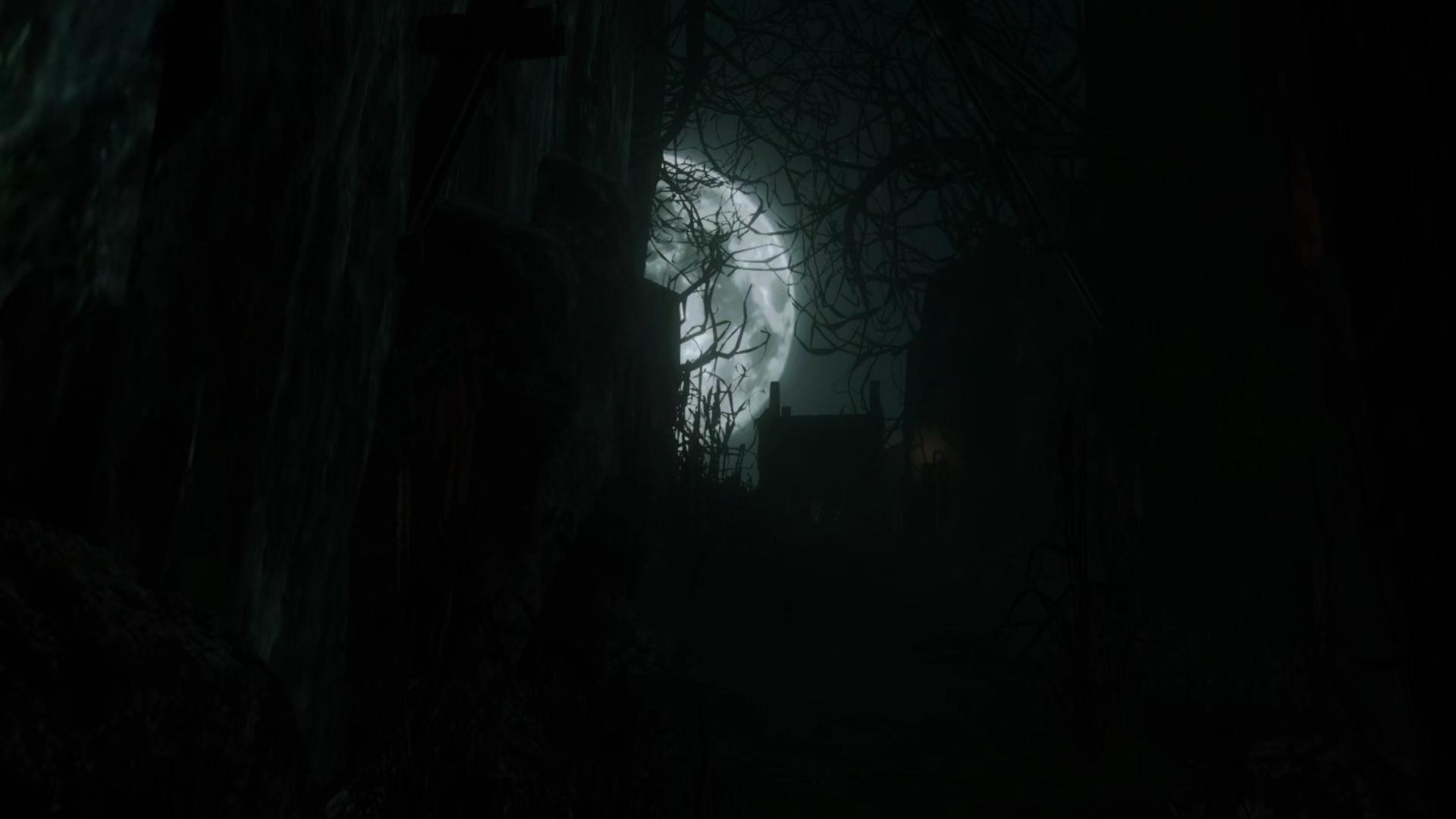
Bramblefort is a first-person virtual reality survival horror experience that emphasizes player agency and environmental mastery. The game casts the player as a field operative sent to investigate an isolated, decaying island in the North Atlantic.
- Platform: PC VR (Steam)
- Developer/Publisher: False Member
- Availability: Free demo available via Steam as part of Steam Next Fest.
- Core Genre: Survival Horror / Soulslike.
- Key Features: Non-linear "metroidvania-style" level design, high-fidelity physical interactions, and a combat system that forces players to manage both their stamina and their limited arsenal.
A Descent into Madness: Chronology of the Demo
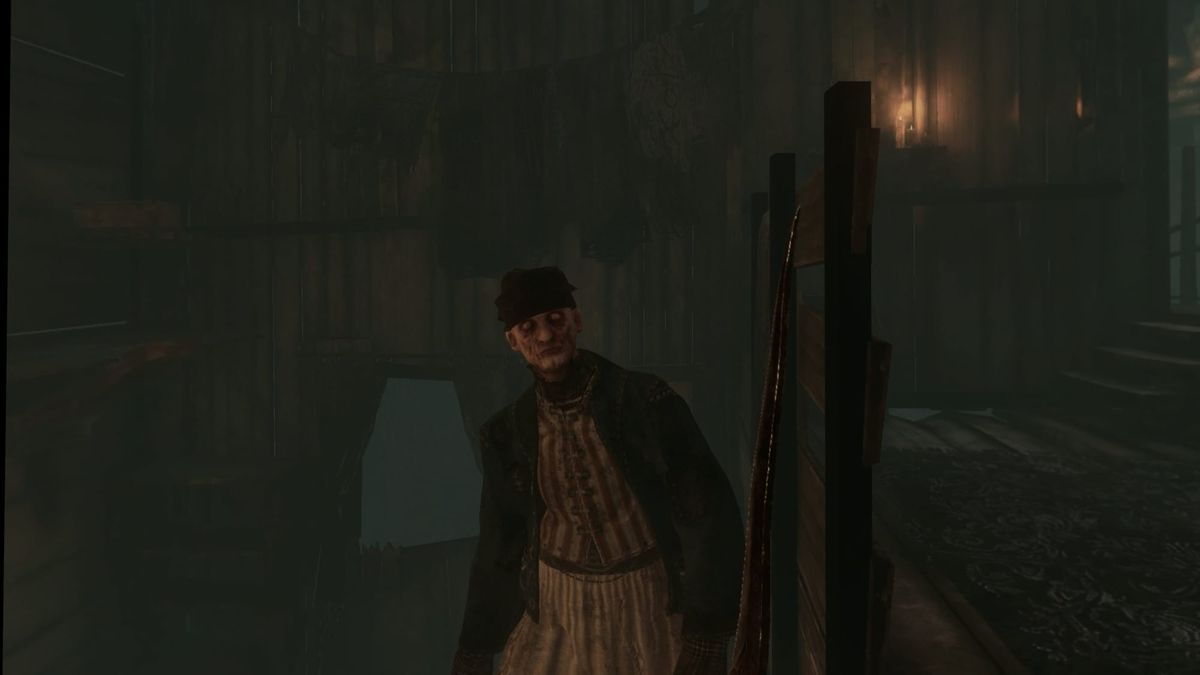
The demo begins with a chilling promise. Upon launching the game, players are greeted by a main menu set within a decrepit, dimly lit cabin, where three decaying, hollowed-out corpses stare back from the darkness. It is an immediate masterclass in setting the tone.
The narrative prologue unfolds inside a 1920s-style movie theater, where a grainy, atmospheric film strip serves as the player’s briefing. An anonymous intelligence agency outlines the mission: infiltrate the island of Bramblefort to investigate mysterious, anomalous occurrences. The agency expects "low resistance," a classic trope that the game subverts within moments of arrival.
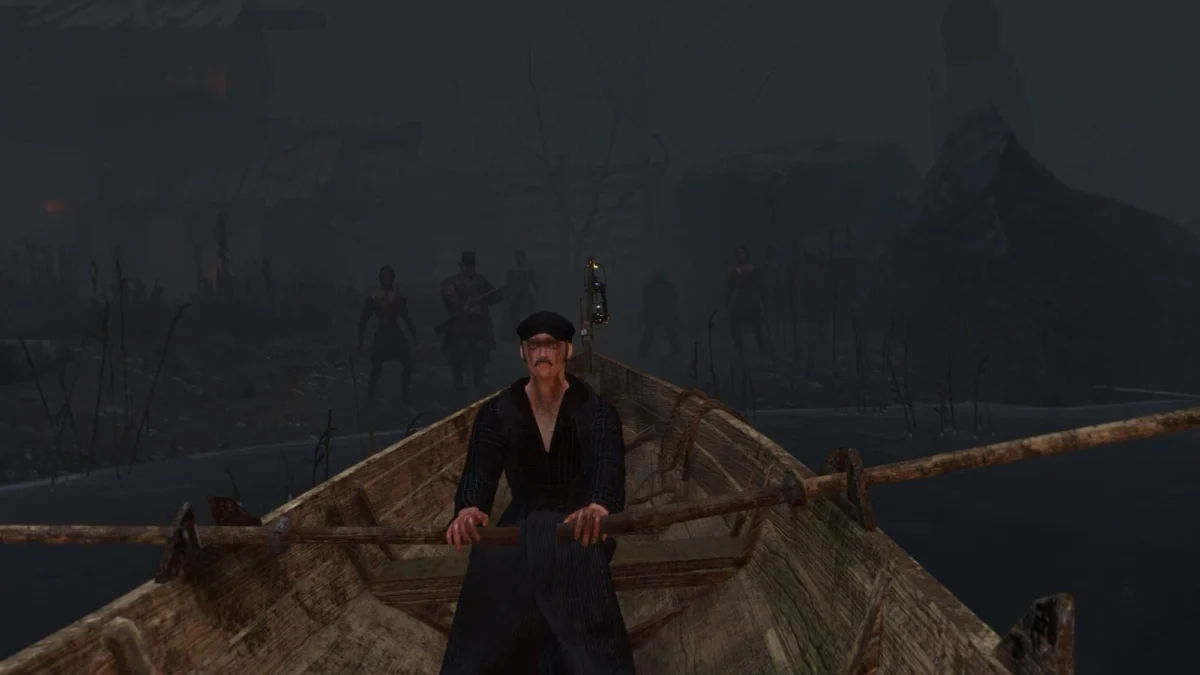
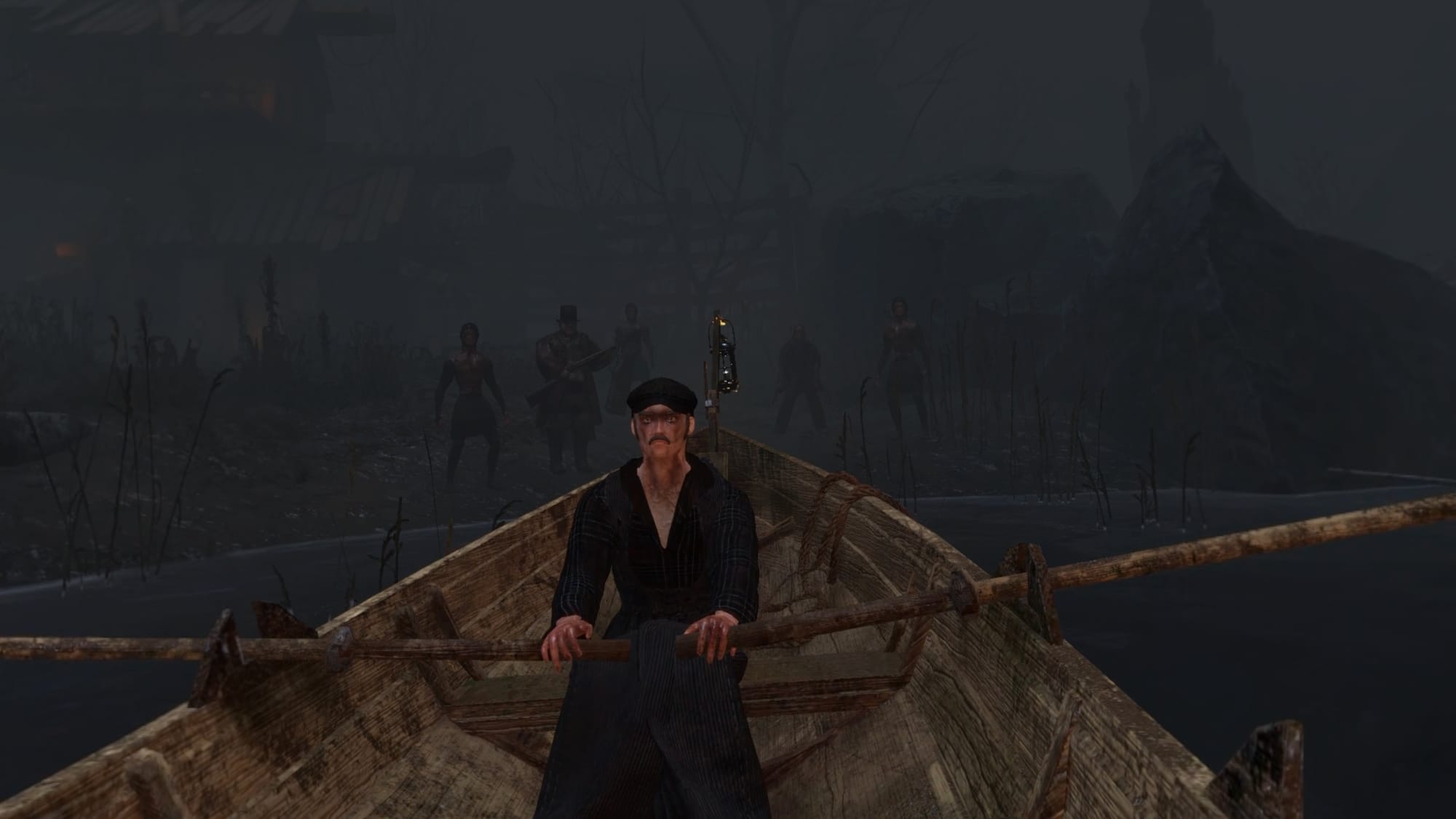
After a brief tutorial that teaches the tactile mechanics of the game—such as stowing keys over one’s shoulder or manually loading a revolver—the player is sent via canoe to the island. The experience quickly devolves into carnage. In a brutal, visceral opening sequence, the player’s guide is decapitated, and the player is promptly captured and thrown into a dungeon. This is where the game’s "Soulslike" DNA truly begins to manifest. The level design shifts from a linear briefing to a vertical, complex prison environment that demands observation, climbing, and strategic navigation.
Supporting Data: Technical Performance and Design
During my testing, I utilized a high-end gaming laptop (AMD Ryzen 7 250, Radeon 780M, 24GB DDR5 RAM, and an Nvidia GeForce RTX 5060) paired with a Meta Quest 3 via the Steam Link app.
Performance Metrics
Despite the high-density environment and the gruesome, detailed character models, the game maintained a stable frame rate throughout the two-hour experience. There were no noticeable stutters or crashes, suggesting that False Member has prioritized optimization even in this early build.
Design Philosophy
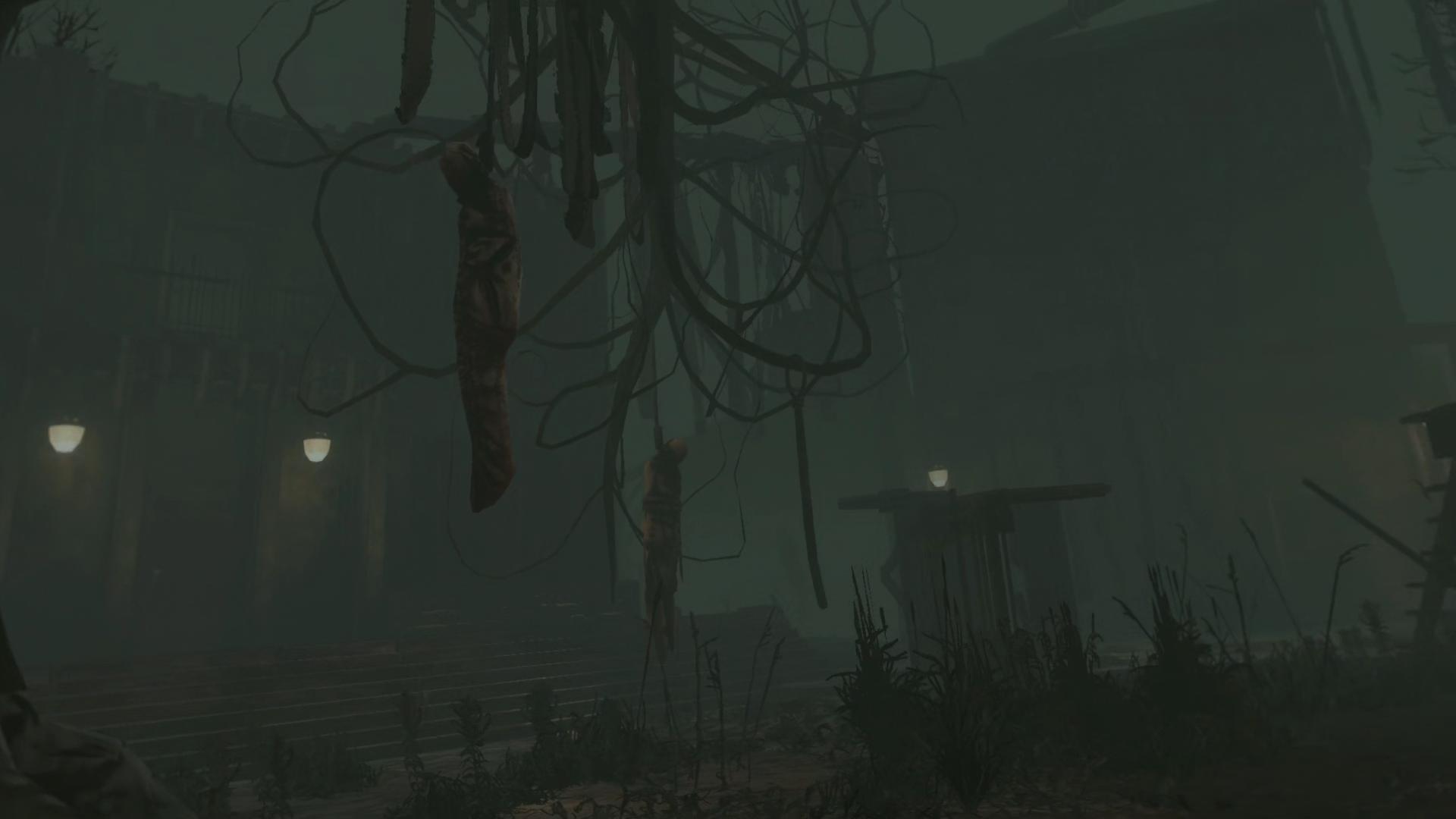
The "Soulslike" comparison is often thrown around loosely, but Bramblefort earns it through its map architecture. The developers explicitly mention that doors often have four different methods of entry—ranging from tactical shooting and climbing to key-hunting and platforming. This philosophy of "the world is your oyster" encourages players to experiment with the environment rather than simply following a waypoint.
One of the most notable design choices is the "physicality" of the UI. Rather than hovering menus, Bramblefort uses a massive, rusty, in-game wheel to manage weapons. It is a cumbersome, tangible experience that adds to the feeling of being trapped in a Victorian-era nightmare. While the combat—primarily involving knives, hammers, and cleavers—can feel slightly "flimsy" compared to more polished action titles, it succeeds in creating a frantic, desperate atmosphere that fits the horror theme perfectly.
Official Responses and Developer Intent
While False Member has remained relatively quiet regarding a firm release date, the design language of the demo speaks volumes. The inclusion of complex mechanics—such as manual shotgun reloading and environmental puzzles—suggests a developer who is listening closely to the "hardcore" VR community.
In a statement often echoed by the feel of the game, the studio appears to be targeting the "Bloodborne-meets-Resident-Evil" niche. By providing a hefty two-hour slice of gameplay, they are signaling a commitment to depth over breadth, ensuring that players understand the difficulty curve and the mechanical expectations of the full game before they commit to a purchase.
Implications for the VR Industry
The success of Bramblefort’s demo carries significant weight for the future of VR development. For years, VR has been dominated by "wave shooters" or "walking simulators." Bramblefort represents a shift toward more complex, systems-driven gameplay.
1. The Maturity of VR Mechanics
The manual interactions in Bramblefort—the way the shotgun feels heavy and unwieldy, the way keys must be manually stored—prove that developers are moving beyond simple "teleport and shoot" mechanics. These tactile elements create a sense of presence that is essential for horror.
2. Validating the "Soulslike" in VR
The primary implication of Bramblefort is the validation of the Soulslike genre in virtual reality. By implementing "FromSoftware-style" level design, the developers have proven that verticality and exploration are not only possible in VR but are perhaps more immersive in the format than in traditional screen-based gaming. The feeling of peering over a ledge in Bramblefort to scope out an enemy patrol is a level of tension that a flat-screen display simply cannot replicate.
3. Comfort and Accessibility Challenges
However, the game is not without its hurdles. The lack of a comprehensive settings menu—limited strictly to snap rotation and continuous movement—is a point of concern for those prone to motion sickness. As the game moves toward its final release, the developer will likely need to address these accessibility options to reach a wider audience.
Conclusion: A Haunting Future
Bramblefort is not a perfect game, but it is a profoundly promising one. It manages to capture the bleak, oppressive spirit of the Victorian gothic aesthetic while offering a level of agency that feels genuinely fresh in the VR space.
While the combat system requires further tuning to reach the satisfying "crunch" of top-tier VR titles, the foundation—the level design, the atmosphere, and the commitment to physical interaction—is rock solid. For fans of challenging, atmospheric experiences who have grown tired of the shallow offerings often found on modern VR storefronts, Bramblefort is a title to watch.
The demo is currently available until Monday, June 22nd at 10 AM PT. If you are looking to test your mettle against the horrors of the North Atlantic, now is the time to download. Bramblefort may be a brutal, bloody affair, but it is exactly the kind of ambitious, genre-bending experiment that the virtual reality industry needs to grow. I, for one, will be keeping a very close watch on its full launch.

