

NEW YORK — In the shifting landscape of modern comic book publishing, bold risks are rarely rewarded with the kind of staggering, undisputed dominance DC Comics achieved over the past year. Following the cataclysmic death of the iconic, long-term cosmic villain Darkseid in late 2024, the DC Universe fractured. This historic in-universe event birthed two distinct realities: the traditional, decades-old mainline DC continuity familiar to generations of readers, and a radical, parallel experiment known simply as the "Absolute" universe.
Far from a mere publishing gimmick, the Absolute imprint has proven to be an unmitigated retail phenomenon. According to annual sales data, an astonishing 15 out of the top 20 best-selling comic book issues of 2025 belonged to DC’s Absolute line. As creators and editors prepare to take the stage at New York Comic Con—highlighted by an eagerly anticipated panel moderated by DC Executive Editor Chris Conroy and Group Editor Katie Kubert—the comic industry is taking stock of a publishing imprint that has completely redefined what it means to reinvent classic intellectual property.
Main Facts: The Genesis and Rise of the Absolute Universe
The inception of the Absolute Universe was born out of editorial necessity and a desire for creative disruption. When DC decided to split its fictional cosmos in two, skeptics initially drew comparisons to Marvel Comics’ historic Ultimate universe from the early 2000s—a line of comics that modernized classic heroes and ultimately served as the primary blueprint for the early cinematic iterations of the Marvel Cinematic Universe.
However, DC’s Absolute line quickly outgrew those early comparisons. Rather than just offering a streamlined, modern coat of paint, the Absolute titles intentionally subverted the foundational myths of DC’s Trinity and broader roster. By stripping away their traditional safety nets, wealth, and cosmic privileges, the creative teams forced characters like Batman, Wonder Woman, and the Martian Manhunter to grapple with raw, visceral, and contemporary challenges.
The strategy paid off immediately. Fans and collectors responded with unprecedented enthusiasm, propelling books like Absolute Batman and Absolute Wonder Woman to the top of the Diamond Comic Distributors and Lunar Distribution charts week after week. The books have successfully balanced high-octane action with sophisticated literary and thematic underpinnings, proving that superhero comics can still capture mainstream cultural zeitgeist without relying entirely on decades of accumulated continuity.
Chronology: From Darkseid’s Fall to NYCC 2025
To understand how the Absolute Universe captured the comic book industry’s attention so swiftly, it helps to examine its trajectory over the past year:
- Late 2024: The death of Darkseid shakes the multiverse to its core, severing the traditional timeline and allowing the Absolute universe to crystallize. DC launches its inaugural wave of Absolute titles, instantly capturing the speculative and retail market.
- Early 2025: Initial issues dominate the comic book charts. Absolute Batman #1 sets historic sales records, while books like Absolute Wonder Woman and Absolute Martian Manhunter build passionate, critically acclaimed followings.
- Mid-2025: Writer Deniz Camp and artist Javier Rodríguez bring Absolute Martian Manhunter to its natural narrative conclusion with issue #12 in July. Far from a cancellation due to low sales, the planned ending demonstrates the imprint’s commitment to self-contained, director-driven storytelling rather than endless, open-ended serialization.
- October 2025: As Absolute Batman approaches its milestone 25th issue, DC announces a major presence at New York Comic Con. The publisher hosts a dedicated Absolute Universe panel on Friday, October 9, at 11:00 AM ET, featuring insights from executive editors Chris Conroy and Katie Kubert.
Supporting Data: The Retail Takeover
The financial and critical success of the Absolute line is unprecedented for a new superhero universe launch in the 21st century.
- Market Dominance: A staggering 15 out of the top 20 best-selling individual comic book issues of 2025 were DC Absolute titles.
- Sales Milestones: Lead titles consistently outperform legacy mainline books, drawing both lapsed readers who grew tired of complex continuity and a younger demographic looking for accessible entry points.
- Critical Acclaim: Review aggregates across major comics journalism platforms place the core Absolute titles consistently in the highest tier of contemporary serialized fiction.
The Core Lineup: Three Must-Read Absolute Titles
While the imprint encompasses several interconnected books, three titles stand out as essential reading for anyone looking to understand the scope and brilliance of the Absolute Universe.
1. Absolute Batman
Helmed by superstar writer Scott Snyder—who previously redefined the character with his acclaimed 2011 mainline Batman run—alongside visionary artist Nick Dragotta, Absolute Batman currently stands as the best-selling US comic book in the world.
The series completely inverts the billionaire-playboy mythology of Bruce Wayne. In this continuity, Bruce is a working-class kid raised in Gotham’s unforgiving Crime Alley. While his father Thomas is dead, his mother Martha is alive, grounding Bruce in a different kind of domestic reality. Furthermore, Batman’s classic rogues’ gallery has been reimagined not as pure, unadulterated evil from the start, but as flawed individuals from Bruce’s own socio-economic background.
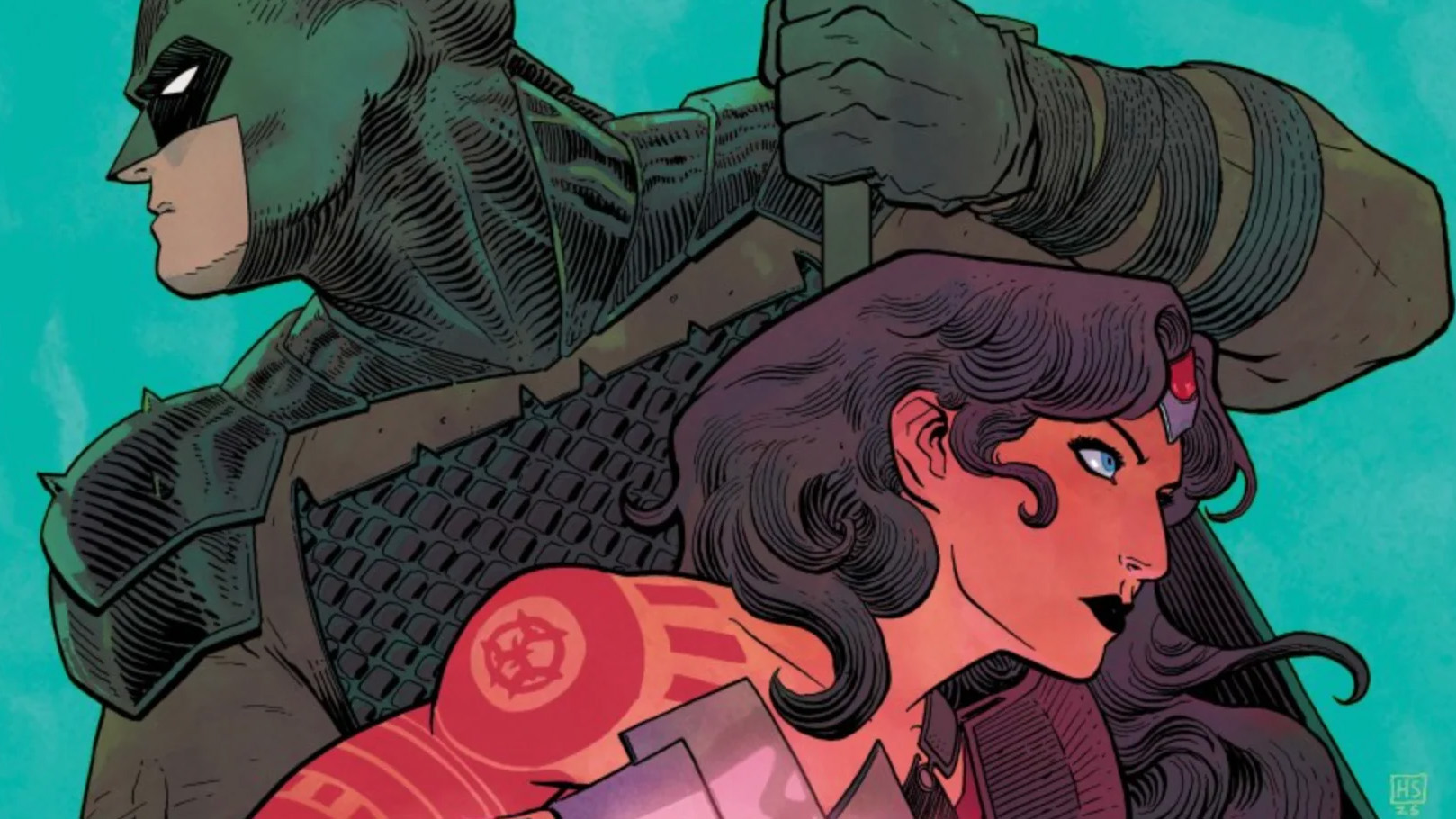
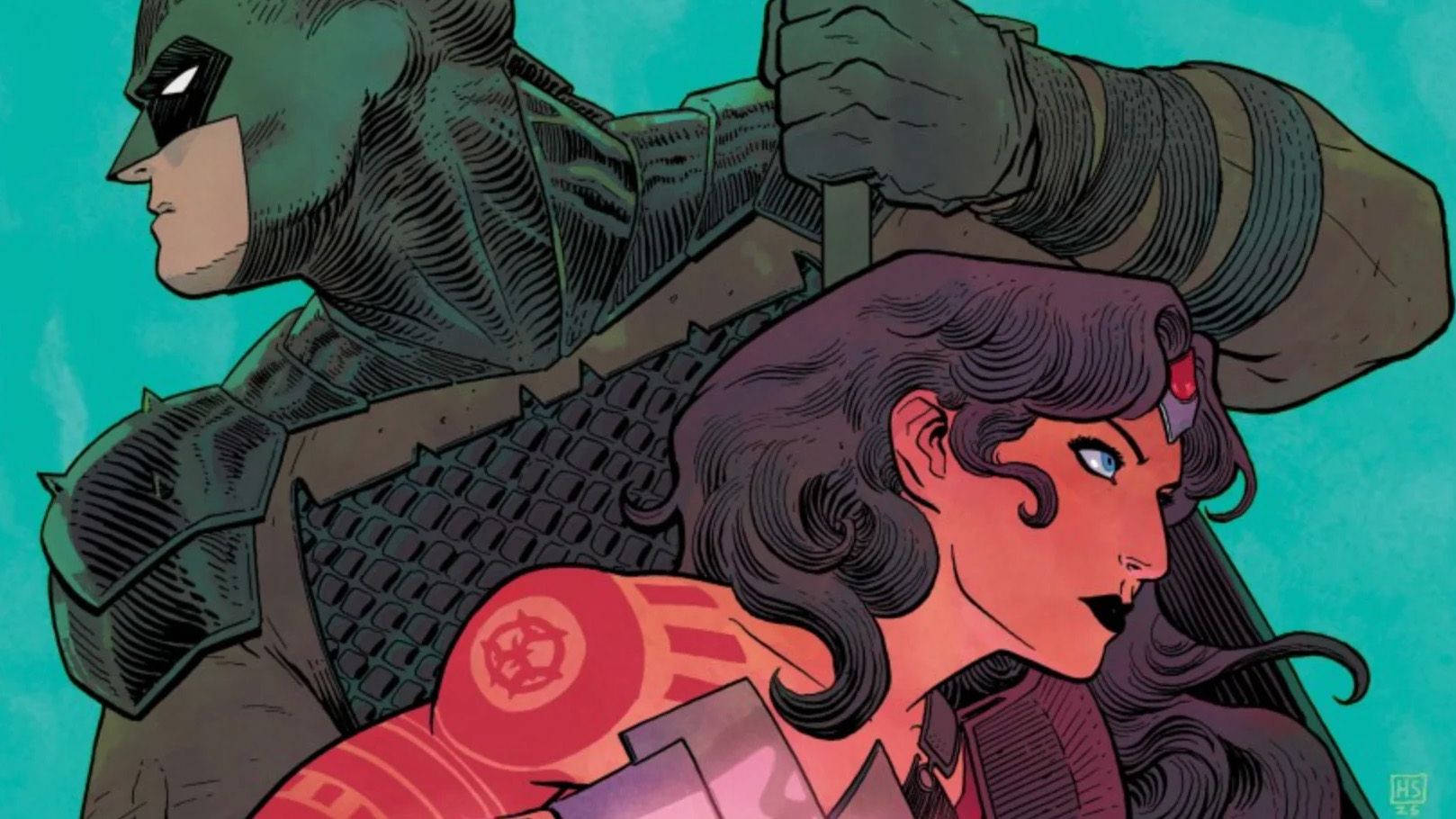
Visually and physically, this Bruce Wayne is an imposing force—comically massive, rugged, and favoring a brutal, oversized battle axe over high-tech utility belts. Having already confronted reimagined versions of Black Mask, Bane, Mr. Freeze, and Scarecrow, Batman’s primary foil has become a murderous billionaire Joker—functioning as a dark, corrupted mirror image of what Bruce might have been. The series operates at an emotional and kinetic level tuned specifically to modern anxieties.
2. Absolute Wonder Woman
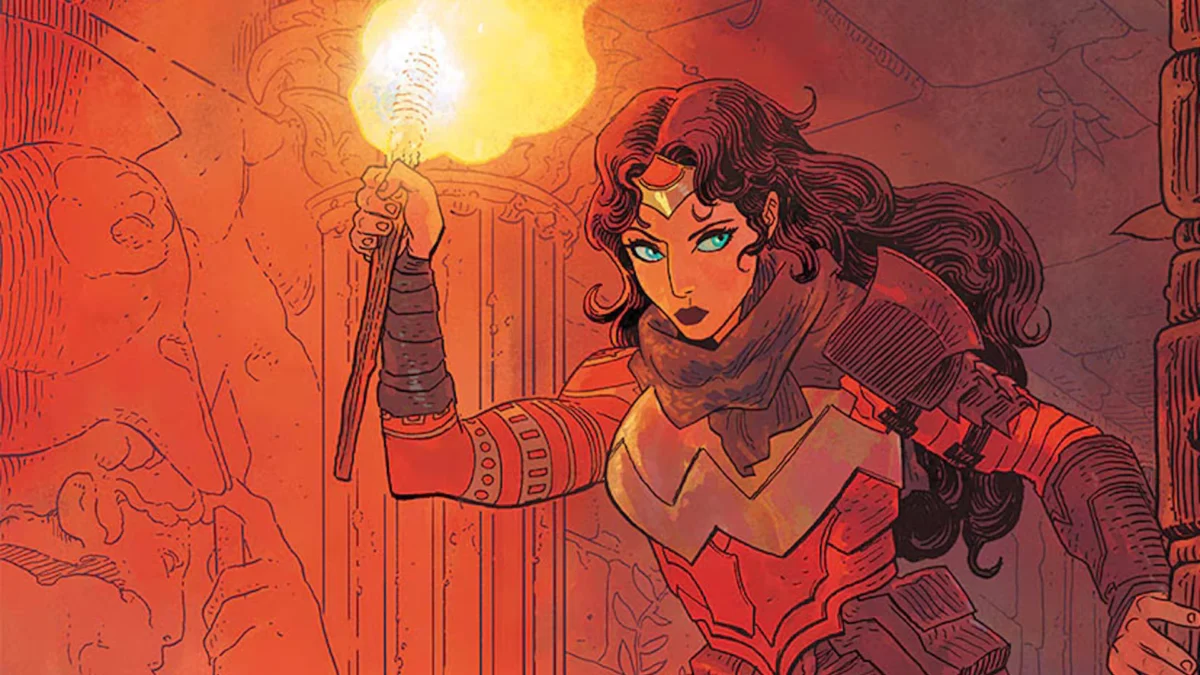
Arguably the critical darling of the entire initiative, Absolute Wonder Woman is written by Kelly Thompson with art primarily by Hayden Sherman. Like its Dark Knight counterpart, the series features a dramatically altered origin story for Diana of Themyscira.
Instead of being raised in the paradisiacal, sheltered society of the Amazons, Diana is brought up on the Wild Isle of Hell. Her upbringing is defined not by maternal warmth, but by the guidance of the witch Circe—traditionally an adversary in mainstream continuity. Surrounded by an environment where every entity and creature is designed to kill her, Diana develops into a fearsome combatant, yet her defining traits remain radical empathy and profound compassion.
Moving beyond her harsh beginnings, the narrative has seamlessly integrated Diana into the wider world, pitting her against colossal kaiju, historical figures like Steve Trevor, the Suicide Squad, and various ancient divinities. Thompson’s sharp, character-driven scripts paired with Sherman’s avant-garde, breathtaking artwork make it one of the most visually arresting books in the history of mainstream comics.
3. Absolute Martian Manhunter
For readers seeking something entirely outside the traditional superhero formula, Absolute Martian Manhunter—crafted by writer Deniz Camp and artist Javier Rodríguez—offered a trippy, deeply experimental narrative.

Centering on FBI Agent John Jones, the story kicks off when Jones miraculously survives a devastating bombing and becomes mentally bonded with a mysterious green alien entity. This symbiosis allows Jones to perceive the chaotic inner thoughts and traumas of everyone around him. Heavily inspired by the dense, paranoid literature of novelist Thomas Pynchon, the series functioned as an antidote to formulaic superhero tropes.
Rather than milking the title indefinitely, Camp and Rodríguez brought the series to a definitive close with issue #12 in July 2025. This artistic integrity proved a vital point: the Absolute Universe is not just a commercial vehicle to recycle big-name characters, but a legitimate incubator for groundbreaking, finite graphic storytelling.
Implications: What the Absolute Universe Means for the Future of DC
The runaway success of the Absolute line carries profound implications for the broader comic book industry and Warner Bros. Discovery’s multimedia plans.
First and foremost, it proves that comic book fans are hungry for bold creative risks. By removing the burden of 80+ years of dense continuity, DC has created an environment where writers and artists can tell high-stakes, self-contained stories that resonate with contemporary societal themes. For new and returning readers, the barrier to entry has never been lower; one can pick up Absolute Batman or Absolute Wonder Woman today without needing a degree in comic book history.
Furthermore, the triumph of the Absolute line signals a shift in how major publishers approach their intellectual property. Much like Marvel’s original Ultimate universe inspired a generation of cinematic blockbusters, industry watchers are already speculating on how these striking, modern reinventions—such as working-class, axe-wielding Bruce Wayne or Hell-raised Diana—might influence upcoming DC movies, television shows, and animated projects.

As the creative teams take the stage at New York Comic Con, the message is clear: the mainstream comic book landscape has shifted permanently. The Absolute Universe is no longer just an alternative timeline; it is the beating heart of modern DC Comics.

