


Main Facts
The debate over high-performance gaming peripherals has reached a fever pitch, with mouse polling rates sitting squarely at the center of the controversy. While standard gaming mice have long operated at a dependable 1,000 Hz (1 kHz) polling rate—reporting their position to the computer 1,000 times per second—the market has rapidly evolved. Manufacturers now push ultra-premium mice capable of 4,000 Hz (4K) and 8,000 Hz (8K) polling rates, promising reduced latency, hyper-smooth cursor tracking, and a competitive edge.
However, professional esports players remain divided. In recent discussions with professional Counter-Strike 2 (CS2) players Azuwu and yxngstxr from Luminosity Gaming, hardware journalist Jacob Fox explored whether these bleeding-edge polling rates genuinely impact high-level competitive play. While Azuwu advocates for a 4K setting, noting a distinct difference over 1K, yxngstxr prefers a traditional 1 kHz setting paired with 800 DPI, primarily to accommodate his aggressive "flick-shot" playstyle.
The core findings of these professional insights highlight a nuanced reality: while high polling rates theoretically reduce input lag, their practical benefits depend heavily on individual playstyles, system stability, and mouse sensitivity settings. Furthermore, technical hurdles—such as potential system stutters and increased battery drain—continue to make some veterans hesitant to abandon the trusty 1 kHz standard.
Chronology of the Polling Rate Evolution
To understand how the industry arrived at the 8K polling debate, it is necessary to trace the progression of computer mouse technology over the past two decades:

- The Standard Era (Late 2000s–2010s): For years, 125 Hz to 500 Hz polling rates were standard for office and budget hardware. As competitive gaming bloomed into a global phenomenon, 1 kHz (1,000 Hz) emerged as the gold standard for esports, offering a 1-millisecond response time that was widely considered faster than human perceptual limits.
- The Rise of Wireless Excellence (2018–2021): Major manufacturers perfected low-latency wireless technology, matching and often exceeding the reliability of wired connections at 1 kHz.
- The Leap to Ultra-High Rates (2022–Present): Hardware pioneers began introducing 4K and 8K wireless dongles. Brands marketed these ultra-fast polling rates—shrinking reporting intervals down to 0.25ms or 0.125ms—as the ultimate upgrade for competitive shooters like Counter-Strike 2 and Valorant.
- The Pro Re-evaluation (Present Day): As professional players get their hands on these commercial iterations, real-world testing has begun to challenge marketing claims. While some pros have embraced 4K/8K, others—including top-tier tier-one competitors—continue to stick with lower rates, citing personal preference and system stability concerns.
Supporting Data and Technical Analysis
The technical mechanics behind polling rates dictate how a mouse communicates with a PC. A polling rate of 1 kHz means the mouse sends data to the computer every 1.0 millisecond. Scaling that up to 4 kHz drops the interval to 0.25 milliseconds, and 8 kHz pushes it down to 0.125 milliseconds.
Proponents argue that shaving off these fractions of a millisecond ensures that fast-paced micro-adjustments and tracking movements translate onto the screen with absolute immediacy. In high-stakes esports where matches are decided in fractions of a second, any reduction in system latency is theoretically advantageous.
Yet, empirical testing often tells a more complicated story:
- System Overhead: Higher polling rates demand significantly more processing power from the CPU. Because the computer must process thousands of mouse inputs per second, lower-tier or mid-range CPUs can experience micro-stutters or frame drops during intense gaming sessions.
- Battery Consumption: Operating a wireless mouse at 4K or 8K dramatically accelerates battery drain, often reducing battery life from hundreds of hours down to mere days or even hours.
- Diminishing Returns: Independent hardware benchmarks—including internal testing by hardware publications—frequently struggle to prove a consistent, measurable improvement in human aim accuracy when jumping from 1K to 8K.
Official Responses and Perspectives from the Pros
The divide among professional players sheds light on how different mechanical approaches require distinct hardware configurations.
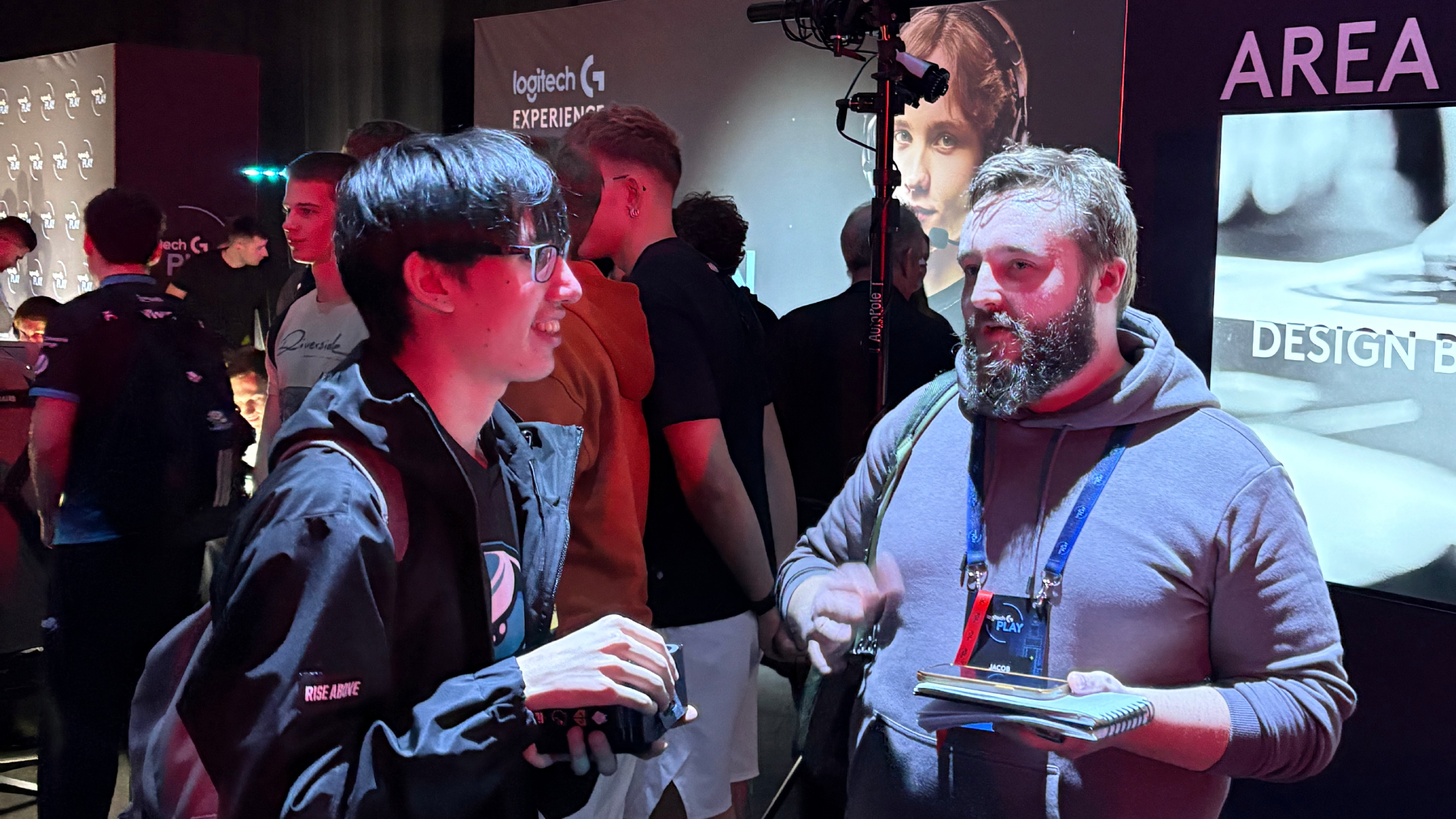
When speaking about his preference, Luminosity’s Azuwu firmly stated:
"I’d say there’s a difference from 1 to 2K and then, after that, 8K you don’t even reach anyway. So it’s only 2K or 4K, but they’re both fine. I play at 4K."
For Azuwu, 4K provides a sweet spot—offering a noticeable bump in smoothness without introducing the system instability sometimes associated with maxed-out 8K settings.
Conversely, his teammate yxngstxr approaches the hardware from the perspective of a low-sensitivity player who relies on aggressive movement:
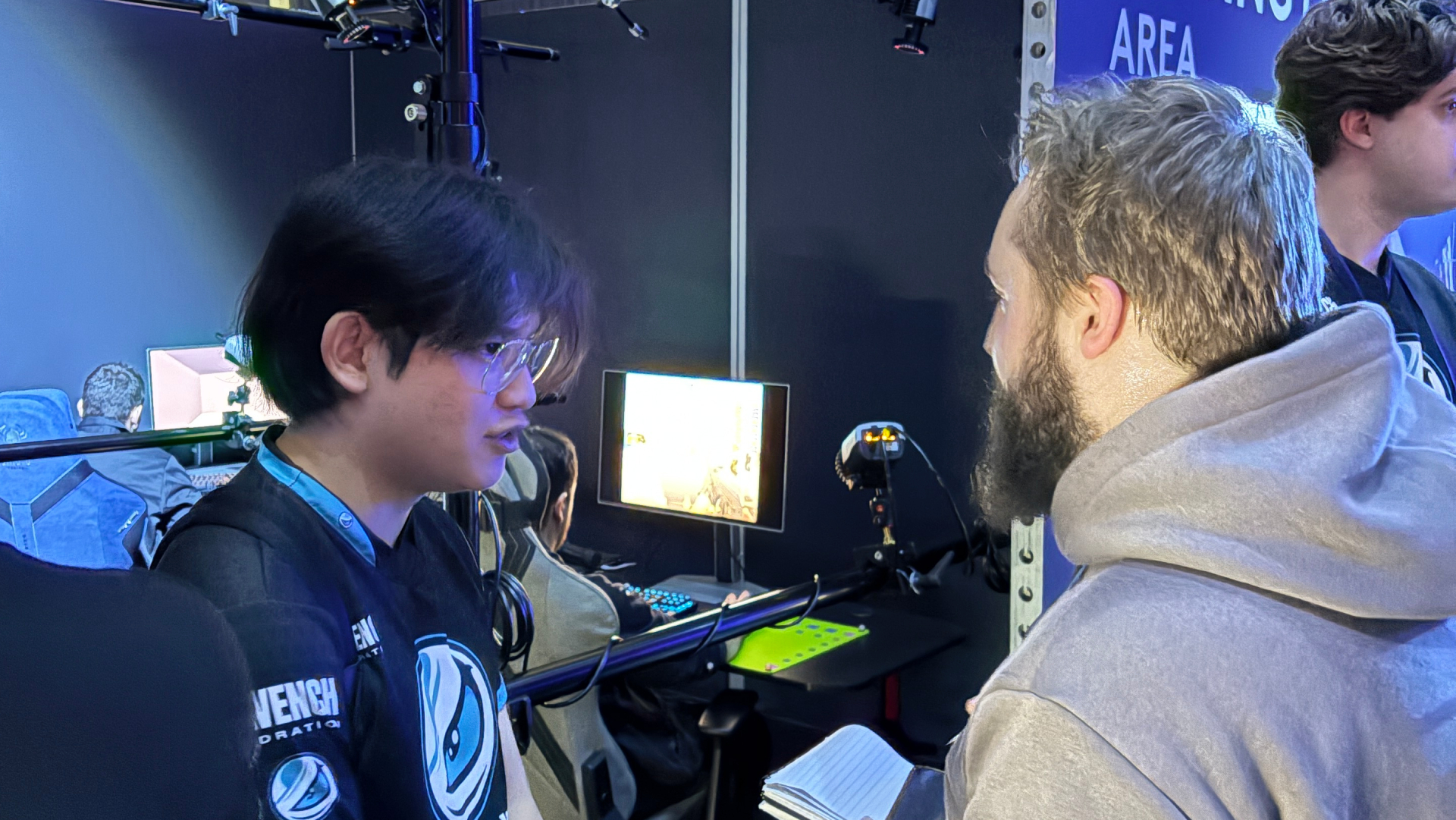
"1K is the minimum. If you play 4K, it’s going to be way smoother—not ‘way’ [smoother], but you will notice it. It’s a smoother motion than if you put it at 1K… I’m on 800 [DPI], 1 kHz… because usually I like to flick."
Elaborating on why low-sensitivity players gravitate toward higher settings, yxngstxr noted:
"The low-sensitivity player, because they’re not moving a lot, they like the smooth feeling. If you have low-sens, you’re usually not a flicky guy. That’s why the low-sens players usually play like 2K, 4K, like peak Niko."
This distinction reveals that mouse settings are deeply personal. Players who rely on steady tracking across large mousepads benefit from the buttery smoothness of higher polling rates, whereas those who execute explosive flick-shots may find traditional 1 kHz settings more reliable and predictable.
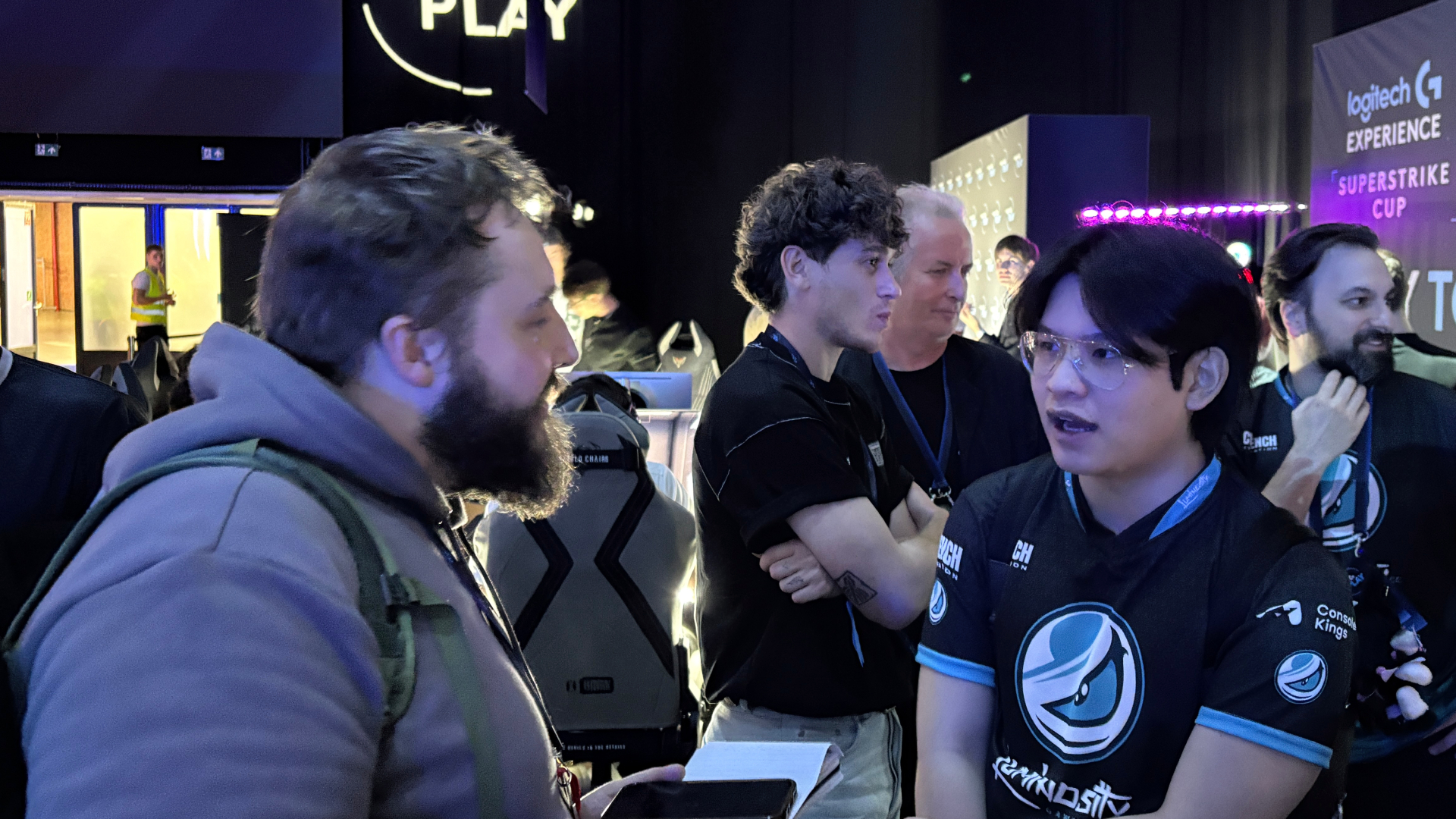
Implications for the Future of Competitive Gaming
The ongoing debate over mouse polling rates carries several broad implications for hardware manufacturers, competitive gamers, and the esports industry at large:
- Hardware Marketing vs. Real-World Utility: As peripheral manufacturers race to slap larger numbers onto their boxes (such as 8K, 16K, or higher), consumers must weigh whether these specs translate to practical performance gains or simply serve as marketing gimmicks.
- System Optimization Standards: As high polling rates become standard features in flagship mice, PC optimization guides will increasingly need to account for CPU overhead. Gamers investing in 4K/8K peripherals must ensure their central processing units can handle the polling load without introducing stutter.
- Personalization Over Dogma: The experiences of professional players like Azuwu and yxngstxr reinforce the idea that there is no universal "correct" setting in competitive gaming. While technological advancements will continue to push boundaries, comfort, consistency, and hardware reliability will always trump arbitrary specification benchmarks.
Ultimately, whether a player chooses to stick with a reliable 1 kHz setup or upgrade to a cutting-edge 4K/8K peripheral comes down to personal preference. For everyday players looking to climb the ranks in games like Counter-Strike 2, finding a comfortable sensitivity, maintaining stable frame rates, and practicing fundamental game sense will always matter far more than the exact frequency at which their mouse talks to their PC.

